Samsung workers approve pay deal, averting major strike
Samsung’s union backed a pay deal by 74% of voters, ending an 18-day strike threat that could have tightened memory chip supply into Walmart’s electronics aisles.
Samsung’s unionized workers backed a pay deal that headed off an 18-day strike threat, easing pressure on memory-chip production that can flow into Walmart’s electronics and home-tech aisles. The agreement matters far beyond Samsung’s plants in South Korea because Walmart’s general merchandise lineup includes consumer electronics and accessories, software, video games, office supplies and appliances.
Workers approved the deal with 74% of 62,616 ballots cast in favor, formally averting a stoppage that had been set to begin on May 21 and could have run through June 7. The union had said nearly 48,000 Samsung Electronics workers were ready to walk off the job. Samsung Electronics, the world’s largest memory chip maker, had been in government-mediated talks with the National Samsung Electronics Union and South Korea’s National Labor Relations Commission before the labor fight was settled.
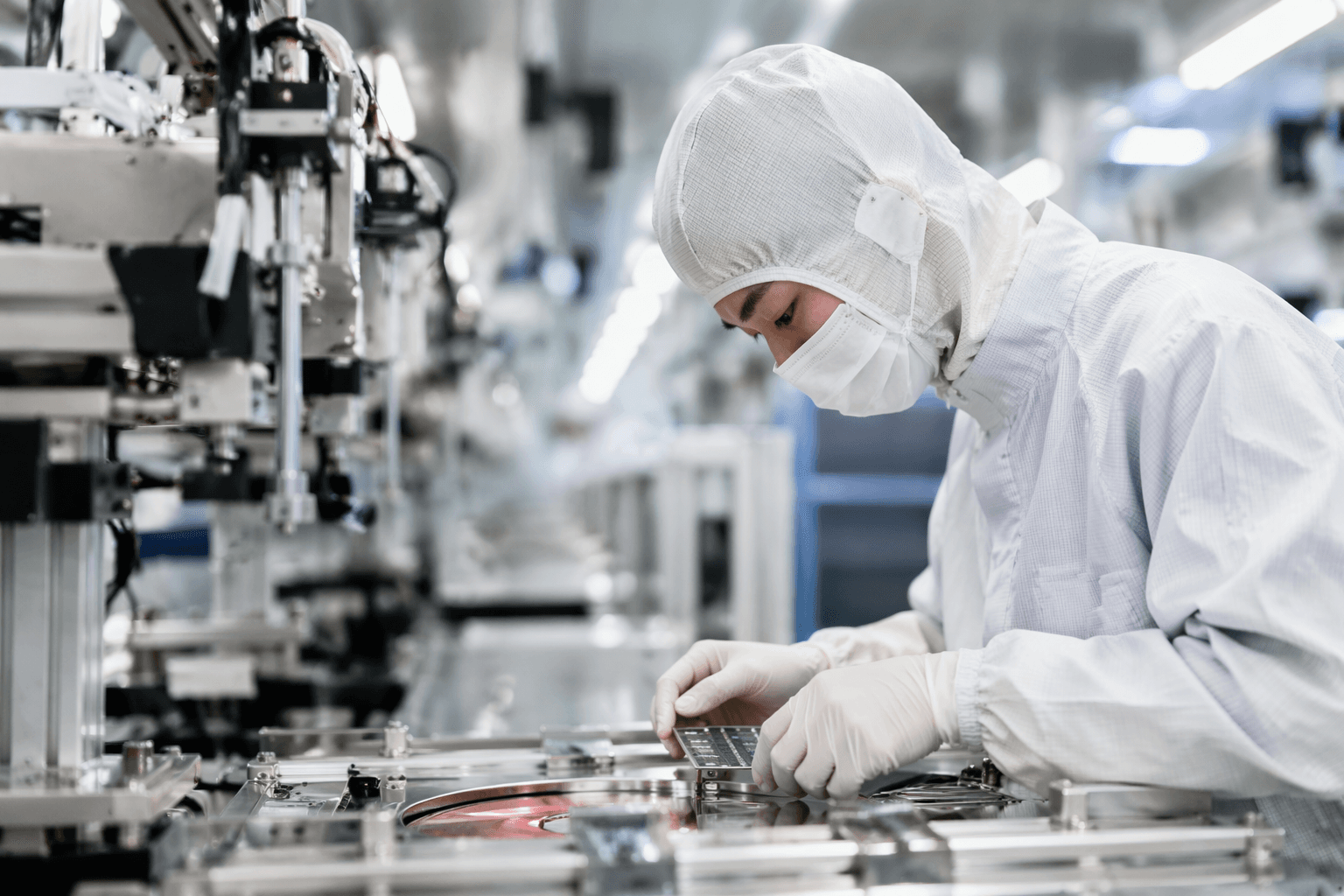
The strike threat centered on bonus pay and how workers should share in the profits from the artificial intelligence and semiconductor boom. The final agreement came after Samsung rejected an earlier mediation proposal, but the latest deal won enough support to stop the work stoppage before it started. Samsung shares rose sharply after the agreement, underscoring how closely investors were watching the risk to chip output and the broader supply chain.
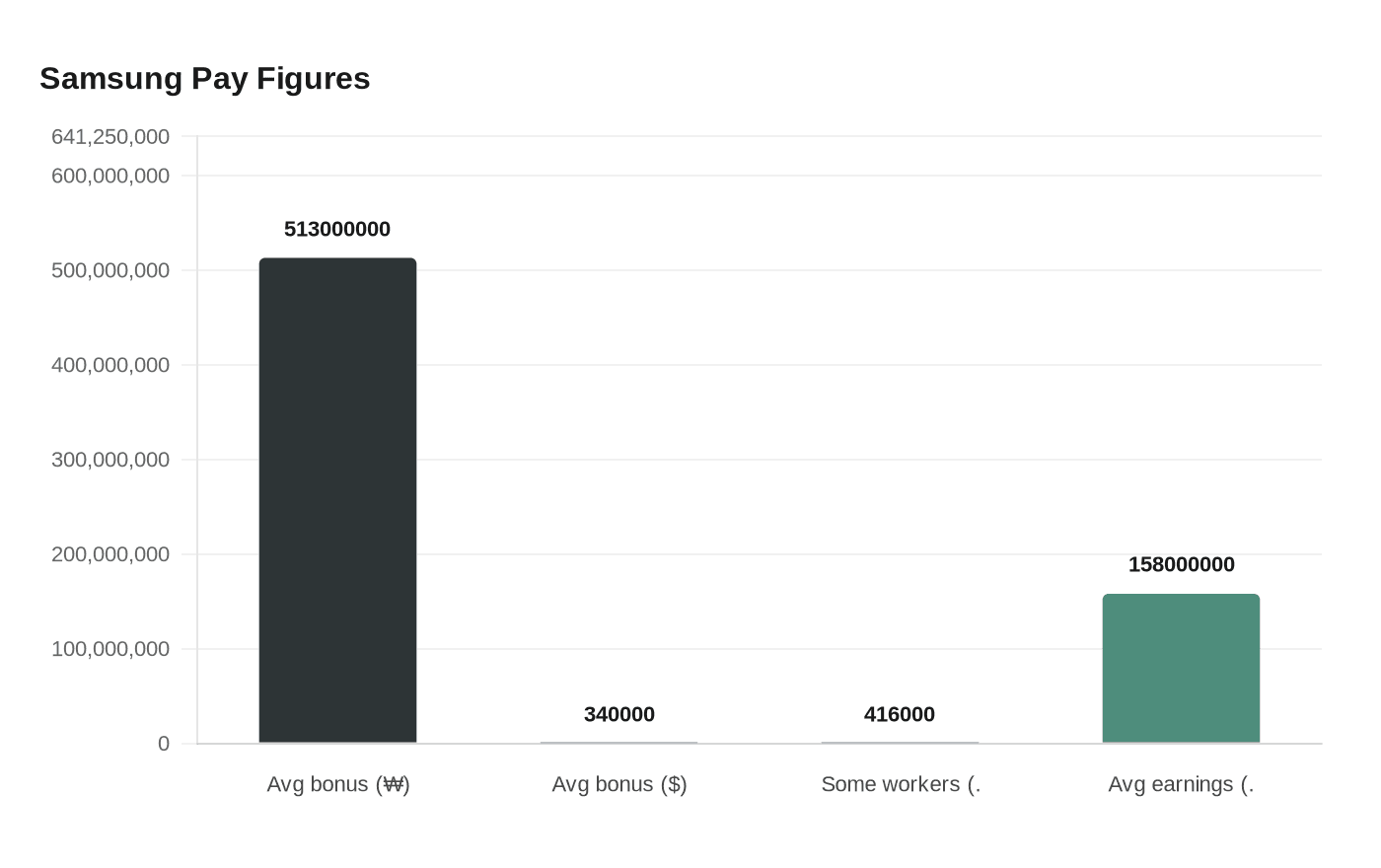
The bonus package was large by any standard. Bloomberg reported that chip workers would receive an average bonus of about 513 million won, or about $340,000, with some workers potentially receiving about $416,000. Samsung employees earned an average of 158 million won in 2025, according to a company filing cited in reporting, a figure that shows how much the new payout could add to paychecks tied to the semiconductor boom.
For Walmart store managers and department leads, the practical question is not labor politics in Suwon or Seoul. It is whether a disruption at a dominant memory-chip supplier can show up weeks later as tighter replenishment, delayed inventory or pricing pressure in high-visibility categories such as phones, laptops, connected-home devices, appliances and gaming gear. When chip supply gets shaky, retail stores feel it in missing product, thinner promos and more pressure on the items customers notice first.
This article was produced by Prism’s automated news system from verified source data, official records, and press releases, then run through automated quality and moderation checks before publishing. The system is built and supervised by the people who set the standards it runs under. Read our full AI policy.
Know something we missed? Have a correction or additional information?
Submit a Tip