Union aligned investor presses Walmart and peers on immigration impacts
A union aligned investment group sent letters to Walmart, Amazon and Alphabet asking the companies to disclose how President Trump administration immigration policies are affecting operations, finances and supply chains. The move could force shareholder votes that highlight risks to hiring for skilled foreign workers and operational vulnerabilities in trucking and farming, issues that matter to frontline workers and corporate employees alike.

On December 18, 2025 SOC Investment Group, an investor with small but meaningful stakes in Walmart, Amazon and Alphabet, asked the companies to disclose how recent changes to immigration rules are shaping their business. The group sought detailed reporting on a proposed $100,000 fee for new H1B visa approvals and on the operational impacts of stepped up immigration enforcement such as workplace raids, particularly in sectors critical to retail supply chains like trucking and farming.
SOC said the letters are designed to trigger proxy resolutions for the firms upcoming shareholder meetings. The group said it hopes for "productive engagement" with management, but it is also prepared to pursue legal options if its proposals are not included on corporate proxies. SOC has a history of pushing shareholder resolutions on social and governance matters, and this campaign ties those efforts to labor and supply chain risk.
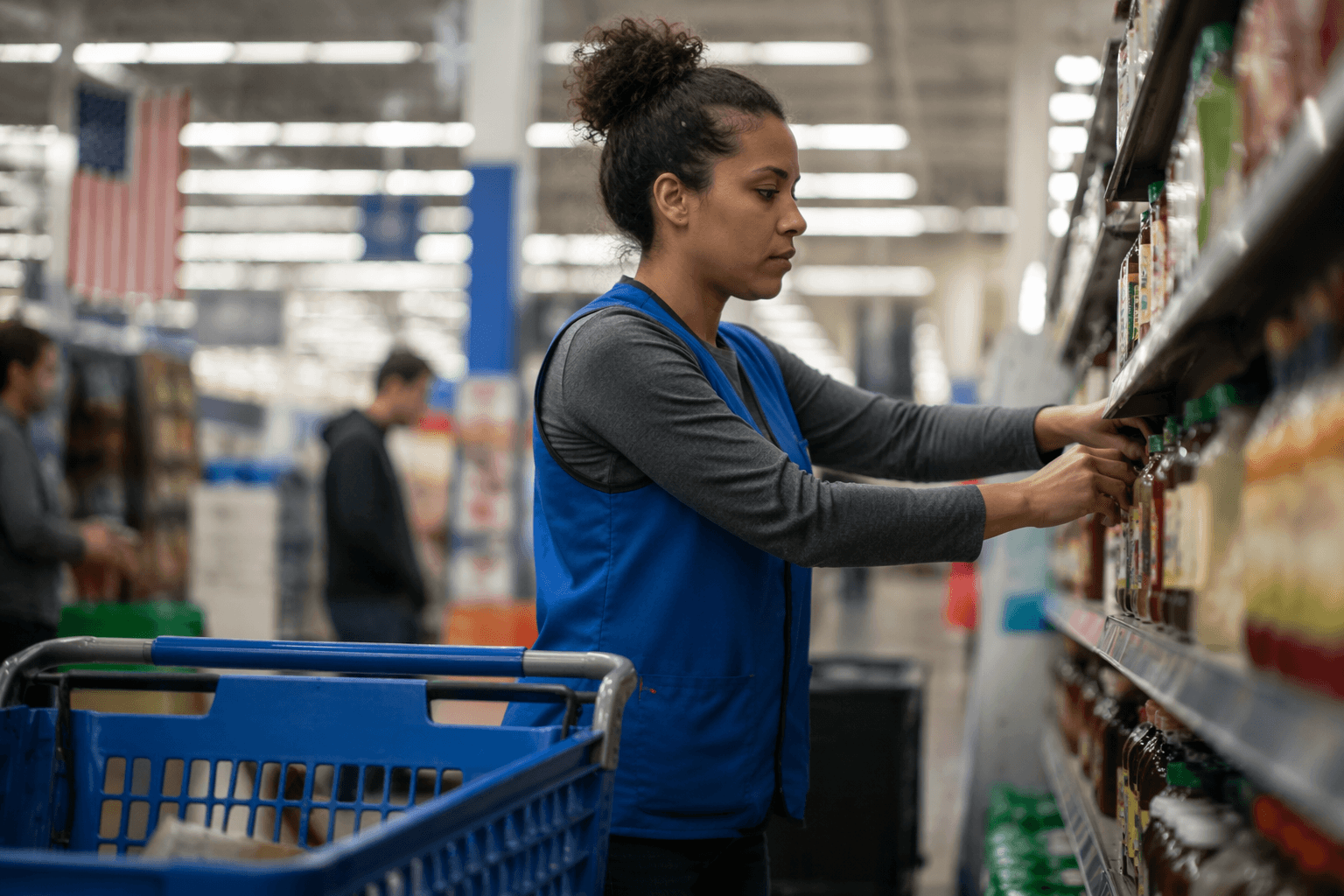
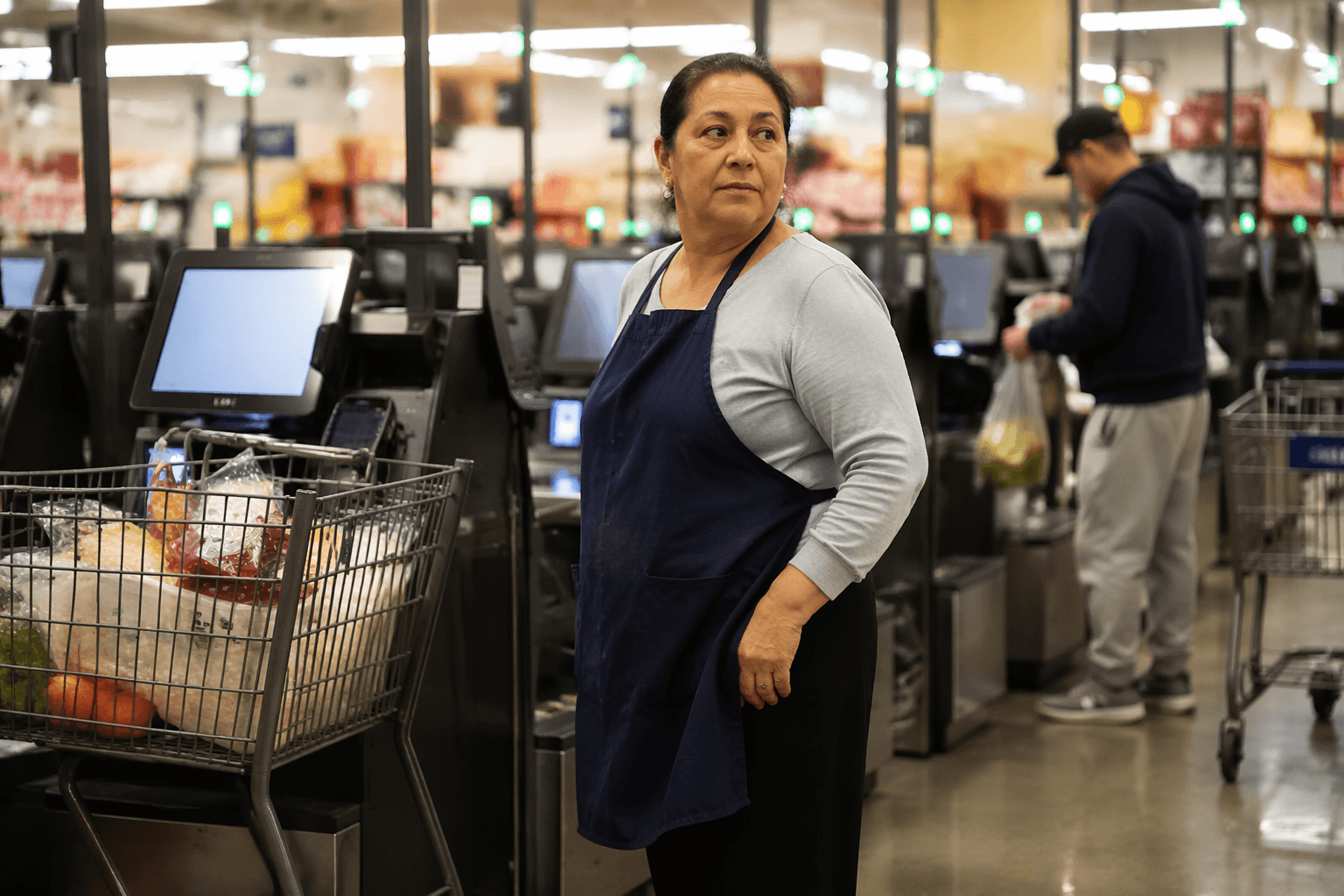
For Walmart employees the inquiry spotlights two distinct risk areas. One is talent availability for corporate and technical roles that rely on skilled foreign workers. Higher visa fees and tighter rules could increase hiring costs for technology, logistics and other specialized teams, and lengthen recruitment timelines. The second area is the hourly and frontline workforce that depends on steady supply chains. Disruptions in trucking and farm labor from immigration enforcement can translate into inventory shortages, longer shifts for store workers and added pressure on distribution center staff.

Investor scrutiny of immigration policy effects reflects a broader shift in how shareholders evaluate workforce resiliency and supply chain vulnerabilities. For company managers the letters create a public accountability test, while for employees the outcome could influence hiring practices, workplace stability and the pace of automation or contract restructuring as firms adapt to regulatory change.
How Walmart and the other companies respond will determine whether these issues move from shareholder requests into binding votes and public corporate commitments. Employees and managers will be watching whether disclosures lead to operational changes, additional costs or new strategies to protect hiring and supply continuity.
This article was produced by Prism’s automated news system from verified source data, official records, and press releases, then run through automated quality and moderation checks before publishing. The system is built and supervised by the people who set the standards it runs under. Read our full AI policy.
Did this article answer your question?