Viral Walmart food waste video sparks outrage over discarded edible goods
A Walmart food-waste video estimated at $200,000 drew more than 28,000 likes, with the store citing a temperature-gauge issue and a taped-off cold area.
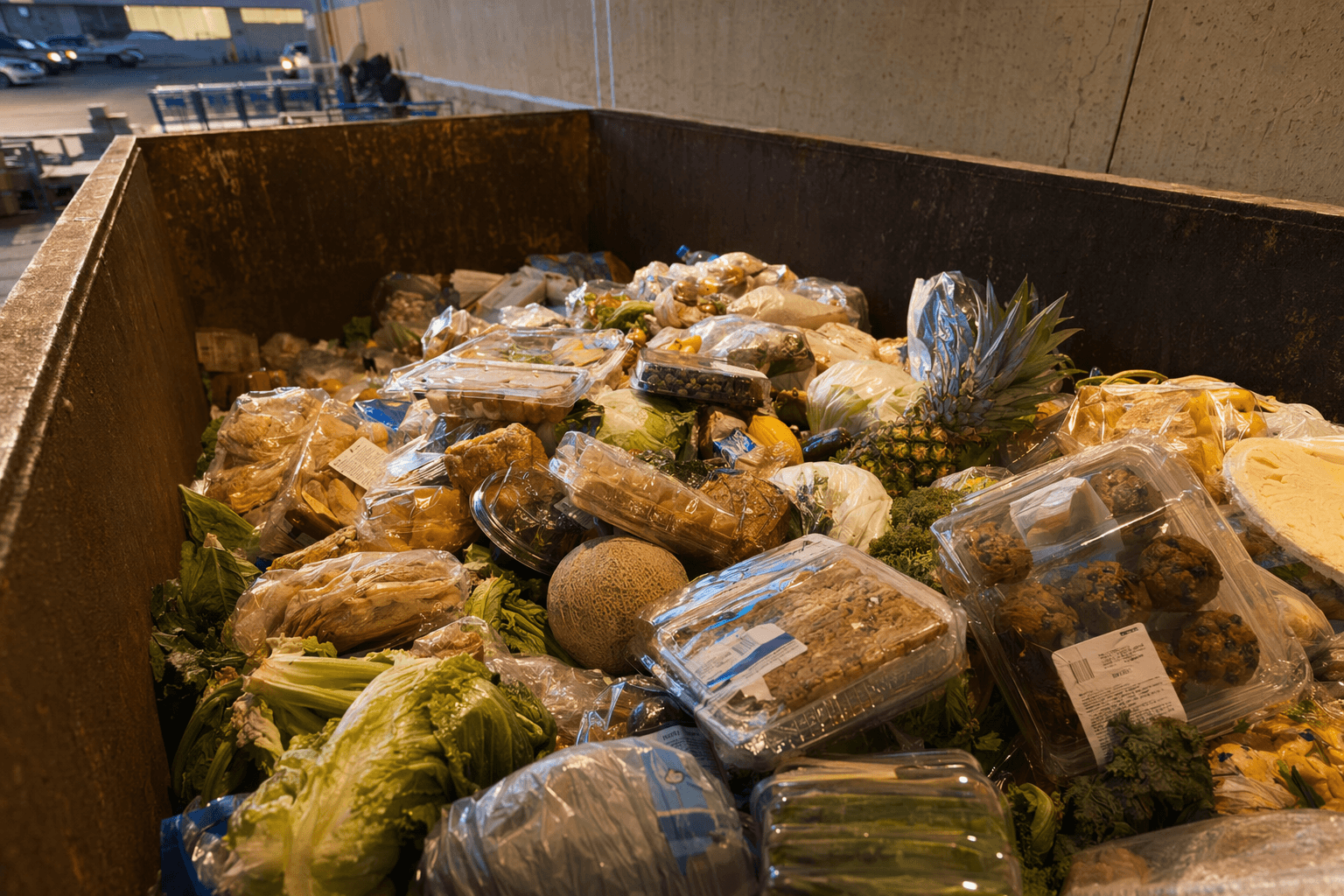
A viral clip showing Walmart workers tossing carts full of edible food, with an estimated value of about $200,000, set off a fresh fight over waste, hunger and what store associates can actually do when a refrigerated area fails. The video drew more than 28,000 likes as critics blasted the discard as proof of how much food is destroyed before it can help shoppers or communities in need.
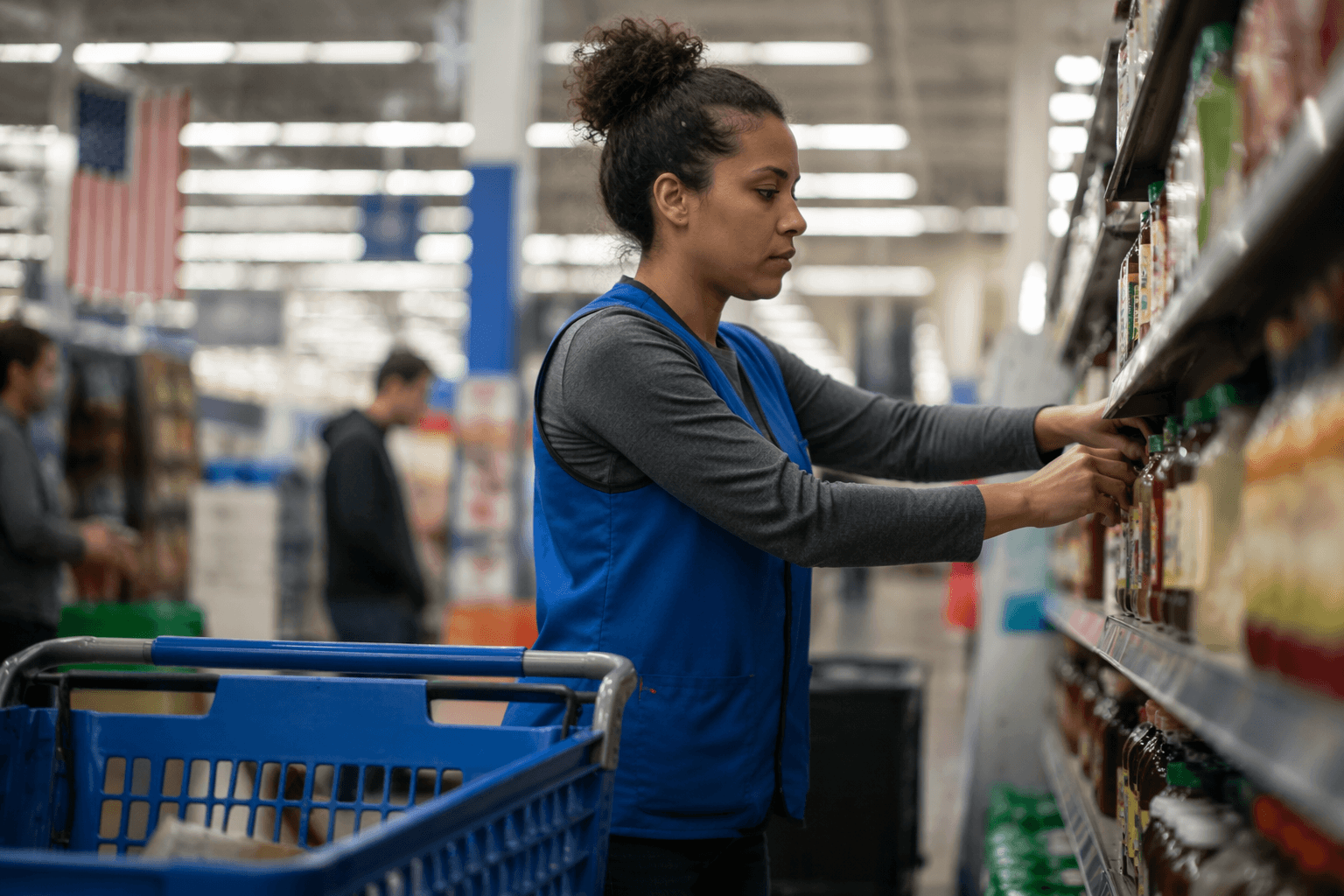
The store at the center of the clip cited a temperature-gauge problem, and the refrigerated and frozen area was blocked off with caution tape. That detail matters for hourly associates on the floor and in the backroom: once a cold case is flagged, food safety rules can shut down sales and force product out of the selling process even when the items still look edible. What seems, from the outside, like a simple handoff to customers or a food pantry is often treated as a hold for safety review, not a salvage opportunity.
Walmart says its U.S. food donation program has operated since 2006, and that food banks and agencies pick up food that cannot be sold from Walmart facilities. Walmart.org says stores, Sam’s Clubs and distribution centers have donated more than 7.5 billion pounds of food to local Feeding America food banks since then. The company also said charitable giving, primarily food, exceeded $2 billion in cash and in-kind donations in FY2025.
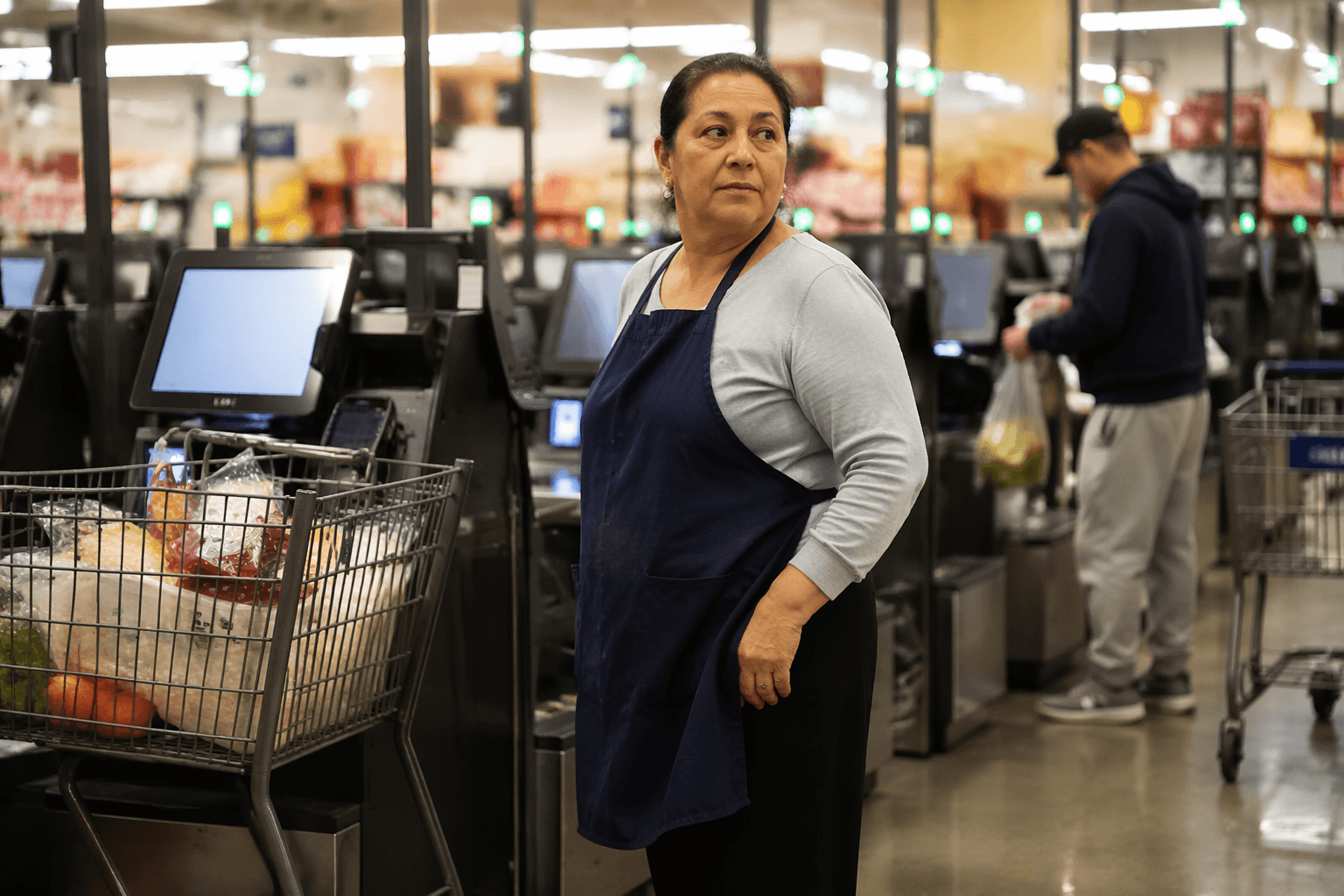
That context helps explain why viral waste videos hit such a nerve. USDA Economic Research Service said 13.7% of U.S. households were food insecure in 2024, while Feeding America’s Map the Meal Gap says every county and congressional district in the country has people facing hunger. ReFED says nearly one-third of U.S. food is lost or wasted, a scale that makes retail discard practices feel personal to workers who see full cases, dated product and damaged inventory move through store-level routines every day.
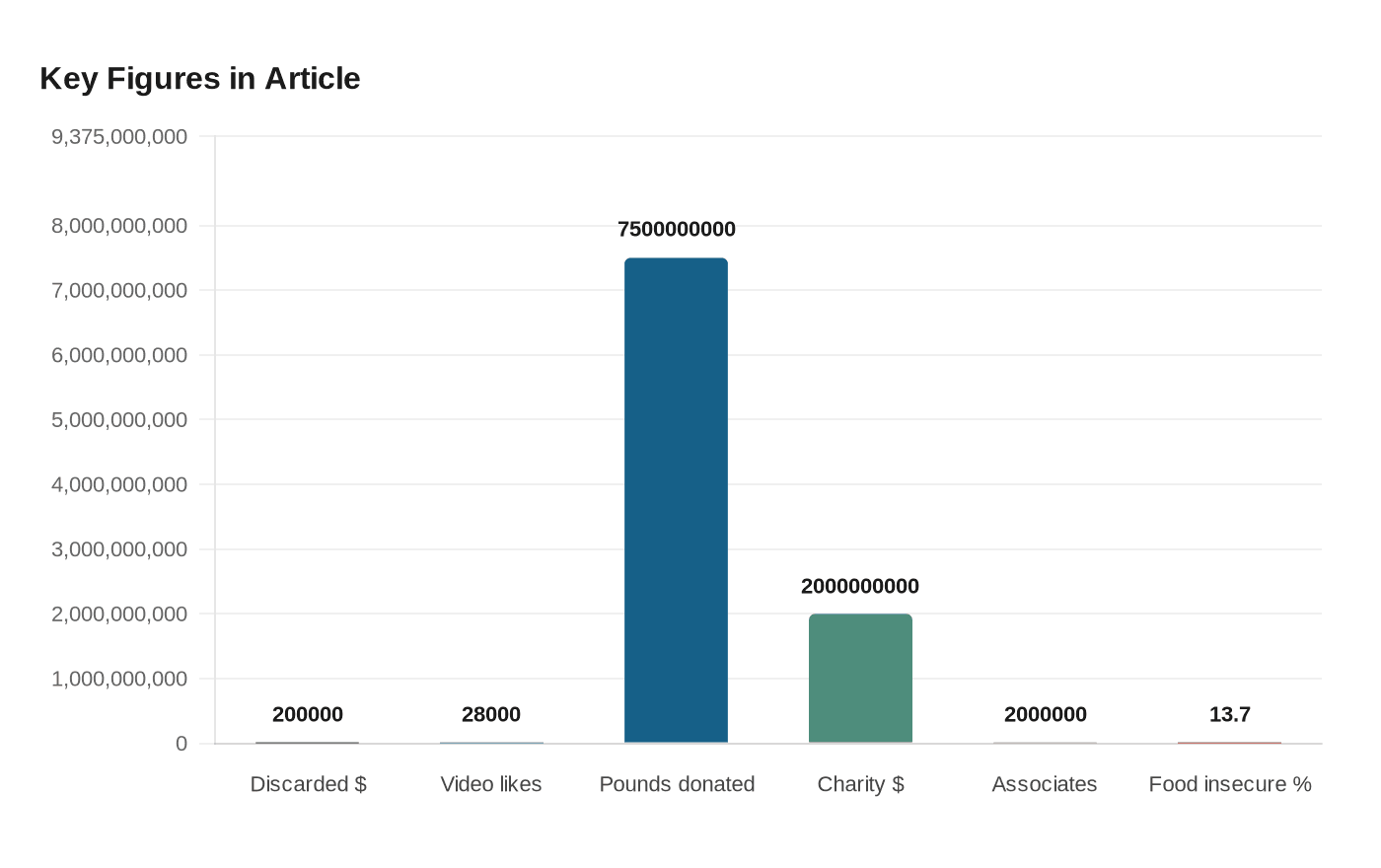
For Walmart associates, the bigger takeaway is operational, not symbolic. Food that cannot be sold is not simply free to hand out from the sales floor; it moves through donation channels, food-safety holds and pickup systems that are built to keep stores compliant. In a company with more than 2 million associates, that gap between public outrage and store rules is where most of the real decisions get made.
This article was produced by Prism’s automated news system from verified source data, official records, and press releases, then run through automated quality and moderation checks before publishing. The system is built and supervised by the people who set the standards it runs under. Read our full AI policy.
Did this article answer your question?