Walmart and Amazon race to speed rural deliveries
Rural Walmart stores were pulled deeper into the delivery race as 90% of Americans lived within 10 miles of a store, making small-town locations key fulfillment nodes.

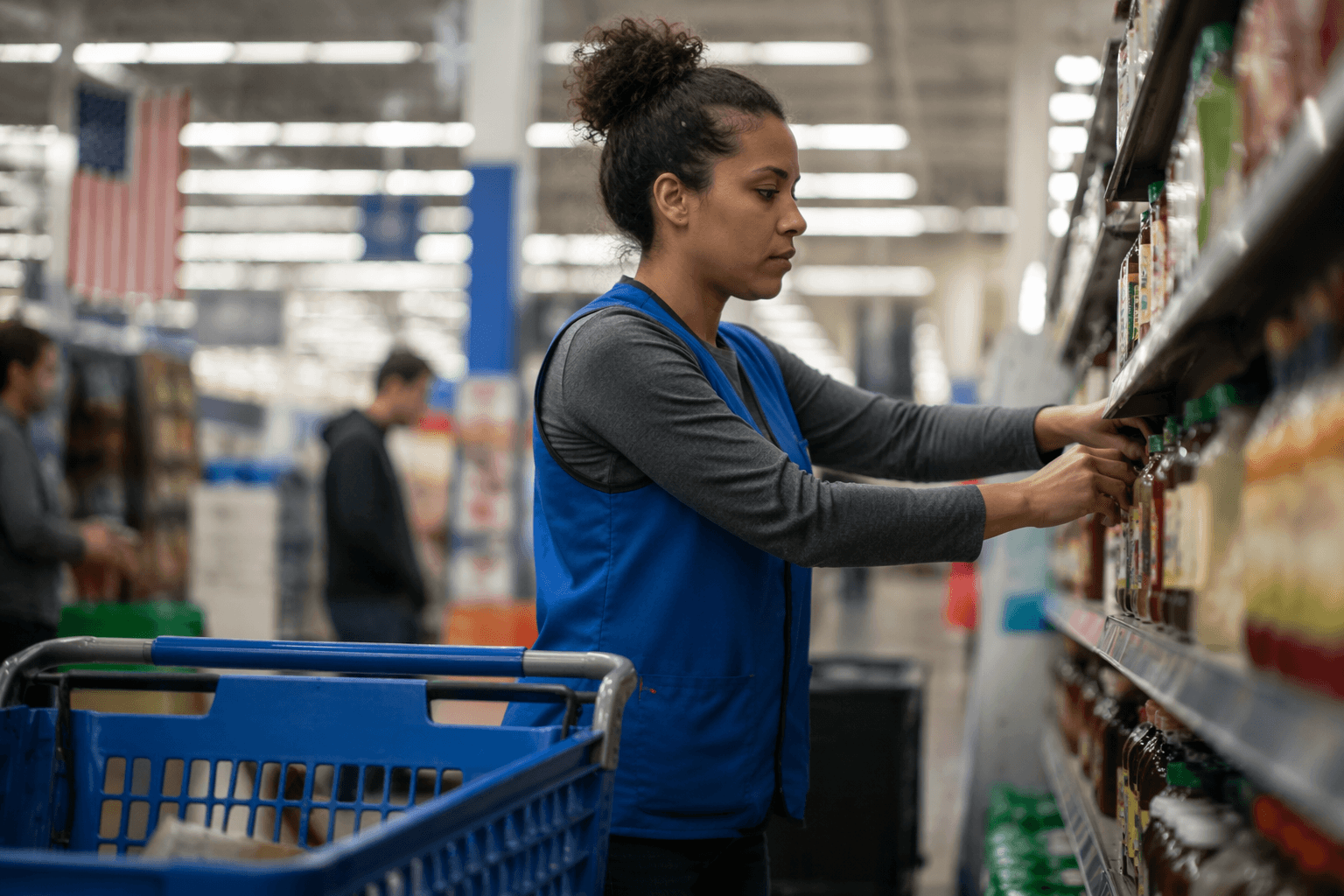
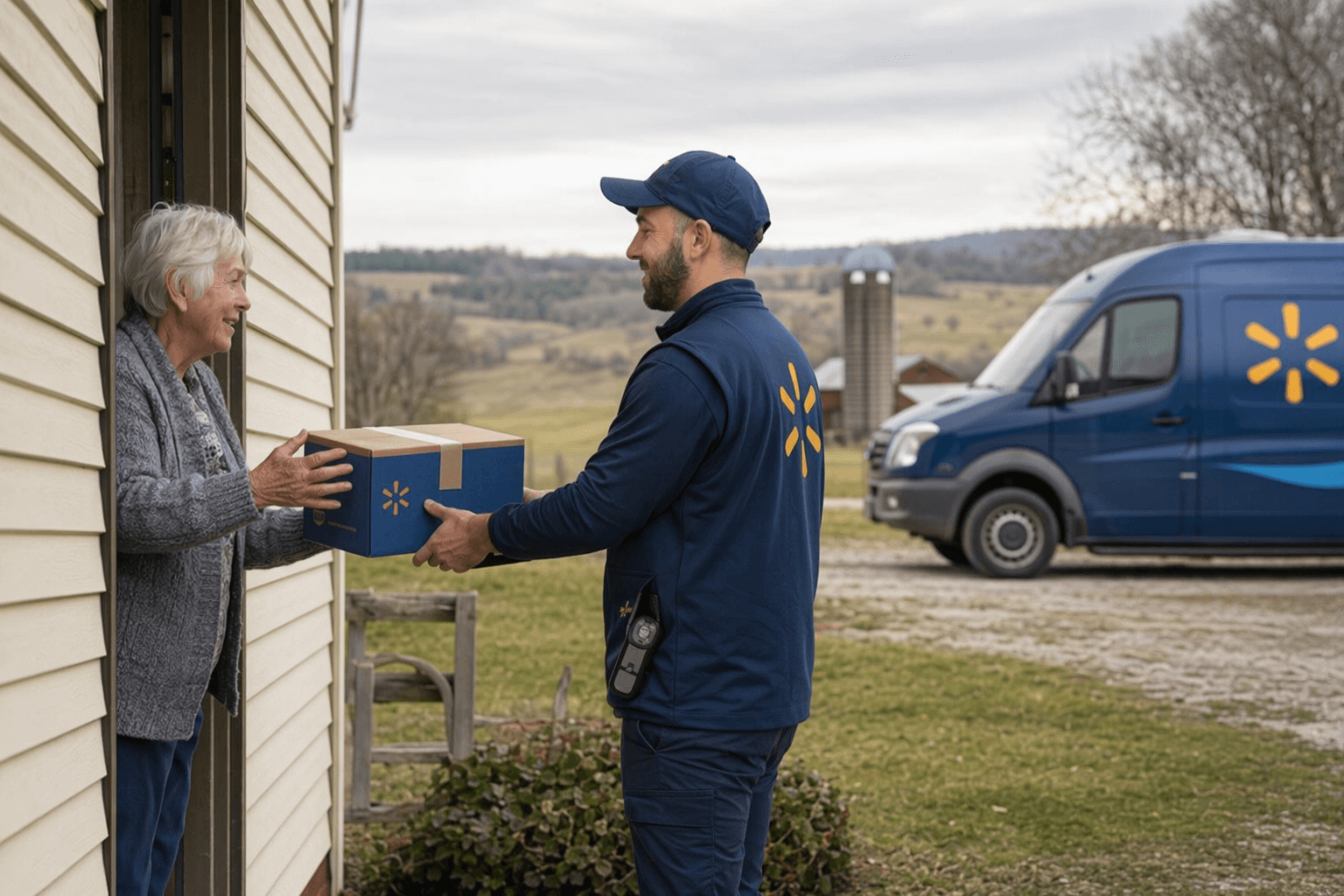
Walmart’s rural store base became a bigger battleground in the race for speedier deliveries, and that had direct consequences for the hourly workers who keep those stores moving. With about 90% of U.S. residents living within 10 miles of a Walmart and roughly 45% of its full-service Supercenters located in towns with fewer than 20,000 people, the company’s brick-and-mortar footprint doubled as a delivery network in places where online demand had to be fulfilled from the store floor.
That mattered most in smaller markets, where one Supercenter often served as both the town’s main retail hub and the staging ground for digital orders. Faster delivery promises meant more same-day pickup requests, tighter order deadlines and more pressure to keep shelf inventory aligned with what customers ordered online. When a rural store had to serve a wide area, a late stock count or a missed item on the shelf could ripple into substitutions, delayed pickups and extra work in the backroom.
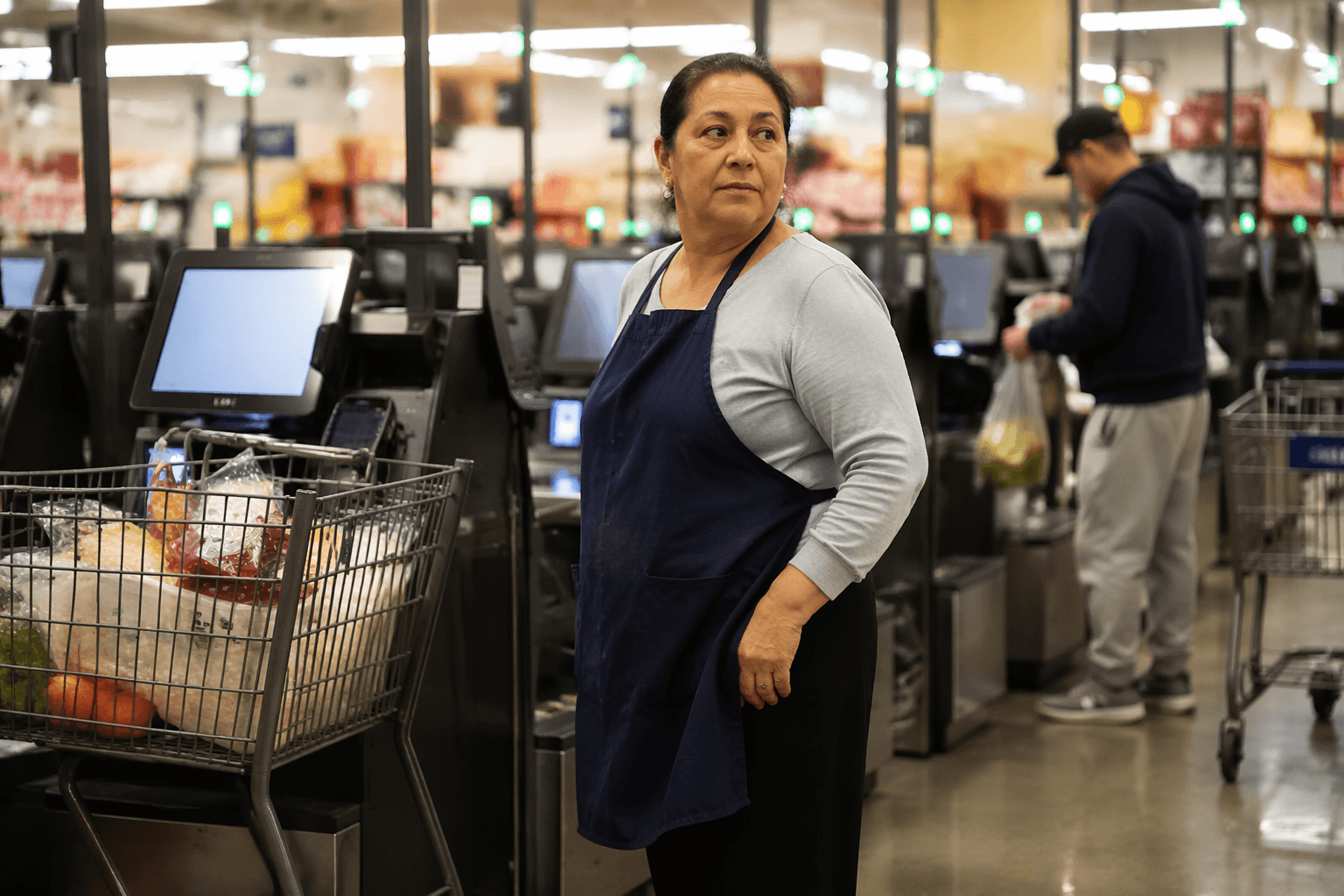
For associates, the strain showed up in the details of the job. Pickup staging had to move faster. Substitution decisions had to be made with more care. Backroom accuracy mattered more because a store that looked full to shoppers still had to support digital orders that depended on exact counts. In rural locations, where staffing is often leaner and the store is already the region’s retail anchor, those demands could turn into a steadier pace and less room for error.
For department managers and assistant managers, the shift pointed to different labor planning priorities. The race for rural customers meant more emphasis on in-stock conditions, more coordination between the sales floor and online demand, and more attention to whether the store could keep its delivery promises without letting the traditional big-box operation slip. Walmart’s advantage in small towns was not just that the stores were nearby. It was that the company could use those stores to promise faster service, and that promise landed on the people stocking, picking and staging the orders.
This article was produced by Prism’s automated news system from verified source data, official records, and press releases, then run through automated quality and moderation checks before publishing. The system is built and supervised by the people who set the standards it runs under. Read our full AI policy.
Did this article answer your question?