Walmart and Amazon's Divergent AI Strategies Will Reshape Retail Jobs
HRExecutive's February 24, 2026 analysis says Amazon is pushing aggressive automation while Walmart is taking a more measured AI path - a split that will change schedules, staffing, and jobs at the frontline.
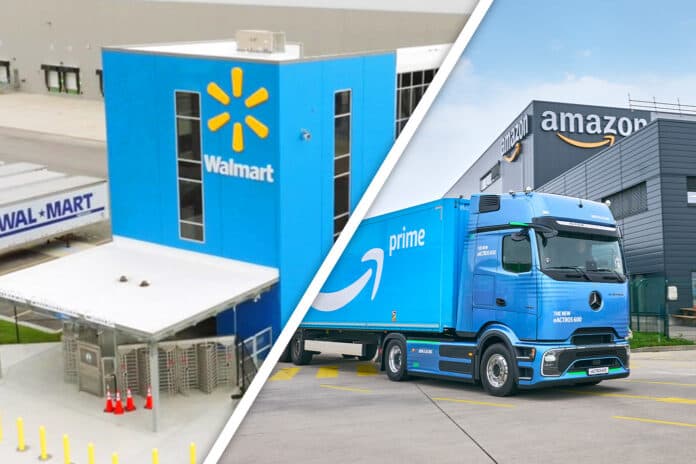
A February 24, 2026 HRExecutive analysis laid out a clear divergence between Amazon and Walmart in how each company is deploying AI and workforce-planning tools, and it tied those strategic differences to concrete effects for frontline workers. The piece framed Amazon as pursuing an aggressive automation play and Walmart as choosing a more measured approach to AI integration, a split that will shape store schedules, fulfillment staffing, and the kinds of tasks associates perform.
HRExecutive described Amazon's posture as aggressive in automation, using workforce-planning software and algorithmic decision tools to accelerate task consolidation in fulfillment centers and warehouses. The analysis connected that posture to faster changes in headcount mixes and to tighter, system-driven scheduling: when planning and task-allocation move into automated tools, the analysis said, the pace of role redefinition accelerates. For employees at Amazon fulfillment sites, the implication in the HRExecutive piece was less lead time for retraining and more immediate shifts in what a shift looks like.
By contrast, the HRExecutive analysis portrayed Walmart as taking a more cautious line on AI and workforce-planning tools. Walmart’s approach was characterized as focusing on augmentation and incremental adoption, prioritizing human oversight in scheduling and task assignment. The analysis suggested that Walmart’s more measured deployment would produce slower churn in frontline roles and give store managers more latitude in staffing decisions compared with the centralized algorithmic models HRExecutive attributed to Amazon.

The HRExecutive piece spelled out where workers would feel the difference day to day: who controls schedules, how quickly new software changes what jobs require, and how workforce-planning tools affect hiring volumes in stores versus distribution centers. The analysis warned that aggressive automation strategies compress timelines for workforce adjustment, while measured strategies spread the impact over longer periods, changing the timing of training and internal mobility opportunities.
For managers and hourly associates at both companies, HRExecutive’s February 24, 2026 comparison means the next 12 to 24 months will not be uniform across retail. Where Amazon’s aggressive automation promises rapid operational change, Walmart’s cautious path promises steadier transitions. The analysis concluded that those divergent choices will determine whether AI primarily substitutes labor or augments it, and that outcome will reshape which retail jobs grow, which shrink, and how quickly workers must adapt.
This article was produced by Prism’s automated news system from verified source data, official records, and press releases, then run through automated quality and moderation checks before publishing. The system is built and supervised by the people who set the standards it runs under. Read our full AI policy.
Did this article answer your question?