Walmart associates pull Great Value honey-roasted cashews over undeclared allergens
Walmart pulled Great Value honey-roasted cashews after an FDA alert that some packages may contain undeclared milk or coconut, creating allergen risks and extra in-store work for associates.
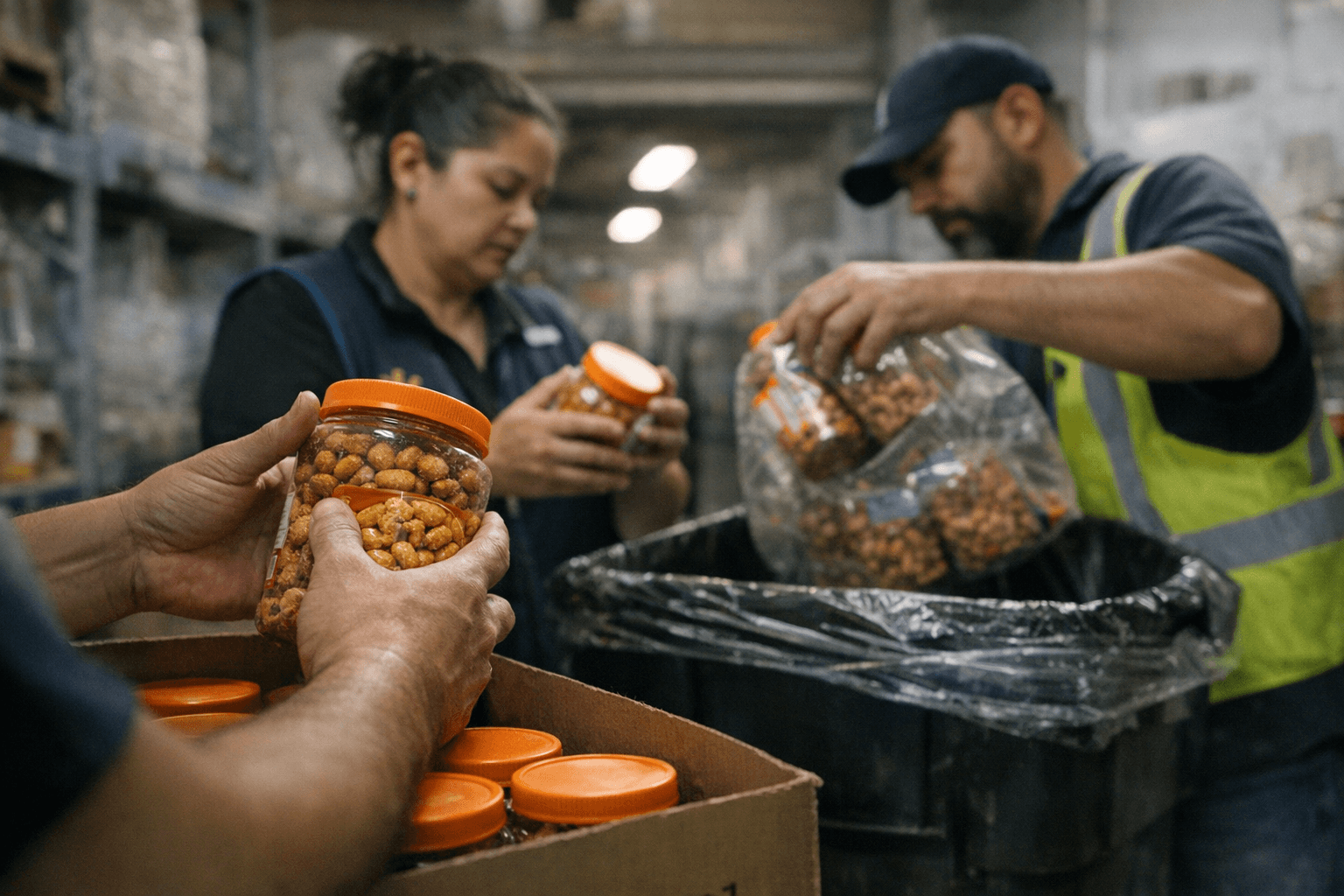
Walmart stores removed Great Value honey-roasted cashews from shelves after an FDA alert and a company recall notice flagged potential undeclared allergens - milk and/or coconut - in some packages. The recall was first circulated widely in consumer outlets on January 21, 2026, and included UPC codes and "best by" identifiers for affected lots, plus instructions for customers not to eat the product and to return it to stores for refunds.
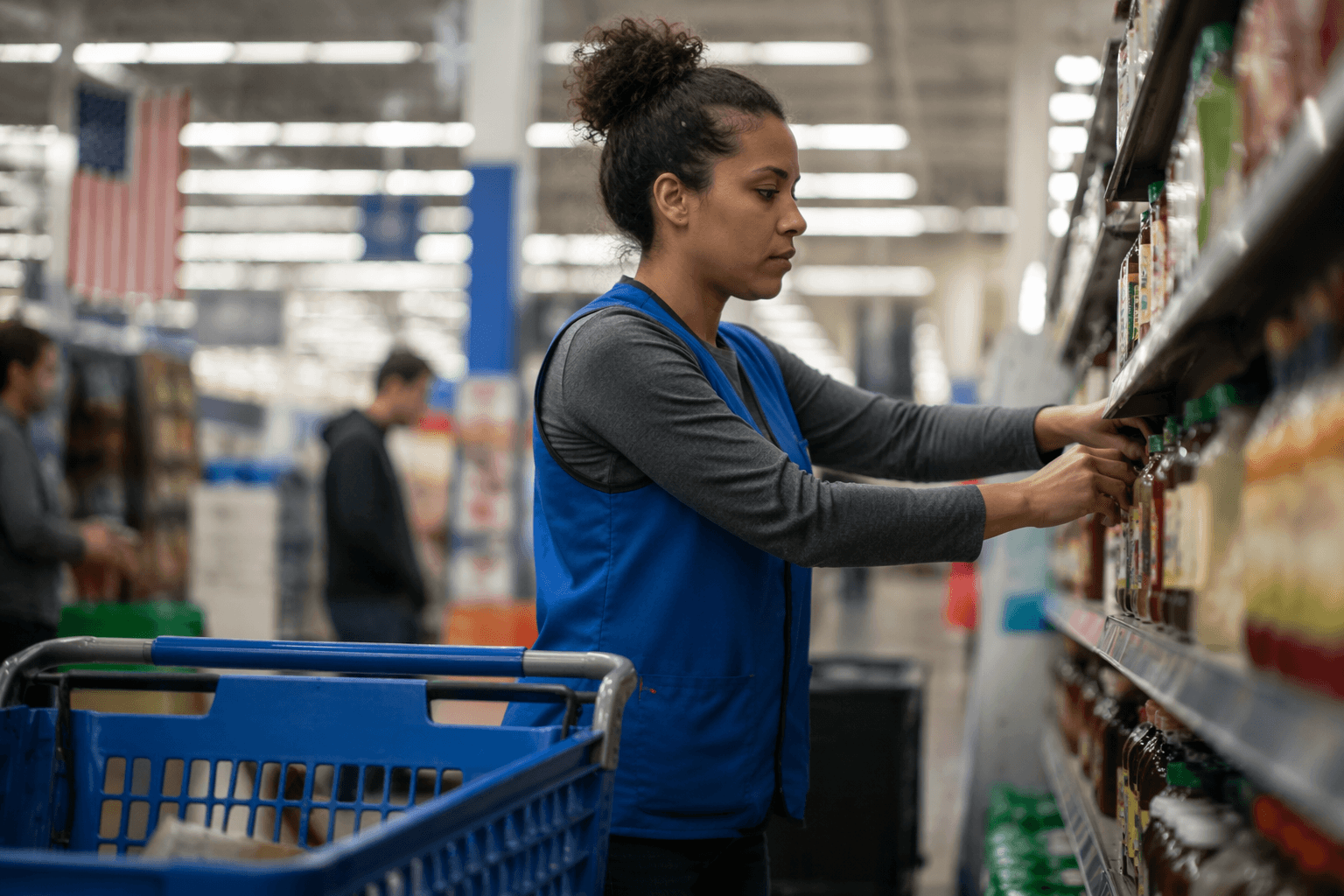
Store teams were responsible for the hands-on work of the recall. Associates in the front end and on the sales floor pulled cases from shelves, placed recall signage, isolated recalled inventory in stockrooms, and handled customer returns. That operational burden arrived during regular shifts for many hourly workers, adding time-consuming tasks to already full schedules. Managers had to reassign crews, update inventory records, and ensure returned items were processed for refund according to company policy.
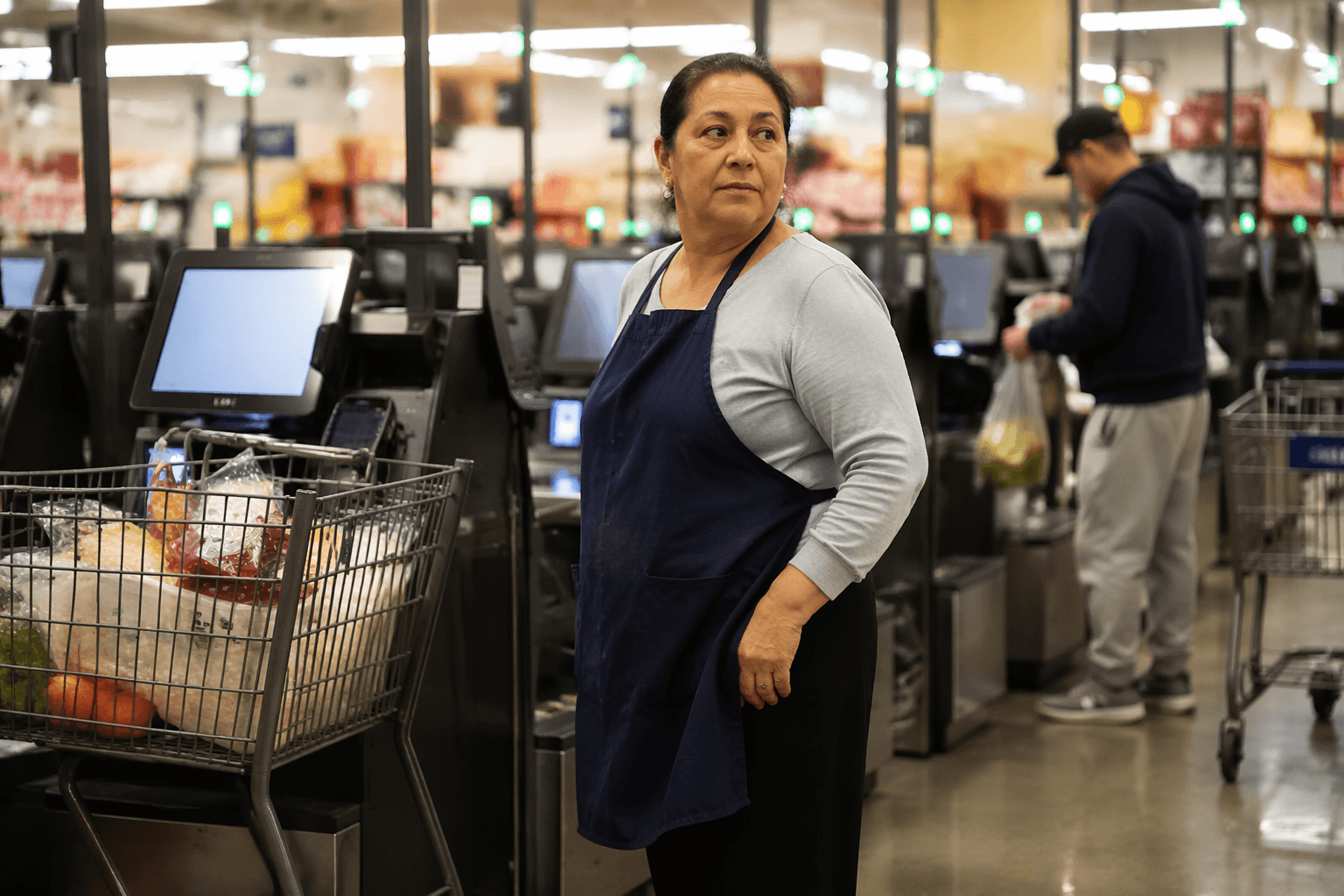
For associates, the recall poses both practical and safety concerns. Employees with severe food allergies rely on accurate labeling; working directly with recalled product increases the importance of strict handling procedures and clear communication from management. Associates who field customer questions must be prepared to identify affected UPCs and best-by codes, explain refund options, and calm anxious shoppers, all while maintaining checkout flow and other store responsibilities.
The recall also has logistics implications across stores. Backroom space must be cleared to segregate recalled stock, and merchandising teams must resequence displays to avoid gaps. Depending on how widespread the affected lots were, some locations could face temporary out-of-stock issues for Great Value cashew product lines, prompting price checks and substitution guidance at registers. Shift supervisors and general managers typically document the pull, submit disposition reports, and coordinate with regional leadership to confirm completion of recall steps.
Corporate recall notices and FDA alerts include specific lot identifiers so stores can target only affected product. Consumers are advised not to consume packages that match the listed UPCs and best-by dates and to return them for a refund. For associates, the recall underscores the value of routine training on recall protocols, clear signage procedures, and quick access to up-to-date lot information from store leadership.
As stores complete pulls and process returns, workers will likely continue to manage customer inquiries and inventory adjustments related to the recall. For hourly associates and managers, the immediate priorities remain safety, accurate removal of affected product, and minimizing service disruption while following the recall checklist provided by company leadership.
This article was produced by Prism’s automated news system from verified source data, official records, and press releases, then run through automated quality and moderation checks before publishing. The system is built and supervised by the people who set the standards it runs under. Read our full AI policy.
Did this article answer your question?