Walmart beats revenue estimates, cuts full-year EPS outlook on fuel costs
Walmart’s sales beat the quarter, but higher fuel costs forced it to trim full-year EPS guidance, a warning that can tighten labor and investment pressure in stores and warehouses.
Walmart posted a quarter that looked strong on the surface and then sent a more cautious signal about the months ahead: revenue rose to $177.8 billion, up 7.3%, but the company lowered its full-year adjusted EPS outlook to $2.75 to $2.85 after saying higher fuel costs in distribution and fulfillment cut operating income by 250 basis points. For hourly workers and managers, that kind of guidance shift usually matters more than the headline beat because it can translate into tighter control over labor hours, scheduling, freight and store-level spending even when sales are still growing.
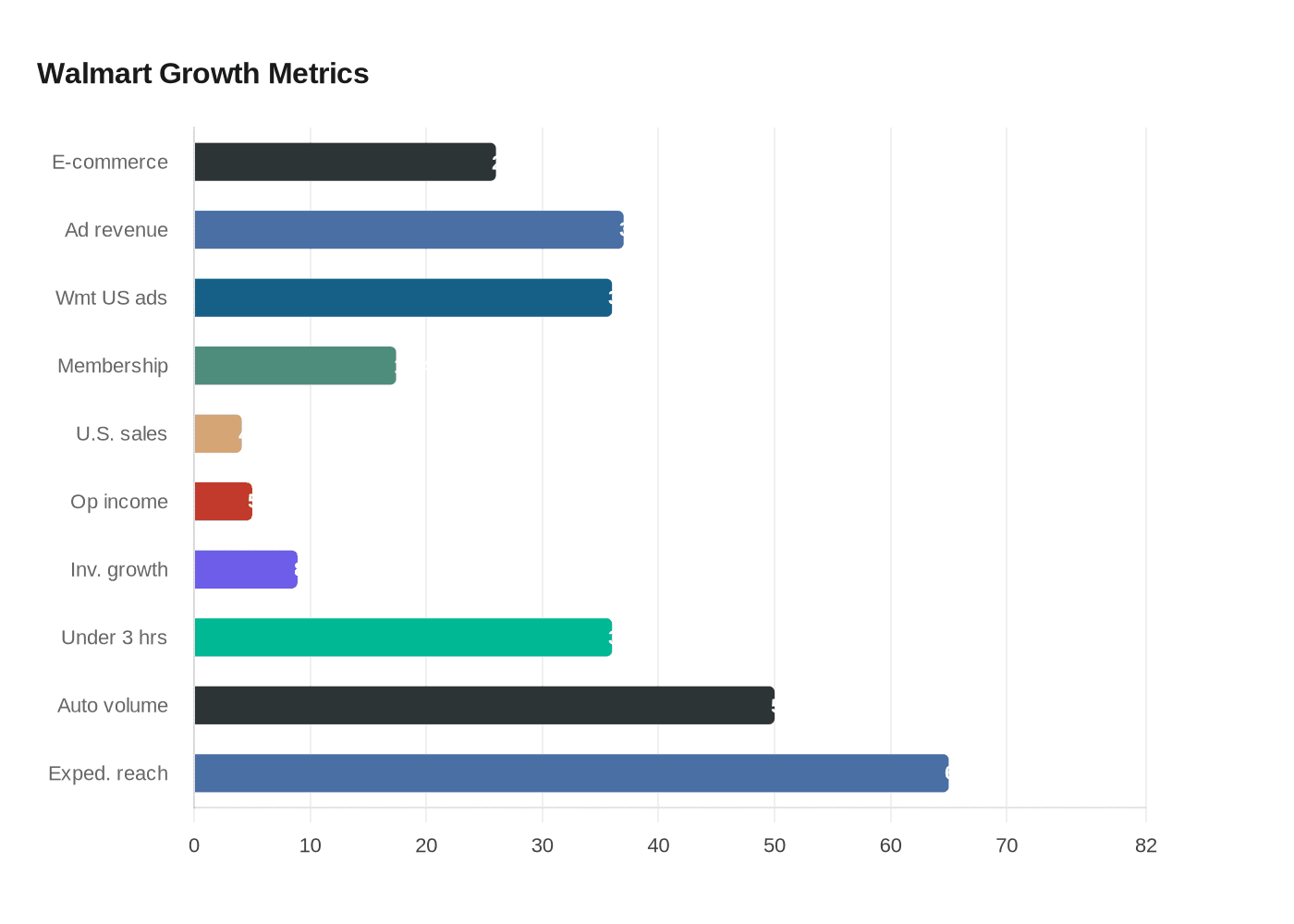
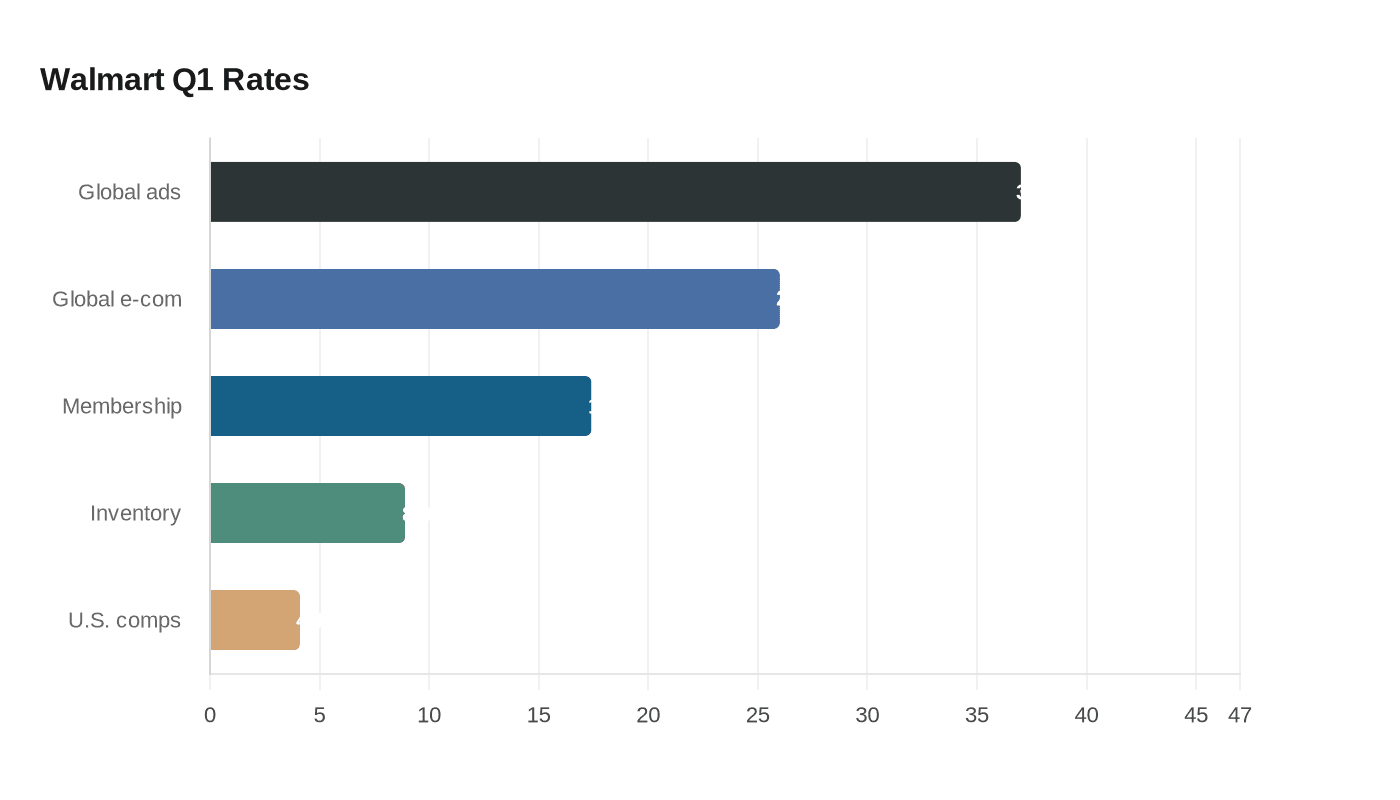
The first quarter, ended May 1, 2026, still showed strong demand across grocery, general merchandise, marketplace and advertising. Adjusted EPS came in at $0.66, matching expectations, while GAAP EPS was $0.67. U.S. comparable sales rose 4.1% excluding fuel, global e-commerce grew 26%, global advertising revenue climbed 37%, Walmart U.S. advertising rose 36%, and membership fee revenue increased 17.4% globally. Walmart said operating income rose 5.0%, or 5.1% adjusted in constant currency, even as inventory climbed 8.9% year over year, a sign the company is still carrying more goods through the system.
The bigger workplace signal is in how Walmart is trying to protect growth while absorbing cost pressure. Store-fulfilled delivery has more than doubled over the past two years, and more than 36% of those orders were delivered in under three hours in the quarter. About 50% of e-commerce fulfillment center volume in Walmart U.S. is now automated, and expedited delivery reaches 65% of U.S. households through Sam’s Club’s network. That points to a company leaning harder on speed, automation and throughput, which can mean more emphasis on productivity targets, fewer slack hours on the floor, and more scrutiny on how each department handles picks, backroom flow and customer waits.
The market heard the caution immediately. CNBC reported Walmart shares fell about 8% in morning trading after the company set second-quarter adjusted EPS guidance at $0.72 to $0.74 and net sales growth at 4% to 5%, both below some Street expectations. Finance chief John David Rainey said higher tax refunds had muted the effect of elevated fuel prices in the first quarter, but that consumers could feel more pressure in the second quarter as those refunds fade. Walmart said its overall fiscal 2027 outlook remains unchanged, but the trimmed earnings range suggests a year in which sales can still rise while managers are asked to do more with less.
Know something we missed? Have a correction or additional information?
Submit a Tip