Walmart CEO meets Modi, touts India as fast-growing sourcing hub
Walmart said it has sourced more than $40 billion from India, a scale that could shape what shows up in stores and how hard buyers push suppliers on price.
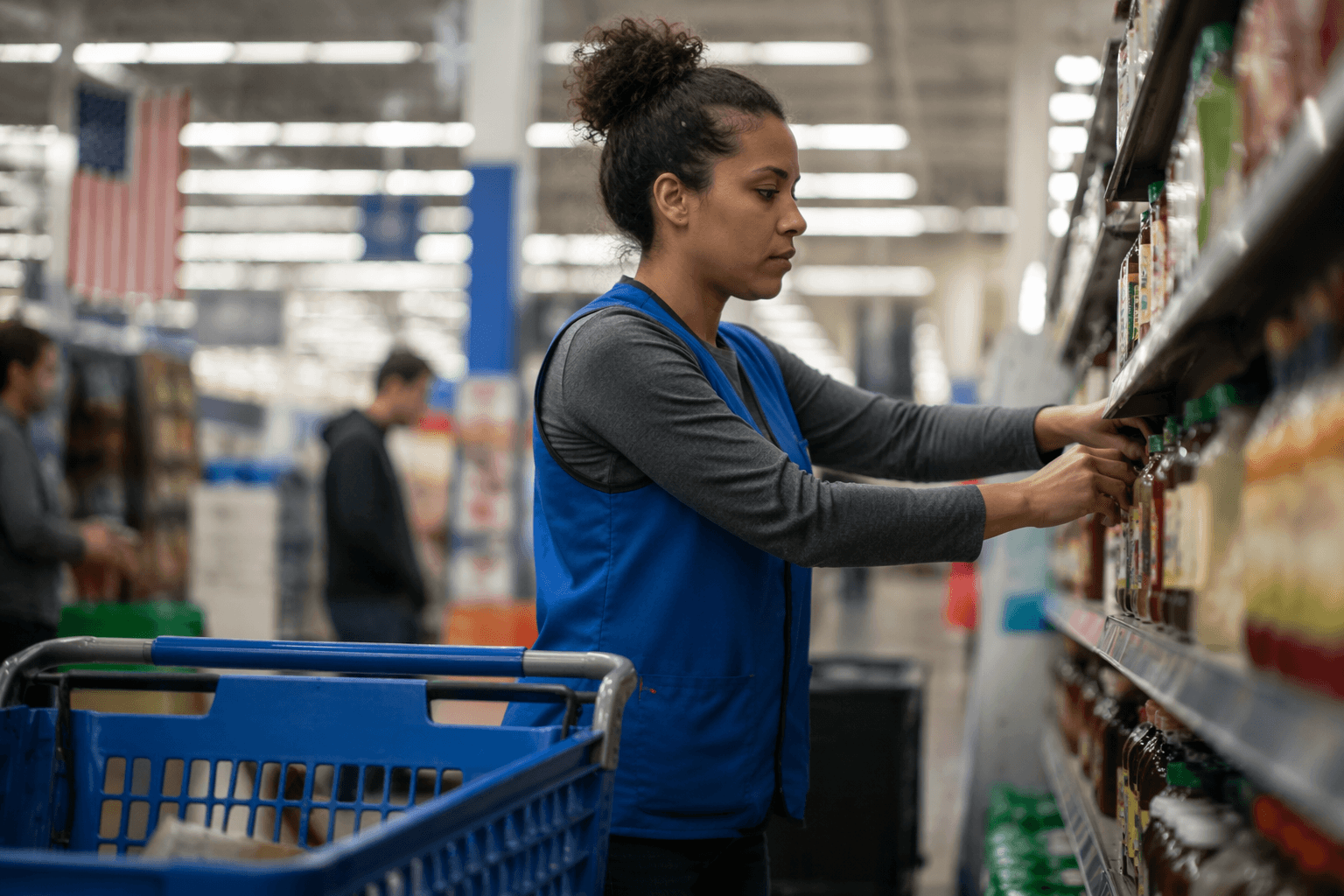
Walmart said it has now sourced more than $40 billion in goods from India, a milestone that matters far beyond Bengaluru boardrooms. For hourly associates on the sales floor, the immediate question is less about diplomacy and more about what this pipeline means for the shelves: which categories get more emphasis, how much cost pressure lands on suppliers, and whether faster sourcing from India changes inventory flow in a business that lives or dies by having the right product in the right store at the right time.
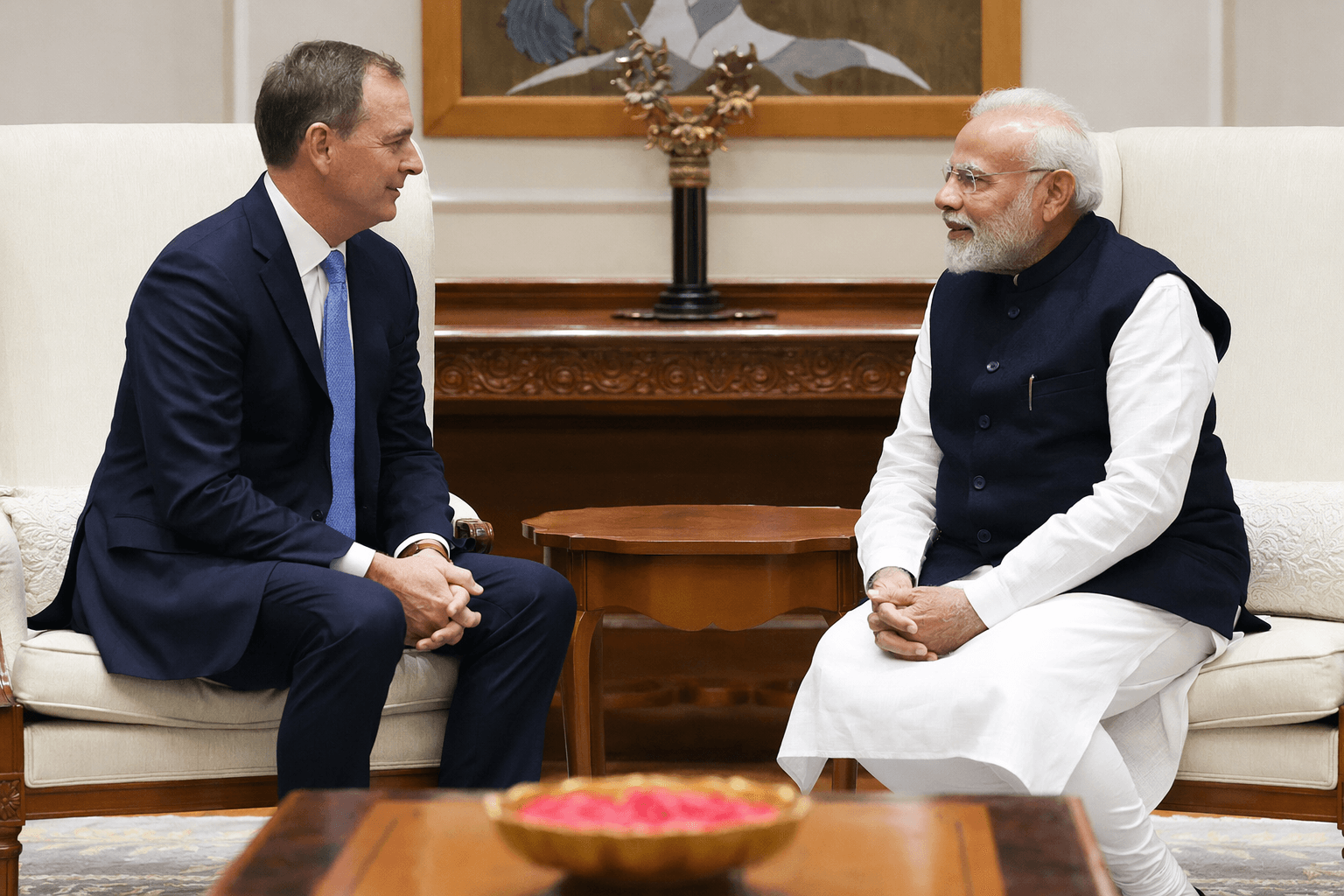
John Furner, in his first India trip since becoming Walmart CEO on February 1, met Prime Minister Narendra Modi on Thursday and used the trip to cast India as central to Walmart’s future supply chain. He called India “one of the most dynamic opportunities in global commerce today” and said Walmart has been sourcing from the country since the 1990s. The company also said India has become one of its fastest-growing sourcing hubs globally.
The practical retail takeaway is still evolving, but the direction is clear. Walmart is trying to deepen supplier capability, raise compliance and quality standards, and help more Indian manufacturers scale so they can export at Walmart volume. That is the kind of back-end move that can affect everything from product availability to the timing of seasonal orders, even if it never shows up on a store manager’s daily task list. Walmart also said its India sourcing push fits broader China Plus One diversification trends, a reminder that the company is spreading risk across suppliers, not just chasing lower costs.
Furner’s itinerary made the strategic bet visible. He visited Flipkart, PhonePe and Walmart Global Tech India in Bengaluru, and Walmart hosted the second edition of the Walmart Growth Summit - India 2026 at Bharat Mandapam in New Delhi, bringing together export-ready businesses, MSMEs, digital-first brands and supply chain partners. Walmart said its Vriddhi supplier development program has trained more than 115,000 MSMEs since 2019, building the kind of supplier base it wants to lean on more heavily.
The timing also matters for Walmart’s India footprint. The company acquired a 77% stake in Flipkart in a $16 billion deal in 2018, has previously set a $10 billion annual sourcing goal from India by 2027, and is now preparing for public listings involving Flipkart and PhonePe. In recent remarks in Bengaluru, Furner also signaled that quick commerce is becoming a global habit, with Flipkart Minutes expanding as consumers demand speed and convenience. For Walmart, India is no longer just a growth story on paper. It is increasingly part of how the company plans to stock, source and compete.
This article was produced by Prism’s automated news system from verified source data, official records, and press releases, then run through automated quality and moderation checks before publishing. The system is built and supervised by the people who set the standards it runs under. Read our full AI policy.
Did this article answer your question?