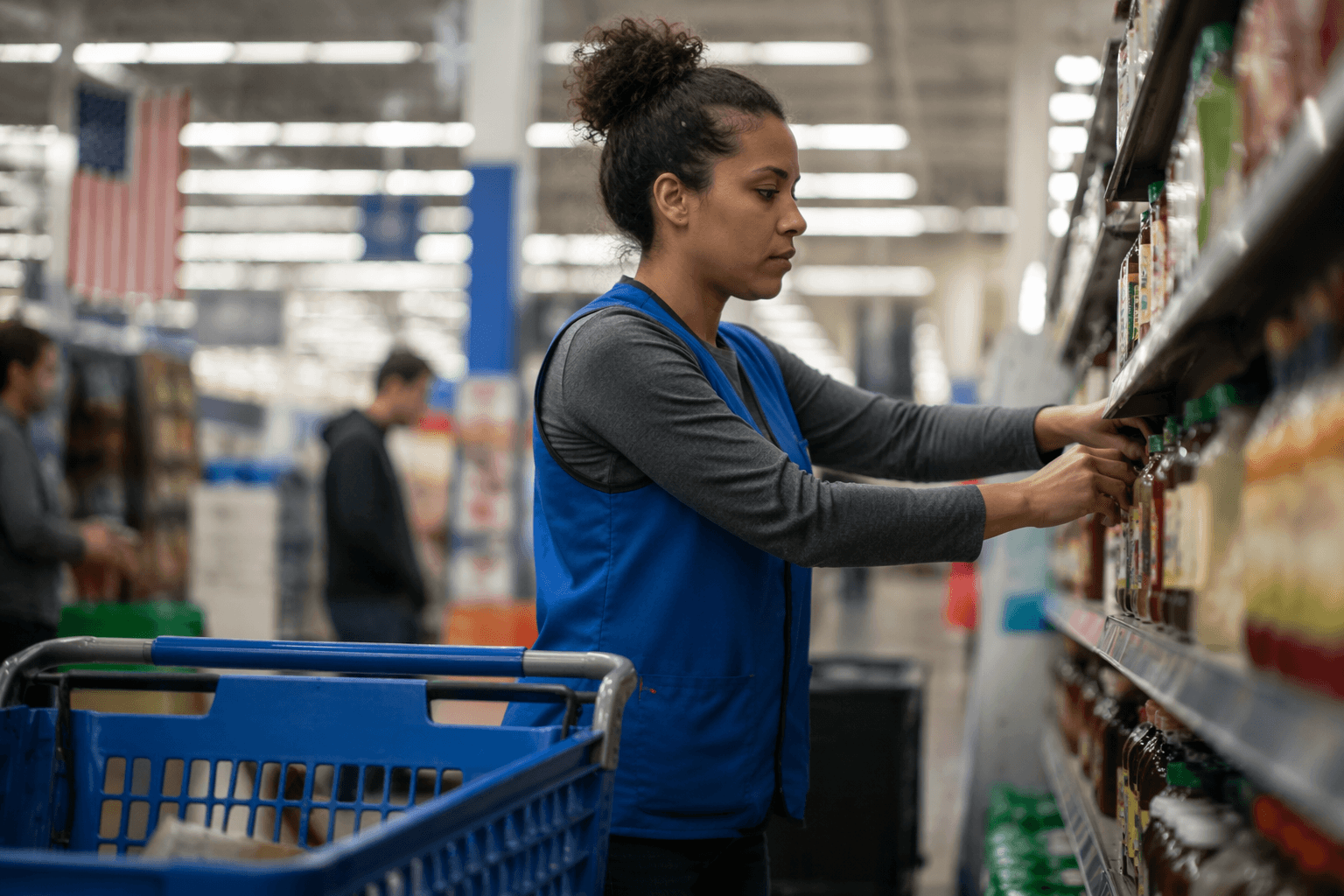
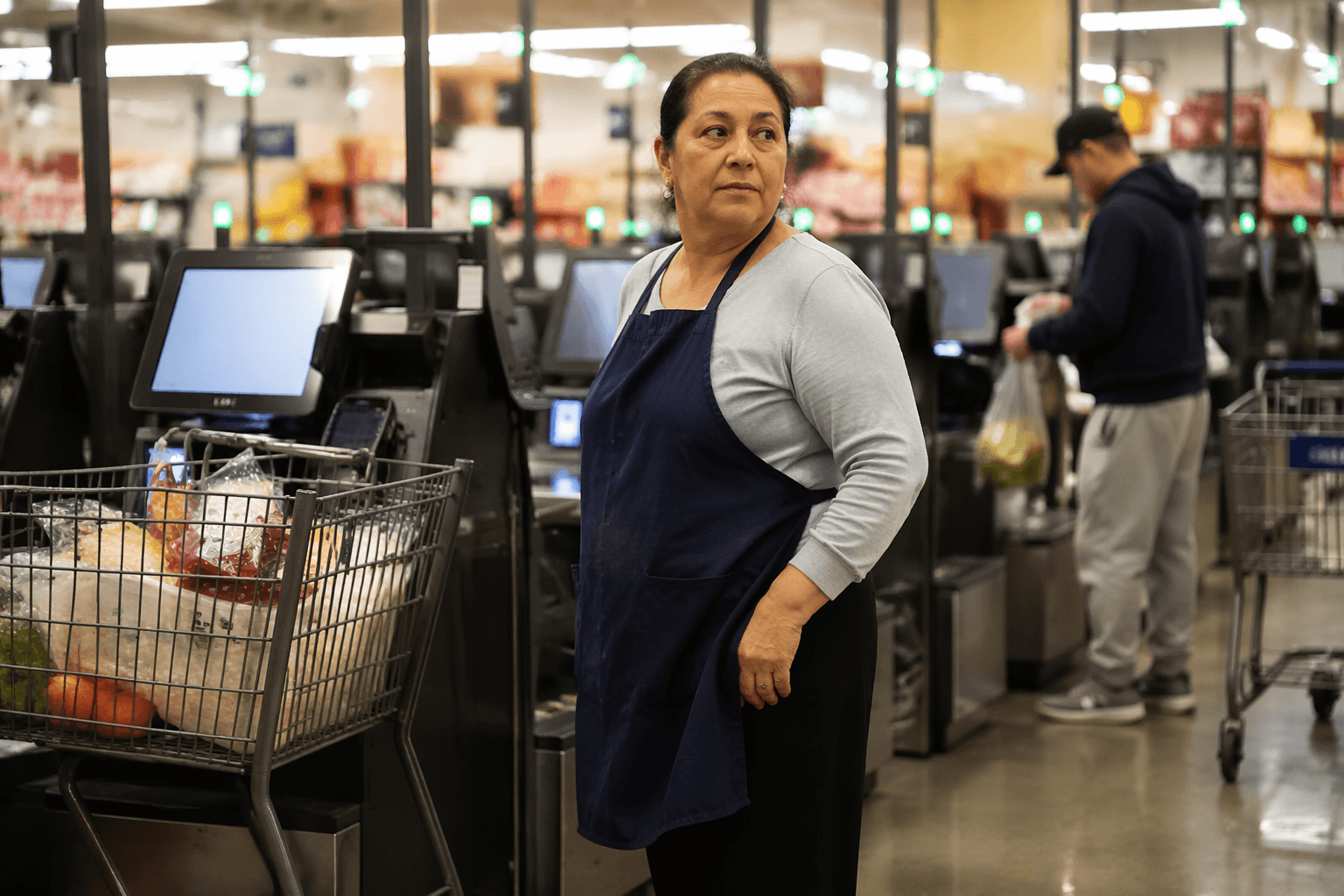
Walmart digital price tags spark shopper backlash and pricing concerns
Walmart’s shift to digital shelf labels is turning price checks into a frontline task, as shoppers use the app and workers absorb more questions about what an item costs.
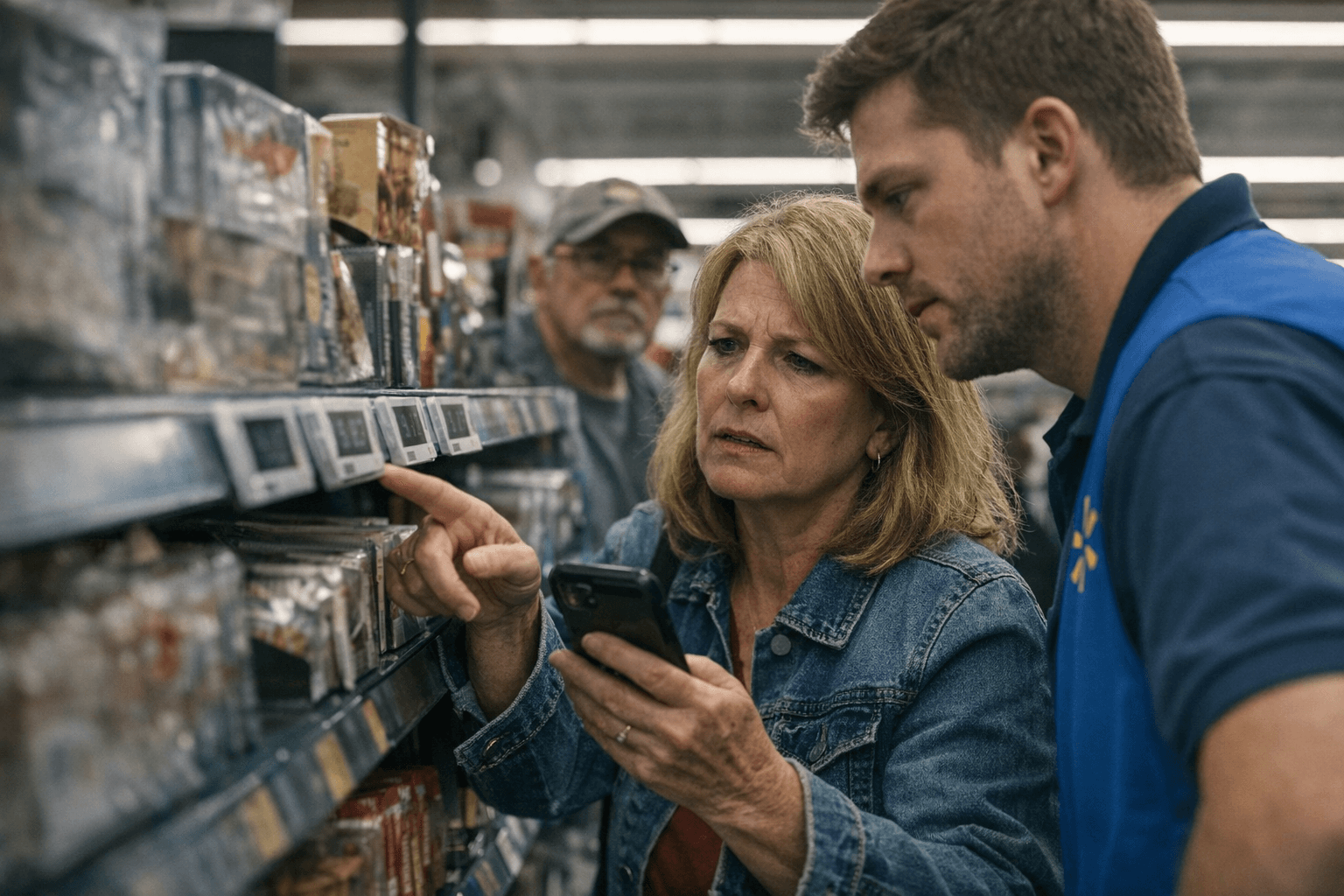
A viral video showing Walmart associates pulling price tags off new clothing shipments has turned a store-efficiency move into a customer-service headache. For workers on the floor, the change means more shoppers asking for price checks, more app questions at the register and fitting room, and more tension over whether the company is being fully transparent about what an item costs.
Walmart says the rollout is meant to help associates, not replace them. The company began expanding digital shelf labels in June 2024, with a target of about 2,300 U.S. stores by 2026, and said on March 4 that it planned to bring the labels to all U.S. stores within the next year. Walmart says the labels let associates update prices faster, reduce errors and eliminate paper labels. The company also says the system is closed, does not interact with shoppers or collect data, and keeps prices the same for all customers in a given store, with no variation based on demand, time of day or customer.
The labor angle is hard to miss. Walmart says the labels can also help with restocking and online order fulfillment by using a mobile app to trigger LED shelf lights, which ties the technology directly to daily store execution. The retailer is also pushing app-based price checking through its store app, where shoppers can scan items to see price, availability, reviews and more. That shifts part of the pricing conversation from the shelf tag to the handheld device, which can slow down conversations with customers who want a simple answer on the spot.
The backlash has grown beyond shopper frustration. More than 100 price transparency bills were introduced across 33 states and Washington, D.C. last year, and in February 2026 the United Food and Commercial Workers International Union launched a national campaign against what it calls surveillance pricing. Senators Jeff Merkley and Ben Ray Luján also introduced the Stop Price Gouging in Grocery Stores Act of 2026, which would ban dynamic pricing at grocery stores and bar electronic shelf labels in large grocery stores. Retail analysts and former Walmart executives say the distrust is understandable because the technology can change prices in minutes, even if Walmart says it is using the system for efficiency rather than surge pricing.
For associates, the practical impact is immediate. Every missing paper tag can become a conversation about transparency, accuracy and whether the price on the app matches the shelf, turning routine checkout and fitting-room interactions into another test of Walmart’s promise that digital pricing will be faster without feeling less fair.
This article was produced by Prism’s automated news system from verified source data, official records, and press releases, then run through automated quality and moderation checks before publishing. The system is built and supervised by the people who set the standards it runs under. Read our full AI policy.
Did this article answer your question?