Walmart EVP Daniel Danker Details AI Product Roadmap at ICR
Walmart EVP Daniel Danker outlined the company's AI product roadmap at the ICR investor conference, signaling broader deployment of AI tools across stores, supply chain and customer teams.

Walmart executive Daniel Danker, EVP of AI Acceleration, Product and Design, laid out the company’s AI product roadmap during a fireside chat at the ICR investor conference on Jan. 13, 2026. The session, held at 7:00 a.m. CT, focused on enterprise-level AI acceleration and product integration work that the company says will shape how digital tools and agentic systems are deployed across stores, supply chain operations and customer-facing teams. Webcast access was made available through Walmart’s corporate events page and a session transcript is slated to be posted after the event.
The presentation was framed as part of Walmart’s broader communications to investors and associates about scaling investments in AI, product and design across operations. Danker’s role ties product strategy directly to efforts to speed development and rollouts of tools intended to support frontline tasks, inventory management and customer interactions. The emphasis on product integration suggests the company will prioritize embedding AI capabilities into existing workflows rather than delivering isolated point solutions.
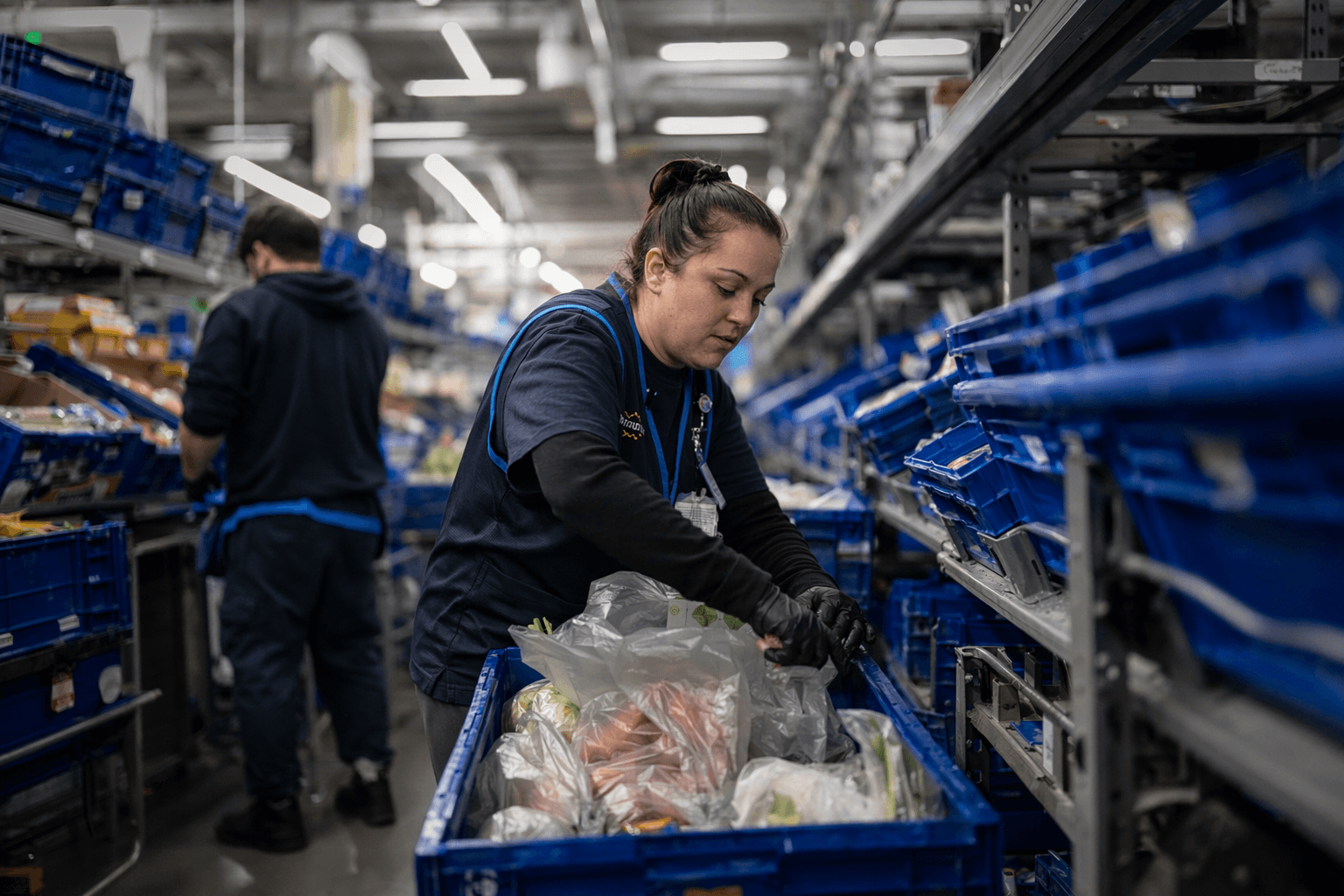
For associates this roadmap matters because it signals concrete plans to expand digital systems that touch daily work. Store teams can expect more software-driven support for replenishment, scheduling, price checks and customer service; supply chain staff may see increased automation and decision-support tools for routing, forecasting and inventory allocation; customer-facing roles are likely to interact with new AI-enhanced interfaces and agentic systems alongside existing retail technology. Those changes will affect how tasks are structured, who handles exception work, and what training managers will need to provide.
Operational impacts will hinge on rollout pace and how Walmart manages transitions. Integrating AI into store and supply chain systems typically involves pilot programs, cross-functional testing, and iterative design work with product teams. That process can bring efficiency gains and faster decision-making, but also raises questions about retraining, job redesign and the distribution of supervisory responsibilities. The company’s investor-focused framing underscores a dual aim: improve operational performance while demonstrating to investors a path to scaled returns on technology investments.
Walmart’s promise of a published transcript and archived webcast creates touchpoints for associates and managers who want to review the specifics of the roadmap. Store leaders and supply chain supervisors should watch for follow-up communications about pilots, timelines and training programs that translate the roadmap into day-to-day changes.
As Walmart moves from roadmap to rollout, the immediate next steps for workers will be local briefings and pilot participation. How quickly those pilots expand, and how the company balances automation with frontline expertise, will determine whether the investments improve daily work or require significant adjustments from associates.
Know something we missed? Have a correction or additional information?
Submit a Tip