Walmart expands drone delivery to 150 more stores, reshaping last-mile work
Walmart and Wing announced a major expansion of drone delivery to 150 additional stores, broadening rapid store-fulfilled deliveries and affecting in-store fulfillment and scheduling for associates.

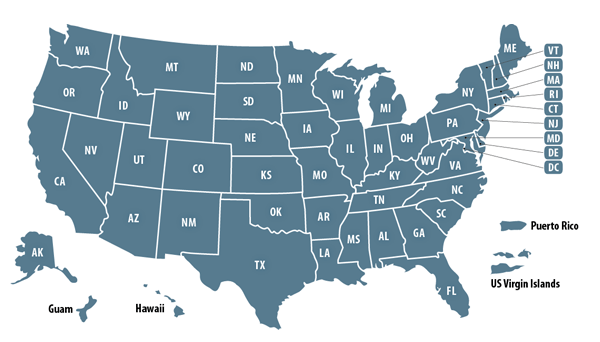
On Jan. 11, 2026, Walmart and Wing, Alphabet’s drone unit, announced plans to scale on-demand drone delivery to 150 additional Walmart stores over the next year. The expansion will grow a network that the companies expect to cover more than 270 Walmart locations by 2027 and reach roughly 40 million Americans, a move that accelerates Walmart’s fast-delivery and last-mile strategy.
The rollout builds on earlier deployments in Dallas–Fort Worth and Atlanta and will add operations in several new metros, with Houston scheduled to begin flights on Jan. 15. Wing plans to increase aircraft capability as part of the program, introducing larger drones capable of carrying up to 5-pound payloads and continuing to co-locate drone operations at Walmart stores so orders can be fulfilled directly from store inventory. Typical purchases on the service so far include eggs, ground beef, fresh produce and snacks, and Wing reports that top customers use drone delivery several times per week.
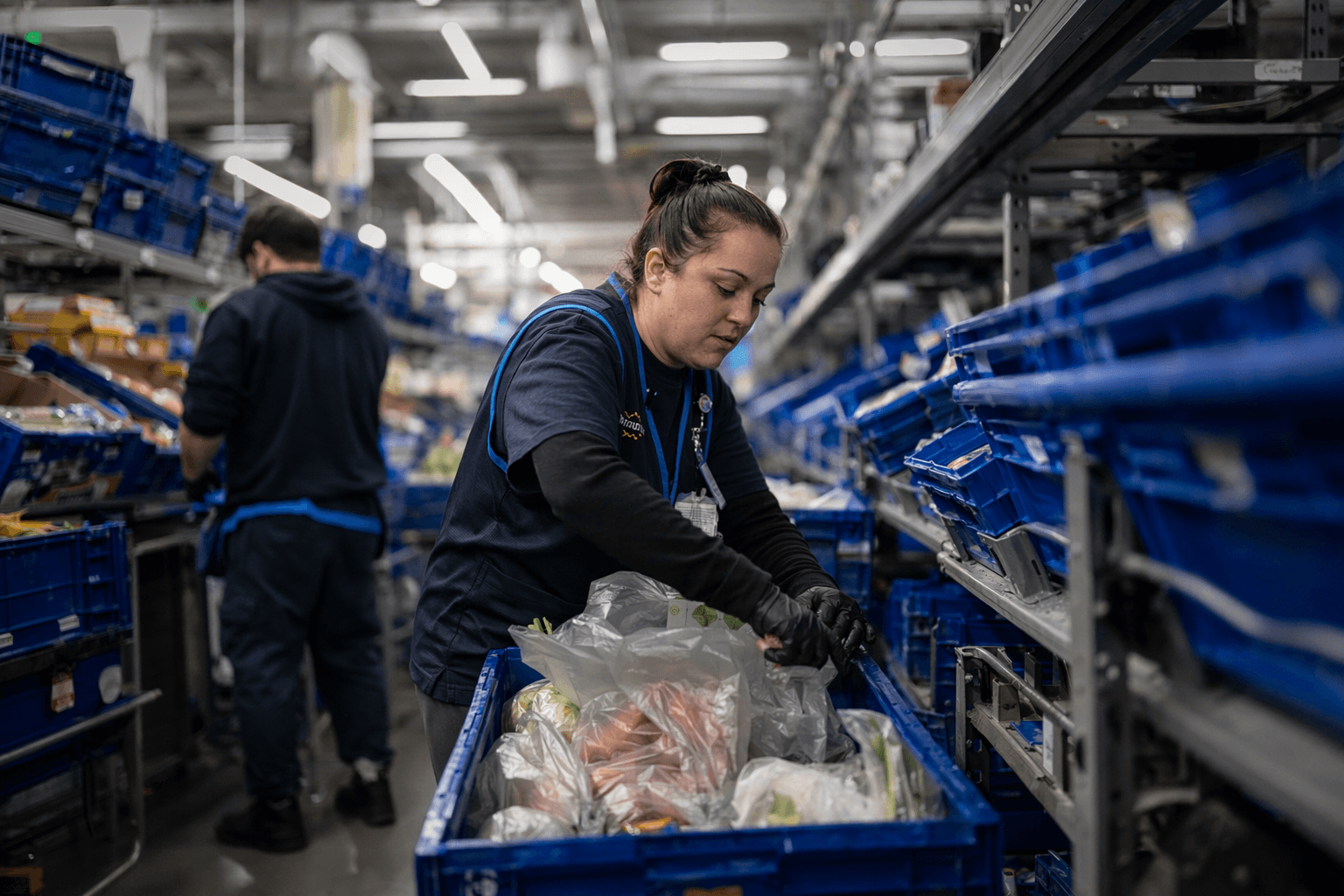
For front-line Walmart employees, the change could alter daily workflows. Store-fulfilled drone orders compress the time between picking an item and a customer receiving it, which can increase pressure on pick-and-pack and fulfillment lanes. Co-located launch and operations sites at stores also mean new on-site tasks, operational checklists and tighter coordination between floor associates and the teams managing drone launches. Because the service operates beyond visual line of sight (BVLOS) only in permitted areas and under Federal Aviation Administration rules, expansion will roll out gradually and remain constrained to approved markets.
The technical upgrades, larger drones and denser store networks, expand the product mix that can go by air but also bring stricter safety and compliance steps that stores will have to follow. That could include additional training, modified staffing patterns during peak windows for drone flights, and new responsibilities related to packaging, temperature control and secure staging for items destined for airborne delivery.
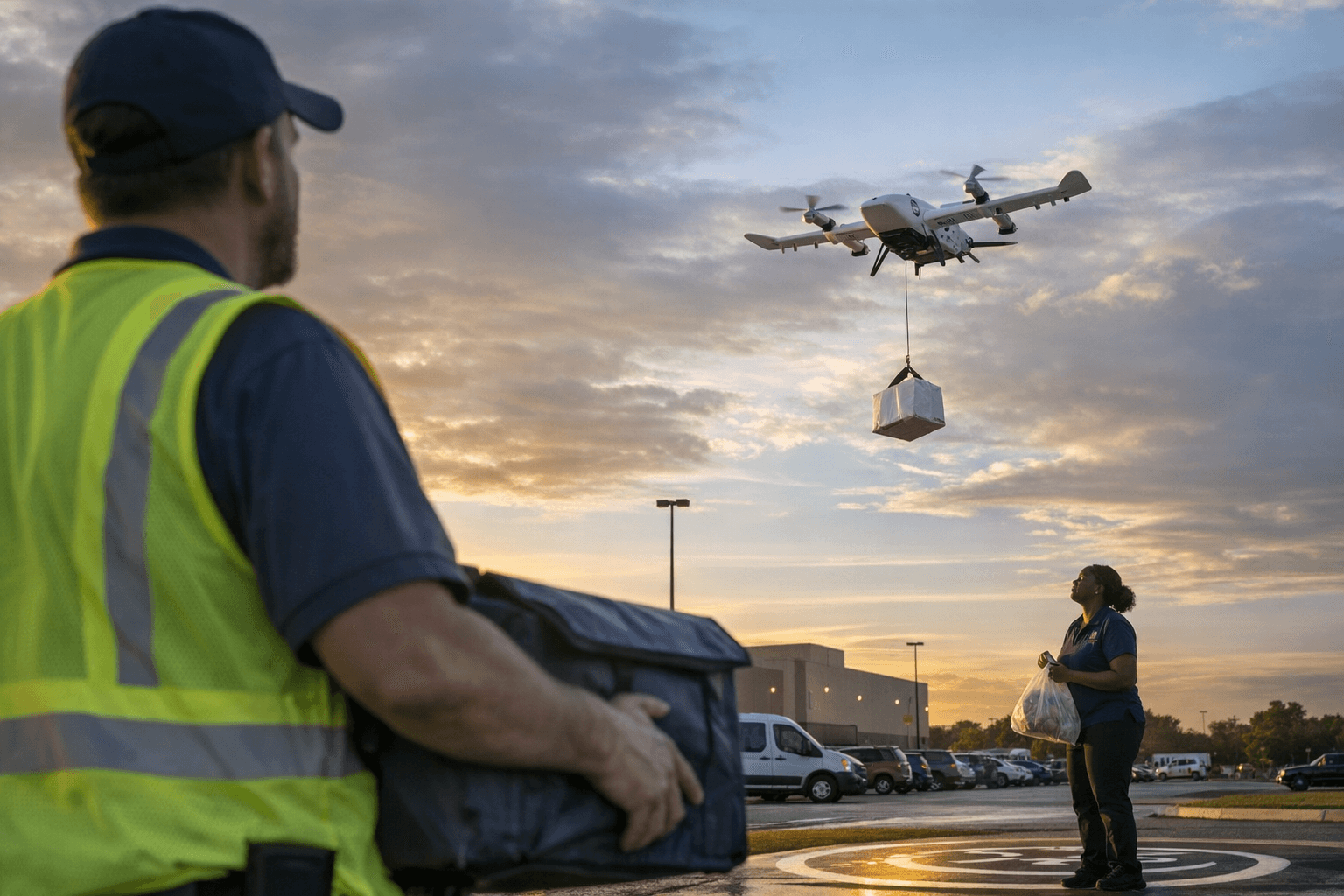
For associates, faster delivery can be a double-edged sword: it may cut down on long curbside pickup or local delivery workloads but can raise expectations for near-instant fulfillment. Managers may need to rebalance shifts and staffing models to avoid bottlenecks at the staging area when many drone orders land in the same time frame. There’s also potential for new roles tied to drone co-location operations, from equipment checks to coordinating with remote flight teams.
Our two cents? If your store is in a roll-out market, ask management about training and scheduling changes now, track how drone orders affect your floor workload, and document any safety or staffing pinch points. The takeaway: the last mile is literally taking off, and being proactive will keep you ahead of the new tempo on the shop floor.
Know something we missed? Have a correction or additional information?
Submit a Tip