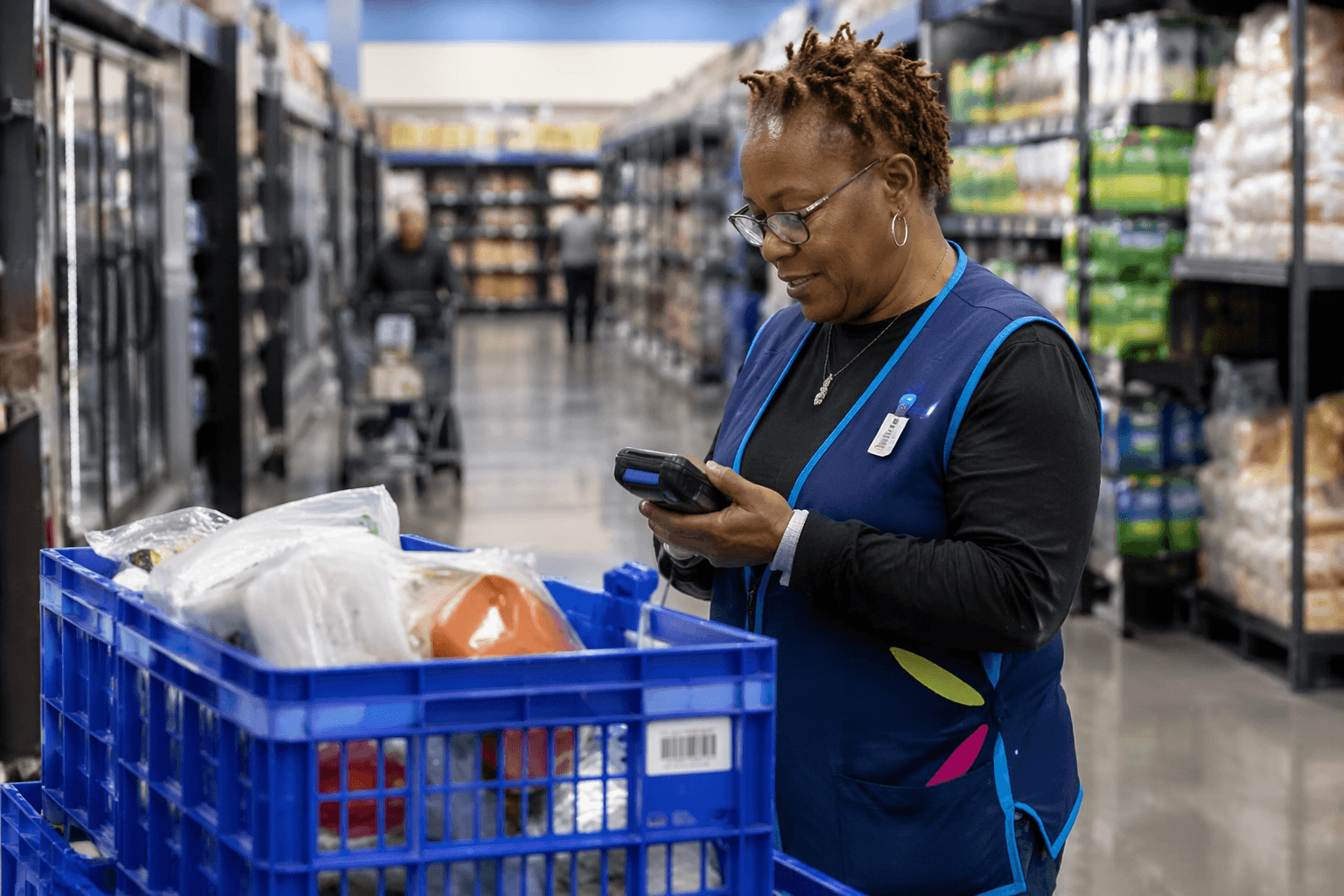
Walmart expands stores as retail closures continue across the US
Walmart is still adding stores while closures mount nationwide, and that could mean more hiring, transfers and remodel work for associates in 2026.
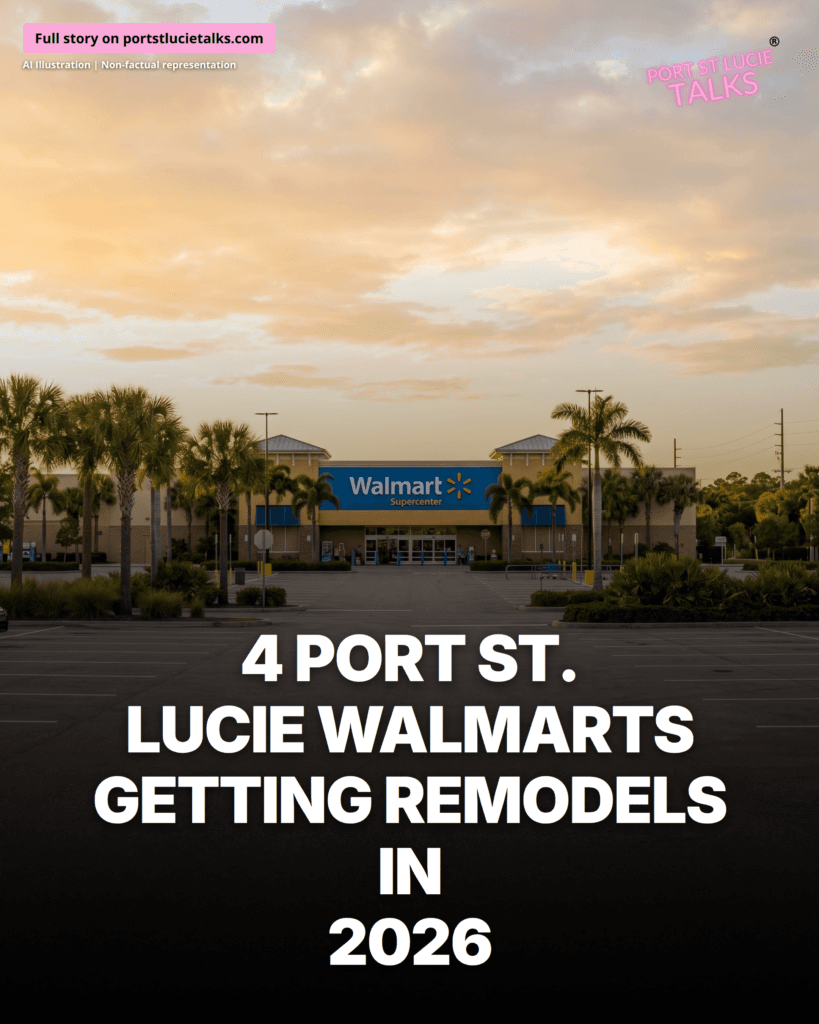
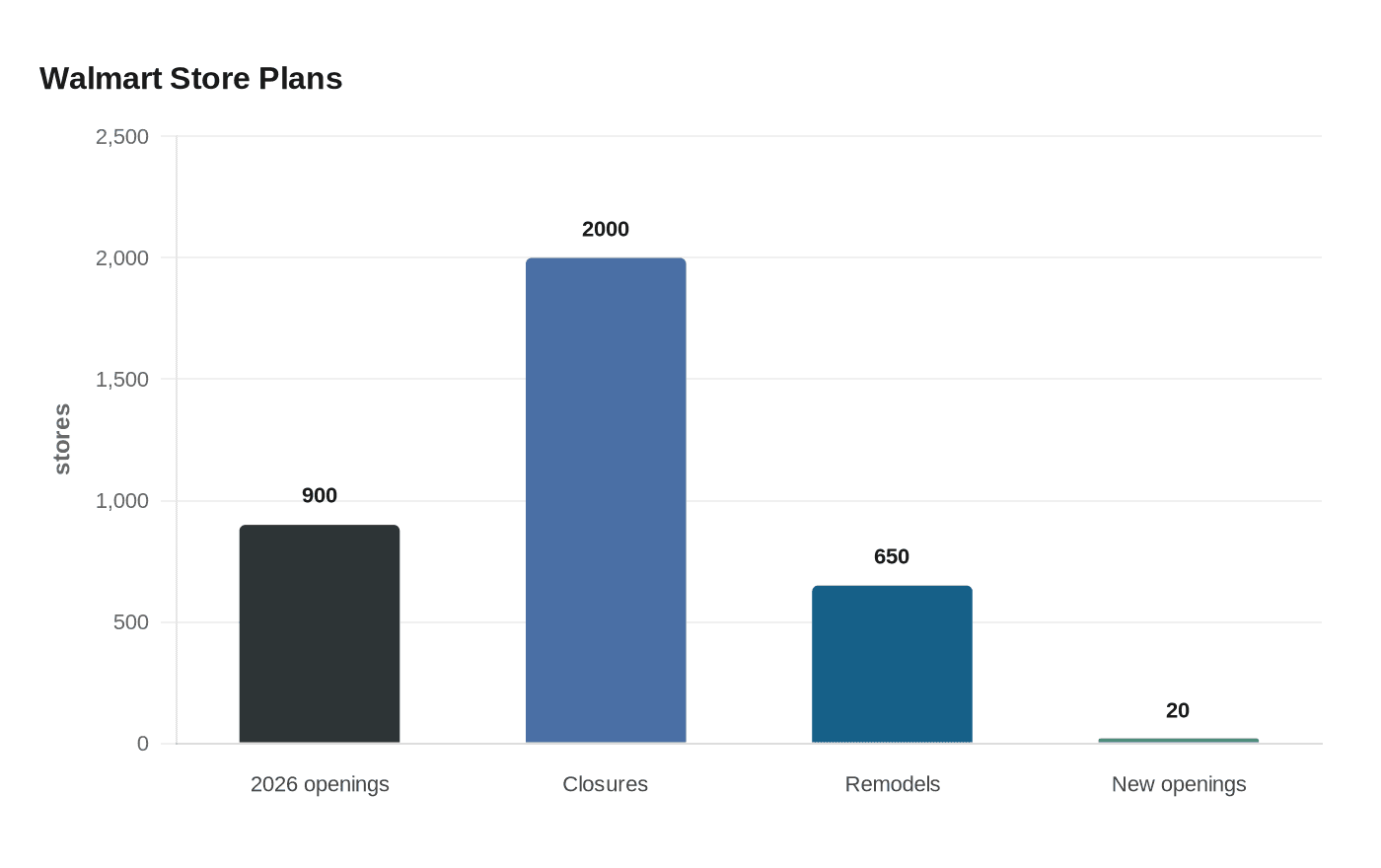
Retail closures are piling up, but Walmart is still betting on stores. More than 900 U.S. openings are expected in 2026 even as more than 2,000 closures have already been announced, a split that matters for associates because expansion usually brings hiring, transfer chances and a change in traffic where competitors are also fighting for price-conscious shoppers.
Walmart said on April 16 that it plans more than 650 scheduled remodels at Supercenters and Neighborhood Markets, plus about 20 new store grand openings in 2026 and early 2027. The company said the investment is meant to create jobs, strengthen local economies and make shopping faster and more convenient. It has already opened several new stores this year, including Supercenters in Eastvale, California; Apollo Beach, Florida; Jacksonville, Florida; and The Villages, Florida. That follows Walmart’s January 2024 commitment to build or convert more than 150 stores over five years while keeping its remodel program moving, and the opening of its first ground-up U.S. Supercenter in four years in Cypress, Texas, on April 30, 2025.
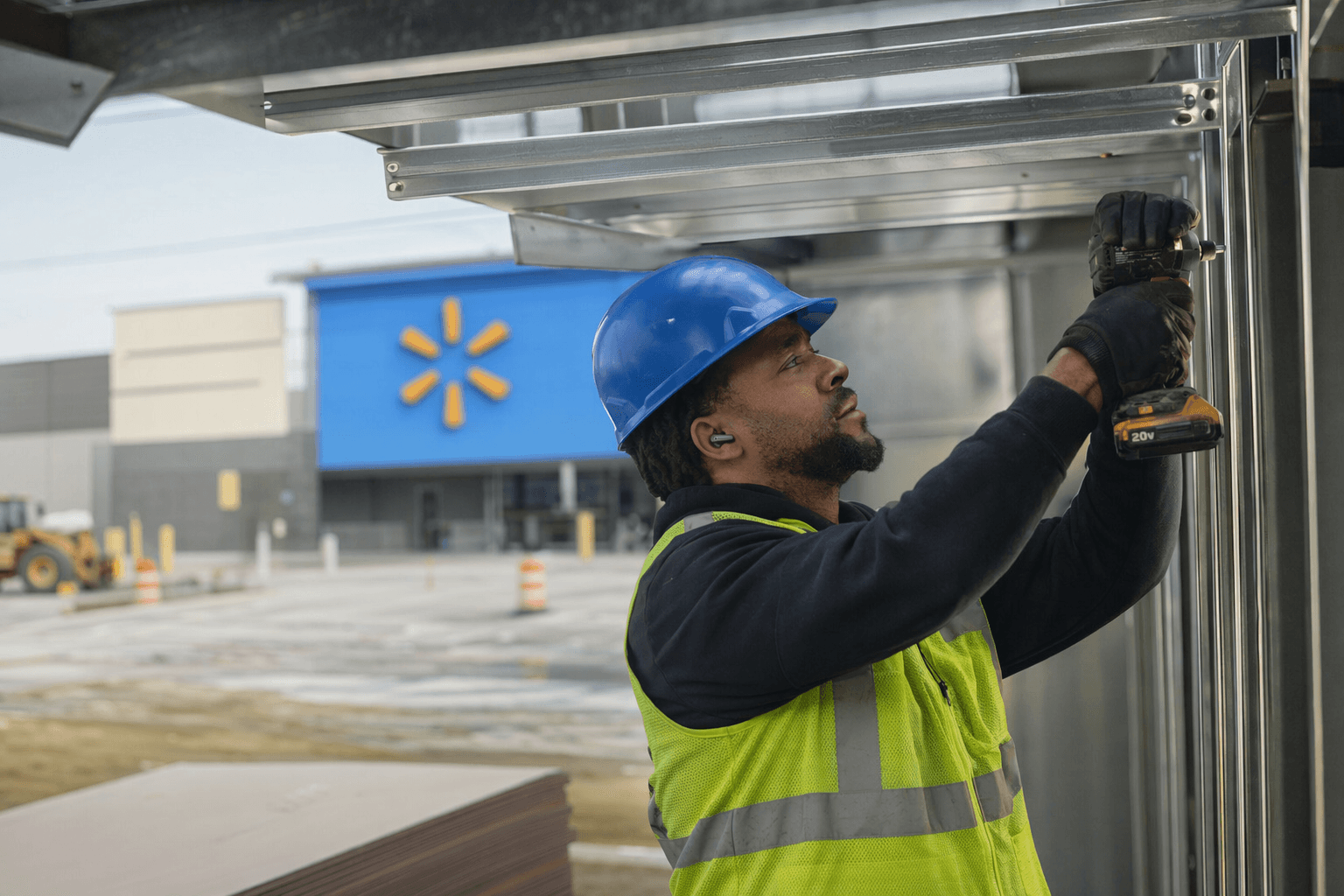
For hourly associates, the practical read-through is simple: when Walmart opens or refreshes stores, the work shifts around the building. New stores can create openings for front-end, stocking, fresh, pharmacy support and overnight coverage, while remodels can move people into temporary assignments or open spots in upgraded departments. Walmart is also testing a faster four-week remodel model at select Neighborhood Markets in Florida, Oklahoma, Texas, Georgia, South Carolina and Louisiana. During those projects, the main sales floor closes temporarily while pharmacies and fuel stations stay open, and Walmart says nearby stores, pickup, delivery, the app and Walmart.com are part of the customer-continuity plan.
The pressure is not just internal. Dollar General, Aldi and other value chains are still expanding, which keeps Walmart’s price leadership under constant scrutiny in markets where shoppers are rewarding convenience and low prices. Walmart directly employs about 1.6 million people in the United States, and it said it invested more than $4.9 billion in store and club remodels in 2022. That scale explains the strategy: in 2026, the company is treating brick-and-mortar stores as a growth engine, not a legacy burden, and that means local hiring, transfers and competitive pressure will keep shifting around the country.
This article was produced by Prism’s automated news system from verified source data, official records, and press releases, then run through automated quality and moderation checks before publishing. The system is built and supervised by the people who set the standards it runs under. Read our full AI policy.
Know something we missed? Have a correction or additional information?
Submit a Tip