Walmart expands technician training program, boosts pay and pipeline
Walmart revamped and expanded a technician training program to address a shrinking trades workforce, putting nearly 400 employees through courses that lead directly to maintenance technician roles. The effort matters to workers because it creates higher paying internal career paths, and it matters to operations because trained technicians help prevent costly downtime at stores and distribution centers.

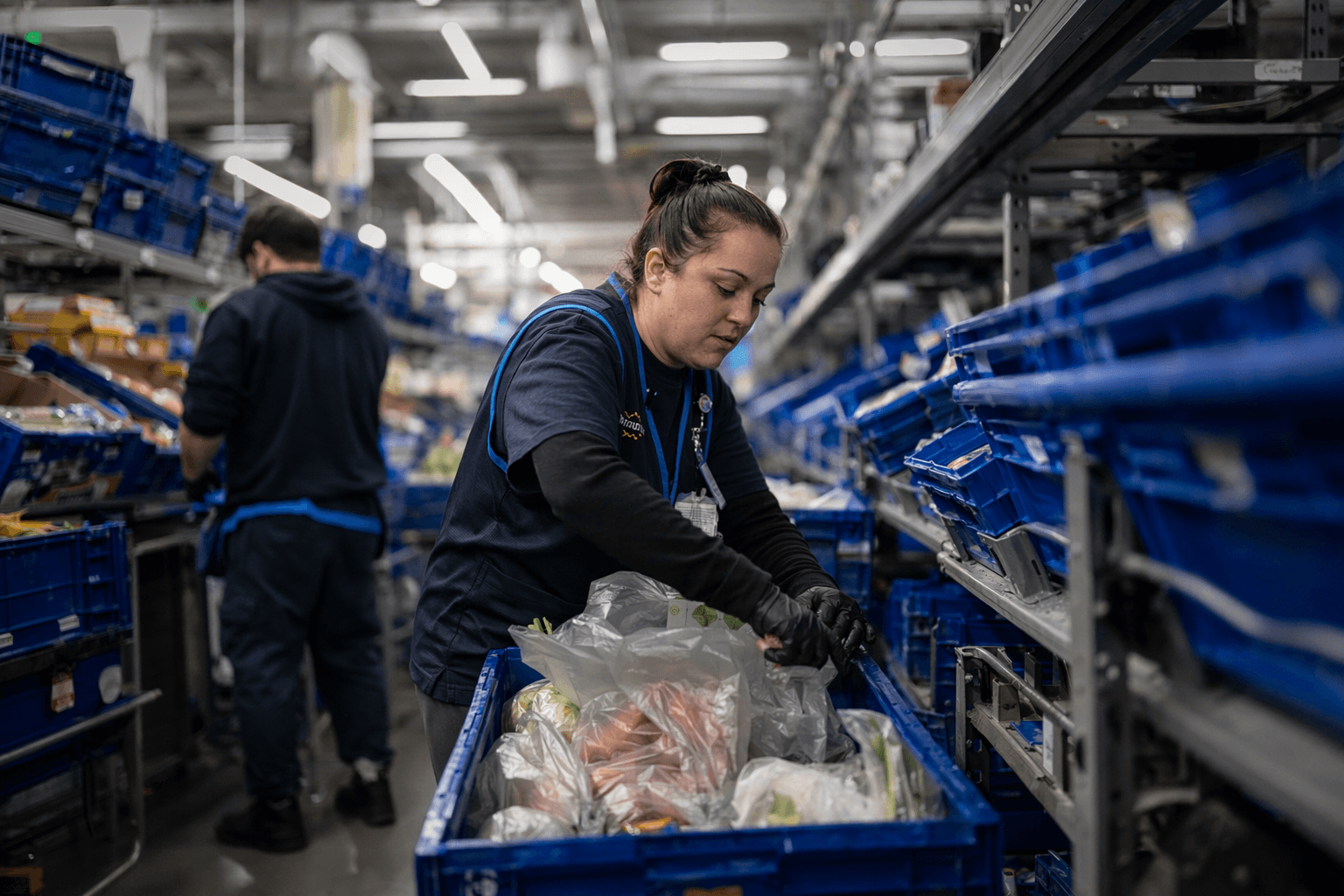
Walmart has broadened a company run technician training initiative as it tries to build an internal pipeline of maintenance workers to keep stores and distribution centers running smoothly. The retailer retooled the program in 2024 and rolled out tuition free classes focused on heating, ventilation and air conditioning, electrical work and general maintenance. The company added training sites in Vincennes, Indiana and Jacksonville, Florida after piloting the effort in the Dallas Fort Worth area.
As of mid November, almost 400 employees had graduated from the revamped program. The first pilot class in Dallas Fort Worth produced 108 graduates, and every member of that class secured a technician role earning on average $32 per hour. Walmart has set a goal of putting thousands of workers through technician training by 2030. The training targets people already on the payroll, from automation equipment operators to cashiers, creating a pathway for internal mobility and higher pay.
The program aims to address a broader shortage of skilled tradespeople across the country and within retail and logistics. R.J. Zanes, vice president of facility services for the U.S. divisions of Walmart and Sam's Club, stressed the operational stakes, noting a refrigeration failure in a store could cost up to $300,000 to $400,000 in lost product. "We've got to stay out in front of that," he said. Zanes added that the company must maintain preventative skills and be able to restore equipment quickly after breakdowns. "We have to ensure that we've got the right skills there to do preventative maintenance, and when we do have a breakdown, to make sure that we get it back up as fast as possible to minimize that cost of downtime."
For employees the program presents a clear route from entry level roles into skilled technical work with higher wages and on the job training. For managers and operations teams the initiative reduces reliance on an increasingly scarce external labor pool and strengthens resilience during peak periods such as the holiday season. The push also reflects wider labor market shifts as the trades workforce ages and fewer new workers enter those occupations, creating pressure across food supply chains, distribution networks and store operations.
Know something we missed? Have a correction or additional information?
Submit a Tip