Walmart Gains High-Income Shoppers as Middle-Class Spending Slows
Walmart CEO Doug Furner says shoppers earning over $100k are driving market share gains as middle-class households pull back spending.

Shoppers earning more than $100,000 a year are increasingly choosing Walmart, CEO Doug Furner revealed, a shift that reflects broader stress in the U.S. economy and raises fresh recession concerns.
Furner pointed to growing market share among high-income households as a headline trend for the retailer, while middle-class shoppers have pulled back under mounting economic pressure. The dynamic suggests that even consumers who traditionally avoided Walmart's stores are now trading down in search of lower prices, while those in the middle are simply spending less overall.
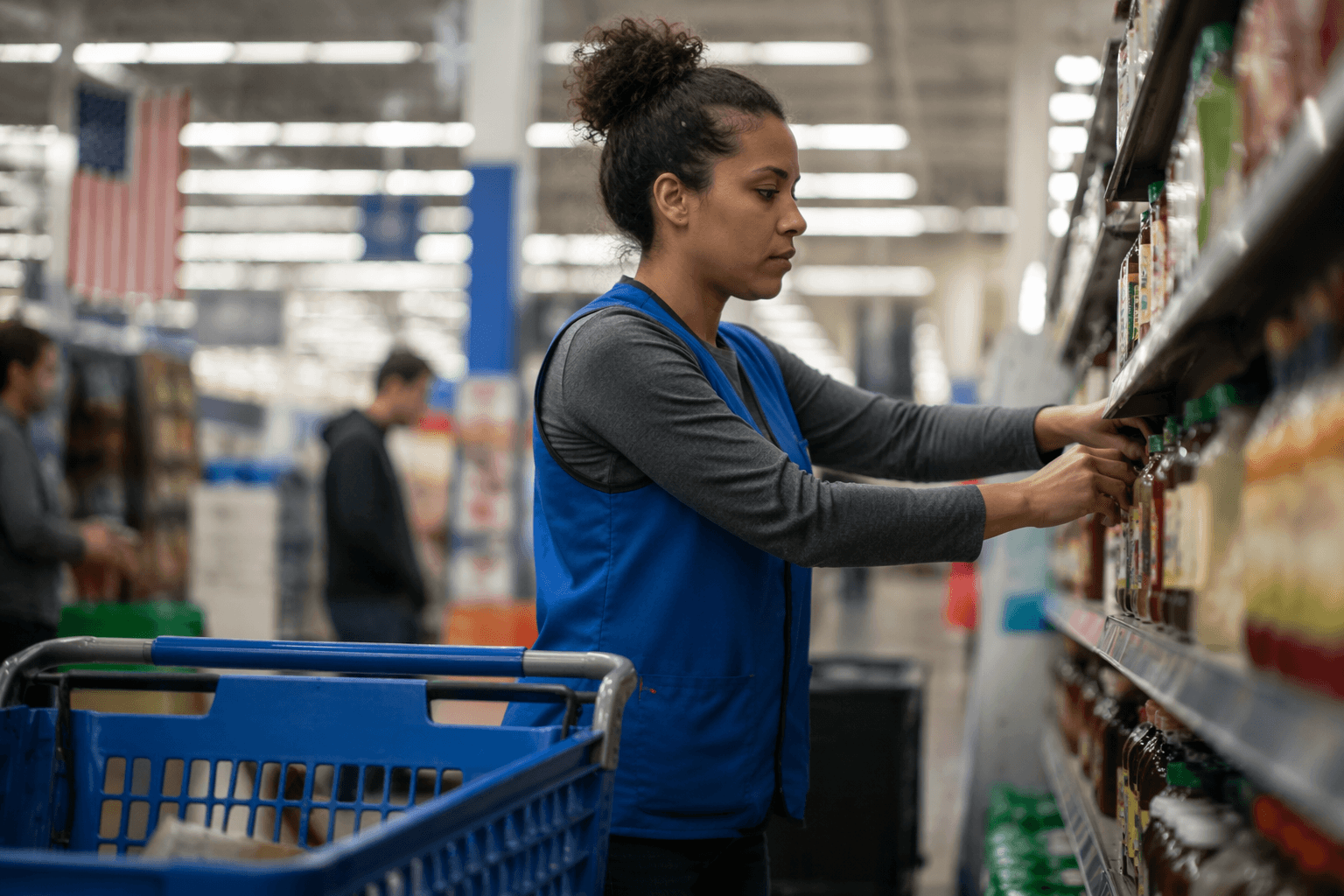
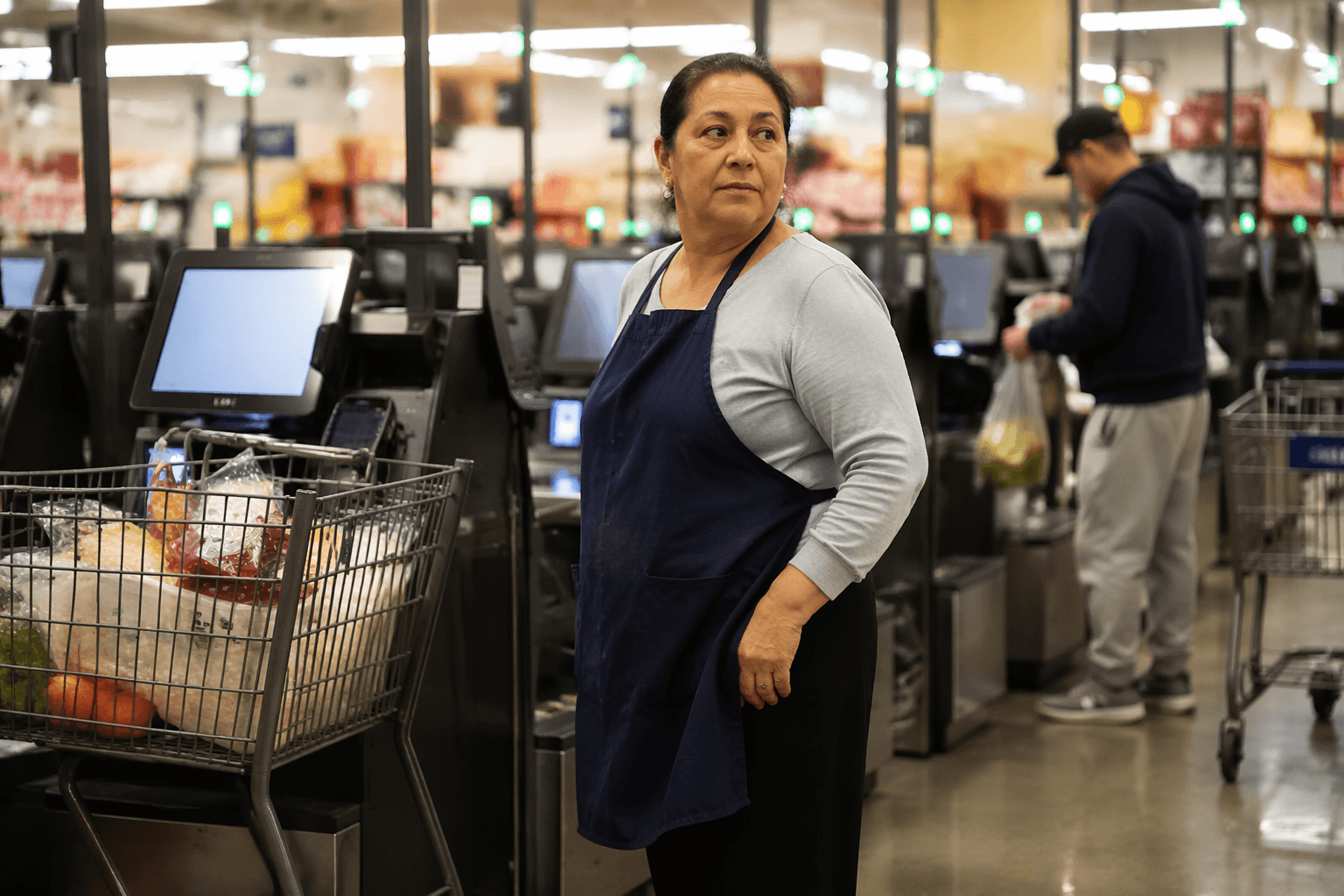
For associates on the floor, the customer mix Furner described plays out in real time. Higher-income shoppers tend to fill larger carts, spend more per trip, and gravitate toward grocery and general merchandise categories. Their arrival in greater numbers can push transaction volumes and basket sizes higher, metrics that shape store-level staffing and department priorities.
The harder signal embedded in Furner's comments, however, is what's happening to middle-class spending. When that segment contracts, it typically precedes broader economic cooling. Walmart's scale, with hundreds of millions of customer transactions each quarter, gives its leadership an unusually clear view of consumer behavior across income levels, which is why financial analysts treat the company's traffic and spending data as a leading indicator of where the broader economy is heading.
Furner's warning arrives as economists continue to debate recession probability. Tariff uncertainty, persistent inflation in key categories, and tighter household budgets have all weighed on consumer confidence in early 2026. The retreat of middle-income shoppers from discretionary purchases fits that pattern precisely.
For hourly associates, the shift is a reminder that Walmart's position as a low-price destination grows more central the more pressure households feel. Store traffic may hold or even rise, but the spending profile of that traffic is changing in ways that reflect an economy where even six-figure earners are watching what they spend.
This article was produced by Prism’s automated news system from verified source data, official records, and press releases, then run through automated quality and moderation checks before publishing. The system is built and supervised by the people who set the standards it runs under. Read our full AI policy.
Did this article answer your question?