Walmart Moves Personal-Injury Suit From Alameda County to Federal Court
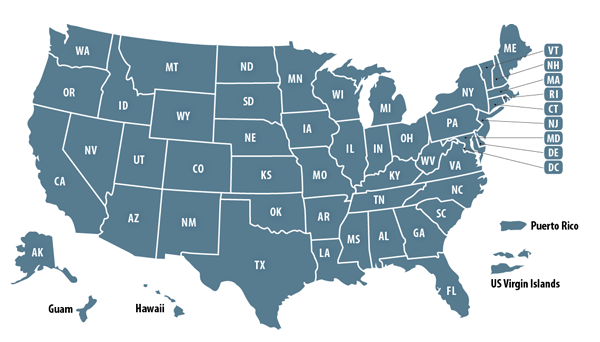
Walmart filed a notice of removal and transferred a personal-injury, diversity-style lawsuit from Alameda County Superior Court to the U.S. District Court for the Northern District of California, where it was docketed on January 7, 2026 as No. 3:2026cv00166. The shift to federal court alters procedural rules and scheduling and can affect discovery scope and timing, matters that may influence how workplace-related liability cases proceed and how employees participate in litigation.
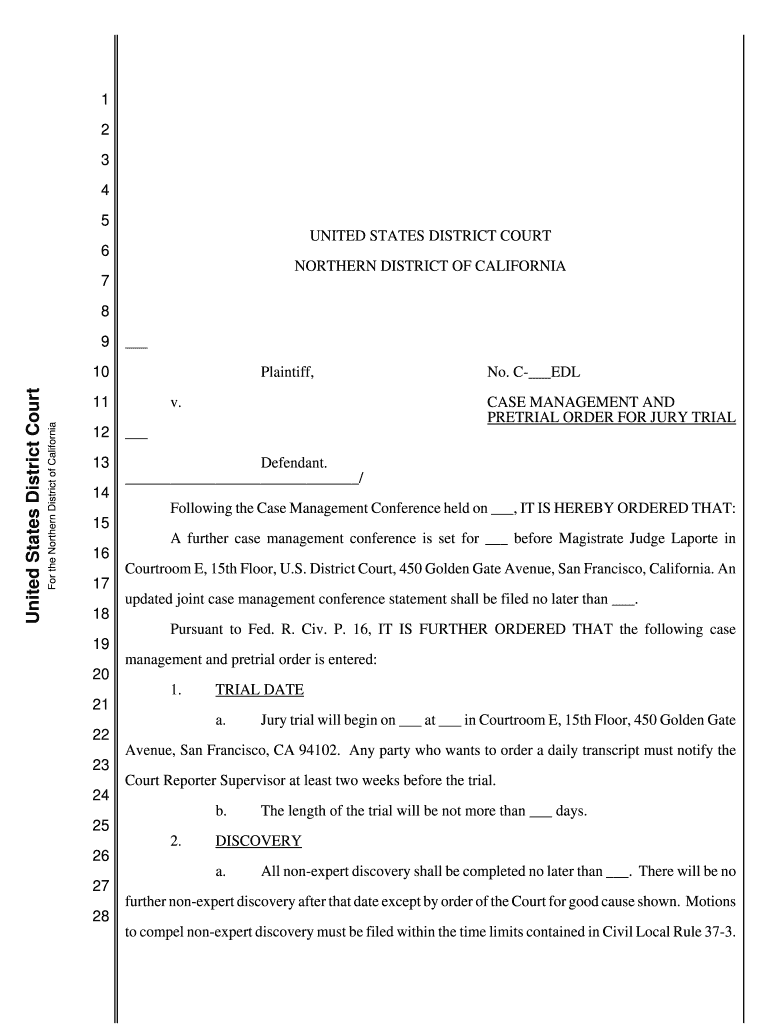
On January 7, 2026, a lawsuit titled De La Cruz v. Walmart was removed from Alameda County Superior Court and formally docketed in the U.S. District Court for the Northern District of California as case number 3:2026cv00166. Walmart filed a Notice of Removal that moved the matter into federal court, where the clerk entered routine initial scheduling and assignment entries and noted a case management scheduling order.
The filing indicates the matter is proceeding as a diversity-style, personal-injury case. In general, removal invokes federal jurisdiction when parties are from different states and the amount in controversy meets federal thresholds; moving a state-court case to federal court brings it under federal procedural rules, local civil rules, and a different assignment of judges and timelines.
For Walmart employees and workers, the transfer has several practical implications. Federal court scheduling orders typically set early deadlines for disclosure, discovery plans, and motions practice, which can accelerate or formalize the timing for witness interviews, depositions, and written discovery. The change of forum can also affect the breadth of discovery available to either side, potentially widening the scope for requests into corporate policies, training materials, incident reports, and other workplace documents. Those materials can be relevant in cases alleging workplace injuries or negligence and could draw broader scrutiny of store operations and safety practices.
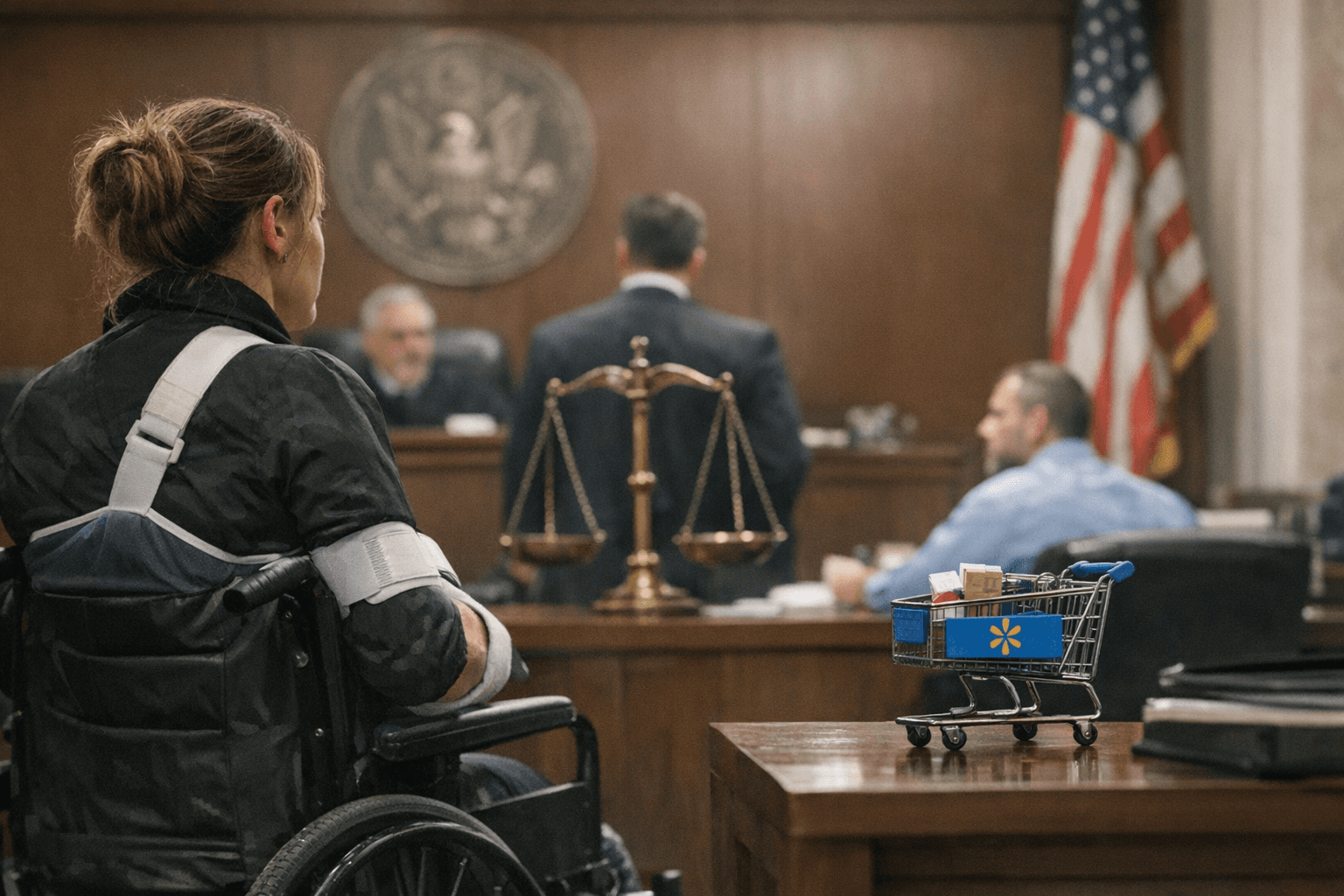
The Northern District will manage future procedural steps, including any motions to remand the case back to state court, if such motions are filed, and the court will set dates for case-management conferences and pretrial deadlines under its local rules and the entered case management scheduling order. Employees who are witnesses or who may be subpoenaed should be aware that federal procedural rules, including rules on deposition practice and subpoenas, will apply.
At this stage the docket reflects initial administrative entries rather than substantive rulings. Interested workers and employee advocates will want to monitor forthcoming filings for more detail on the factual allegations, any claims that could affect workplace practices, and scheduled deadlines that shape the pace of litigation.
Know something we missed? Have a correction or additional information?
Submit a Tip