Walmart Patents AI Pricing Systems, Claims Technology Unrelated to Dynamic Pricing
Walmart secured nearly 50 patents since January, including two AI pricing systems it insists have nothing to do with dynamic or surge pricing.

Walmart obtained two AI-powered pricing patents that, on paper, describe systems capable of automatically updating prices and predicting consumer demand, yet the company told the Financial Times both patents are "unrelated to dynamic pricing" and insisted a spokeswoman's words stand as policy: "We don't participate in surge pricing."
The patents, part of a broader haul of almost 50 secured from the U.S. Patent and Trademark Office since January, cover distinct but related ground. One is described in filings as a "system and method for dynamically and automatically updating item prices," with Walmart characterizing it as specific to markdowns within its eCommerce unit. The second uses machine learning to predict demand and recommend prices, which Walmart said is "designed to let humans make decisions" rather than automate them.
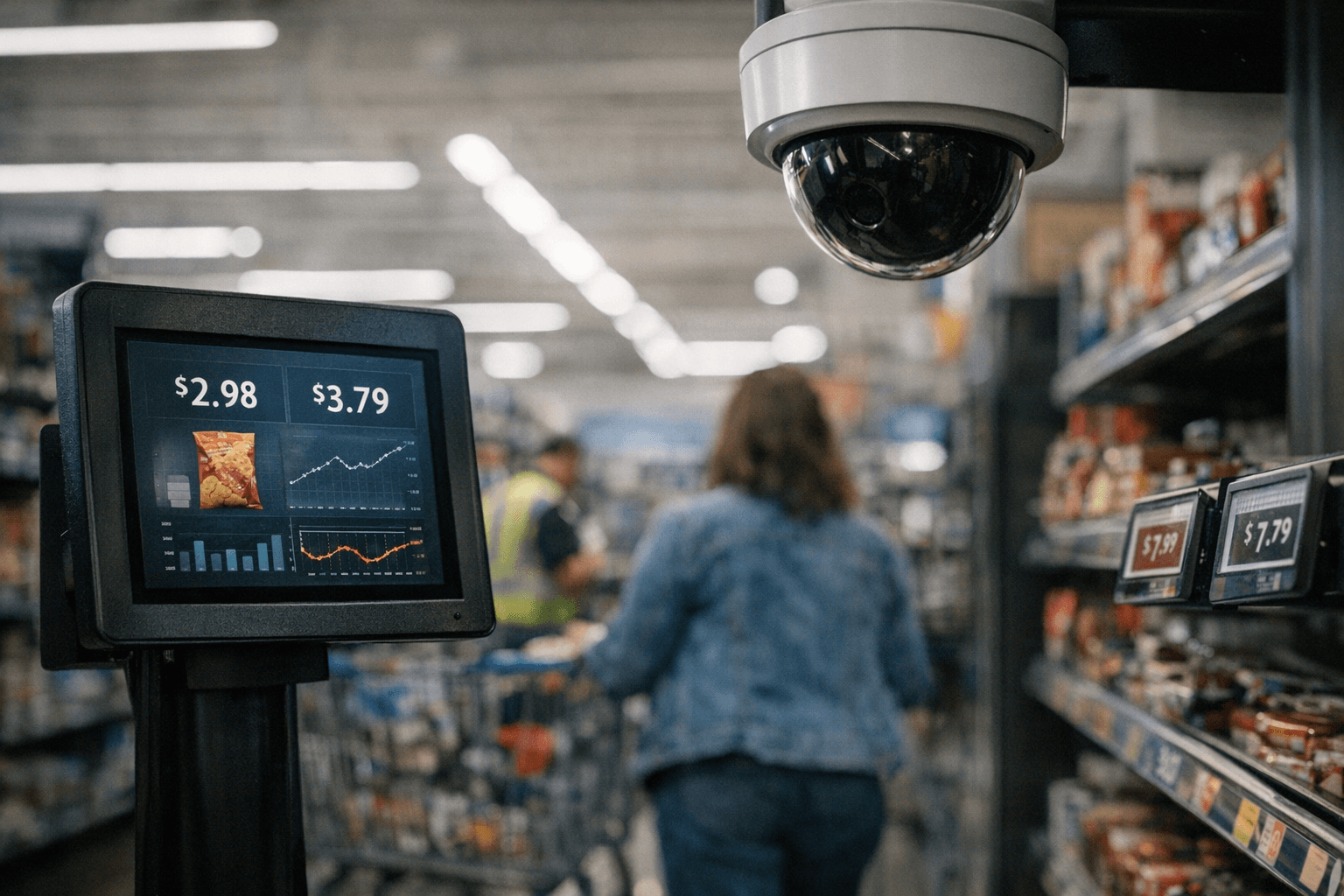
The timing has drawn scrutiny. The patent disclosures coincide with Walmart's rollout of electronic shelf labels across all U.S. stores, a combination that critics have labeled algorithmic "surveillance pricing." The concern is straightforward: paper tags require staff to physically swap prices, a process that takes time and limits how often stores can reprice. Electronic shelf labels remove that friction entirely.
A Bank of America analysis included in industry reporting laid out the operational stakes plainly: replacing paper tags with digital displays allows retailers to make real-time price updates across thousands of products simultaneously, synchronize pricing between online and in-store environments, run targeted promotions instantly, and reduce the labor required for manual price changes. That capability, paired with machine learning systems designed to recommend prices, is what has consumer advocates worried, even if Walmart maintains its patents stop short of automated surge pricing.
The pricing patents are not Walmart's only AI push. In June, the company introduced AI tools for store employees, and the associate app now includes conversational AI that walks workers through tasks like processing a return without a receipt and provides real-time translation across 44 languages for employee and customer interactions. In February, Walmart Data Ventures launched Scintilla In-Store, an offshoot of its Scintilla supplier data platform, described in a company news release as designed to "reduce out-of-stocks, streamline execution, and deliver a seamless omni-shopping experience."
CEO John Furner, flagged in January reporting as tech-savvy with plans to expand Walmart's digital footprint, has overseen the acceleration of these initiatives. Whether the pricing patents remain narrowly applied to markdowns and human-guided recommendations, or eventually underpin broader automated pricing, will depend on how Walmart deploys the technology it has spent the year quietly securing.
This article was produced by Prism’s automated news system from verified source data, official records, and press releases, then run through automated quality and moderation checks before publishing. The system is built and supervised by the people who set the standards it runs under. Read our full AI policy.
Did this article answer your question?