Walmart Patents Signal Push Toward AI-Driven Pricing and Demand Forecasting
Walmart's new AI pricing patents, paired with digital shelf labels, could cut manual price-change tasks for associates while raising the bar on picking speed and accuracy.
Picture the seasonal reset in sporting goods: boxes arrive, endcap displays go up, and someone on the floor still has to walk every price change by hand. Walmart's newly secured patents suggest that part of the job description is being rebuilt from the top down.
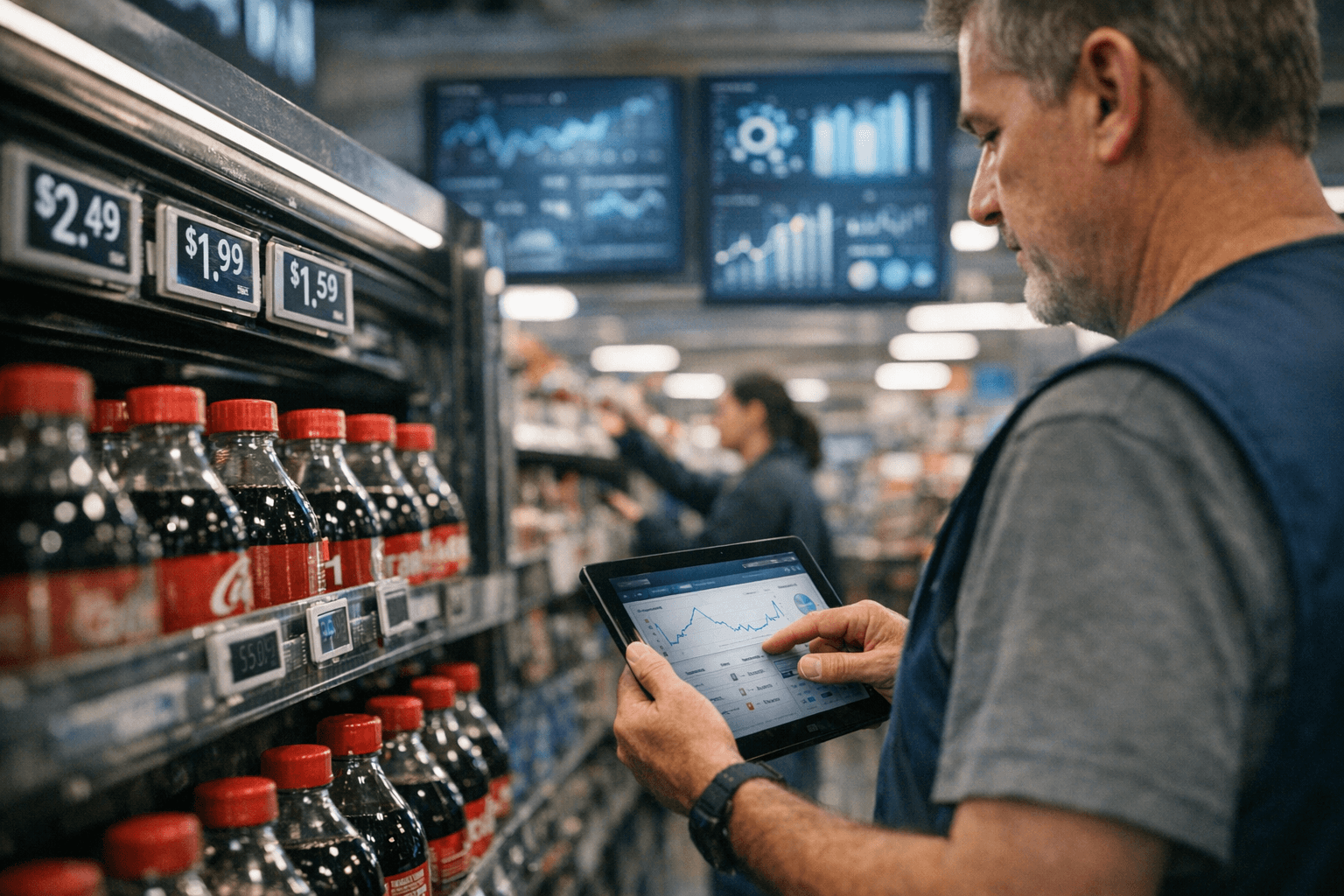
Walmart has patented two categories of pricing technology that, when combined with its expanding digital shelf label rollout, could fundamentally alter how prices are set and displayed across thousands of stores. One patent covers a "System and Method for Dynamically Updating Prices on an E-Commerce Platform," targeting automated online price adjustments. The second uses predictive models to estimate customer purchases and recommend pricing based on demand forecasting. Together, they describe a notably integrated capability: forecasting demand, setting the price, and then pushing that price to a physical shelf label, all through a centralized system.
Walmart is not currently deploying dynamic personalized pricing at scale, and the patents represent capability and intent rather than an active rollout. But the architecture they outline points to concrete shifts that merchandising, OGP, and replenishment associates are likely to feel within the next six to twelve months.
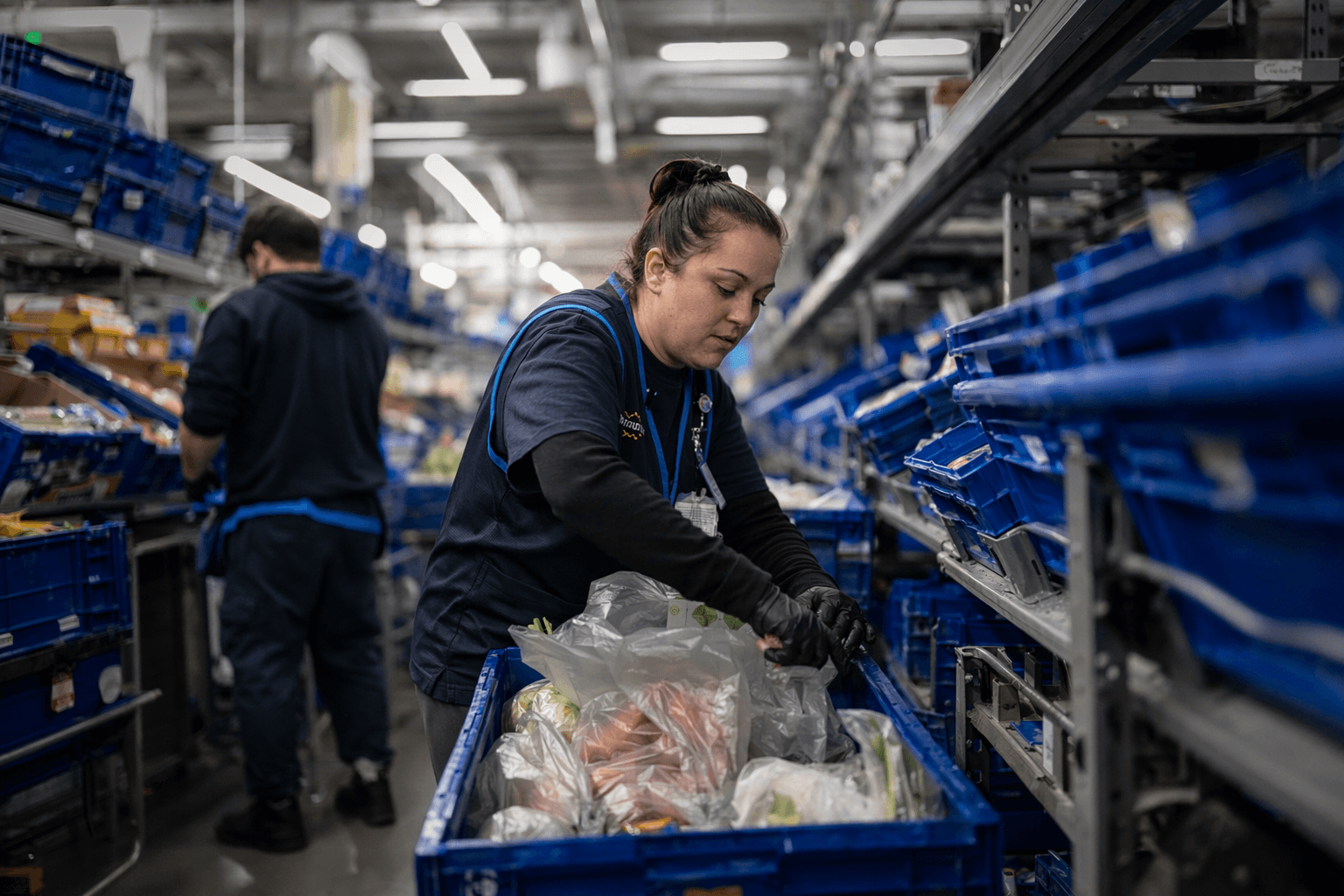
The most immediate change could hit the daily task list for anyone responsible for markdowns and shelf maintenance. Centrally pushed price updates mean fewer manual price-change assignments generated through store systems. Associates who currently spend portions of their shifts walking the floor with price-change guns could see that task category shrink, particularly during high-volume markdown periods like seasonal transitions or clearance resets. Fewer manual updates also means fewer discrepancies between what a label reads and what a register rings, a persistent friction point during busy periods that contributes to customer disputes and potential compliance issues.
For OGP associates, the stakes run through order accuracy and fulfillment speed. As forecasting tools sharpen replenishment signals and digital shelf labels reflect live price data, managers will be held to tighter SLA targets for online order fulfillment. If demand forecasting reduces out-of-stocks on high-velocity items, picking routes become more predictable; if the system misfires, an OGP associate is still standing in front of an empty location when a customer's order is due.
The exception-handling question is where daily workflow gets complicated. When a price pushed centrally does not match what the register reads or what a promotion displays in the app, someone on the floor has to catch it, escalate it, and resolve it. Knowing which system is the source of truth and which manager or support line to contact will matter more as these tools expand. If price disputes or register mismatches spike during any pilot rollout, documenting the time, register number, and item SKU gives store support teams a data trail to diagnose system errors rather than attributing the problem to associate performance.
Replenishment teams stand to benefit from more precise inventory signals if the forecasting layer performs as designed, though tighter system integration also means errors can propagate faster before anyone catches them. The patents signal that Walmart is building toward a store where pricing and inventory decisions increasingly originate from a central algorithm rather than a store manager's judgment call. For associates executing those decisions at shelf level, the question is not whether the technology arrives, but whether the training catches up before it does.
Know something we missed? Have a correction or additional information?
Submit a Tip