Walmart Pays $100 Million to Settle FTC Allegations of Misleading Spark Drivers
Walmart agreed to pay $100M to settle FTC and 11-state allegations that it showed Spark drivers inflated pay and tips, hiding how splits and uncollected tips cut their actual earnings.
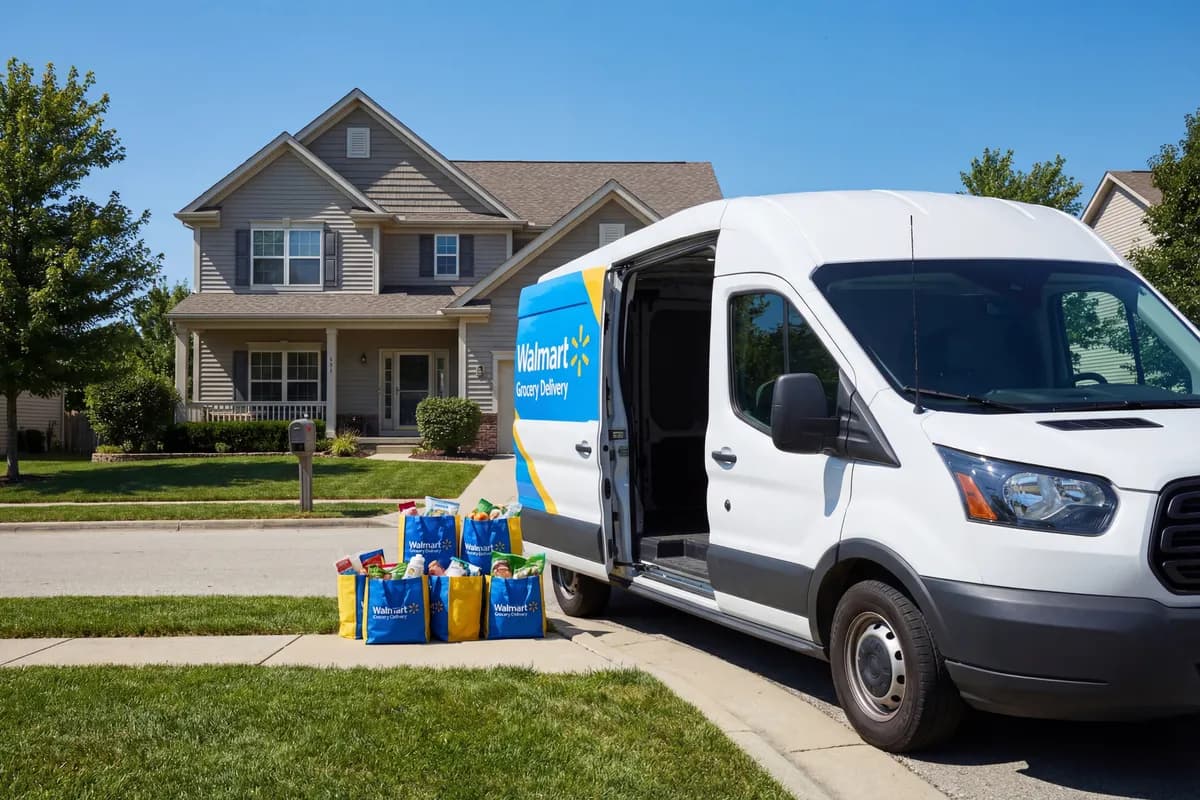
Walmart agreed to pay $100 million to settle a lawsuit from the Federal Trade Commission over deceptive pay practices within its Spark Driver service, which uses gig workers to deliver online orders from local stores to customers. The settlement, announced February 26, 2026, resolved allegations brought by the FTC alongside attorneys general from 11 states: Arizona, California, Colorado, Illinois, Michigan, North Carolina, Oklahoma, Pennsylvania, South Carolina, Utah, and Wisconsin, as well as the District Attorney of Alameda County.
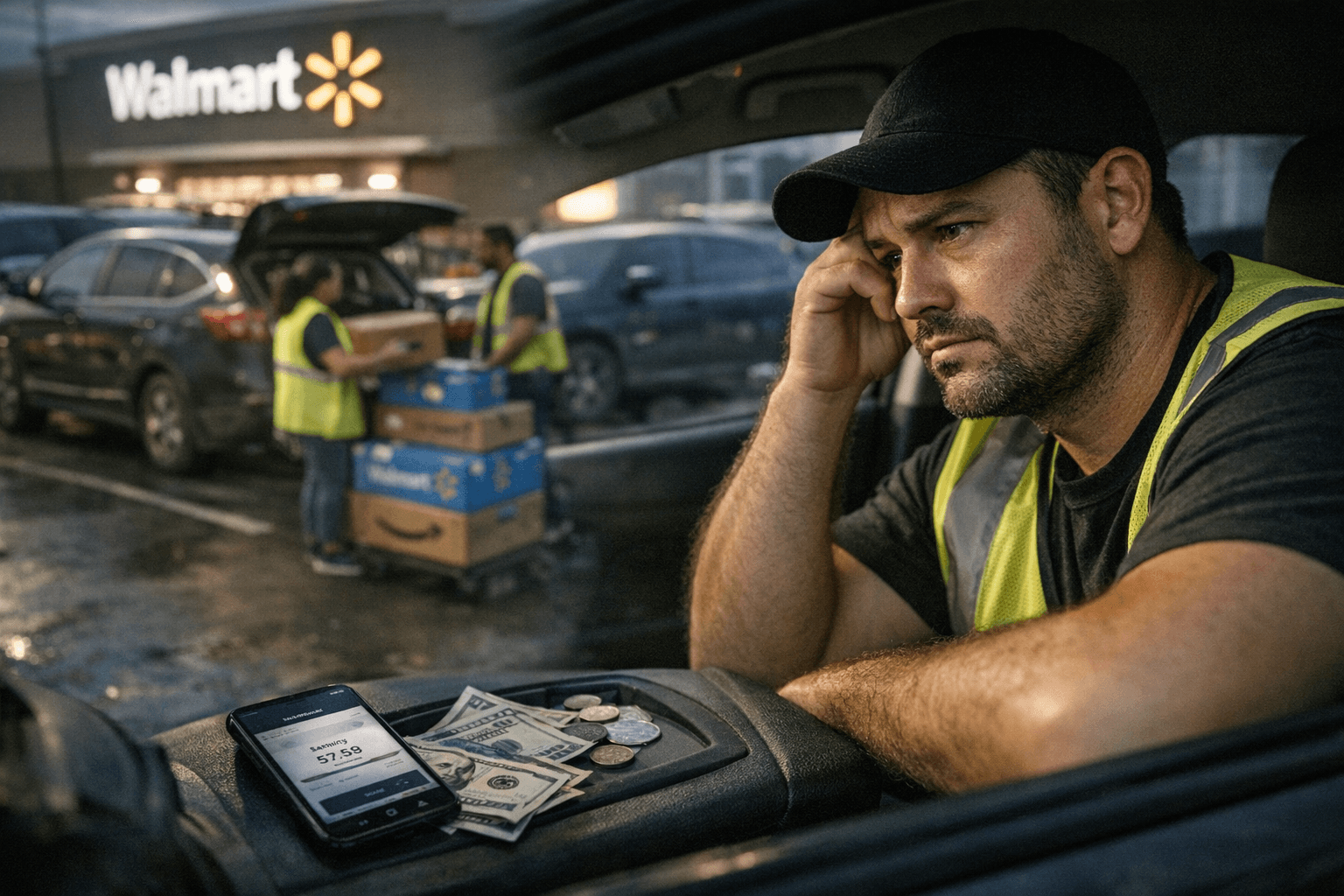
The core of the complaint was straightforward: workers decided whether to accept "offers" to deliver orders based on Walmart's statements about the base pay and tips that a driver could expect to receive if they completed the work, and regulators alleged those statements were systematically false. Walmart failed to notify drivers that the payment for the advertised tip amount had not been preauthorized, meaning drivers would not receive that amount if the customer was unable to cover the cost of the tip. The company also failed to inform drivers that it would split tips when a customer's delivery was split across multiple drivers. Walmart also failed to inform drivers that it would reduce their base pay and/or tips when it removed orders from "batched orders," which involve delivering goods to multiple customers during one trip.
"In many instances, Walmart either failed to notify drivers at all about the change in base pay and tips or only notified them of the change in their earnings after they completed the delivery," said Christopher Mufarrige, Director of the FTC's Bureau of Consumer Protection. "Labor markets cannot function efficiently without truthful and non-misleading information about earnings and other material terms," Mufarrige added.
Nearly one million drivers nationwide made more than 272 million deliveries through the program since Spark launched in 2018, allowing gig workers to sign up to make deliveries for Walmart. The FTC alleged those drivers lost tens of millions of dollars in earnings as a result of the deceptive representations.
As part of the $100 million judgment, Walmart will pay or already has paid up to $79 million directly to drivers. In addition, the company is paying a total of $11 million to the states and an additional $10 million to the FTC, which will be used to provide refunds to consumers. Walmart began making some repayments to affected drivers before the settlement was finalized, after the FTC first approached the company with its concerns. A separate driver fund of $16.2 million will be distributed to Spark drivers who claim they were underpaid going back to January 1, 2021. For example, if Walmart showed a driver a $10 tip on the initial offer card but the driver only received $7, they may be eligible for a $3 payment.
The injunctive terms carry as much weight as the dollar figures. Walmart will also have to operate an earnings verification program and submit an annual report to the FTC for the next 10 years to make sure drivers are being paid what they were promised, and the company is prohibited from modifying orders after drivers accept them or misrepresenting how much a driver will earn from an offer. The offer-card restrictions are specific: Walmart is also prohibited from adjusting the base pay, incentives, or tips after the initial offer, except if the driver fails to provide the service or a customer cancels.
FTC Chair Andrew Ferguson called the outcome "a huge win for American workers" and said the settlement would require Walmart to pay $100 million to drivers who "were denied the full compensation that they had been promised." FTC Chairman Ferguson and Commissioner Mark Meador said jointly that the terms represent "significant changes to Walmart's business practices to ensure that Walmart never does anything like this again."
Walmart denied wrongdoing but agreed to the settlement to avoid further litigation. A company spokesperson said: "We value the hard work and dedication of the drivers who deliver great service and products to our customers... We are continuously improving procedures to ensure fairness and transparency for drivers."
Drivers who accepted one or more offers to shop for and/or deliver goods through the Spark app between January 1, 2021 and February 26, 2026 and were not paid as advertised may be eligible to receive a portion of the settlement fund. The settlement administrator will determine payment amounts using driver earnings, tips and unpaid incentives that did not match the initial offer card. The settlement terms did not disclose how many drivers would receive payments or the average per-driver amount. Walmart did not respond to questions about that figure.
The ten-year FTC reporting requirement sets a compliance clock that will outlast most corporate attention spans. For the nearly one million people who have driven for Spark, the more immediate question is how the settlement administrator handles the claims process, a timeline that has not yet been publicly detailed.
Know something we missed? Have a correction or additional information?
Submit a Tip