Walmart program turns associates into maintenance technicians, no experience needed
Walmart's Associate-to-Technician path opens maintenance jobs to hourly workers with no experience, and the pay ladder runs from $19 to $45 an hour.
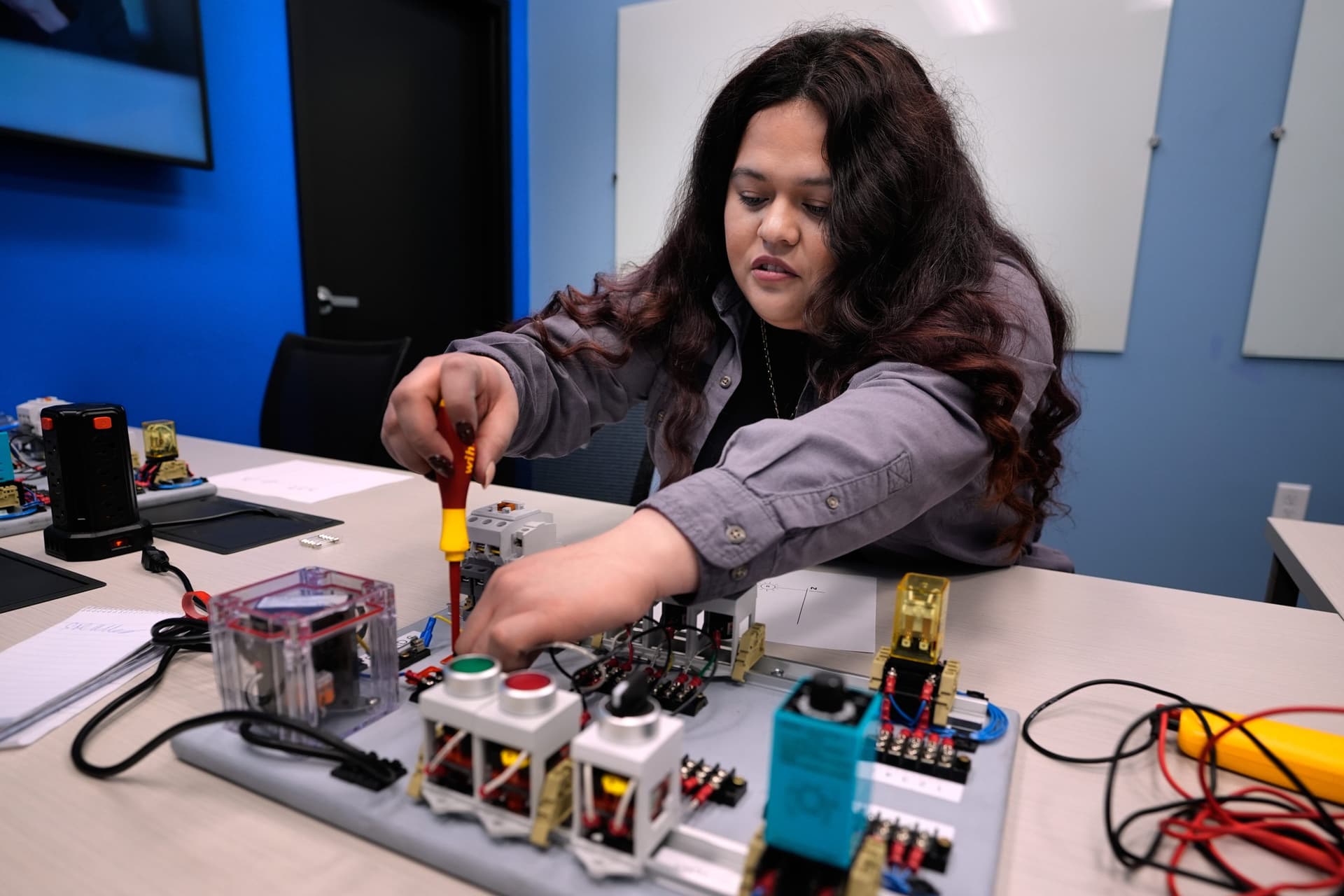
If you work in a store or supply chain role and want a trade instead of a traditional retail track, Walmart’s Associate-to-Technician program is built for that move. The company is treating maintenance, refrigeration, HVAC, reliability and automation as an internal career lane, not a niche reserved for people who already came in with technical credentials. For hourly associates, the key point is simple: Walmart says you do not need prior maintenance experience to get started.
Who gets in, and why Walmart built it
Walmart first described Associate-to-Technician as a pilot in June 2024 with 100 associates in the Dallas-Fort Worth area. The target group was not outside recruits or outside contractors; it was hourly store and supply chain associates who could move into facilities maintenance, refrigeration and HVAC, reliability and automation technician roles. That matters because it shows the company is trying to turn existing workers into the people who keep stores running when equipment breaks or systems need upkeep.
Walmart World said the program came together after the company noticed a large share of its maintenance technician workforce was nearing retirement. In other words, A2T is not just a training story. It is a staffing fix for a real labor gap. For associates, that creates a practical opening: if you already work inside Walmart and want a more specialized path, the company is signaling that it would rather train from within than keep hunting only in the outside labor market.
What the training covers and what you need to bring
The program is framed as hands-on training for maintenance tech roles, and Walmart says the only real requirement is interest in building the skills. That is a meaningful shift in a company as large as Walmart, where many workers assume skilled trades are reserved for people with prior certificates or years in the field. The company’s skills-first approach is meant to remove degree requirements where possible, and Walmart says 90% of U.S. roles do not require a degree.
That does not mean the work is casual or temporary. It means the company is trying to build a pipeline from hourly retail or supply chain work into a technical occupation that can carry a worker for years. Walmart places A2T inside Walmart Academy, which it describes as one of the largest training ecosystems in the country. The broader message is that the company wants associates to see technical work as part of the same internal ladder that leads from the sales floor to management.
For workers deciding whether this is realistic, the entry question is not whether you already know HVAC or automation. It is whether you are the kind of associate who can handle problem-solving, mechanical work and the behind-the-scenes pace that comes with keeping refrigeration and equipment online.
What the move changes in pay and daily work
The clearest financial appeal is the wage ladder. When Walmart first publicized the pilot, it said these jobs make between $19 and $45 an hour. Walmart’s broader career materials also say the Associate-to-Technician pathway can lead to jobs that pay up to $45 an hour. That gives the program a concrete ceiling and floor, which is more useful to an hourly worker than vague talk about growth.
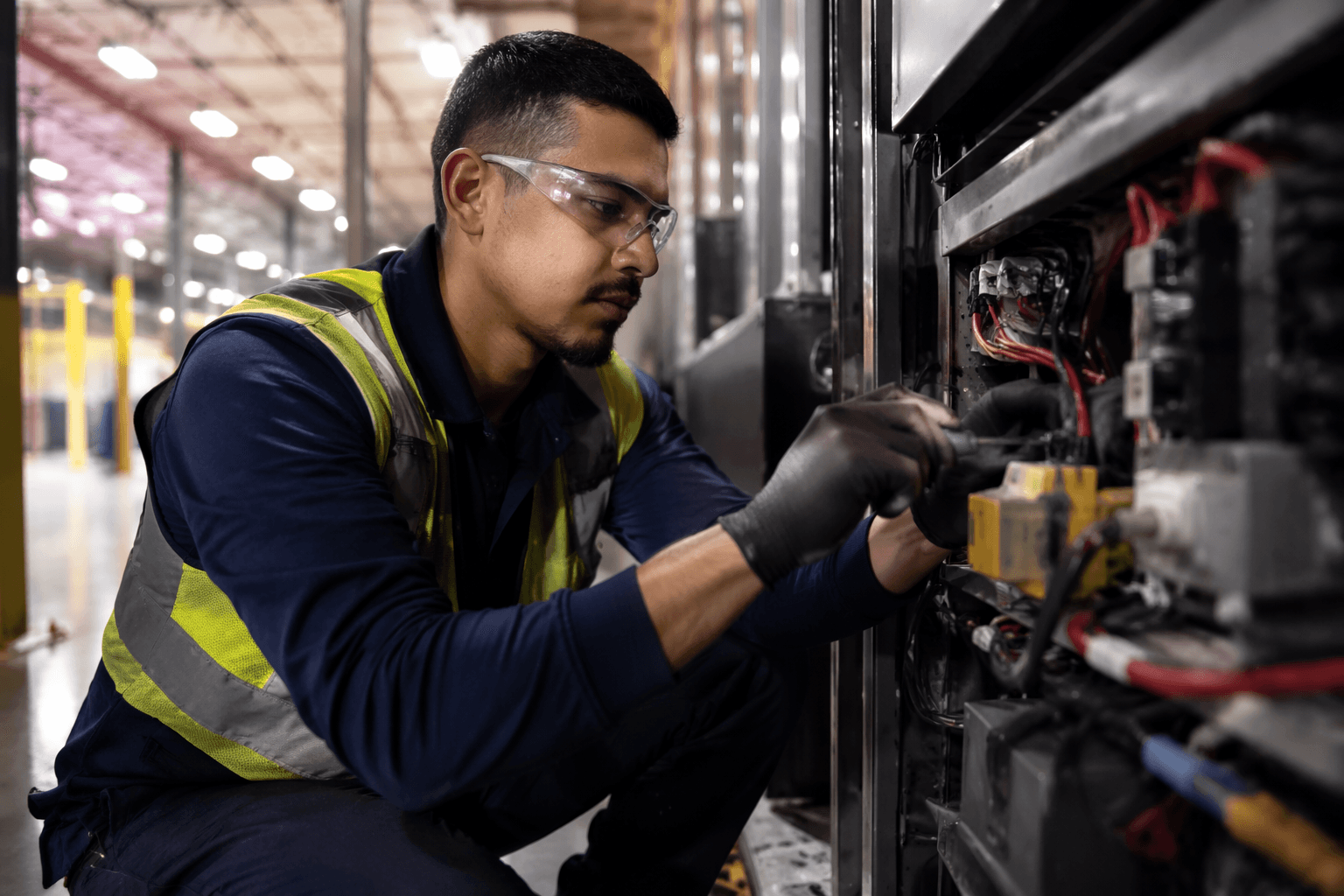
The daily work changes just as sharply. Instead of being measured mainly by customer traffic, stocking volume or front-end speed, a technician is judged by whether the store’s critical systems keep operating. That includes refrigeration, HVAC, reliability and automation, the kinds of jobs that matter when a cooler fails, a system goes down or a machine needs upkeep. For an associate looking for a step away from retail routine, that is the real tradeoff: less floor work, more technical responsibility, and a job where downtime is the problem you are paid to prevent.
The program’s expansion also suggests that Walmart sees this as more than a local experiment. In June 2025, the company said it was expanding Associate-to-Technician to new training locations in Indiana and Florida. That move points to a pipeline that is growing beyond Dallas-Fort Worth and becoming part of the company’s broader workforce strategy.
What the examples show about the path
Walmart World has used individual associates to show what the path can look like in practice. Gabby, in the Elk Grove, California area, moved into technician training and now oversees maintenance for two stores. That is the kind of detail that matters to a worker wondering whether the program actually leads somewhere. It shows the training can translate into real responsibility, not just a badge on a learning portal.
Liz Cardenas is another example Walmart highlighted. She said the program opened a field she had thought of as male-dominated, which speaks to another side of the initiative: it is meant to widen the pool of candidates entering trades that have historically felt closed off to many hourly workers. If you have ever assumed maintenance is a closed club, Walmart is clearly trying to challenge that assumption.
Those stories also help explain why the company promotes A2T as part of a larger skills-first system rather than a one-off class. The point is not only to fill open jobs. It is to make the next move feel like something an associate can picture without leaving the company.
How it fits into Walmart’s internal ladder
A2T sits inside a much bigger investment story. Walmart says it has put $1 billion into associate training and development. The company also says 75% of salaried managers began as hourly associates, which is a reminder that its internal mobility model is not limited to technical jobs. It runs from the floor to leadership, and A2T adds a skilled-trades branch to that ladder.
Live Better U is part of that same picture. Walmart says the education benefit has produced significant tuition savings for associates, reinforcing the idea that the company is trying to keep workers inside its system as they move up or sideways into more specialized roles. For associates weighing whether to stay or go, that matters. A2T gives Walmart a way to tell workers there is a path from hourly retail work into a trade, with real pay potential and real operational value. For workers who want a more stable, more specialized job without starting over somewhere else, that is the clearest signal yet that the next move can still happen inside Walmart.
This article was produced by Prism’s automated news system from verified source data, official records, and press releases, then run through automated quality and moderation checks before publishing. The system is built and supervised by the people who set the standards it runs under. Read our full AI policy.
Know something we missed? Have a correction or additional information?
Submit a Tip