Walmart redesigns schedules to boost predictability, flexibility for associates
Walmart said core-hour schedules would lock in the same weekly shifts for at least 13 weeks, while the app let associates swap shifts and grab open ones.

Walmart’s scheduling overhaul was built around one promise workers had been asking for for years: more control over when they work. The company said its My Walmart Schedule app let associates view schedules, swap shifts and pick up unfilled shifts, while core-hour schedules kept the same weekly shifts in place for at least 13 weeks. Walmart said nearly 2,000 stores already had associates on core-hour schedules when it announced the rollout, and that every U.S. store would have the option by early 2019.
That mattered because store scheduling at Walmart is not a simple calendar exercise. The company said its system had to account for several hundred associates per store and a mix of demand patterns across departments, holidays and peak shopping hours. In stores where the system was tested, Walmart said associates liked learning different parts of the store and could pick up extra shifts after they were trained in a skill. By July 2019, Walmart said the scheduling system had been deployed to more than 1.1 million associates across 4,600 stores.

The practical value for hourly workers was predictability. Schedules posted two weeks in advance give associates a chance to plan doctor visits, school pickups, childcare and second jobs before a shift becomes a problem. Walmart’s 2023 scheduling explainer said set schedules can run up to 40 hours per week, and that hourly associates can earn up to 48 hours of Protected PTO a year in many locations. The company also said Protected PTO covers unauthorized absences, including missed shifts, tardies and early outs, when enough time is used to satisfy the attendance policy.
Walmart paired the scheduling system with a broader attendance reset. On Feb. 1, 2019, the company said more than 300,000 hourly associates had spotless attendance records and that eligible hourly workers could earn an additional 25% on quarterly cash bonuses tied to store performance. That turned scheduling into more than a staffing tool; it became part of the compensation system too, rewarding people who could stay within the rules while still preserving some flexibility.
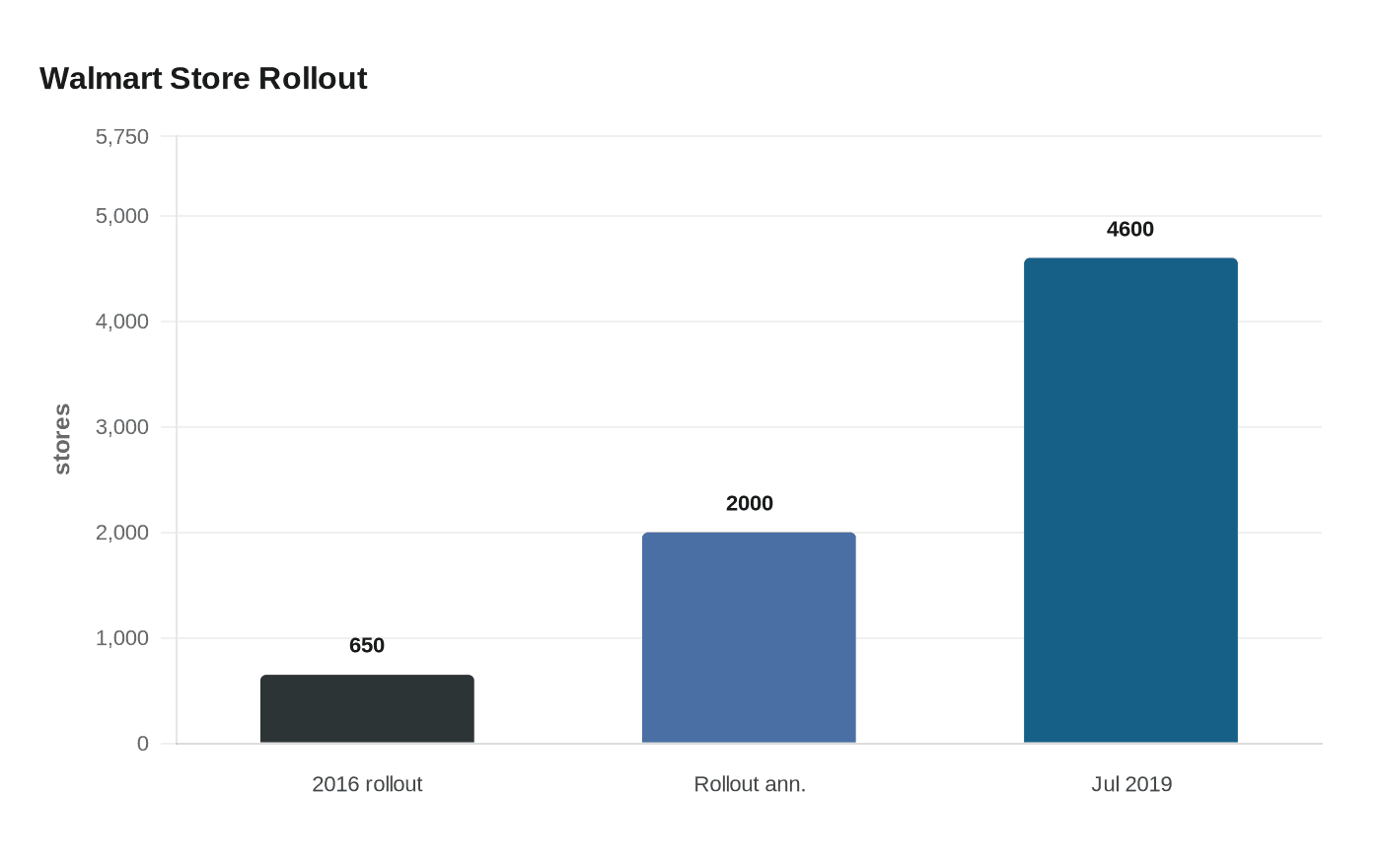
The move also fit a longer history. Walmart’s earlier Customer First Scheduling rollout began in 2016 in about 650 Neighborhood Market stores, with the company saying it was designed to staff peak times and let some workers keep fixed shifts for six months at a time. The 2018 app and core-hours push was the next step in that same effort: less chaos for associates, steadier coverage for stores, and a clearer path for workers trying to hold onto their time.
This article was produced by Prism’s automated news system from verified source data, official records, and press releases, then run through automated quality and moderation checks before publishing. The system is built and supervised by the people who set the standards it runs under. Read our full AI policy.
Did this article answer your question?