Walmart remodels shift checkout mix, raising concerns over SCO staffing
Remodeled Walmarts shifted checkout layouts, cutting manned lanes and leaving self-checkout banks thinly staffed. Associates say this heightens shrink risk and increases front-end workload and stress.

Remodeled Walmart stores in multiple areas have reduced or in some cases eliminated staffed checkout lanes, leaving self-checkout (SCO) areas unattended or monitored by a single associate, workers reported. The layout changes, flagged by associates on January 11, vary widely by store, some remodels rely heavily or exclusively on SCOs while neighboring stores retain manned registers.
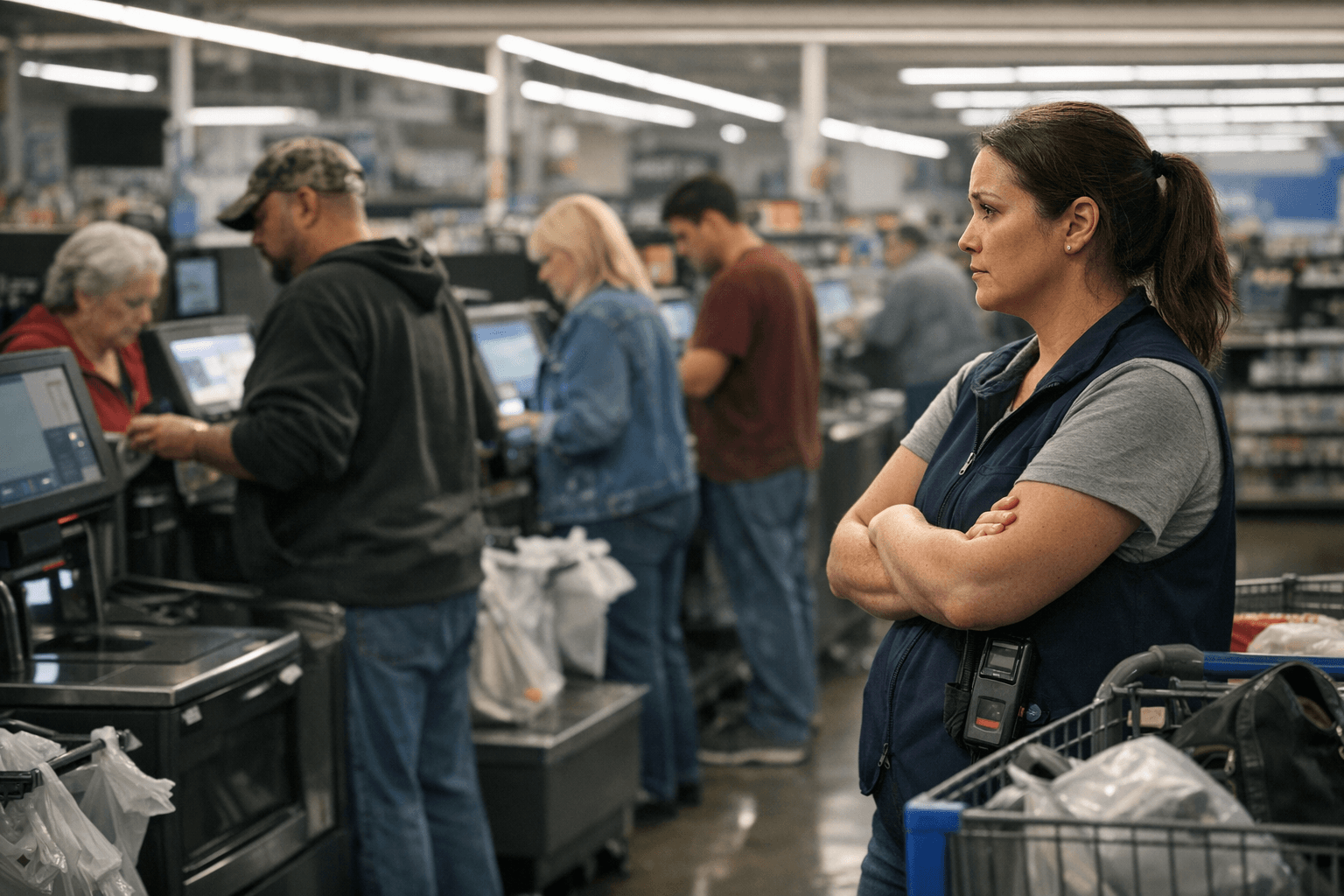
Front-end associates describe being stretched between monitoring multiple SCO points and performing other duties such as bagging, customer service and lane management. One associate reported being the only person watching many SCO stations at once, and several commenters said reduced or unattended SCO banks make it difficult to watch for theft while also handling other front-end tasks. A few users said their stores had removed manned registers months earlier, suggesting the trend is not limited to recent remodels.
The result, associates say, is increased pressure during peak periods and a potential decline in customer service. With fewer manned registers available, lines and delays can grow when crowds spike, and remaining front-end staff face competing responsibilities that can blunt their ability to assist shoppers, resolve price checks or handle age-restricted sales. Associates also raised concerns about shrink and theft risk when SCO stations are understaffed, and about associate safety when fewer colleagues are available to respond to incidents.
Store-by-store variance complicates how workers experience the changes. In some locations remodels produced nearly 100 percent SCO setups, while others kept a mix of staffed lanes and self-checkout. That inconsistency can leave associates in identical roles facing very different workloads depending on their store's post-remodel strategy.
These staffing and configuration shifts intersect with broader operational priorities at the front end. Self-checkout reduces labor spent scanning items but transfers monitoring and loss-prevention duties to associates who may already be tasked with multiple responsibilities. Associates say that without adequate staffing or clear procedures, the burden increases on those remaining on the front line.
For Walmart associates, the immediate implication is a heavier and more complex front-end workload, with potential consequences for customer experience and shrink. For managers and corporate leaders, the reports point to a need to balance efficiency gains from SCO with sufficient staffing, supervision and loss-prevention measures. Going forward, associates are likely to watch staffing patterns and remodel outcomes closely, and stores that pair SCO expansion with adequate front-end coverage will be best positioned to avoid service and safety problems.
Know something we missed? Have a correction or additional information?
Submit a Tip