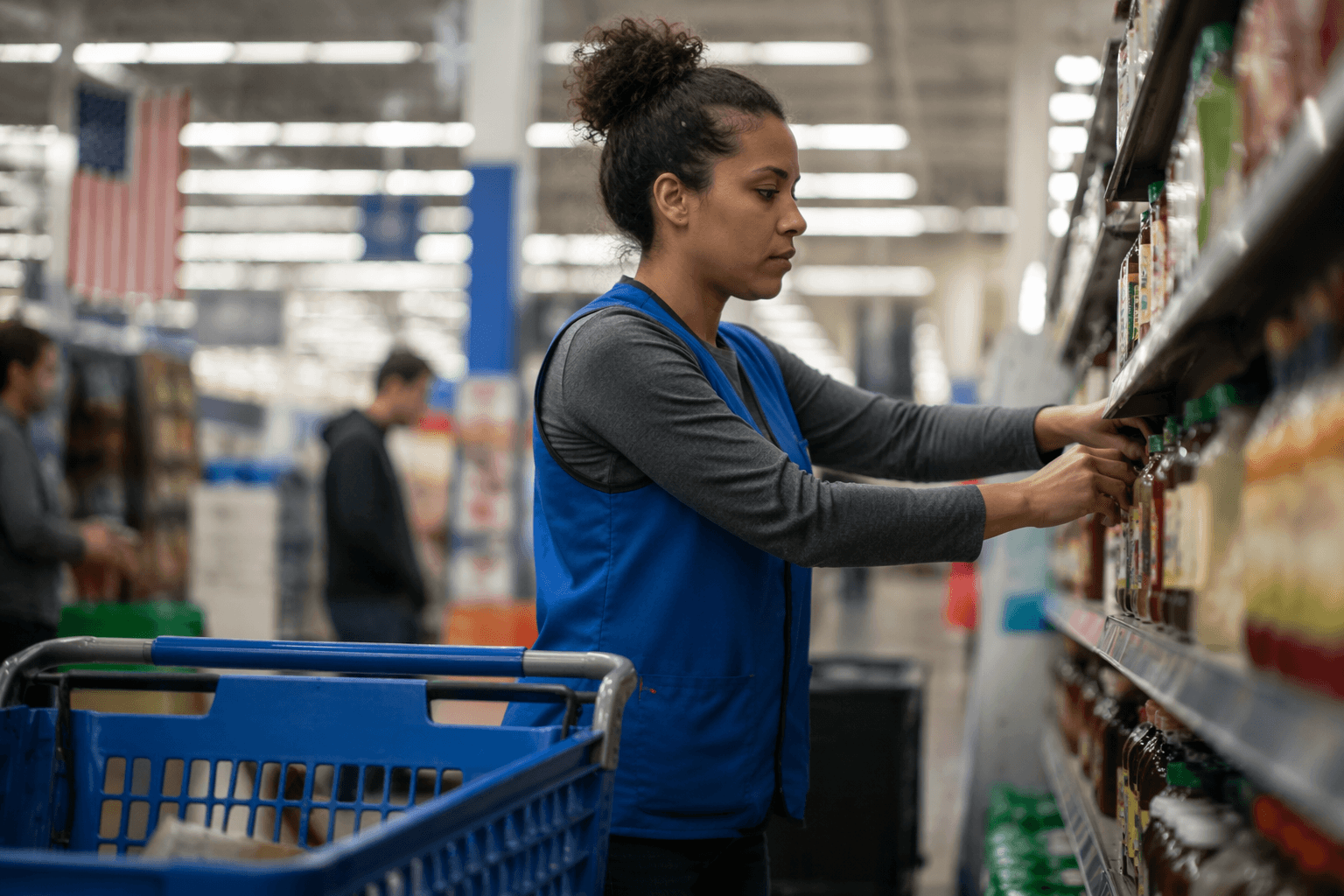
Walmart tells associates to stop work when conditions are unsafe
If a task, hallway, or machine feels unsafe, Walmart says stop and report it immediately. The playbook below shows who to tell, how to escalate, and what happens if nothing changes.
Stop first, then sort it out
The safest move at Walmart is the least glamorous one: stop the task the moment conditions do not feel right. The company’s own guidance says to stop working if conditions are unsafe, use proper protective equipment, follow safe driving requirements, and only operate machinery or equipment you have been trained to use.
That matters on a crowded back room floor just as much as it does in a pickup area, parking lot, or stockroom aisle. If a forklift is being used without proper certification, if an emergency exit corridor is blocked, or if walkways are clogged and a manager waves it off, the answer is not to push through and hope for the best. The hazard needs attention now.
What to do in the moment
1. Stop the task immediately.
If the job cannot be done safely, do not keep going just to stay on pace. Walmart’s safety guidance is explicit that unsafe conditions are a reason to stop work.
2. Make the hazard plain.
Say exactly what is wrong: blocked aisle, blocked exit, missing protective gear, uncertified equipment, aggressive behavior, or a driver violating safe driving rules. Keep the description specific so the person who hears it cannot mistake it for a vague complaint.
3. Tell the right person right away.
For an immediate danger, Walmart’s Code of Conduct says to call emergency services and notify your supervisor or another manager immediately. For other concerns, the company says to report them to a manager, next-level manager, or People Lead. Concerns can also go to Ethics & Compliance or Legal.
4. Write down what happened.
Make a note of the time, location, what you saw, and who you told. If the first person shrugs it off, that record gives you a clean trail when you escalate to someone else.
The hazards Walmart says you should not ignore
Walmart’s guidance is built around concrete hazards, not abstract slogans. Crowded back rooms with blocked walkways are a safety problem. So is any emergency exit corridor that is blocked, because that can slow evacuation when seconds matter.
The company also draws a hard line around equipment use. Only associates trained to use machinery or equipment should operate it, which makes an uncertified forklift use case more than a paperwork issue. The same applies to safe driving rules and protective equipment: if the job calls for gear or a driving standard, those protections are part of the task, not optional extras.
The guidance also addresses impairment. Associates should not be working under the influence of alcohol, which puts the responsibility on the worker and on the people around them to speak up when something looks off.
How to escalate when the first answer is no
If a local manager does not resolve the issue, do not let the matter disappear into the shift schedule. Walmart says concerns are best addressed first with your manager, then your next-level manager or People Lead. If the problem persists, you can go to Ethics & Compliance, and reports are treated as confidentially as possible, with anonymous reporting available to the extent allowed by law.
That escalation path matters because retail pressure can make a bad answer sound practical. A manager may want the pallet moved, the aisle cleared, or the bin finished before lunch. But Walmart’s own policy says the correction comes before the speedup. If the person in front of you will not act, move up the chain and keep your own record of the hazard and the response.
For workers who need another route, Walmart also says reports can go to a salaried manager, Security Manager, or Asset Protection Manager when there is concerning behavior. That gives hourly associates and supervisors a few different doors to knock on, which is important when one leader is part of the problem.
When the issue is violence or a threat
Walmart says it has no tolerance for violence or threats affecting the workplace, associates, customers, members, or third parties. If there is immediate danger, the instruction is blunt: call emergency services and notify a supervisor or another manager immediately.
If there is not an immediate danger, but the conduct is still violent or threatening, Walmart says to report it to a salaried manager or to the Global Ethics Office at 1-800-WMETHIC, or 1-800-963-8442. That number is the one to remember when the situation is serious but not unfolding in real time.
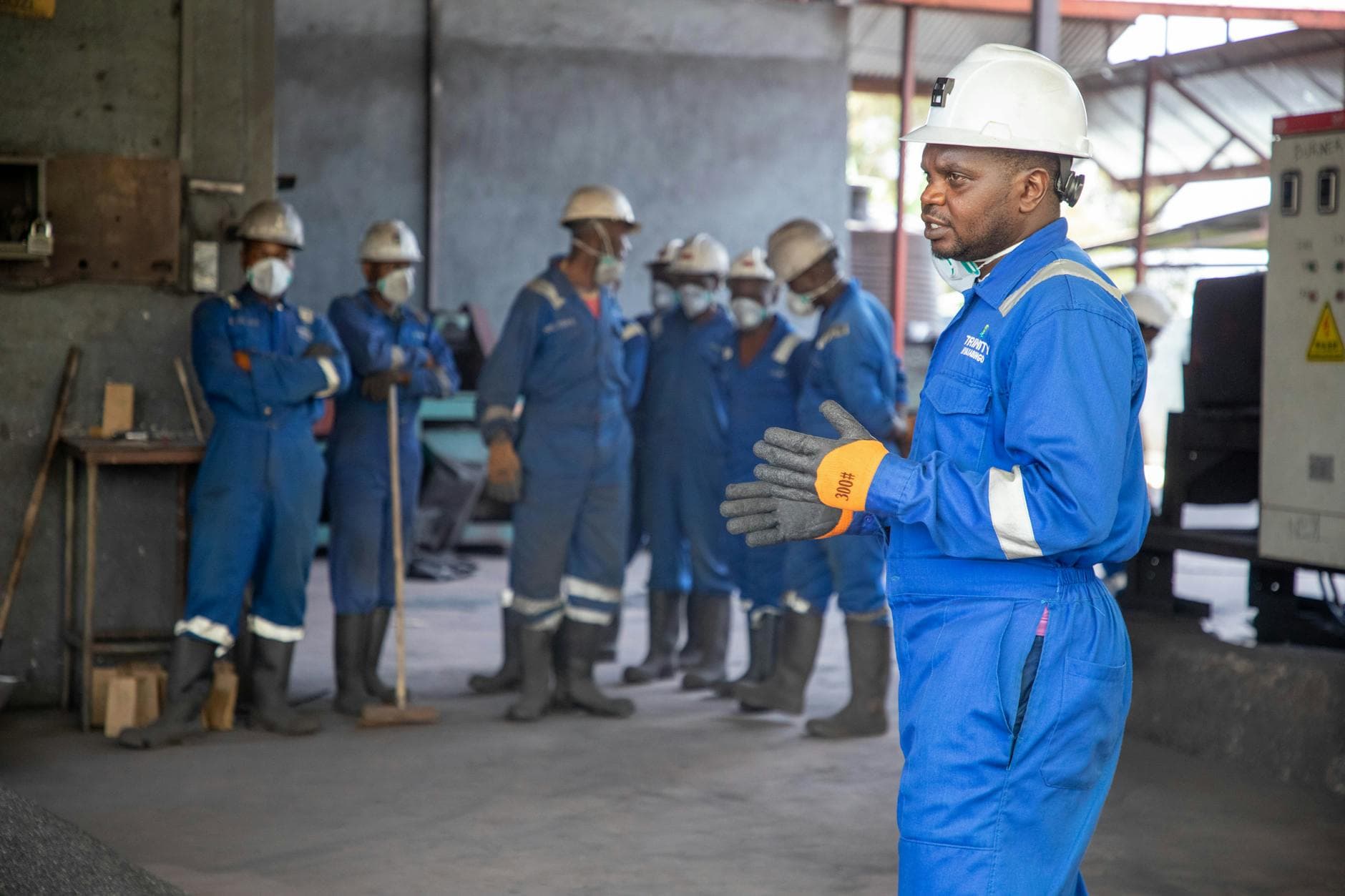
The company’s ethics materials also say concerns can be reported to a manager, People Lead, Ethics & Compliance, or Legal. In other words, the reporting path is wider than a single hotline, and the company says Ethics reports are handled confidentially as far as possible.
Why the training piece matters
Walmart’s safety rules only work if people are trained to do the work they are being asked to do. That is why the company’s training materials say only trained associates should operate machinery or equipment, and why contractor orientation materials treat mobile-equipment training, including fork trucks and scissor lifts, as a formal gate before use.
That training emphasis is not a small detail. Walmart Academy said in 2022 that it had expanded globally to help 2.1 million associates build and grow careers, which shows how much the company leans on training as part of its labor model. Walmart’s FY2025 ESG report also describes the company as having a large associate base and frames shared value around economic opportunity for associates. Safety, in that context, is not separate from training and advancement. It is part of whether the work is being done by someone who is actually prepared to do it.
Walmart also says multiple translated versions of the Code of Conduct are available, which matters on a workforce this large and diverse. If the policy is supposed to protect people on the floor, the language has to be reachable, not hidden behind corporate jargon.
The bigger record behind the policy
This guidance does not exist in a vacuum. National Council for Occupational Safety and Health included Walmart in its 2019 Dirty Dozen employers report, which was released during Workers’ Memorial Week to draw attention to unsafe practices. OSHA’s public enforcement database also includes Walmart establishment violation records from 2024, showing that the company’s safety record continues to draw federal scrutiny.
Good Jobs First’s Violation Tracker adds another layer, showing billions of dollars in Walmart parent-company penalties across many records since 2000. That history is why a clear safety escalation path matters so much at the store level. When a worker says a back room is blocked, a machine is being used by someone untrained, or a threat needs attention, the right response is not delay. It is to stop, report, document, and escalate until the hazard is corrected.
This article was produced by Prism’s automated news system from verified source data, official records, and press releases, then run through automated quality and moderation checks before publishing. The system is built and supervised by the people who set the standards it runs under. Read our full AI policy.
Did this article answer your question?