Walmart workers report severe understaffing while corporate calls stores overstaffed
Store employees reported severe understaffing while corporate labeled stores 'heavily overstaffed', affecting hours, workloads and safety.
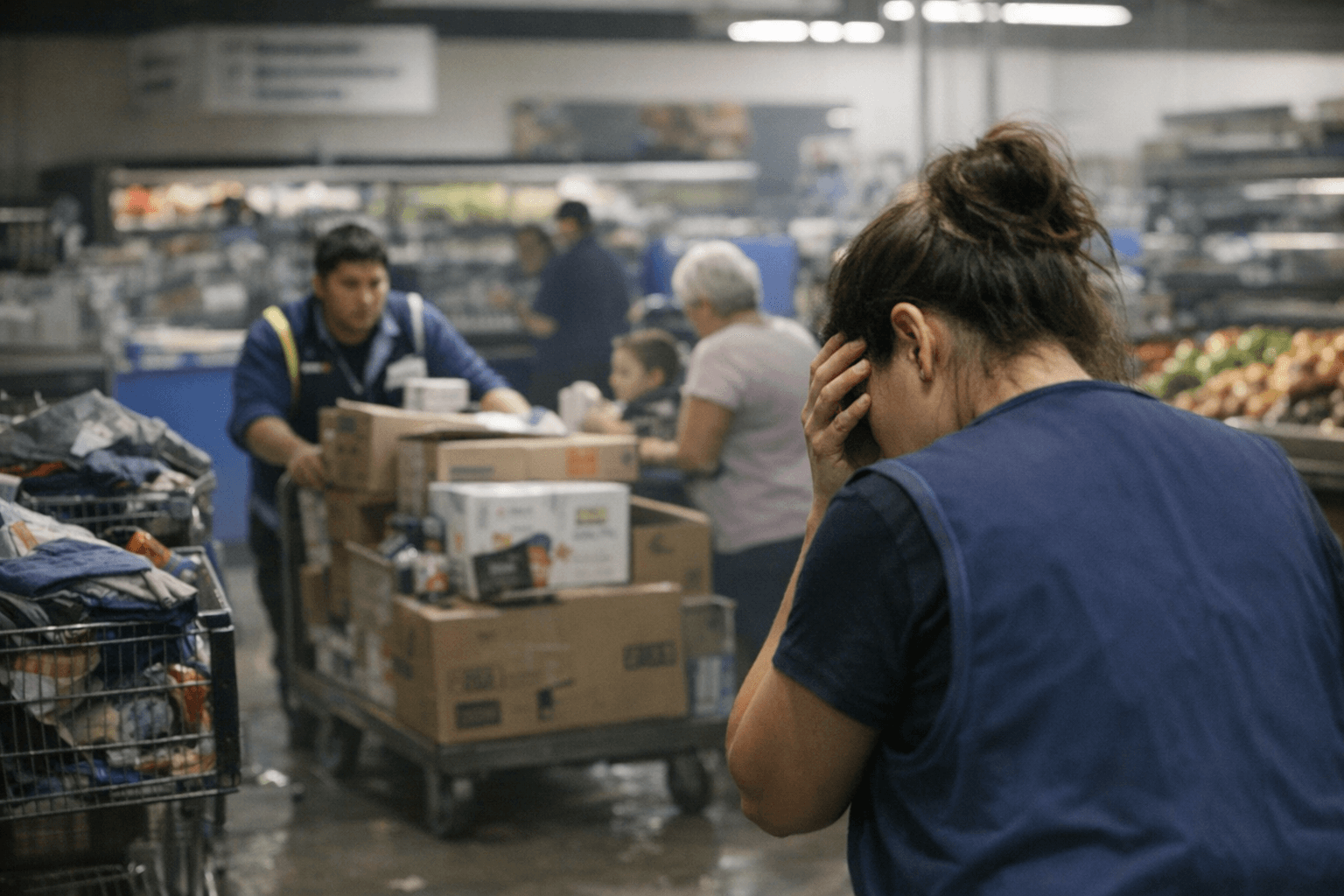
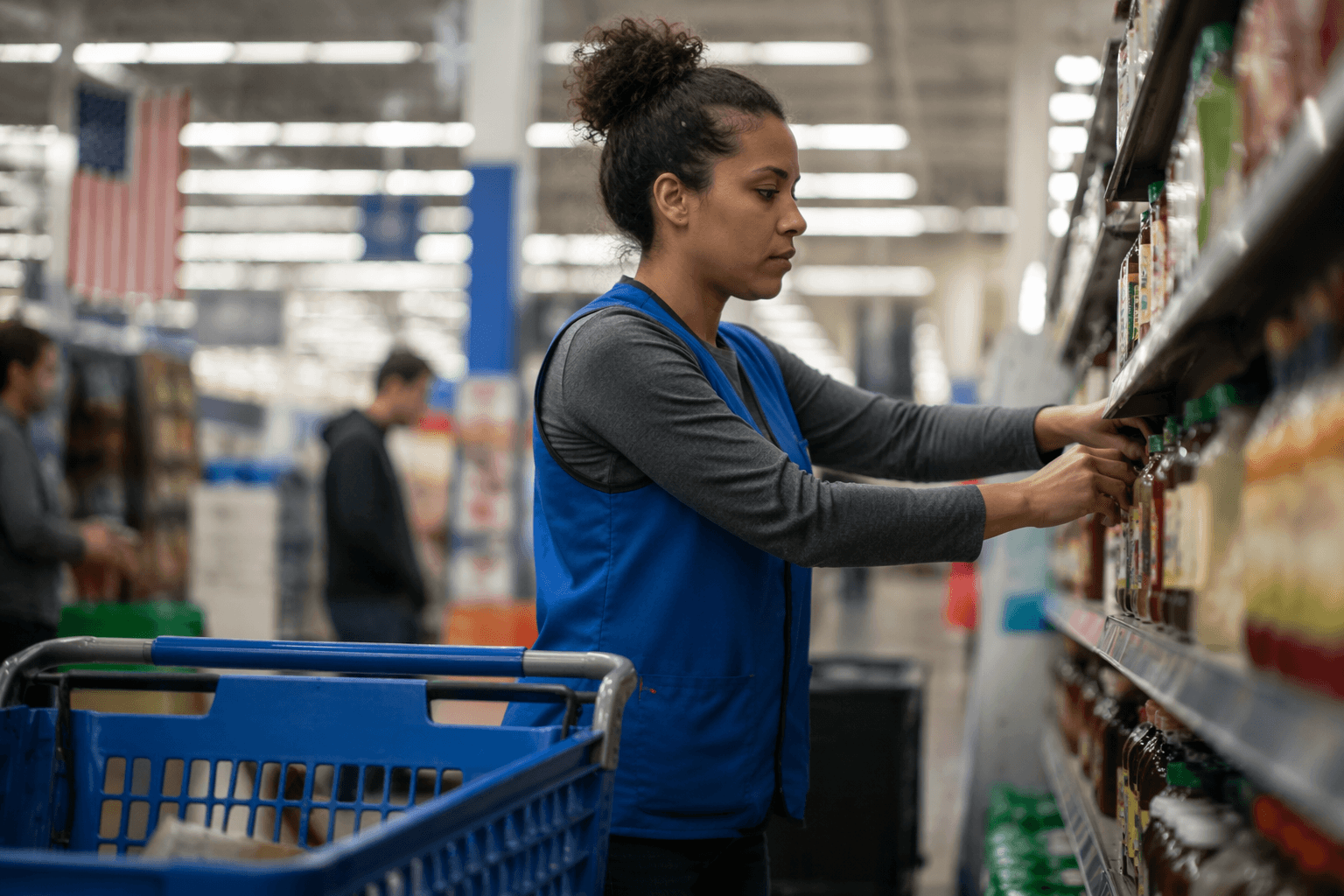
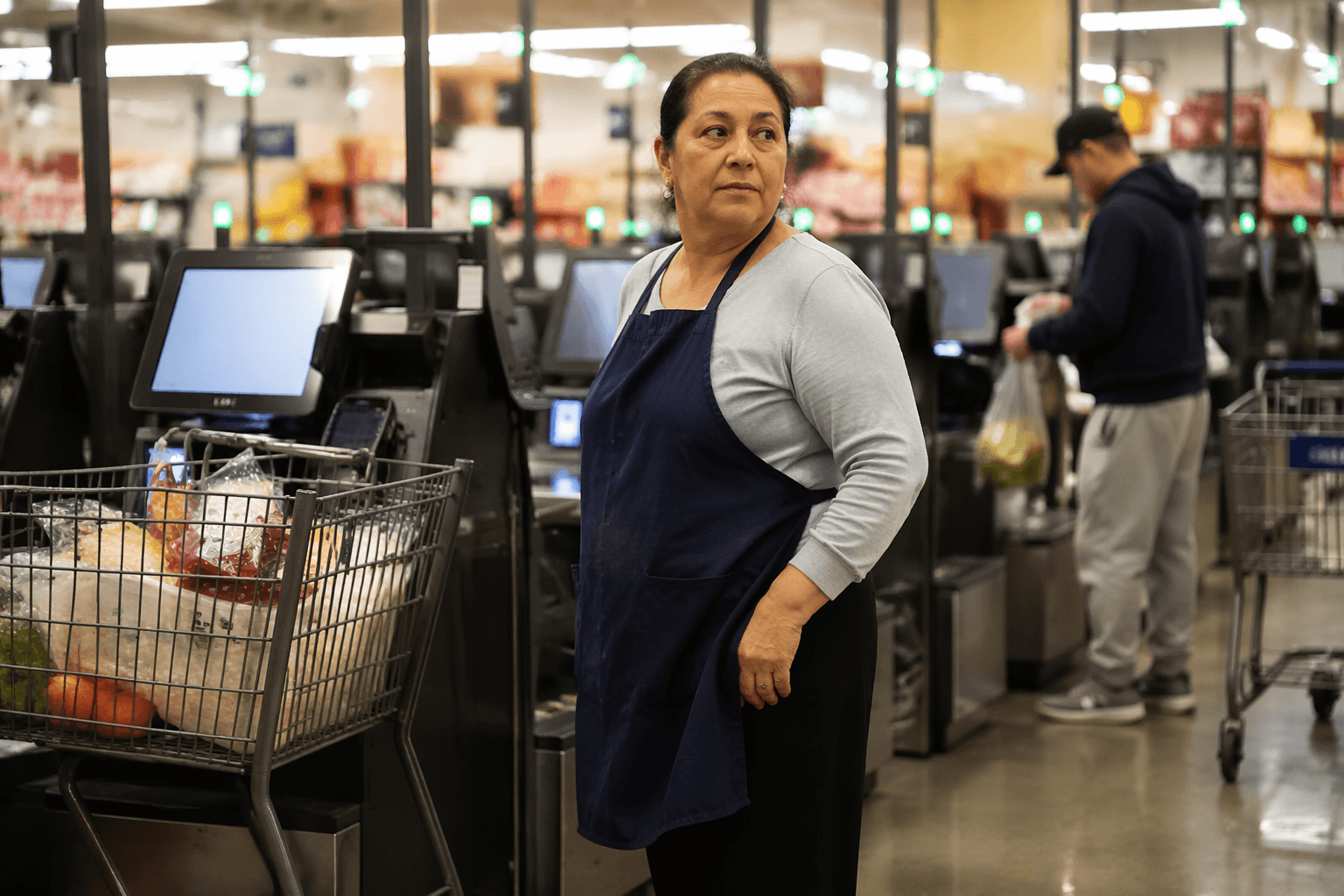
Store-level employees reported a sharp disconnect between frontline conditions and corporate staffing assessments, saying stores were operating far below adequate levels even as regional and corporate leaders labeled them "heavily overstaffed." Associates described chronic shortages across multiple departments - ODP, sales floor, cashiers, CAP/stock and OGP - producing longer shifts, pared hours and mounting backlogs.
Workers said core teams were reduced to two to four people performing tasks that previously required 10 staff, with CAP/stock teams and OGP pickup associates stretched thin. Several employees reported hours being cut while the same small group was asked to take later and longer shifts, including pulling pallets past midnight to clear freight. Remodel associates were reassigned to cover day-to-day operations, and broken equipment such as carts reportedly went unreplaced. Supervisors said they were instructed not to approve overtime even when workloads exceeded available labor.
Those operational strains produced concrete effects on store performance and worker safety. Backlogs in CAP/stock created shelf outages and delayed replenishment, OGP orders accumulated, and cashiers faced steady pressure during peak hours. The combination of reduced staffing, denied overtime and longer shifts increased fatigue risks and contributed to morale problems that employees said could raise turnover. Some associates linked understaffing decisions to management incentives and bonuses, arguing staffing levels were being set with store-level metrics or cost targets in mind rather than frontline needs.
The mismatch between corporate staffing assessments and store reports highlights tensions in how labor needs are measured. Managers at the store level told employees they were experiencing shortages even as regional leaders repeatedly classified staffing as excessive. That disconnect is significant for both daily operations and longer-term workforce planning: staffing models that do not reflect on-the-ground realities can erode trust between associates and management, create additional recruiting and retention challenges, and raise exposure to workplace injuries if tasks normally shared among more staff fall on too few people.
For Walmart associates, the immediate consequences are heavier workloads, unpredictable hours and potential safety concerns; for managers, the pressure to meet productivity targets with fewer bodies. For corporate leaders, the reports underscore a need to reconcile scheduling and staffing algorithms with store-level inputs and to address equipment and overtime policies that employees identify as pain points.
What comes next will determine whether these staffing gaps remain localized or prompt broader operational adjustments. Associates will be watching whether store-level reports lead to revised labor allocations, clearer overtime approvals or targeted equipment replacement that can ease strain on crews and stabilize day-to-day operations.
This article was produced by Prism’s automated news system from verified source data, official records, and press releases, then run through automated quality and moderation checks before publishing. The system is built and supervised by the people who set the standards it runs under. Read our full AI policy.
Did this article answer your question?