Walmart's Digital Shelf Labels Draw Scrutiny From Lawmakers, Unions
The UFCW warned Walmart's digital shelf labels could let retailers "hike prices in the shopping rush before a snowstorm" and leave workers explaining sudden price changes to confused shoppers.
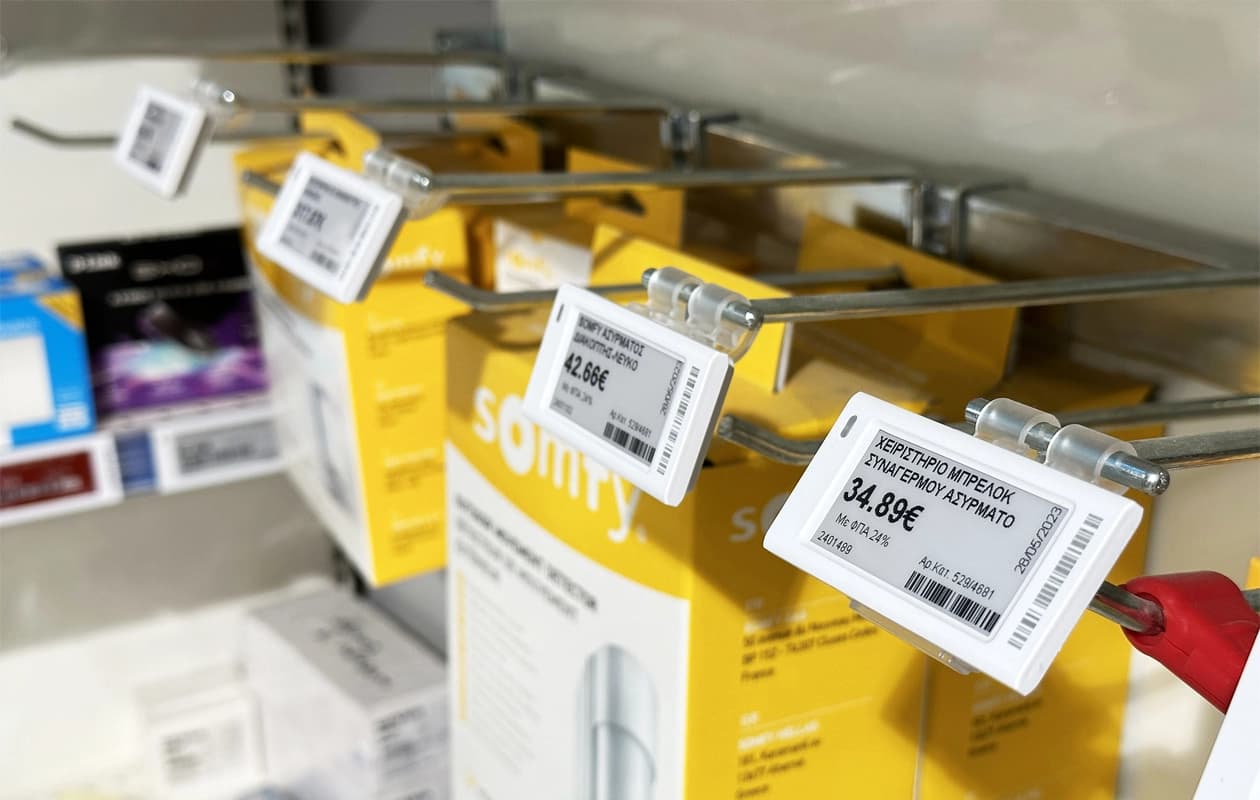
The United Food and Commercial Workers union moved quickly after Walmart announced a chain-wide rollout of digital shelf labels, urging New York state lawmakers on March 6 to enact surveillance pricing protections before the technology spreads further. The UFCW's call came as a wave of state and federal proposals targeting electronic shelf labels and algorithmic pricing was already building in statehouses and on Capitol Hill.
Walmart says about 2,300 of its U.S. locations already use digital shelf labels, which update prices automatically through the company's central pricing system rather than requiring associates to print and walk replacement tags aisle by aisle. The retailer has been making the switch since 2024 and plans to convert the rest of its U.S. stores within the next year.
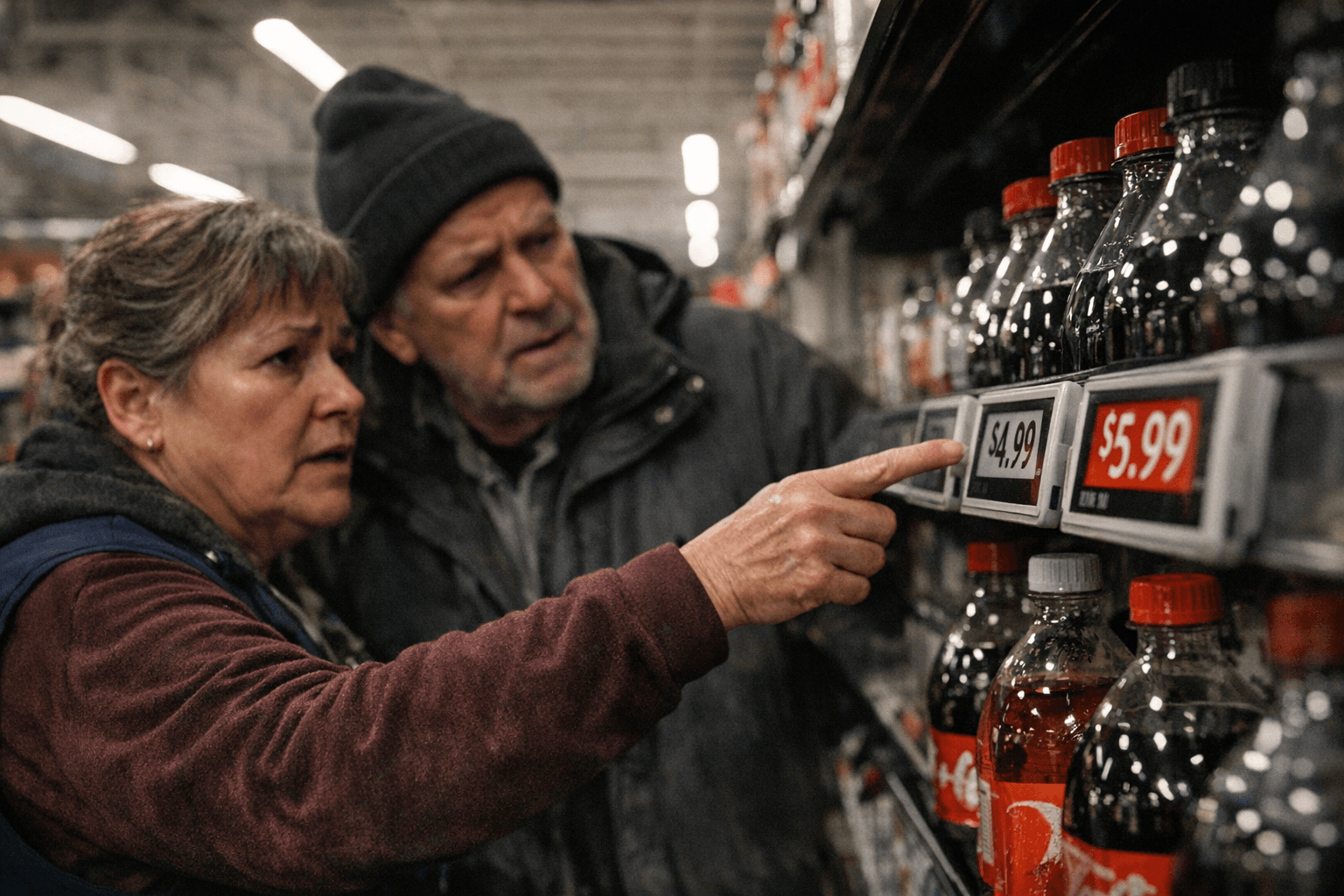
UFCW Vice President Ademola Oyefeso laid out the union's concern bluntly. "With this technology, retailers will be able to hike prices in the shopping rush before a snowstorm or after school lets out," Oyefeso said in a written statement. "The concept of a fair price no longer exists with electronic shelf labels. And it is not only consumers who will suffer. Workers could see their hours cut or could have to explain price changes to confused shoppers."
The union's warning points to two distinct pressures on store-level associates: a potential reduction in the label-replacement labor that has traditionally been part of price-change workflows, and a new customer-facing burden when shelf prices shift faster or more frequently than shoppers expect.
Underlying the concern is the practice known as surveillance pricing, defined as tailoring prices based on factors including a shopper's search history, social media habits, and location. A Consumer Reports and Groundwork Collaborative investigation found the practice had already been used by Instacart at retailers including Target and Costco. Critics, including the UFCW and several lawmakers, argue that electronic shelf labels create the infrastructure for demand-based, time-of-day, or income-inferred pricing to move into physical stores.
New York has moved further than most states on the issue. The Algorithmic Pricing Disclosure Act, championed by state Attorney General Letitia James, went into effect in November, requiring most companies using algorithmic pricing to disclose when they are using customers' personal data to set individualized prices. Two additional bills introduced in December seek to restrict the practice further. Tennessee has also seen legislation proposed to limit or ban the technology in grocery stores.
At the federal level, Grocery Dive reported on March 17 that a wave of state and federal proposals aimed at restricting surveillance pricing and, in some cases, banning electronic shelf labels from grocery stores had taken shape, including a U.S. Senate bill, though details of the Senate measure were not immediately available.
The scrutiny intensified after reports that Walmart had secured patents for two tools designed to give algorithms greater influence over pricing decisions, a development that drew attention precisely because it arrived alongside the physical rollout of labels capable of updating prices across thousands of stores in real time. Walmart has pushed back on the framing, reiterating that its digital shelf label system is not designed for dynamic pricing, though the company has not provided a complete public accounting of what data the system uses or how pricing decisions are made.
Public sentiment adds pressure to the regulatory push. A December survey by Talker Research found that 62 percent of U.S. adults were somewhat or very concerned about personalized pricing, a figure that underscores how quickly the issue has moved from a niche tech debate to a mainstream consumer worry.
For Walmart associates, the practical stakes sit at the intersection of those two currents. The digital labels are accurate by design: price mismatches between the shelf and the register, which can occur when paper tags are not replaced quickly enough, are a known problem the technology solves. But if the same infrastructure eventually enables faster or more opaque price changes, the associates fielding shopper complaints at the shelf will be first to absorb the friction.
This article was produced by Prism’s automated news system from verified source data, official records, and press releases, then run through automated quality and moderation checks before publishing. The system is built and supervised by the people who set the standards it runs under. Read our full AI policy.
Did this article answer your question?