11 bridal trends shaping spring 2026 wedding dresses
Spring 2026 bridal puts the waist in charge, then builds drama with bows, lace and detachable pieces that actually make sense in salons.

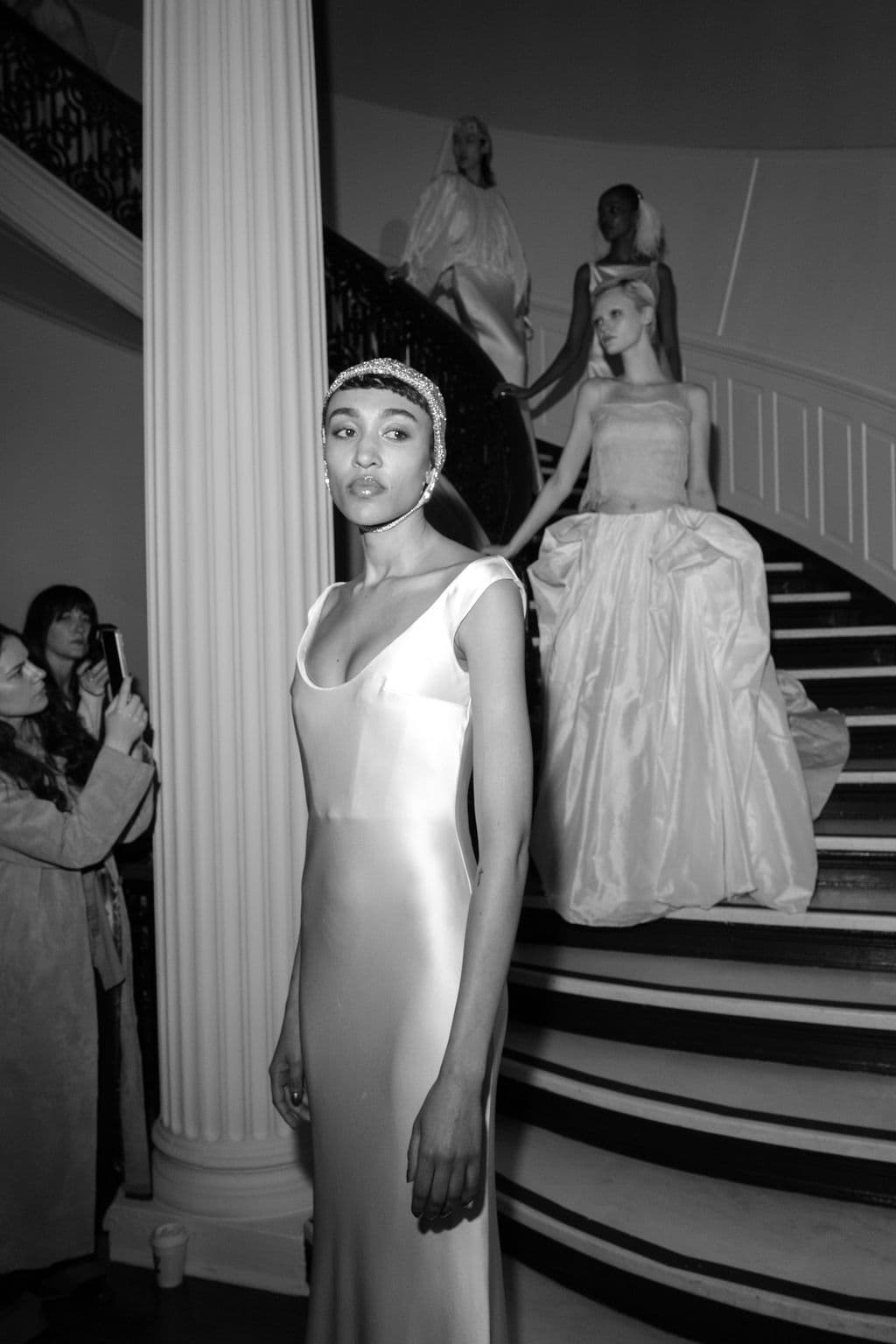
At New York Bridal Fashion Week, spring 2026 was not about inventing a new bride so much as tightening the silhouette she already knows. Designers from Andrew Kwon to Oscar de la Renta, Monique Lhuillier, Galia Lahav and Amsale kept returning to the same idea: define the waist, then decide whether the rest of the dress should fall in a clean column, a sweeping skirt or a detachable second act.
That is why this season feels unusually useful for real shopping. The most likely runway ideas to land in salons are the ones that solve fit and styling problems, while the more editorial flourishes, sheer layers, historic references and painterly florals, will appeal to brides who want a clearer point of view rather than pure convention.
Corsetry returns as the architecture
Corsetry was the backbone of just about every major bridal collection in the spring 2026 season, and that alone makes it the most commercially potent trend in the group. It is the kind of detail brides can feel the minute they step into a gown: the bodice sits higher, the waist reads cleaner, and the whole dress suddenly has a point of view.
For formal ballroom weddings, corsetry gives an upright, polished shape that needs little extra jewelry or styling. For budget-conscious customization, it is also one of the easiest places for a salon to adjust fit without changing the mood of the dress.
Draped basque waists sharpen the hourglass
The basque waist is back, but it is softer and more fluid than the severe versions that can feel costume-like. In the spring 2026 collections, designers paired draping with that dipped waistline so the shape reads sculptural rather than rigid, which makes it far easier to wear beyond the runway.
This is the silhouette most likely to move quickly in salons because it delivers instant drama without demanding a huge skirt or heavy embellishment. It is especially strong for a fashion-city wedding, where a bride wants something memorable from the front and elegant in motion.
Slim columns and mermaid lines keep the look modern
Not every bride is going voluminous this season. WWD’s spring 2026 coverage showed slimmer columns and mermaid gowns sitting right alongside the grander shapes, and that balance matters because it keeps the trend story from tilting too far into fantasy.
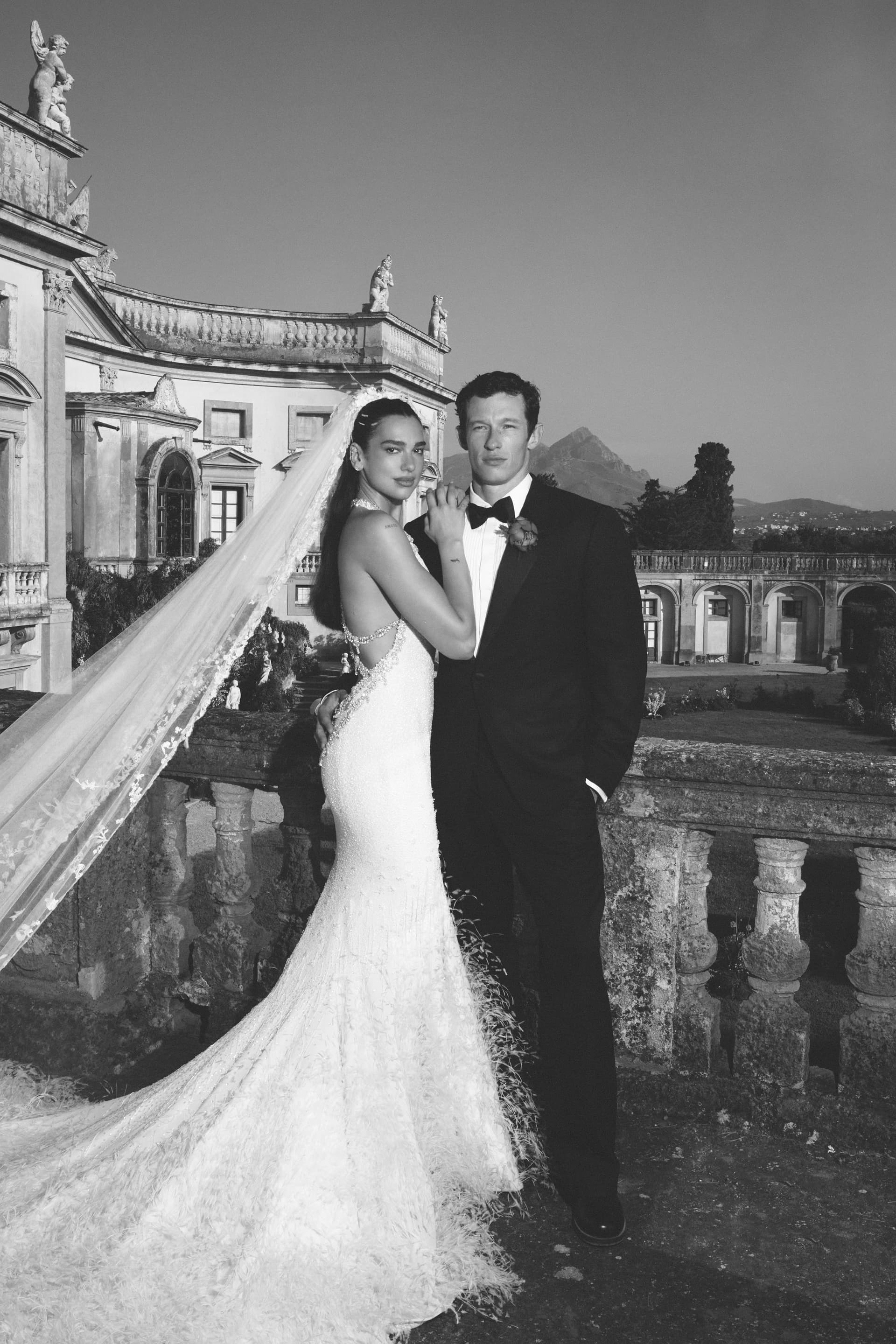
These cleaner lines will have broad salon appeal because they flatter the body without overwhelming it, especially for city weddings, intimate ceremonies and brides who want the ceremony gown to still feel easy at dinner. The mermaid read, when handled well by labels like Galia Lahav or Lihi Hod, brings shape and sex appeal without the maintenance of a full ball skirt.
Ball skirts are getting larger and more theatrical
The opposite impulse is just as strong: larger-than-life ball skirts are back, and they are not trying to be subtle. In the spring 2026 collections, the volume often felt rounded and rounded again, almost as if the skirt itself was the punctuation mark.
This is the look most likely to stay powerful in editorial images and formal ballroom settings, where the bride has the space for that kind of sweep. It is less practical for a cramped venue or a destination ceremony, but it remains irresistible to brides who want the dress to announce the room before they do.
Bows are bigger, looser and more playful
Bows keep growing, and the spring 2026 version is far less precious than the small satin bow of past seasons. WWD noted that the detail has been getting larger and more playful, which gives it a fresh edge and keeps it from feeling like a childhood trope.
This is one of the easiest trends to translate into real sales because a bow can be built into the back, cinched at the waist, perched on a shoulder or made detachable for the reception. It is a natural fit for second looks and for brides who want one signature detail without committing to a fully embellished gown.
Lace is softer, richer and more allover
Allover lace has reasserted itself as a major bridal story, but the mood is less stiff and more tactile. The best versions feel layered and dimensional, with softer lace that reads romantic rather than formalwear-heavy.
That makes lace one of the safest bets for salons because it works across price points and silhouettes, from sheath dresses to grander skirts. It also gives a bride a lot of visual impact without relying on heavy beading, which is why it remains a favorite for classic ceremonies and church weddings.
Sheer layering is the most photogenic transparency
Sheer layers are everywhere in bridal right now, but they remain more image-driven than universally practical. Done well, they bring a whisper of exposure through tulle, organza or lace overlays, letting the body show through without making the dress feel naked.
This trend is strongest for brides who want a modern fashion look, especially in a city setting or for a reception reveal. It is less suited to brides who need full coverage or want their dress to disappear into the background, because sheer layering always asks to be noticed.
Colorful florals are pushing bridal out of white-on-white
The spring 2026 collections also made room for colorful florals, and that is where the season gets a little more painterly. Instead of treating flowers as an accessory, designers used them as surface and mood, which makes the dress feel like part of a garden scene rather than just a white gown with decoration.
This is one of the more photogenic trends in the mix, and it will likely find its audience among brides planning outdoor ceremonies, destination weekends or fashion-forward city celebrations. It may not be the broadest salon seller, but in the right setting it turns the dress into the entire visual statement.
Victorian and vintage references keep deepening the romance
The historical thread running through the season is not a one-note throwback. Fashionista’s spring 2025 bridal coverage described collections mixing Victoriana with romantic signatures from the 1920s through the 1990s, and that multi-era approach still shapes spring 2026.
What makes this useful for brides is that the references do not need to be literal. A high neckline, a puffed sleeve, a corseted bodice or a fitted basque can nod to history without tipping into costume, which is exactly why these looks feel ready for modern salons.
Detachable skirts are the smartest two-part solution
If one trend feels tailor-made for the way brides actually dress now, it is the detachable skirt. It gives the ceremony the full sweep of a ball gown, then lets the bride shed the volume for the party without changing the whole personality of the dress.
That kind of versatility is pure salon gold because it solves the ceremony-to-reception problem in one move. It also makes the trend especially appealing for brides who want a luxury look but still need function, whether the celebration runs long, the dance floor matters more than the aisle or the budget needs one dress to do the work of two.
Bridal scarves and sleeves finish the look with the lightest touch
Scarves and sleeves may be the easiest add-ons of the season, and that is part of their appeal. A sleeve can change the proportion of a simple gown instantly, while a scarf brings softness and motion without the commitment of a full second garment.
These are the most budget-conscious customization tools in the story, because they allow brides to update a simpler dress with a fashion detail that reads deliberate. For destination ceremonies, church weddings or cooler evenings, they also add coverage without sacrificing the airy feeling that still defines spring 2026 bridal.
This article was produced by Prism’s automated news system from verified source data, official records, and press releases, then run through automated quality and moderation checks before publishing. The system is built and supervised by the people who set the standards it runs under. Read our full AI policy.
Did this article answer your question?