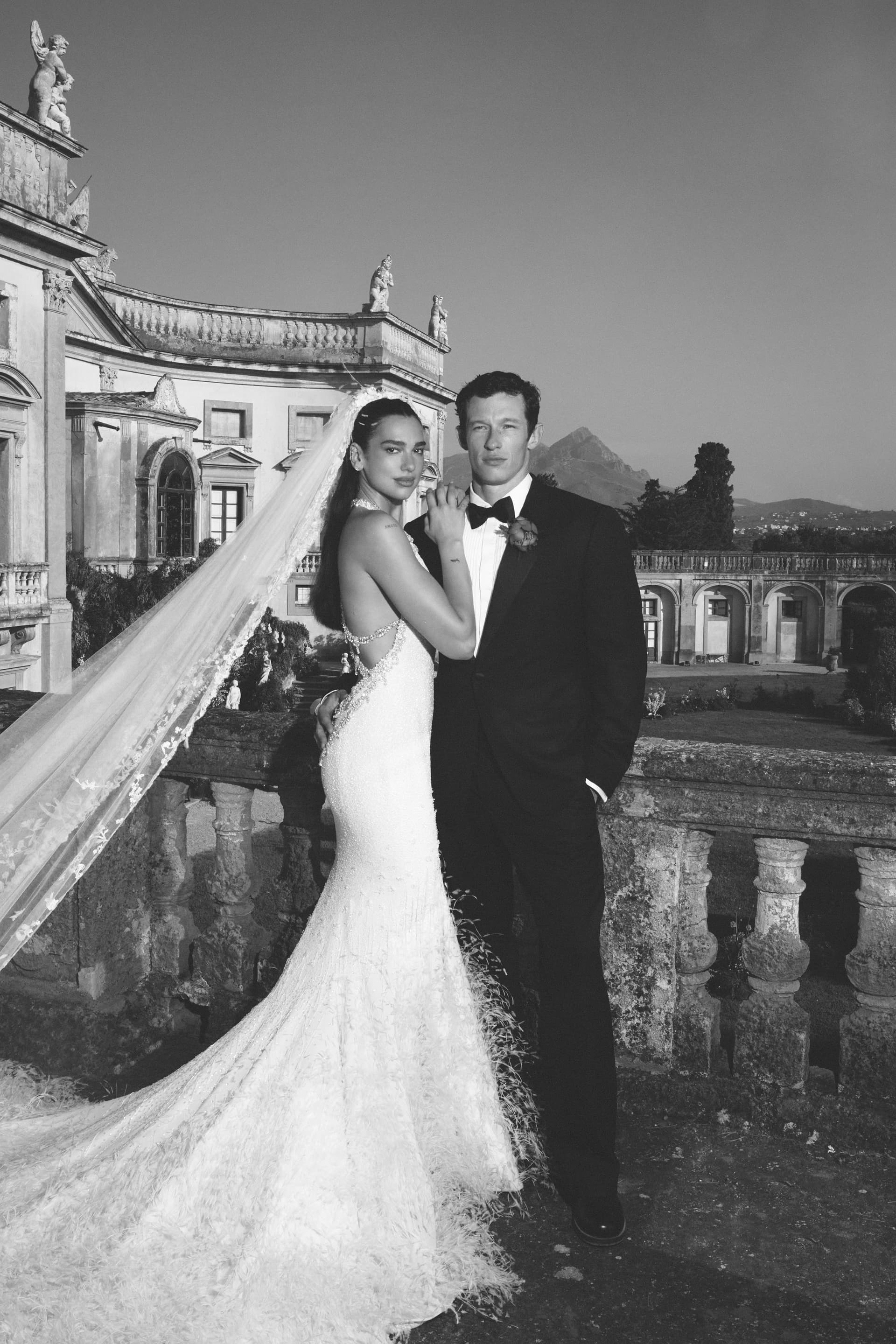
2026 brides turn the veil into a fashion-first statement
The veil is now the centerpiece, not the backup plan. In 2026, the smartest brides are choosing length, texture, and headwear to sharpen the whole look.
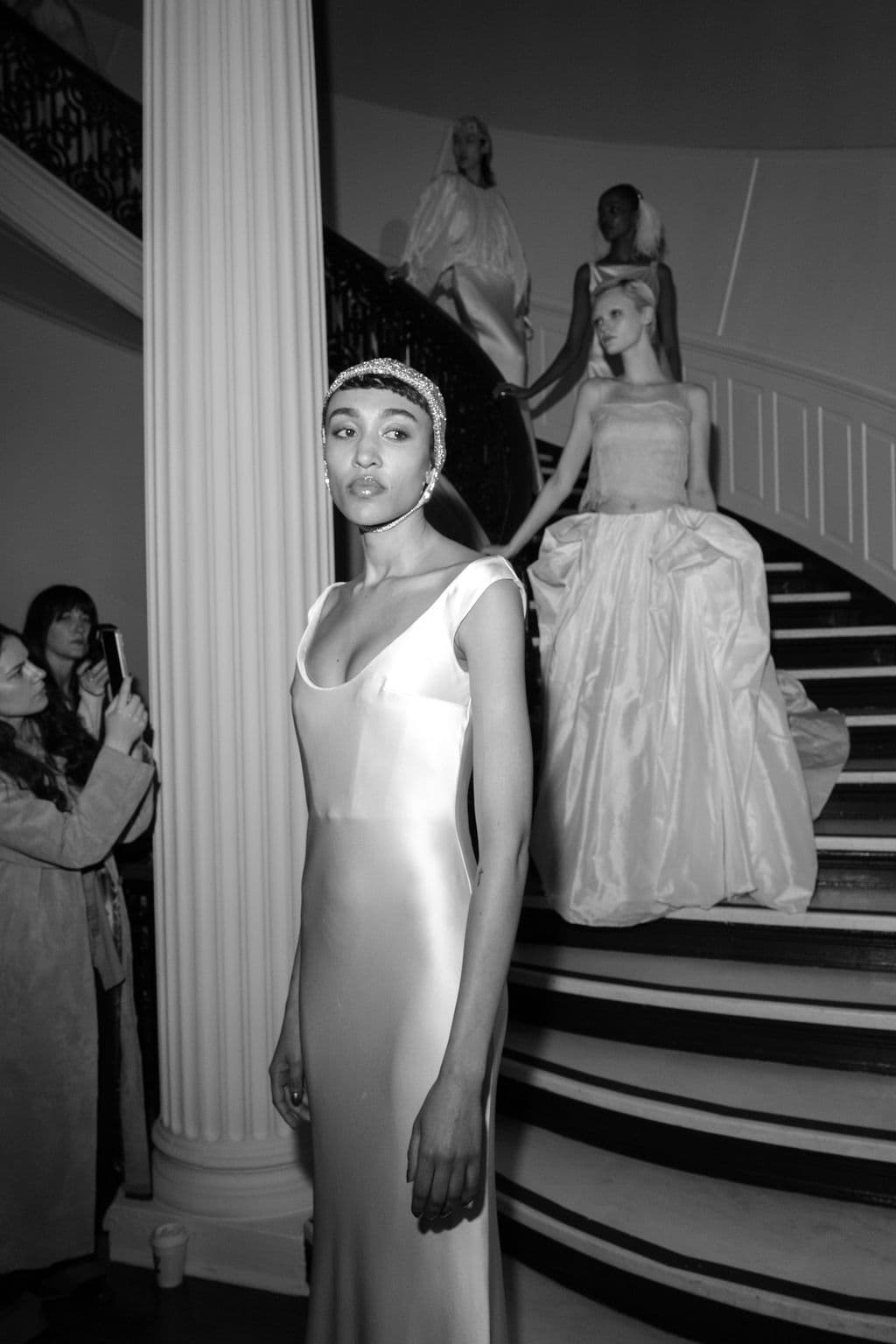
At New York Bridal Fashion Week, the veil is no longer the last thing you toss on after the dress is done. It is the styling move that can make a bride look finished, sharp, and intentional, as 2026 weddings move toward stronger aesthetics and personal expression, a shift The Knot has tracked. W Magazine cast accessories as a kind of “main character” in style, and that shift lands hard in bridal, where one piece can change the whole read of the dress.
It is still a ceremony accessory, and Kate Blackwell puts it plainly: “Traditionally, the veil is worn during the ceremony as a symbol of romance, elegance and modesty.” Across cultures, veils marked wealth, occasion, and social meaning. The Met’s Russian wedding records note that married women were required to cover their hair entirely lest they be considered immodest. Queen Victoria’s 1840 white wedding dress with Prince Albert helped push white bridal dressing into Western fashion.
Sarah Britten’s rule from her Bath atelier is simple: “Choose your dress first, always.” The best veils are not competing with the gown, they are completing it, and the 2026 bride is thinking about the whole look rather than treating the veil as an afterthought, as The Wedding Edition has noted. That same mindset shows up in the market itself, where brides are asking more about provenance, fabric quality, and made-to-order craftsmanship. The Knot lists fingertip, floor, and cathedral as the most popular veil lengths today.
Modern minimalism
This is the veil for a clean column, a sculptural satin gown, a slip dress, or anything with an open back that already has a point of view. Britten’s Skylar is the cleanest expression of the “barely there” veil, built on Italian tulle and a clean edge, and the logic is simple: if your dress is doing less, the veil can do more, but if your dress is doing enough, keep the veil whisper-light. This direction works best for civil ceremonies, gallery spaces, modern hotels, and city weddings where the architecture is crisp and the styling should feel controlled, not fussy.
Beauty should stay just as lean. A slick bun, tucked chignon, or polished low knot lets the fabric float without turning the whole look into costume, and Britten says brides are now asking for Italian tulle by name because it drapes and photographs properly. If you want the veil to feel luxurious without yelling, go one shade lighter than your dress rather than matching exactly, because that softer contrast is what keeps the look ethereal instead of flat.
Texture and romance
This is where the veil gets tactile. Britten’s floral veils, with embroidered botanicals and 3D flowers, plus Sassi Holford’s layered and appliqued pieces, work best when the gown has clean structure underneath, like a strapless corset, a defined A-line, or a pared-back satin dress that needs one lush, feminine move to wake it up. These veils make the most sense in gardens, conservatories, vineyards, and outdoor ceremonies where movement and daylight can catch the details instead of swallowing them.
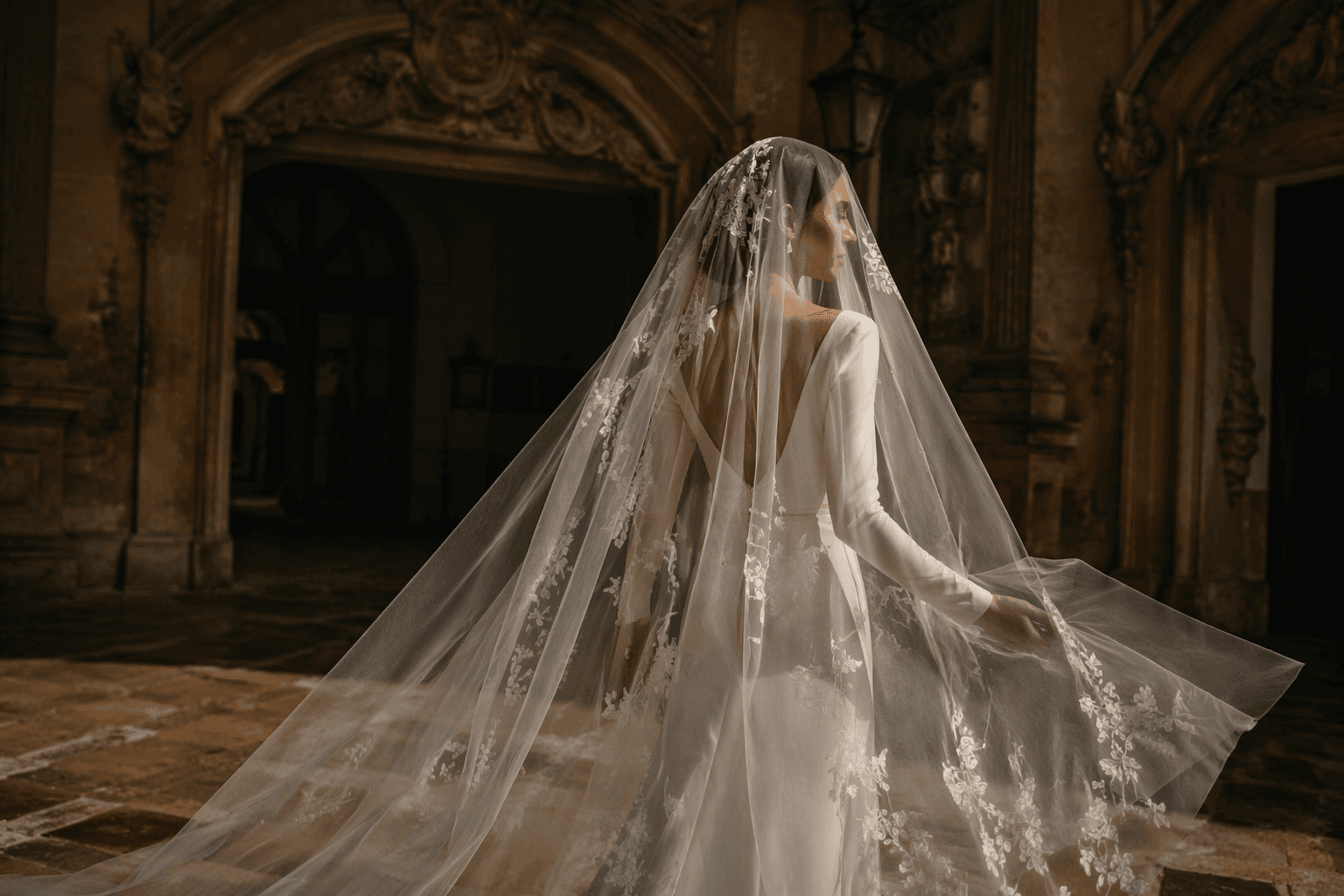
Pearl veils sit in the same family but read more polished than romantic. They suit brides who want shine without heavy sparkle, especially with minimalist gowns that need one precise detail rather than a full-on embellished finish. Keep the beauty glossy and controlled, with luminous skin and soft waves or a neat half-up style, so the veil stays the star and the texture feels intentional rather than crowded.
Cathedral drama
When the venue has scale, the veil can answer with scale. Britten says a cathedral veil creates drama in a grand church while a fingertip length suits a more intimate setting beautifully. That is the practical line: if your ceremony has a long aisle, tall ceilings, or a formal dress code, cathedral makes sense; if your wedding is small, modern, or movement-heavy, floor or fingertip keeps the look elegant without dragging it into theater.
Cathedral works especially well when the dress is otherwise restrained, because the veil becomes the room’s visual event. Sassi Holford’s advice is the right filter here: “The veil should enhance your look, not overwhelm it.” That means you want the dress to lead the silhouette while the veil gives it lift, and if you already have heavy lace, a busy neckline, or an architectural skirt, a softer length will usually look smarter than trying to stack more drama on top of drama.
When the veil is not the move
The cleanest answer is sometimes no veil at all. It is absolutely okay to skip the veil if it does not resonate with you or your wedding theme, and tiaras, headbands, and hair bows are credible substitutes. That tracks with the wider bridal shift toward custom, reusable, and more wardrobe-minded dressing, especially in a market where LendingTree found 67% of newlyweds took on debt to pay for weddings, a reality that makes every styling choice feel more deliberate and less disposable.
This article was produced by Prism’s automated news system from verified source data, official records, and press releases, then run through automated quality and moderation checks before publishing. The system is built and supervised by the people who set the standards it runs under. Read our full AI policy.
Did this article answer your question?