Bridal Buyer recaps 2026’s biggest wedding dress trends
Bridal fashion is leaning into dresses that flex, layer, and flatter without losing drama. The clearest signal for the rest of 2026 is structure softened by movement.

The strongest bridal clothes of 2026 are refusing to behave like costume. They are sharper in the bodice, lighter in the fabric, and far more willing to change shape between ceremony, dinner, and after-party, which is why the midyear conversation feels less like trend noise and more like a real shift in how brides want to dress.
The mood behind the midyear reset
Bridal Buyer's January To June: Key Bridal Themes, published on 29 June 2026, reads like a clean snapshot of what has actually held attention in the first half of the year and what is likely to keep selling into the second. The six names it places on the season, Short Is Sweet, Column Straight, Petal Power, Bigger & Bigger, Bubble Up, and The Finishing Layer, all point to the same market truth: brides want impact, but they want utility with it. Hitched editor Zoë Burke put the sentiment bluntly in Bridal Buyer's 2026 trend coverage, saying weddings are "bigger, bolder and more personal than ever."
That matters because it changes how these dresses function in real life. The most relevant gowns are no longer only about the aisle photograph. They have to earn their place at the rehearsal dinner, at a city hall ceremony, at a cocktail reception, or on a plane to a destination wedding, and that practical versatility is now part of the fantasy.
Short is sweet, and it is winning on flexibility
Short Is Sweet is one of the clearest signs that bridal wardrobes are loosening up. Bridal Buyer pairs the category with Kelsey Rose and Dando London, and the framing is refreshingly concrete: short wedding dresses work for city events, rehearsal dinners, cocktail celebrations, and destination weddings. That breadth is important, because it shows the dress is being asked to move with the calendar, not just serve one grand moment.
The most appealing versions are the ones that can convert from long to short, a detail that has obvious commercial logic and real styling appeal. A detachable skirt or transformable hem gives the bride two looks without demanding two separate outfits, and that is exactly the sort of smart, photo-friendly idea boutiques will keep seeing through the rest of 2026.
Column lines are back with discipline
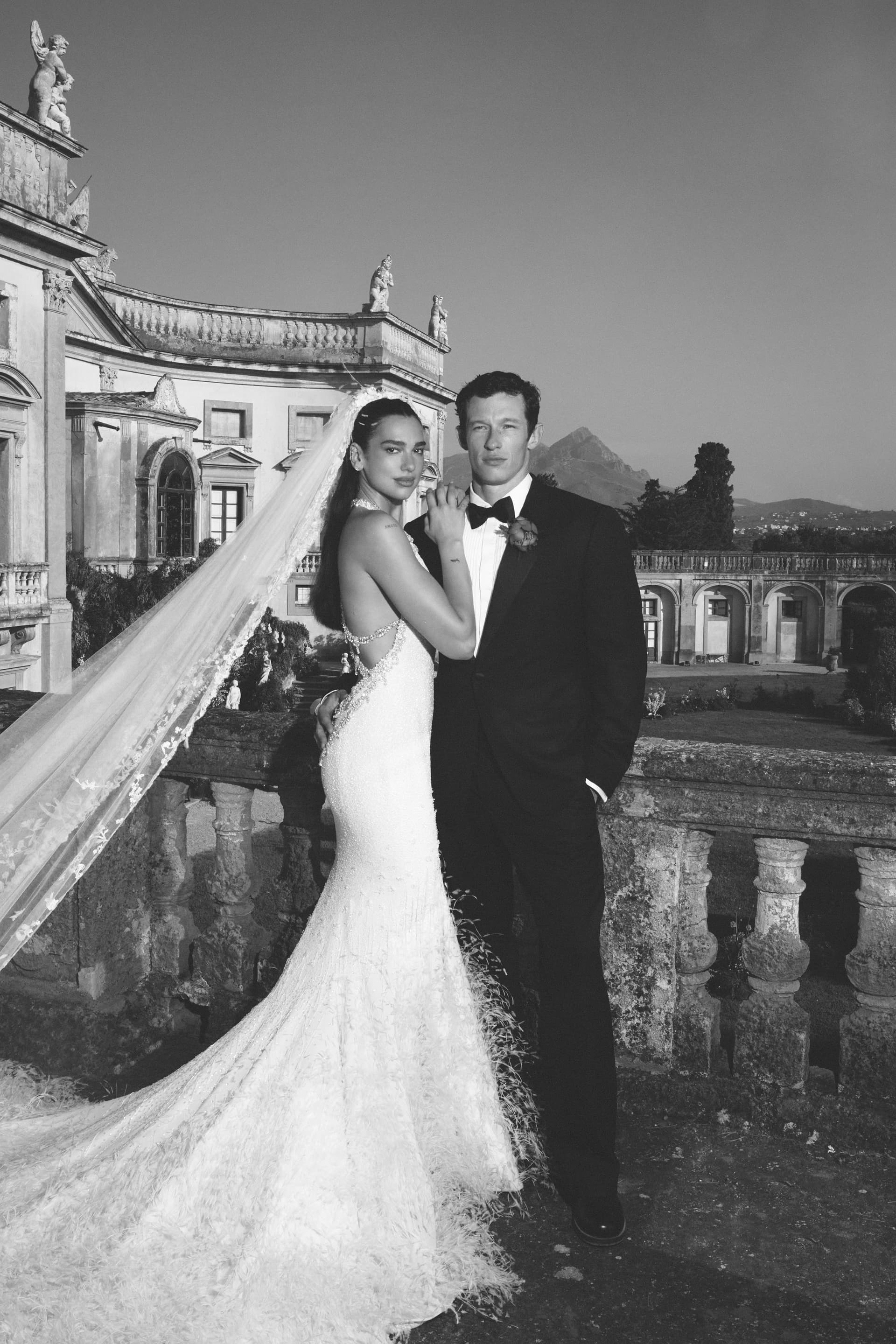
Column Straight, linked by Bridal Buyer to Morilee and Sassi Holford, captures the return of a silhouette that feels both retro and restrained. The column and sheath dress are having a moment because they leave nowhere to hide: the line has to be clean, the tailoring precise, the fabric expensive enough to carry the shape. That is what gives the look its quiet authority.
This is where the trend stops being minimalism and becomes couture shorthand. The best column gowns are about control, not austerity. They skim the body, lengthen the frame, and let luxurious fabrics do the work, which is why they read as understated rather than plain.
Florals are getting reworked, not retired
Petal Power, tied to Pronovias and Josephine Scott, shows how floral dressing has evolved beyond sweet surface decoration. Bridal Buyer points to hand-painted motifs, intricate embroidery, woven jacquards, and dimensional floral appliqués, and the effect is much richer than a traditional blossom print. These dresses are less garden-party than crafted object, with texture doing the emotional heavy lifting.
That shift matters because florals can now feel modern, architectural, and even a little edgy when the surface is built in layers. A jacquard rose catches light differently from a print; a raised appliqué changes the way a bodice moves. These are not sentimental details. They are the kind of tactile finishes that make a gown feel considered from three feet away and unforgettable at close range.
Bigger volume, but with a softer edge
Bigger & Bigger, paired with Justin Alexander and April Banbury, makes clear that volume is not disappearing, only being edited. The scale may be more dramatic, but the current appetite is for shape that still has grace, not stiffness. It is the difference between a skirt that dominates the room and one that seems to float through it.
Bubble Up, linked to Halfpenny London and Ouma, sits in the same conversation. Even without the old rigidity of princess dressing, the bridal market still wants movement, lift, and a little theatricality. The broad industry language around sculpted corsetry, Basque waistlines, textural lightness, and fluid silhouettes from Pronovias reinforces that the big look of 2026 is not pure volume on its own, but volume balanced against ease.
The finishing layer is where styling becomes strategy
The Finishing Layer, associated with Eva Lendel and YEDYNA, speaks to the growing importance of the extra piece that changes the mood of a dress. In practice, that means brides are gravitating toward looks that can be completed, transformed, or softened by an added layer rather than by a complete outfit change. It is a smart answer to the modern wedding day, where one dress often needs to cover more than one setting.
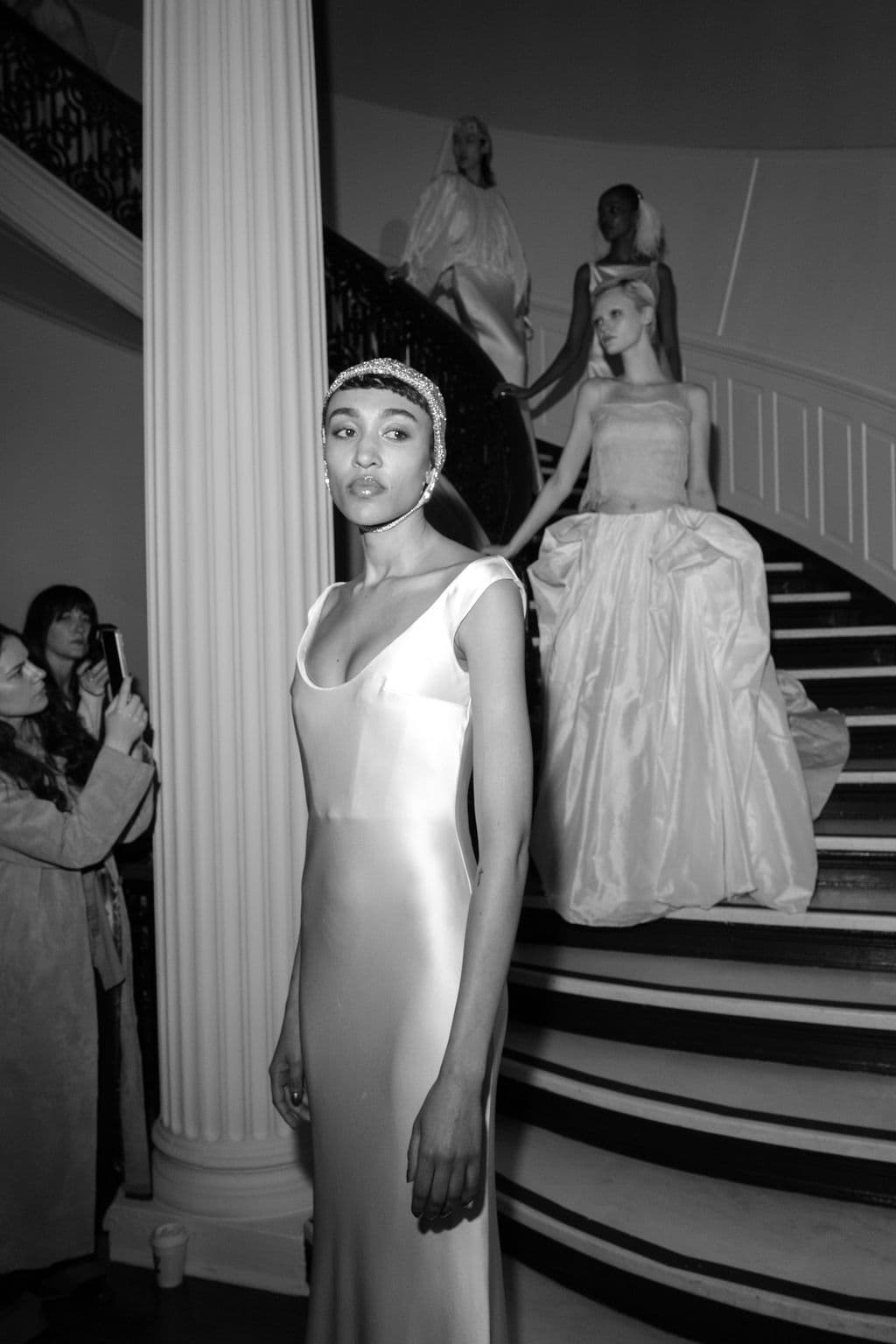
This is also where the season's duality becomes most visible. THE WED's Fall 2026 New York Bridal Fashion Week coverage describes the moment as an age of duality, a study in structure and softness, fantasy and form, past and present. Designers leaned into sculptural draping and lingerie-inspired silhouettes, which helps explain why finishing pieces, overlays, and detachable elements feel so current. They let a bride shift the register without losing the integrity of the look.
Why these trends are sticking now
Taken together, these themes show a market moving toward adaptability without sacrificing drama. The corseted bodice is still there, the Basque waist is still there, but the styling language around them has softened. Dresses are being built to photograph beautifully, move easily, and adapt across multiple parts of the wedding weekend, which is exactly why these ideas are more than a passing editorial mood.
The next buying checkpoint will be Bridal Week Harrogate, set for 13 to 15 September 2026, where the industry's most commercially viable ideas will move from trend language into the showroom. By then, the dresses that matter most will be the ones that balance polish with motion and give brides more than one way to wear their moment.
This article was produced by Prism’s automated news system from verified source data, official records, and press releases, then run through automated quality and moderation checks before publishing. The system is built and supervised by the people who set the standards it runs under. Read our full AI policy.
Did this article answer your question?