16 wedding dress silhouettes every bride should know before shopping
Bridal shopping gets easier when the shape vocabulary is clear. These 16 silhouettes help you talk torso, hip room, and structure before the fitting room.
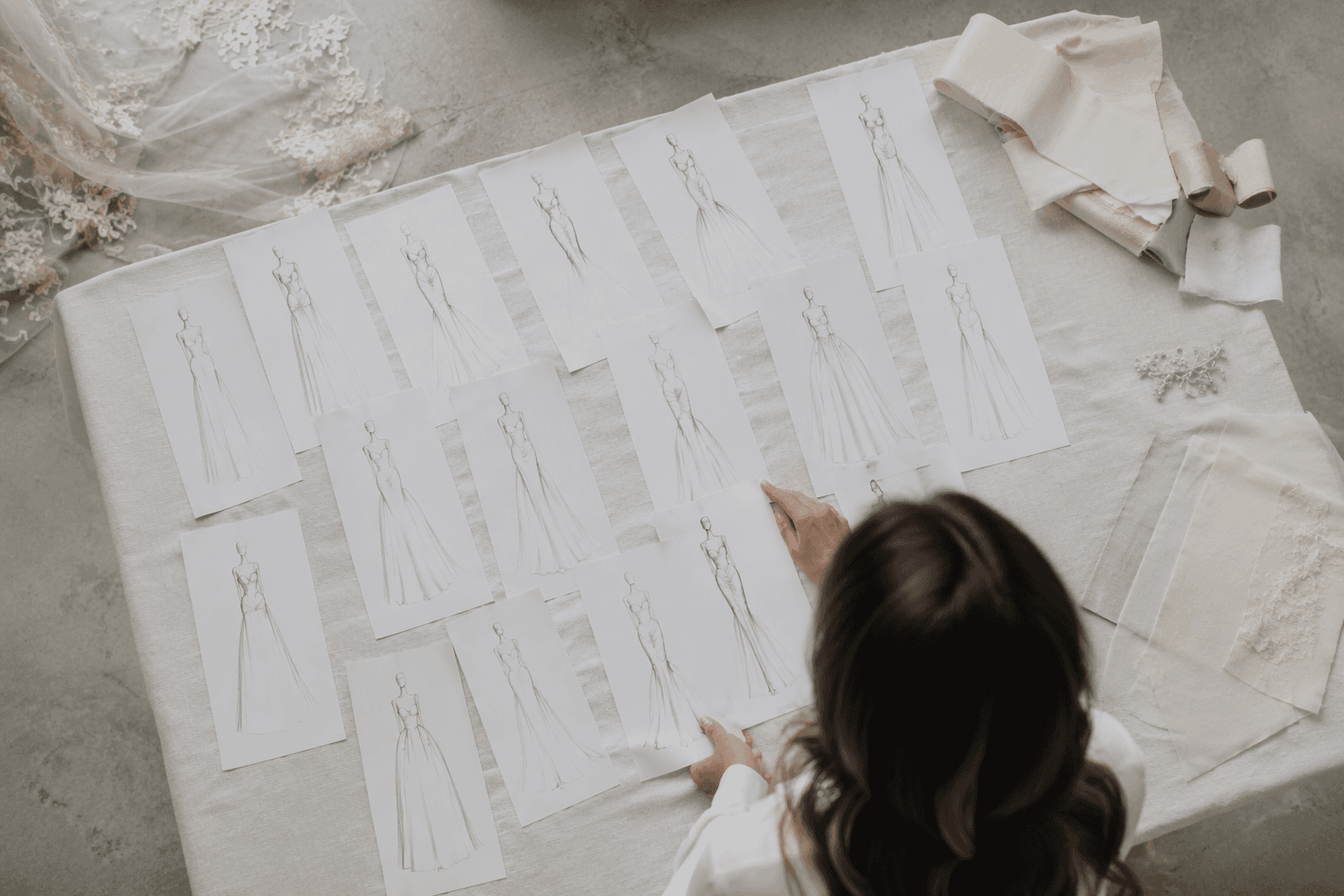
Consultations are often booked 9 to 12 months before the wedding, dresses can take 4 to 6 months to arrive, and trying on gowns is usually free, though some salons charge a fee or no-show fee. Early 19th-century brides usually wore colored gowns they could wear again; white and lace were customary by the mid-19th century. The distinctions salons actually use run from mermaid versus trumpet to sheath versus column.
1. Ball gown
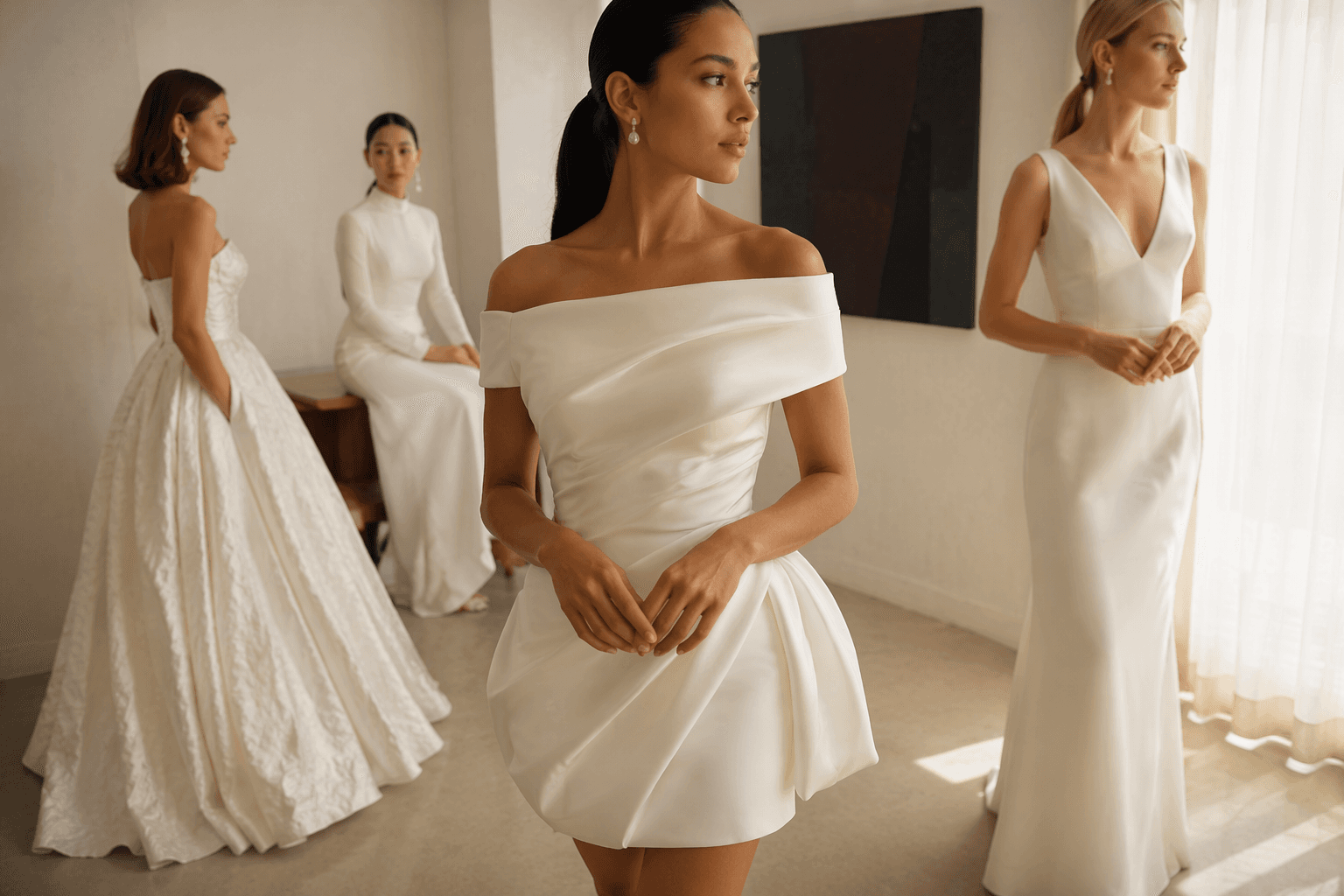
This is the full-skirt power play: fitted at the bodice, then opening into serious volume below the waist. It usually needs a structured top, and sometimes a petticoat or crinoline, if you want that skirt to stand away from the body instead of collapsing flat.
2. A-line
The silhouette is fitted through the bodice and then gently widens from the waist, which is why it works on so many bodies without feeling fussy. Christian Dior renamed his Spring-Summer 1955 collection the A line, after the H line introduced in Fall-Winter 1954, and the 1947 New Look used rounded shoulders, a cinched waist, and a very full skirt.
3. Mermaid
Mermaid is the clingiest of the classic bridal shapes, hugging through the torso, hips, and upper thigh before flaring low. If you want curve and drama, this is the one, but it demands exact tailoring because every seam shows where the dress is holding you in.
4. Trumpet
Trumpet looks similar at first glance, but the flare starts higher, so it feels a little easier through the leg than a true mermaid.
5. Fit-and-flare
This is the softer cousin in the tight-to-wide family, skimming the body and then releasing sooner than a mermaid. Boutiques sometimes blur the line between fit-and-flare and mermaid, so if you want shape without full cling, say that directly and make them show you where the flare begins.
6. Sheath
A sheath follows the body in a long, narrow line from shoulder to hem, with very little drama at the waist or hip. It looks best in fabrics that drape cleanly, because this silhouette is about length and ease, not built-in spectacle.
7. Column
Column is the straighter, more vertical sibling of the sheath, and salons often use the two terms interchangeably. Ask whether the dress actually nips in at the waist or falls straight down, because that one detail changes the whole read of the gown.
8. Empire waist
The waist sits high, just under the bust, then the skirt falls from there, which shifts the eye upward and stretches the body line. It can be especially forgiving through the midsection and hips, but you still want to check how it behaves when you sit.
9. Drop waist
Drop waist moves the waistline below the natural waist, lengthening the torso and giving the dress a more elongated, fashion-forward attitude. It can look incredible in a structured gown, but it also leaves less room for sloppy fit, so the proportions need to be exact.
10. High-low
High-low gives you the shortest hem in front and the longest in back, so the dress announces itself before you even walk into the room. It is playful, it shows off shoes, and it changes how formal the dress feels.
11. Jumpsuit
A bridal jumpsuit is a one-piece with full-length pants and a structured bodice, usually cut in bridal fabrics like crepe, satin, lace, or chiffon. It works for courthouse ceremonies, elopements, and reception changes.
12. Pantsuit
Pantsuits push the idea even sharper, leaning on tailoring, clean shoulders, and a precise fit through the waist and seat.
13. Separates
Separates let you build the silhouette yourself. A fitted corset with a sweeping skirt reads very differently from a softer top with a column skirt.
14. Mini dress
Mini dresses bring the hem way up, which makes them a natural fit for reception changes, courthouse vows, elopements, and brides who want legs on display. The shape is less about volume and more about proportion, so the bodice has to carry the look if the skirt is short.
15. Midi dress
Midi lands below the knee and above the ankle, which gives it that polished in-between energy.
16. Tea-length
Tea-length hits around the calf, and that little bit of shortened hem gives the dress swing, charm, and a clear view of the shoe choice.
This article was produced by Prism’s automated news system from verified source data, official records, and press releases, then run through automated quality and moderation checks before publishing. The system is built and supervised by the people who set the standards it runs under. Read our full AI policy.
Know something we missed? Have a correction or additional information?
Submit a Tip
.jpg&w=1920&q=75)