2026 Brides Embrace Personality-First Weddings, Bold Details, Custom Style
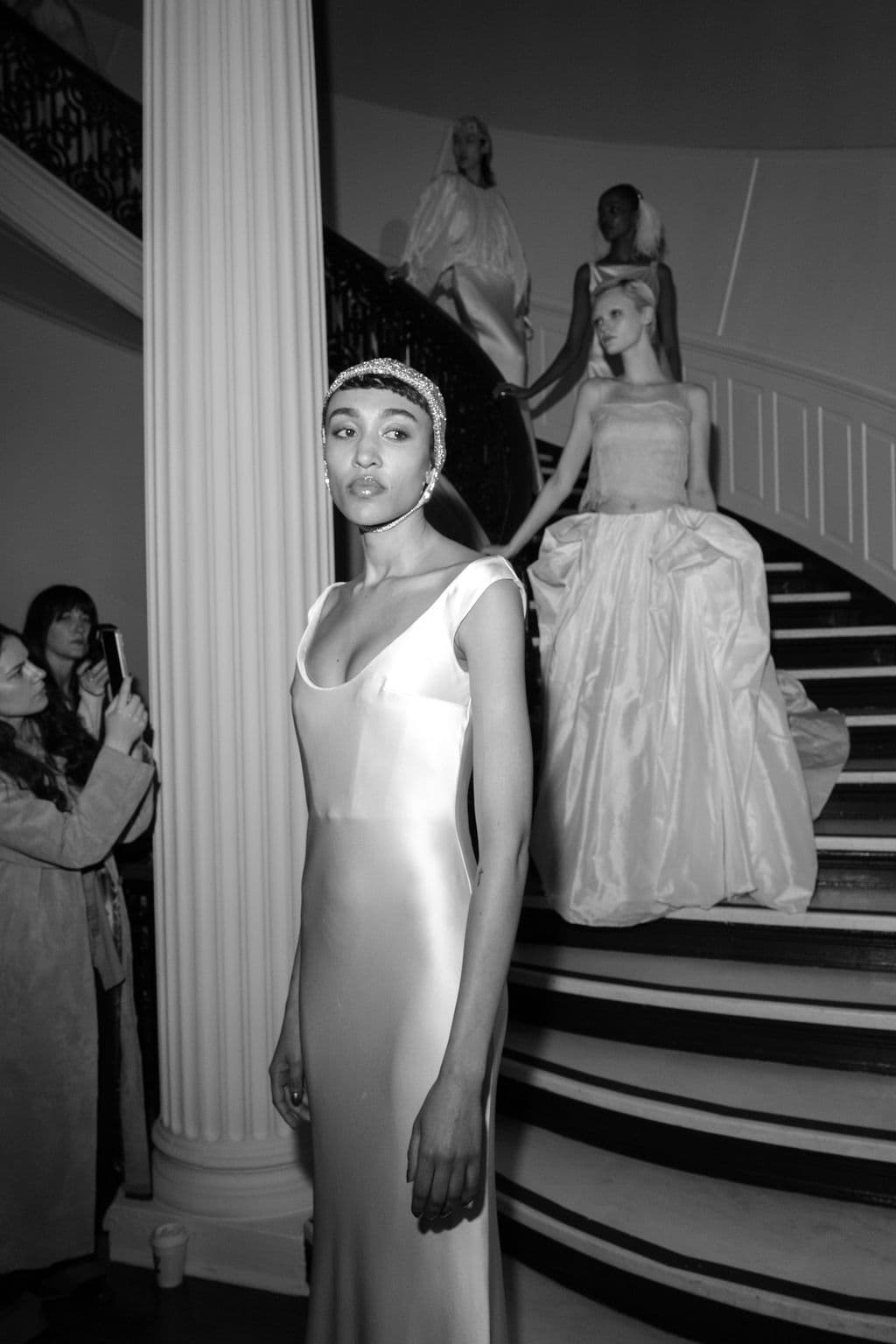
Brides are making one or two bold choices that feel personal, not gimmicky. At New York Bridal Fashion Week, classic silhouettes returned with custom twists, color, and convertible styling.
The new bridal brief
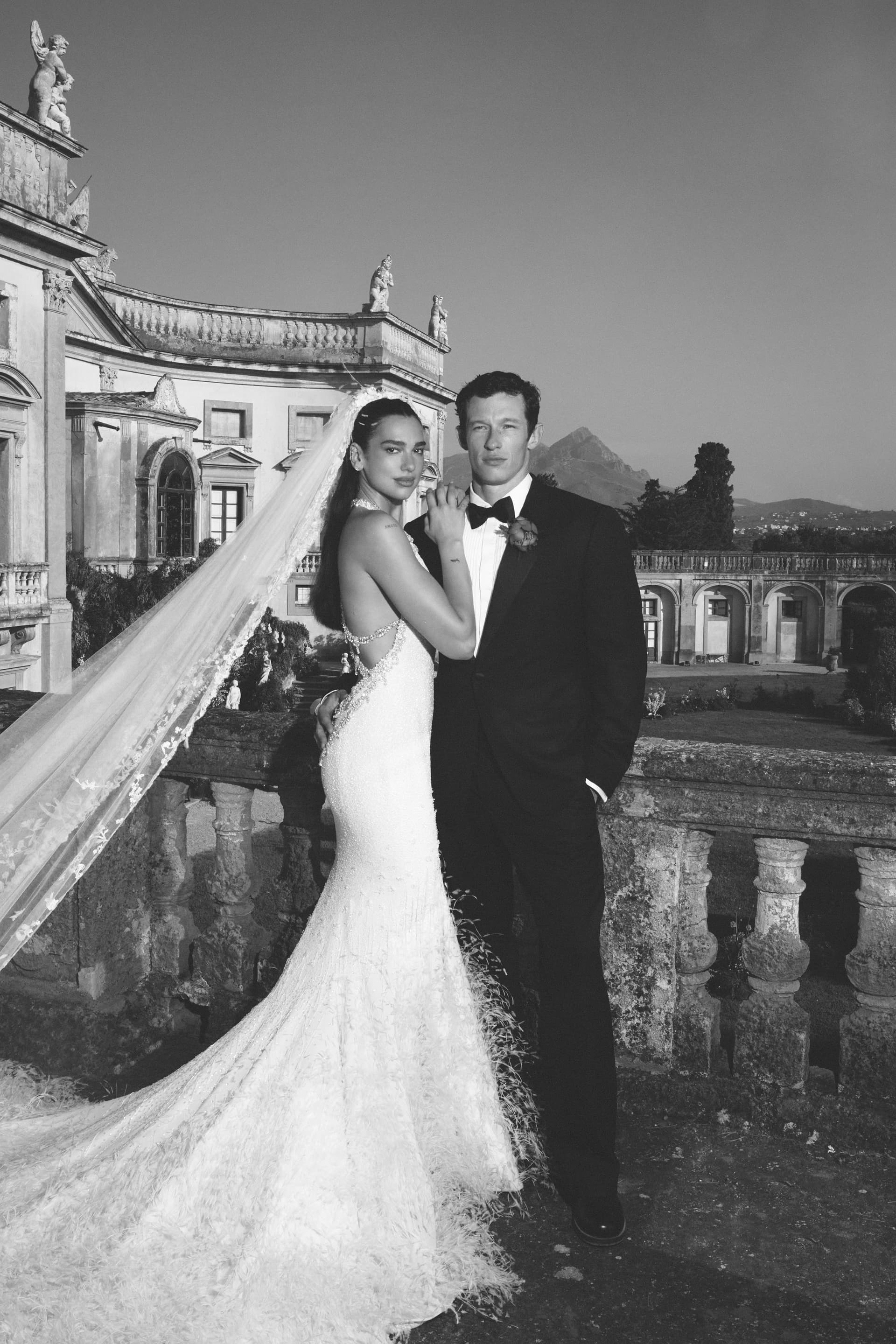
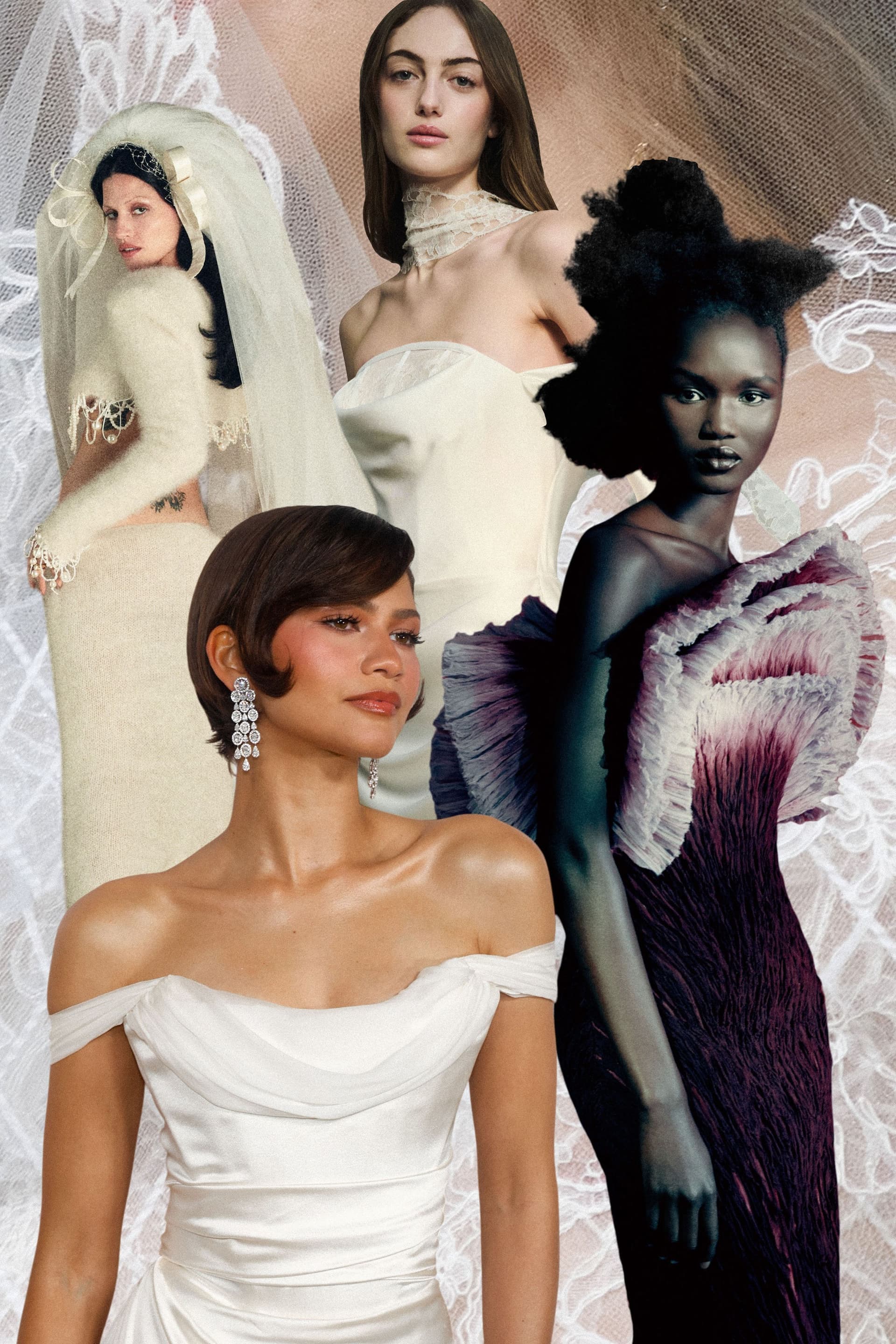
The strongest bridal statement right now is not excess, it is point of view. Vogue’s read on 2026 weddings is clear: couples are leaning into personality-first celebrations, where memorable moments and custom details matter more than rigid tradition, and that instinct is changing the way brides approach the dress itself.
Gen Z is driving much of that shift. The Knot says this generation has grown up in the age of social media, so aesthetics now extend beyond the gown to every visible detail, from tablescapes to menus, all curated for shareability and personal expression. Planner Akeshi Akinseye of Kesh Events puts it plainly: Gen Z is taking personalization “to a new level,” with “less tradition and more boldness.”
Why the budget conversation matters
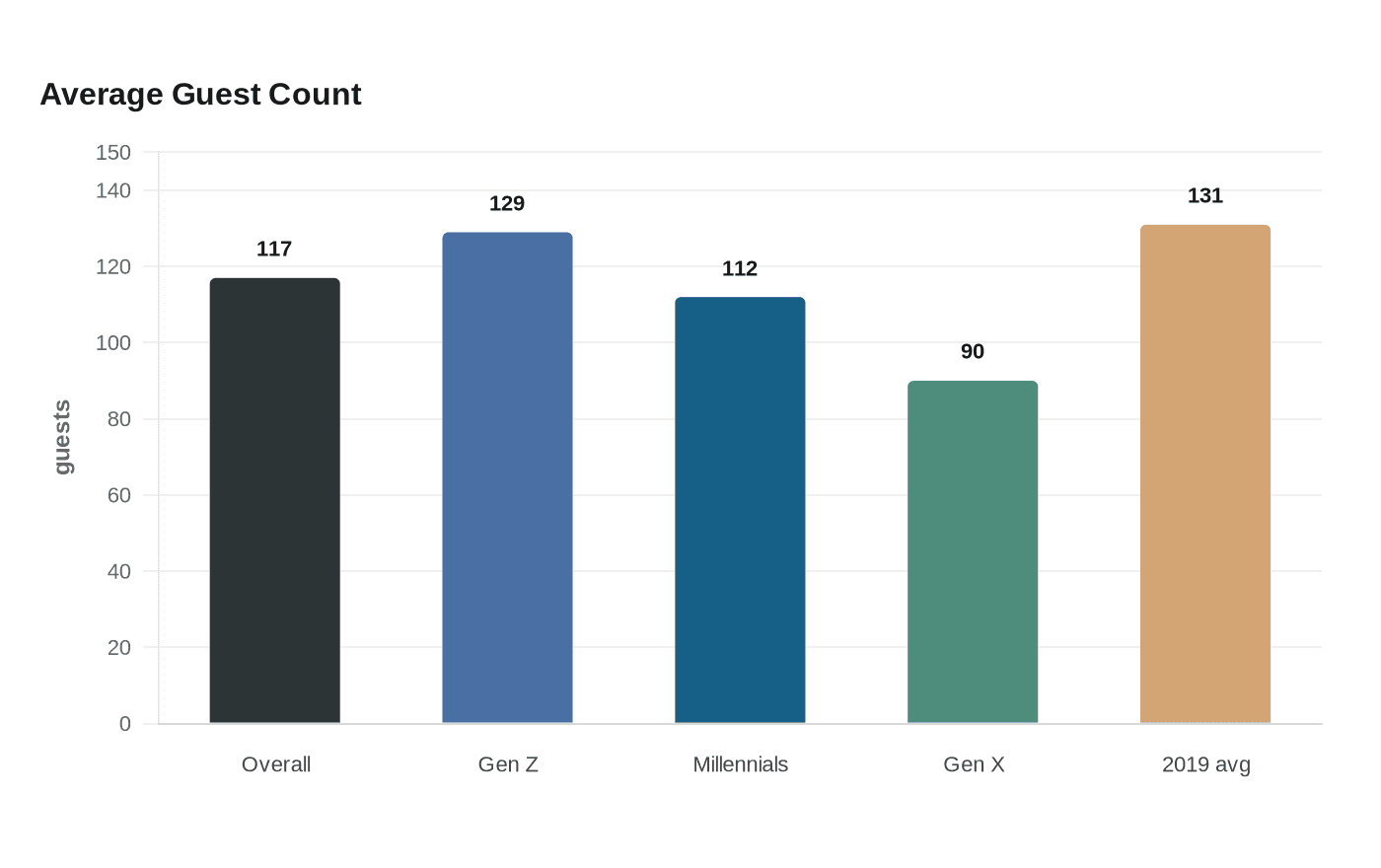
That desire for individuality is unfolding against real financial pressure. The Knot’s 2026 Real Weddings Study, based on 10,474 U.S. couples married in 2025, puts the average U.S. wedding cost at $34,200. The average guest count is 117, with Gen Z couples averaging 129 guests, compared with 112 for Millennials and 90 for Gen X, while the pre-pandemic average was 131 in 2019.
Those numbers explain why the smartest brides are not trying to personalize everything. Instead, they are concentrating spend on the details that carry the most visual and emotional weight. A custom veil, a special lining, a perfectly cut second look, or a single dramatic accessory can say more than spreading the budget thin across dozens of competing ideas.
Where personality should actually show up
The trick is to choose one or two decisions that feel unmistakably yours, then let the rest of the look breathe. The most successful personality-first bridal styling is rarely loud from head to toe. It is controlled, memorable, and specific, like a gown with immaculate lines paired with one custom gesture that tells the story.
- Custom embroidery works best when it feels intimate rather than decorative for decoration’s sake. A name, date, motif, or family symbol stitched into the veil hem, train, or inner layer turns the garment into a keepsake without shouting from across the room.
- Convertible styling is having a real moment because it solves two problems at once: ceremony grandeur and reception ease. Detachable trains, overskirts, capes, and sleeves can transform the silhouette, but the base gown has to be strong enough to stand on its own once the extra layer comes off.
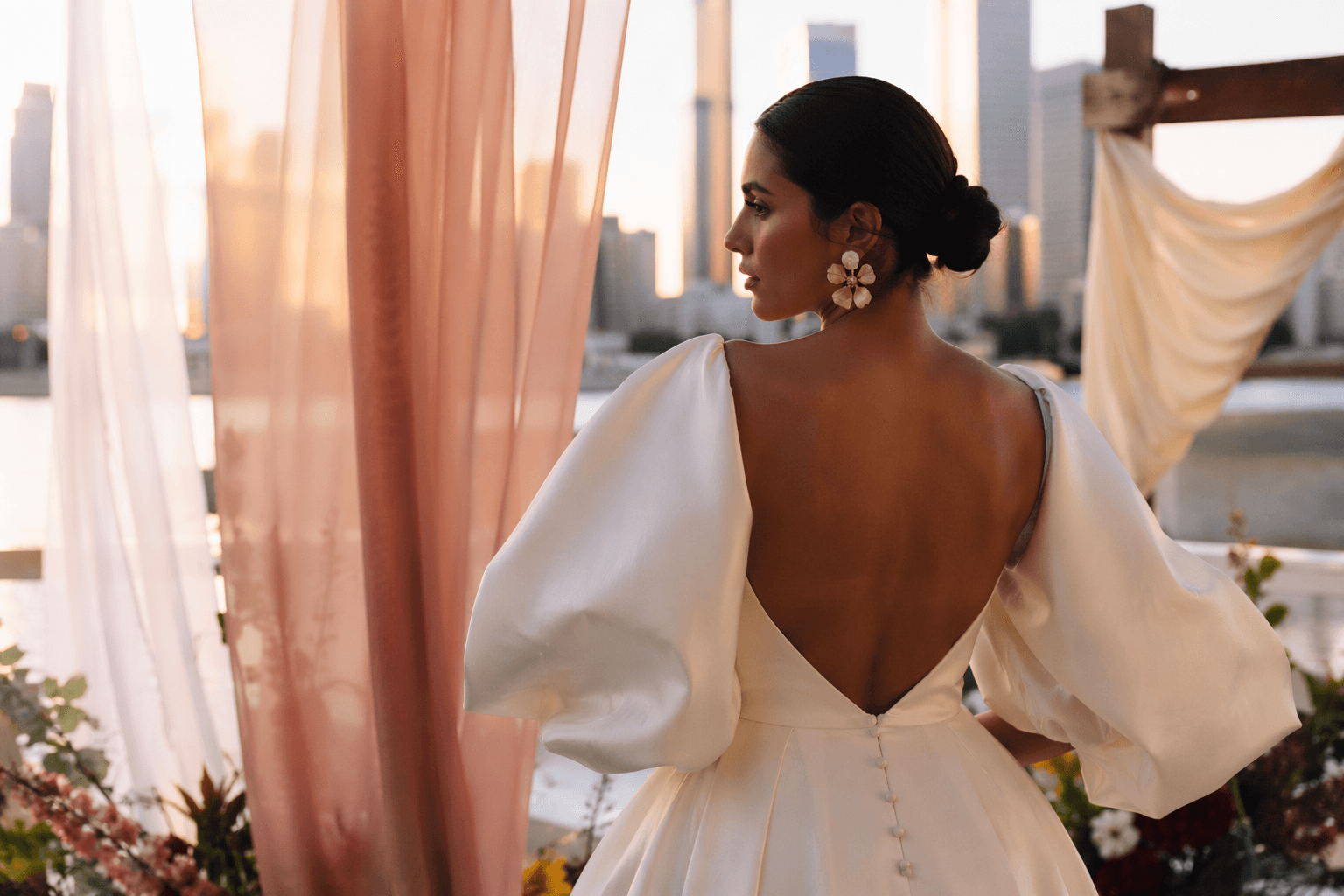
- Meaningful accessories can carry far more personality than a pile of trend-driven extras. A striking earring, a colored shoe, a vintage clutch, or a piece of inherited jewelry can shift the tone of a look while keeping the dress itself elegantly restrained.
- A ceremony-to-party change makes sense when the shift is genuinely dramatic. A sleeker second dress, a hemline that allows movement, or a change in texture from satin to featherweight crepe can reset the mood for dancing without feeling like a costume change.
The key is restraint. If the gown is highly embellished, the accessories should be quieter. If the dress is simple and architectural, that is where the bride can afford a sharper move, like a sculptural veil or a flash of color.
What New York Bridal Fashion Week is signaling
New York Bridal Fashion Week remains the industry’s most important preview point for what brides will wear next. The Knot’s editors attend twice a year, and in their bridal-fashion coverage they saw hundreds, if not thousands, of gowns over four days while forecasting the 2026 and 2027 dress cycles.
The message from the market is reassuringly broad. The 2026 to 2027 bridal range is offering “a little something for everyone,” with designers including Hayley Paige, Monique Lhuillier, Justin Alexander, Elie Saab, and Ines Di Santo presenting modern twists on classic silhouettes. That matters because it shows the category is not splitting into costume-like extremes; it is refining the familiar shapes brides already understand.
This is why the most compelling gowns right now often look classic at first glance, then reveal a sharper idea on closer inspection. A clean column with unexpected texture, a ball gown with lighter movement, a fitted silhouette with a more daring neckline, or a veil that carries the emotional weight of the whole look, these are the moves that feel current without dating themselves quickly.
How to make the look feel personal without tipping into gimmick
The most useful rule for 2026 bridal style is simple: let one detail do the talking. If the ceremony dress already has drama, keep the reception switch minimal. If the dress is pared back, spend on one element that creates memory, whether that is a train, a veil, or a piece of jewelry with history behind it.
The brides who look most convincing are not the ones who try to prove they are different at every turn. They are the ones who know exactly where their personality belongs. In a season shaped by social-media awareness, tighter budgets, and a renewed appetite for self-definition, that kind of edit is the real luxury.
The result is a bridal wardrobe that feels less like a uniform and more like a signature: one that can handle a cathedral train, a quick reception reveal, or a single custom detail and still feel unmistakably modern.
This article was produced by Prism’s automated news system from verified source data, official records, and press releases, then run through automated quality and moderation checks before publishing. The system is built and supervised by the people who set the standards it runs under. Read our full AI policy.
Did this article answer your question?