2026 Met Gala Looks Inspire Romantic, Fashion-Forward Wedding Dresses
The Met Gala just handed brides a sharper mood board: satin, sculptural volume, and train drama that feel editorial but still aisle-ready.
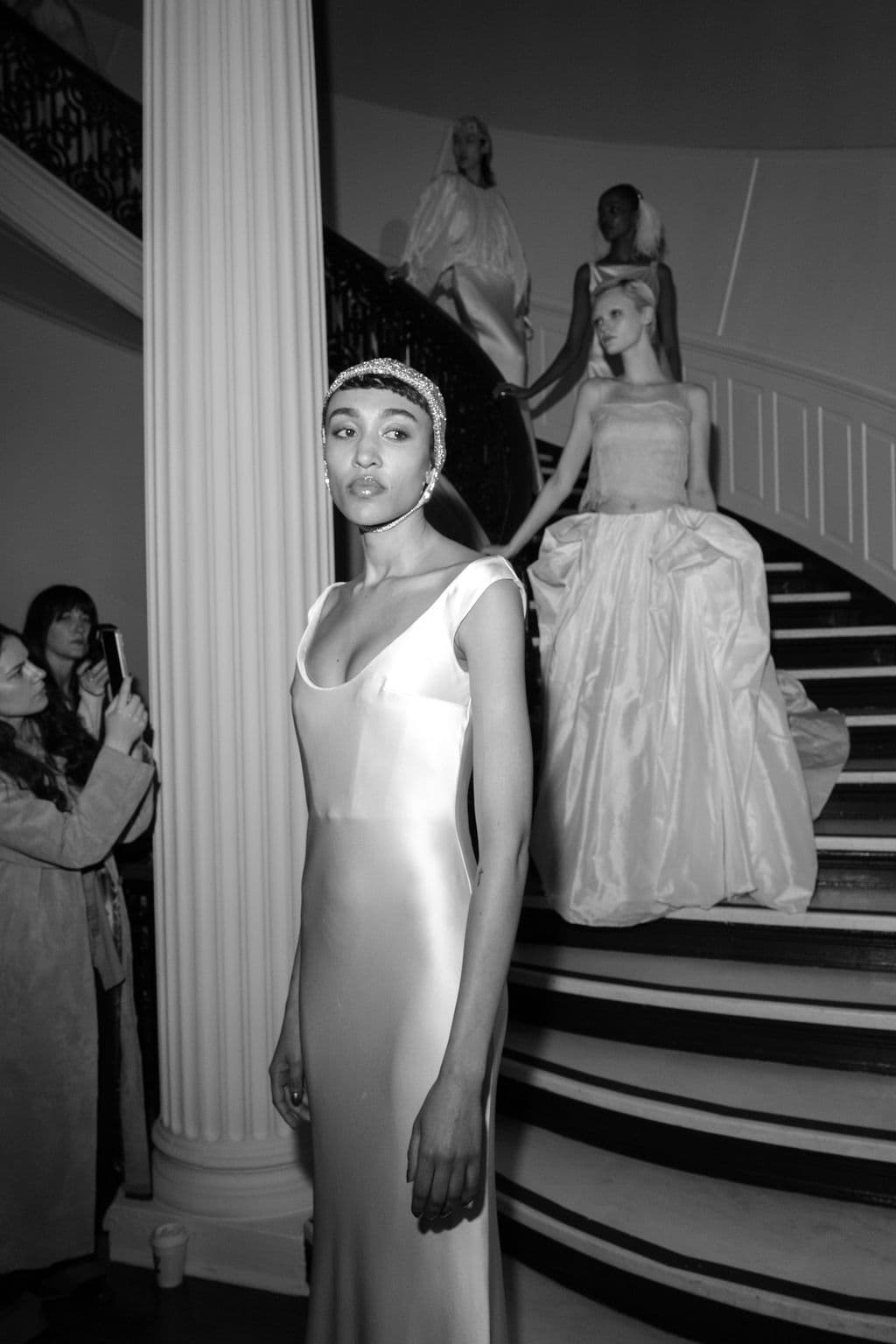
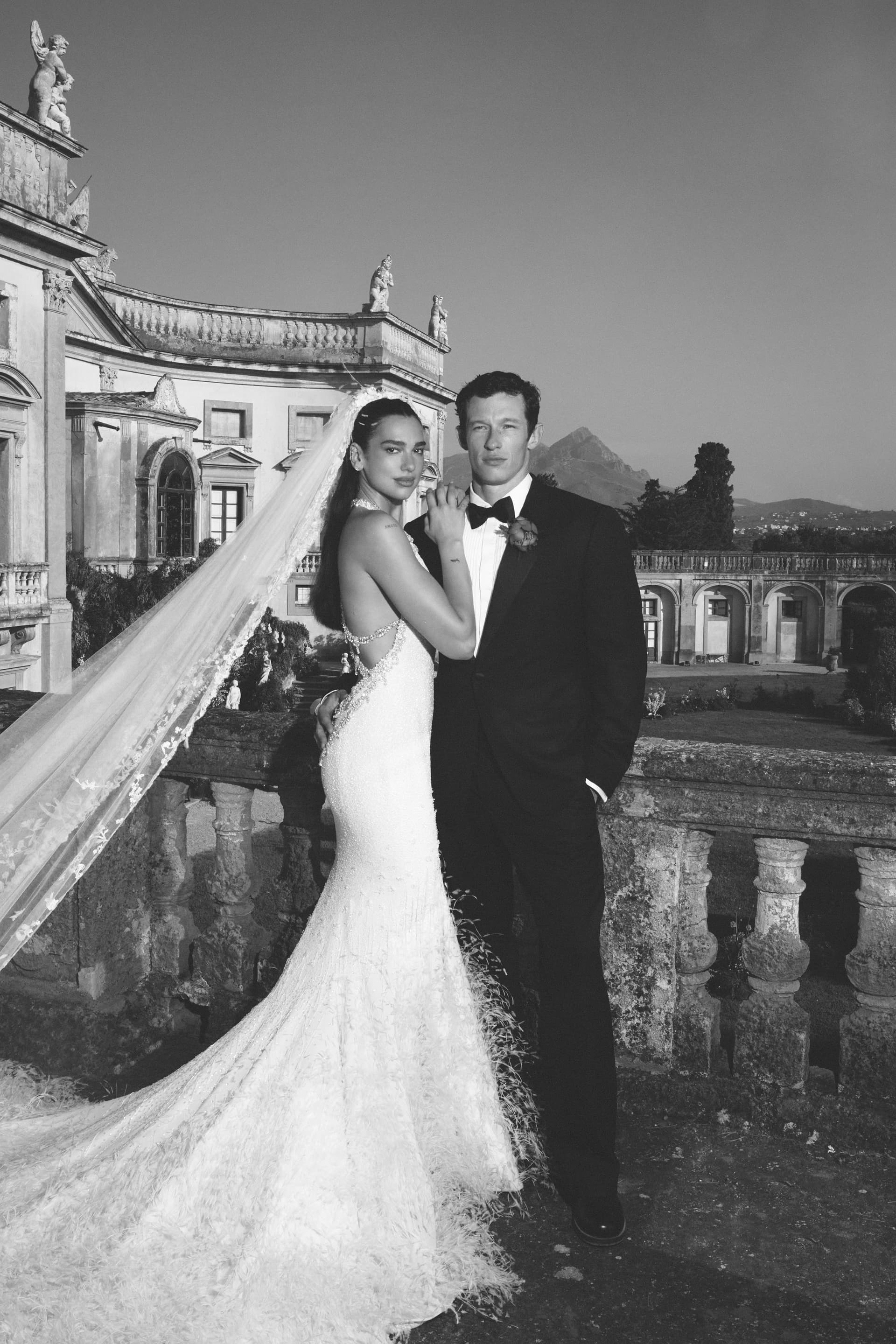
The Met’s bridal lesson this year is about shape, not spectacle. With the 2026 Met Gala set to the dress code “Fashion is Art,” the most useful ideas for brides came from the way clothing was framed against the body: clean white satin, bubble hems, sculptural silhouettes, dramatic trains, and embellished finishes that read as both polished and personal. The Costume Institute’s spring exhibition, *Costume Art*, deepens that conversation by pairing garments with artworks from across The Metropolitan Museum of Art, so the night’s most memorable fashion was never just decoration. It was a reminder that wedding dressing is still one of fashion’s most emotional exercises.
Why this Met Gala matters to a bride planning now The gala took place on Monday, May 4, 2026, and the corresponding *Costume Art* exhibition opened at The Met Fifth Avenue on May 10, 2026, running through January 10, 2027. That timing matters because the show arrives as a fresh source of reference for anyone building a bridal mood board now, not last season. The Costume Institute Benefit remains the department’s primary source of funding for exhibitions, publications, acquisitions, and operations, which is why the Met Gala has long functioned as both a cultural barometer and a serious fashion engine.
The scale is part of the appeal. The Costume Institute collection holds more than 33,000 objects spanning seven centuries of dress and accessories, and *Costume Art* uses nearly 400 objects to examine the dressed body in dialogue with the museum’s wider collection. Add in the fact that the 2025 gala raised a record $31 million, while coverage of the 2026 fundraiser said it had drawn $42 million, and the event’s status is clear: this is not just celebrity spectacle, it is the fashion calendar’s most high-stakes experiment in image-making.
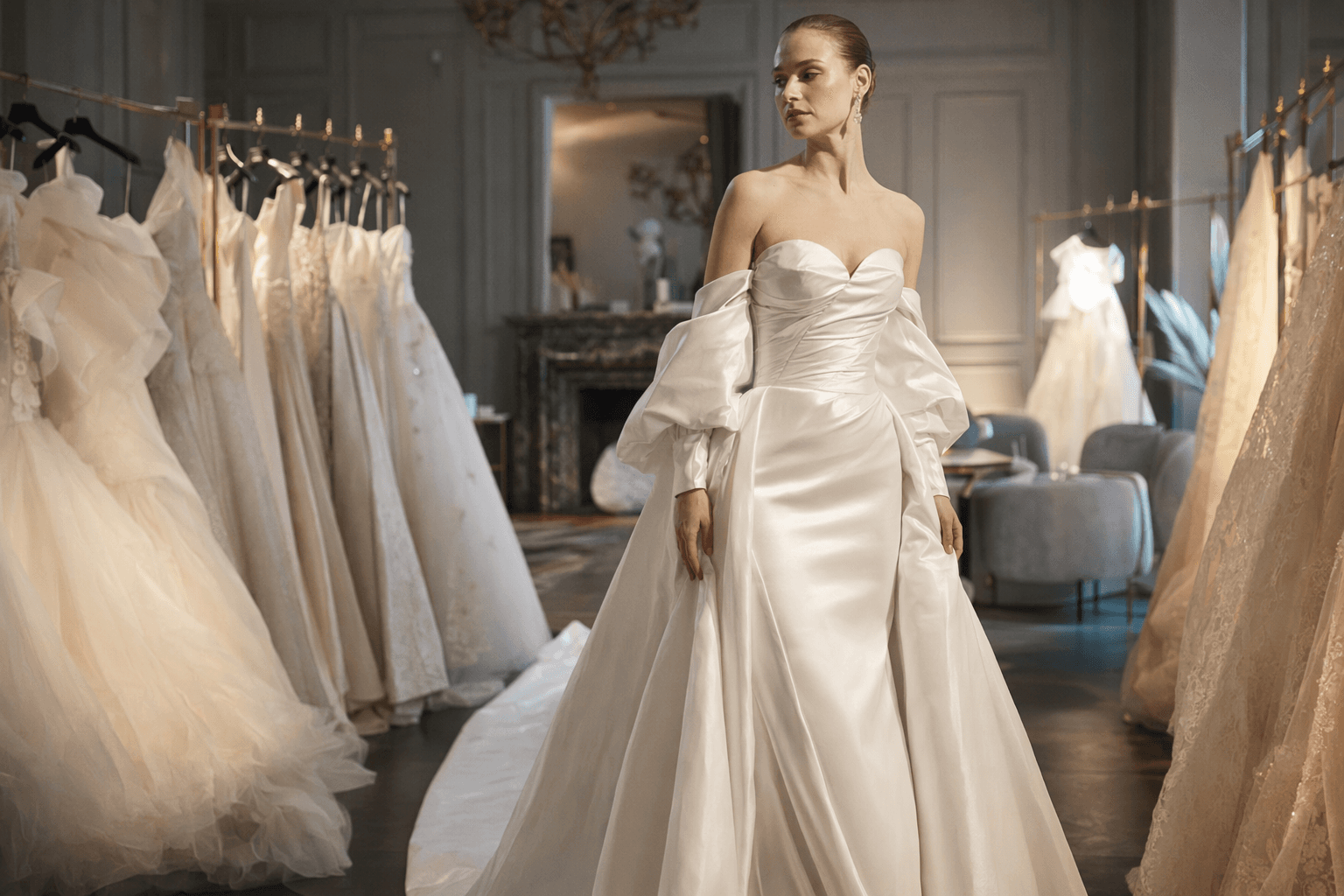
The romantic bride: white satin with softness, not sweetness If you are drawn to the clean, luminous side of bridal dressing, this year’s Met looks make a strong case for white satin and controlled volume. The key is to let the fabric do the talking: satin catches light beautifully in a church aisle, a city hall staircase, or under dinner-party candlelight, while a bubble hem keeps the silhouette from feeling too expected. This is the bride who wants romance, but with a sharper edge than tulle and lace alone can offer.
Borrow the feeling, not the costume. Look for a gown with a softly structured bodice, a skirt that rounds before falling away, and a finish that looks expensive even in a simpler cut. A short veil or a neat chapel-length veil works well here because the dress is already doing visual work; the point is to keep the silhouette crisp and allow one detail, the hem, to become the memorable line in photographs.
The modern minimalist bride: sculpture over ornament The most fashion-forward bridal translation of the Met Gala lies in sculptural dressing, the kind that treats the body as architecture. That means column shapes, sharp seams, and gowns that hold their line rather than collapsing into softness. For a bride who prefers restraint, this is the lane to watch: modern minimalism that still feels ceremonial because the proportion is exact.
This look is especially strong for registry-office weddings, museum receptions, and black-tie city celebrations. Pair a clean column dress with a long veil edged in nothing more than a fine trim, or skip the veil entirely and use earrings, a slick chignon, and a satin shoe to finish the look. If your dress is pared-back, the styling has to carry emotion, so choose one elegant focal point instead of layering too many accessories.
The edgy bride: dramatic train, sharper finish The gala’s more dramatic silhouettes offer a blueprint for brides who want impact without defaulting to traditional sweetness. A train, especially one that feels architectural rather than frothy, instantly changes the mood of a gown. It also gives you a dramatic ceremony entrance and, if designed well, can still be manageable once the party starts.
This is where a detachable train earns its place. For the ceremony, let it create the sweep and tension that photographers love; for the reception, remove it and keep the underlying dress sleek enough to dance in. If your budget is tighter, prioritize the back view of the dress and the hemline rather than extra surface embellishment, because a strong silhouette reads far more luxuriously than scattered decoration.
The sexy column-dress bride: body-conscious, polished, confident One of the clearest bridal takeaways from the night is how powerful a column dress can be when it is cut with intention. The idea is not to be revealing for its own sake, but to create a long, uninterrupted line that feels adult, poised, and slightly undone in the best way. Think smooth fabric, close fit, and a neckline that frames the shoulders cleanly.
For this persona, shapewear should be chosen by dress, not by body. A column gown with a precise fit needs support that disappears under the fabric, while a more forgiving crepe or satin can let you skip heavier structure altogether. Add a veil only if it offers contrast, perhaps a sheer cathedral length in the ceremony and nothing at the reception, because the dress should remain the main event.
The embellished bride: texture as the accessory The Met Gala also made room for brides who want surface detail to replace overt ornament. Embellished finishes, whether in beading, embroidery, or subtle shimmer, are a smart route if your dress is otherwise simple. The trick is to make sure the texture enhances the cut rather than competing with it, especially when the silhouette already has movement or volume.
This category is ideal for brides who want their dress to photograph beautifully from a distance and reward a closer look at the altar or at the table. If the gown is heavily worked, keep the veil lighter and the jewelry quieter so the finish can breathe. The result feels considered, not over-decorated, which is exactly where contemporary bridal style has landed.
The museum context makes the bridal reading feel natural, not forced What makes these references so effective is that The Met already understands dress as a form of cultural memory. The museum’s ongoing “Wedding Attire: Three Cultures, One Celebration” display gives additional context for why bridal fashion resonates so strongly inside this ecosystem, where ceremony, identity, and craft are always in dialogue. That is also why the gala’s livestream at 5:30 p.m. EDT mattered beyond the usual red-carpet rush: it turned the arrivals into a public-facing preview of how fashion can behave like art without losing its wearability.
The 2026 gala was co-chaired by Beyoncé, Nicole Kidman, Venus Williams, and Anna Wintour, names that alone guarantee attention, but the more lasting value for brides is the styling logic beneath the celebrity gloss. The most useful gowns were not the loudest; they were the ones that translated immediately into real wedding decisions. That is the enduring appeal of a Met Gala with bridal instincts: it gives you permission to choose one strong idea, then build the whole look around it.
This article was produced by Prism’s automated news system from verified source data, official records, and press releases, then run through automated quality and moderation checks before publishing. The system is built and supervised by the people who set the standards it runs under. Read our full AI policy.
Did this article answer your question?