Century of Bridal Style, from Colored Gowns to Flapper Veils
White is the ending, not the beginning. Bridal style spent centuries in color, then Victoria’s 1840 dress and the 1920s drop waist rewrote the dress code.
Start with the era, not the costume
The smartest vintage bride does not dress like a museum piece. She steals one strong idea from the past, then lets the rest stay sharp and current. That is the whole trick: before white became the default, brides wore colored gowns they could wear again, and the fashion story of wedding dress history is really a story about reuse, status, and style evolving together.
If you want the look to feel intentional instead of theatrical, choose one era to lead. Maybe it is a high neck and long lace sleeve. Maybe it is a drop waist. Maybe it is a Juliet cap veil. Once you pick the century, the rest of the outfit can breathe.
The white dress began as a flex, not a rule
Queen Victoria’s wedding to Prince Albert on 10 February 1840 is the pivot point everybody keeps circling for a reason. Her white silk satin dress with Honiton lace helped make white bridal gowns feel aspirational in Western fashion, even though white wedding dresses were not commonplace until the 20th century. Before the late 19th century, plenty of brides wore colored dresses they could wear again, which makes today’s all-white obsession feel less ancient than people think.
That matters for modern brides because white is not the only language of bridal seriousness. If you love the historical meaning of the dress but want it to feel fresher, a pale blue, ivory, blush, or champagne gown can nod to the pre-white era without reading like a reenactment. Victoria made white famous, but she also proved that a single dress can change the whole conversation.
There is another layer to her wedding that still feels relevant: the Honiton lace supported Devon lace-making. In other words, the dress was not just pretty, it was part of an economic ecosystem. That is the real bridal lesson. The best dress has texture, provenance, and a point of view, not just surface shine.
Use the Victorian mood with discipline
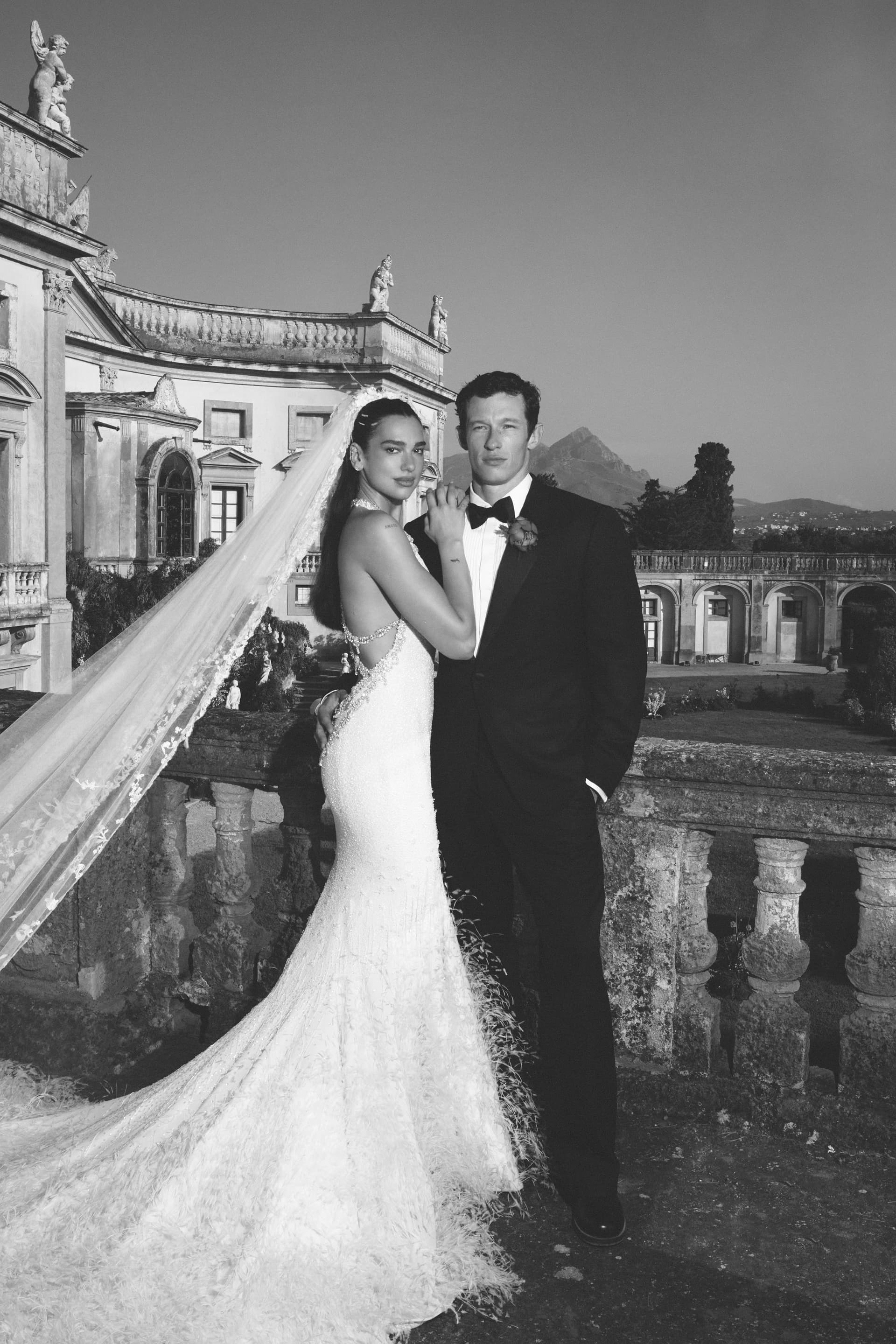
Victorian bridal references are having a real run now because they look luxurious when they are edited well. Structured bodices, high necks, and long lace sleeves all translate beautifully if the silhouette stays clean. The mistake is piling on every period cue at once and ending up in costume territory.
The modern version is restraint. A fitted satin bodice with a sheer lace sleeve reads elegant. A high collar with a pared-back skirt feels formal without going full period drama. If your venue is a church, a townhouse, or any space with architectural bones, this kind of look lands hard because the dress carries the ceremony instead of competing with it.
For brides who want the Victorian reference but not the heaviness, fabric choice does the work. Silk satin gives you that Queen Victoria sheen without needing a museum-level amount of ornament. Lace should feel like framing, not wallpaper.
The 1920s are back, but only if you pick the right piece
The 1920s brought bridal fashion a different energy: looser silhouettes, drop waists, Art Deco attitude, and the Juliet cap veil. That decade is back because it solves a very modern problem. It gives you movement. It gives you ease. And it lets the dress feel cool instead of overconstructed.
Drop-waist dresses are the clearest 1920s cue in current bridal shopping. They lengthen the torso and create that straight, fluid line that looks especially good in satin, crepe, or anything with a little weight. If you like a more columned shape but still want some waist definition, this is your lane. Keep the neckline simple and let the hem do the talking.
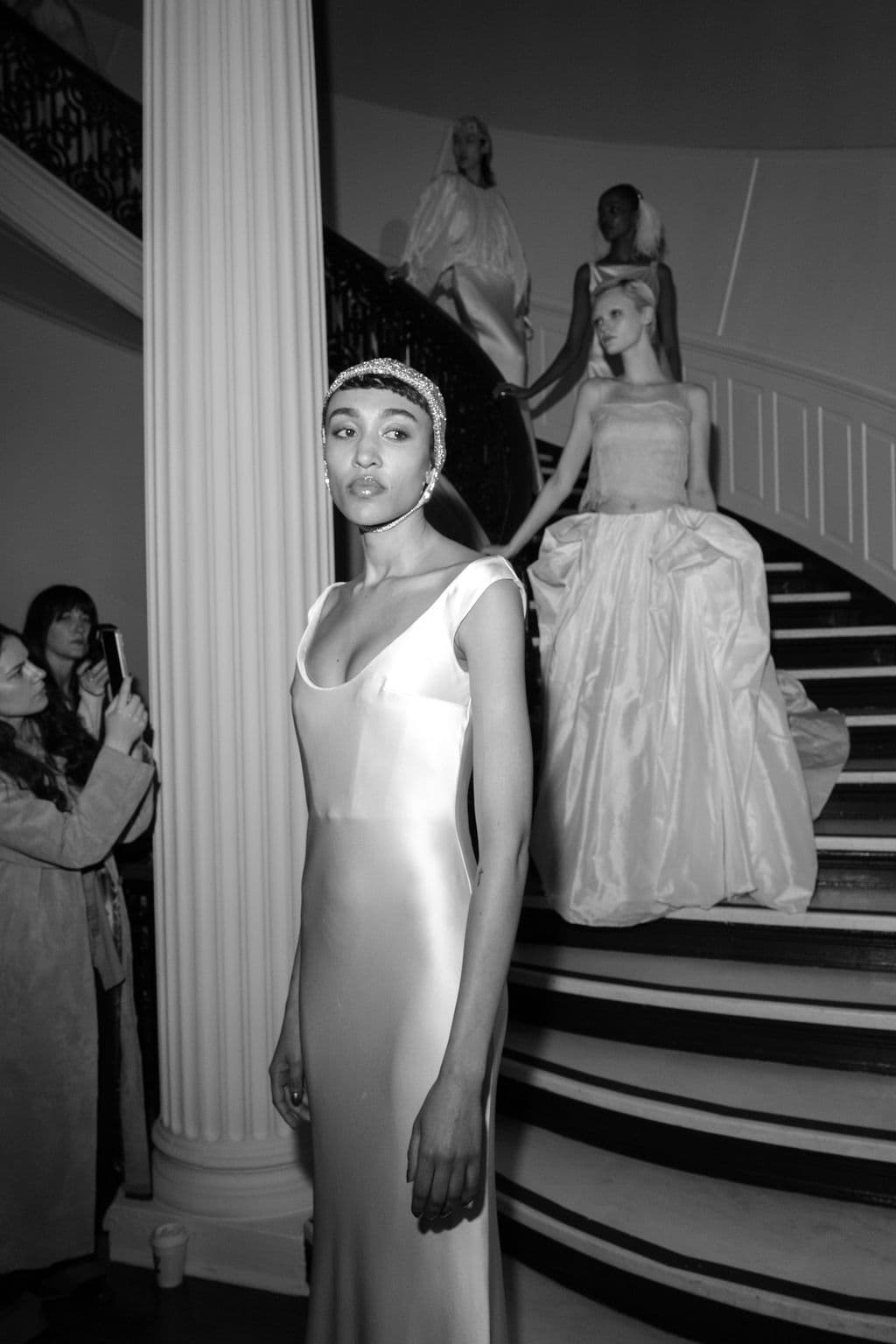
Juliet cap veils are the accessory move that makes the whole idea click. They first gained prominence in the 1920s, and they still feel unexpectedly modern because they frame the face so distinctly. If you want a vintage signal that does not require changing your whole gown, this is it. The veil can carry the period reference while the dress stays sleek.
Let the veil be the wardrobe anchor
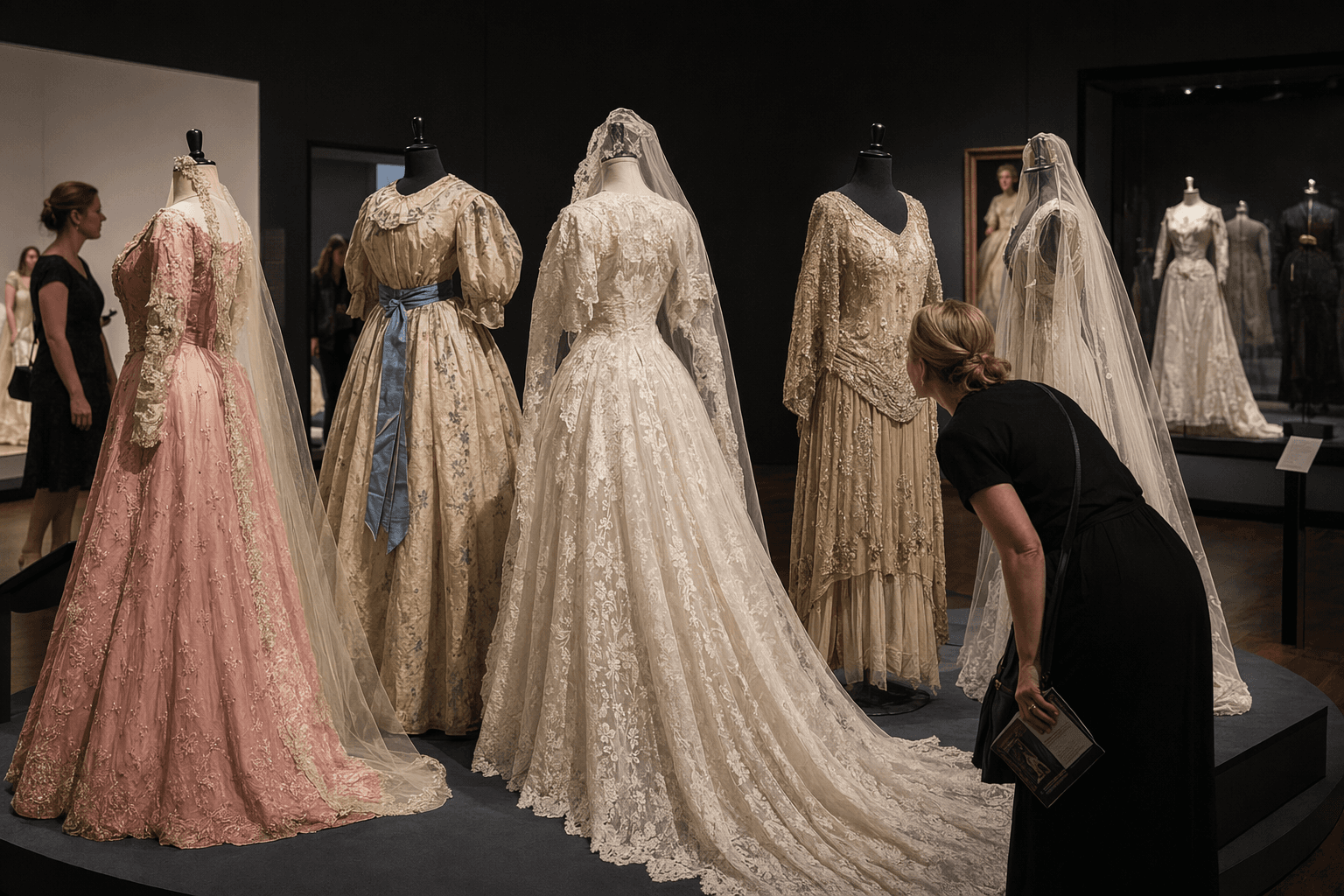
The V&A’s wedding-dress collection spans five centuries and includes dresses, veils, and silk slippers, which tells you everything you need to know about how bridal style actually works. Dresses get the spotlight, but accessories are what make the look specific. A veil can change the decade of a dress faster than almost anything else.
That is why the smartest vintage translation starts with the veil. A simple gown becomes more romantic with lace trim. A structured dress suddenly feels 1920s with a Juliet cap. Even a tea-length hem, which reads playful and slightly retro, gets stronger when the veil has a little personality.
- If the ceremony is formal, start with a structured bodice and add a long veil.
- If the venue is relaxed, choose a tea-length hem or a softer silhouette and let the accessory be the punch.
- If you want old-world romance, long lace sleeves and a clean satin skirt are enough.
- If you want the flapper mood, go for a drop waist and a veil with vintage attitude.
For shopping now, think in layers:
How to make the past feel current in 2026
The Industrial Revolution changed bridal fashion by making it easier for more brides to buy a new wedding dress instead of reusing formalwear. That shift is still the backbone of bridal shopping today. The modern bride has more room to choose how literal she wants to be, whether that means custom, vintage-inspired, or something pulled from a boutique rack and altered into submission.
The best approach is to match the era to the setting and your own silhouette preferences. A structured bodice makes sense when you want polish and support. A tea-length dress feels right when the venue is lighter, the reception is more relaxed, or you want to show off shoes. Long lace sleeves are for the bride who wants coverage without losing romance. A drop waist works when you want softness through the middle and a little 1920s nonchalance.
That is the sweet spot of bridal history right now: the dress should look like it borrowed from the archive, then came back with better tailoring. The past is richest when you steal one clear detail and wear it with nerve.
This article was produced by Prism’s automated news system from verified source data, official records, and press releases, then run through automated quality and moderation checks before publishing. The system is built and supervised by the people who set the standards it runs under. Read our full AI policy.
Did this article answer your question?