Affordable wedding dresses, where brides can buy or rent for less
Bridal budgets are tightening, but rental, resale and sub-$530 buys can trim the average gown bill by up to 94% without looking like a compromise.
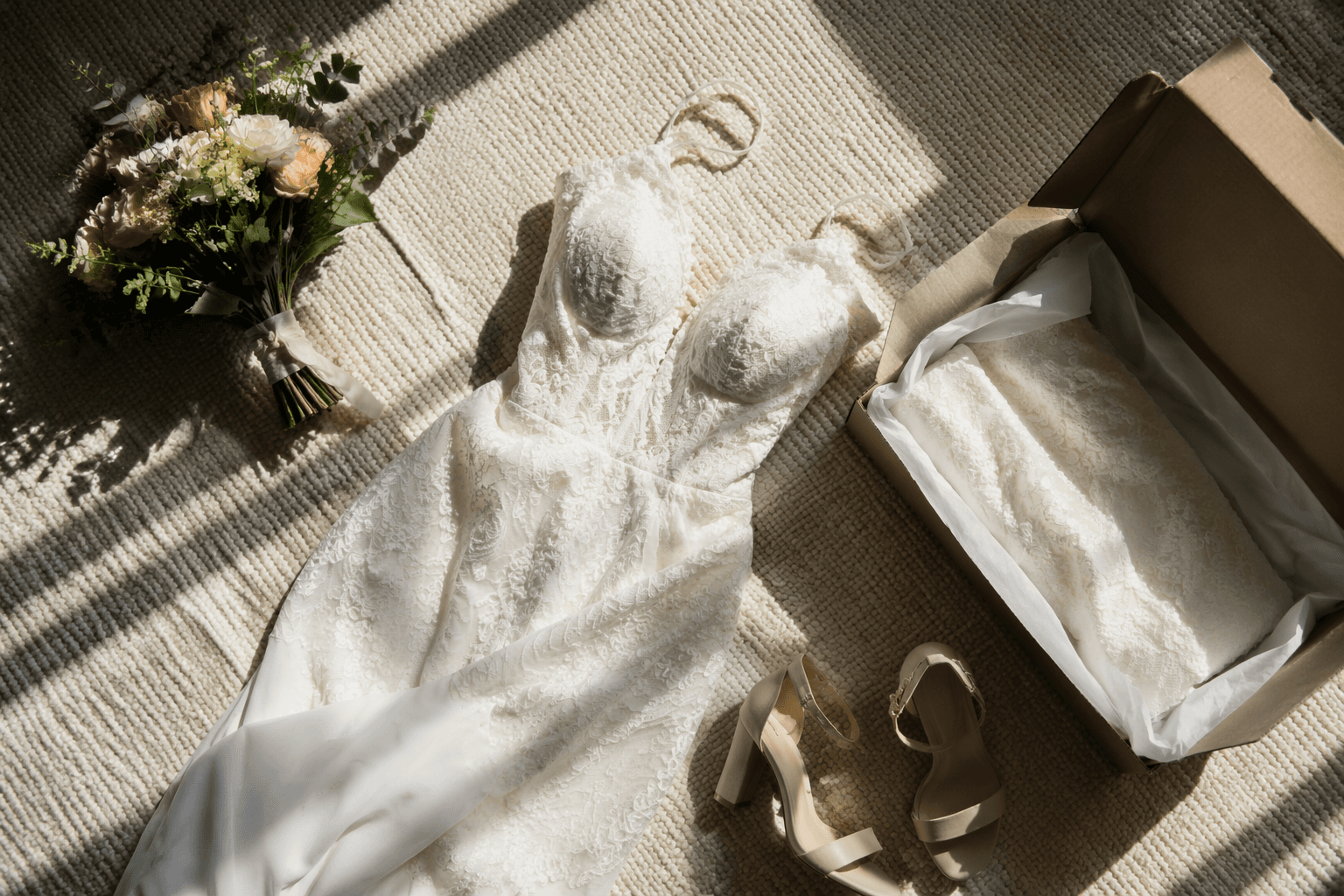
With the total U.S. wedding bill at $34,200, the salon rack is no longer the only lane. The lower end of the market has stopped looking like a backup plan and started looking like a strategy. The Cut’s shopping guide lands in that exact moment: buy, rent, thrift, repeat, and still walk in looking like you meant it.
The new bridal price ladder
The Knot’s 2026 Real Weddings Study, based on 10,474 U.S. couples married in 2025, puts the average wedding gown at about $2,100. That number mainly reflects off-the-rack and made-to-order dresses, because only 19 percent of the women surveyed wore custom-made attire. The “average” dress is already less rarefied than the fantasy often sold in bridal salons.
The Knot’s budget roundup stretches from about $135 to $529. Against the $2,100 average, a $529 dress saves about $1,571, or roughly 75 percent. A $135 dress saves about $1,965, which is nearly 94 percent less than the average gown.
What buying under $530 actually gets you
At the lowest end, the biggest win is not just price, it is flexibility. The Knot’s affordable picks include the Birdy Grey Mira Convertible Dress at $135 and the Azazie Celestia Dress at $399, with other budget options clustering up to about $529. That puts real, wearable bridal looks in the same range as a nice suit rental, not a down payment.
- Under $200 is where convertible, minimalist, and second-look dresses start to make sense, especially if you want a simple shape that photographs clean.
- Around $399, you are in the zone where the dress can still feel intentionally bridal without pushing into salon markup.
- By the time you reach about $529, you are still far below the $2,100 average, but with enough room for a more polished finish and a little more drama in silhouette or detail.
The key distinction is that these are not custom couture fantasies. They are practical, fashion-aware options that let a bride spend where it shows: on tailoring, shoes, veil, or the after-party dress.
Renting has graduated from backup plan to main plan
Rent the Runway has made rental feel less like improvisation and more like a deliberately styled bridal choice. Its one-time bridal rentals include a free backup size and a fit guarantee, which solves the most annoying problem in wedding dressing: panic about the zipper and the clock at the same time. Brides can choose 4-day or 8-day rental windows, book up to four months in advance, and use the service for engagement shoots, rehearsal dinners, bachelorette parties, and the wedding itself.
Rent the Runway offers bridal concierge and personalized styling support.
Secondhand is where the market gets interesting
Goodwill has been pushing shoppers to buy second-hand wedding attire first, and that advice makes more sense now than it did a few seasons ago. Luxury bridal pieces can surface in its stores, which means a bride willing to hunt can find a one-of-a-kind gown without paying boutique prices.
The resale market is bigger than a lucky thrift-store find, though. Stillwhite lists nearly 97,000 dresses across 116 countries, and sellers have collectively earned $117 million. Bridal resale is not fringe anymore. It is a real circular market with enough inventory to support women looking for designer labels, modern silhouettes, or a dress they can afford to wear once and pass on.
Why prices keep climbing anyway
In May 2025, steep tariffs on China were squeezing bridal boutiques and designers. China accounts for 90 percent of the bridal gown market, and a 145 percent tariff was temporarily cut to 30 percent until July 9, 2025.
Affordable buying, rental, thrift, and resale are responses to a market where supply chains are concentrated, price shocks travel fast, and bridal retail has to absorb the costs.
How to shop the market now
The cleanest way to think about bridal dressing today is in price bands, not fantasy categories. If you are under $200, rental and resale are your sharpest moves, and a dress like Birdy Grey’s $135 option shows how far that tier has come. If you are around $399 to $529, you can buy something new and still stay hundreds, even thousands, below the salon average.
This article was produced by Prism’s automated news system from verified source data, official records, and press releases, then run through automated quality and moderation checks before publishing. The system is built and supervised by the people who set the standards it runs under. Read our full AI policy.
Did this article answer your question?