Anne Hathaway’s Sheer Lever Couture Look Signals Bridalwear’s New Direction
Anne Hathaway’s sheer Lever Couture look shows bridalwear drifting toward white dresses that feel fluid, sensual, and red-carpet ready, not strictly ceremony-bound.
The new bridal mood is white, but not precious
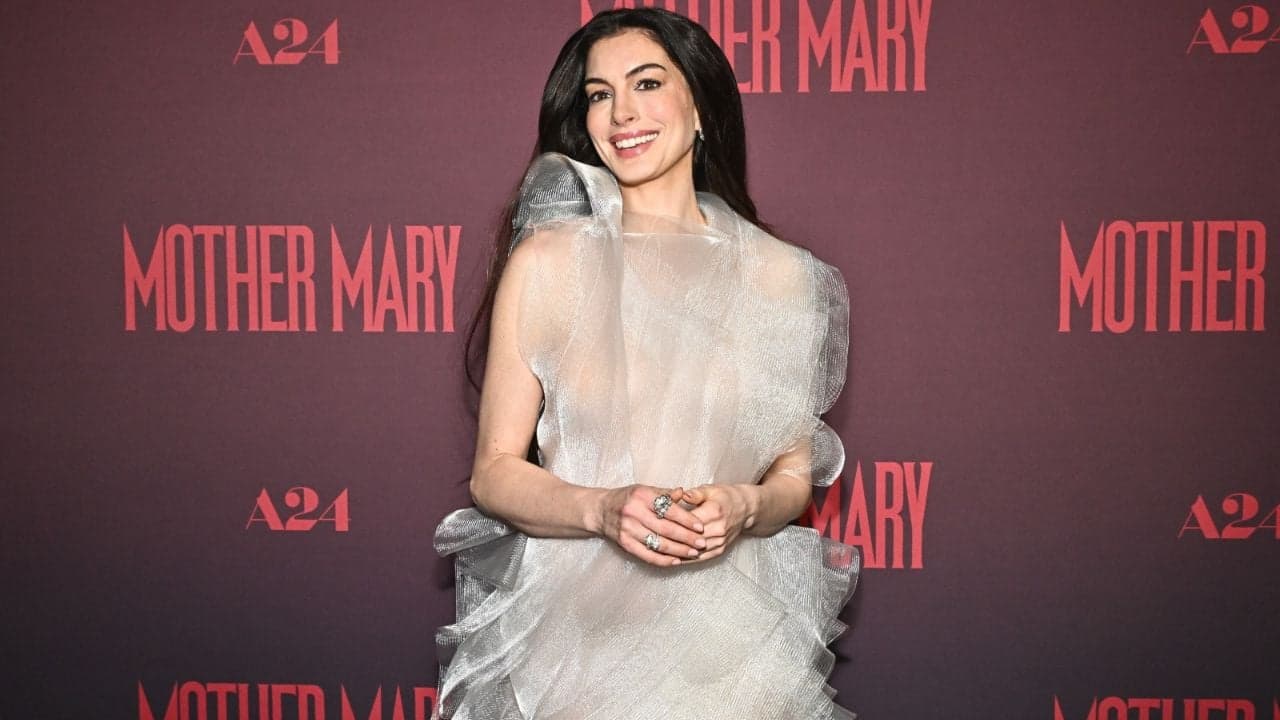
Anne Hathaway’s Lever Couture dress makes the case in one glance: bridalwear is moving toward white pieces that feel more like a fashion moment than a wedding uniform. Her semi-sheer, asymmetrical gown, with its wispy construction and thigh-high slit, looked less like a traditional aisle dress and more like a polished red-carpet dress that happened to speak fluent bridal. Styled by Erin Walsh and finished with metallic silver Christian Louboutin pumps and Bulgari rings and earrings, the look was all about ease, movement, and glamour, not pageantry.
That matters because Hathaway did not wear the kind of dress that tries to announce “bride” from across the room. Instead, she wore something airy and directional, the sort of look that suggests a modern bride wants the emotional charge of white without the heavy symbolism of a classic ceremony gown. At the Mother Mary screening in New York City, the effect was especially clear because Michaela Coel appeared in Givenchy from Sarah Burton’s fall 2026 collection and FKA Twigs wore Ashi Studio spring 2026 couture. The whole red carpet leaned dramatic and fashion-forward, which only sharpened the sense that bridal dressing is borrowing from eveningwear instead of standing apart from it.
Why this looks like bridal, even when it doesn’t look like bridal
The strongest part of Hathaway’s look is that it keeps enough bridal code to read as intentional. White still does the work. So does the softness of the fabric, the lightness of the silhouette, and the hint of skin through semi-sheer construction. But the dress stops short of the old formulas brides once leaned on: heavy satin, obvious volume, and overtly ceremonial detailing.
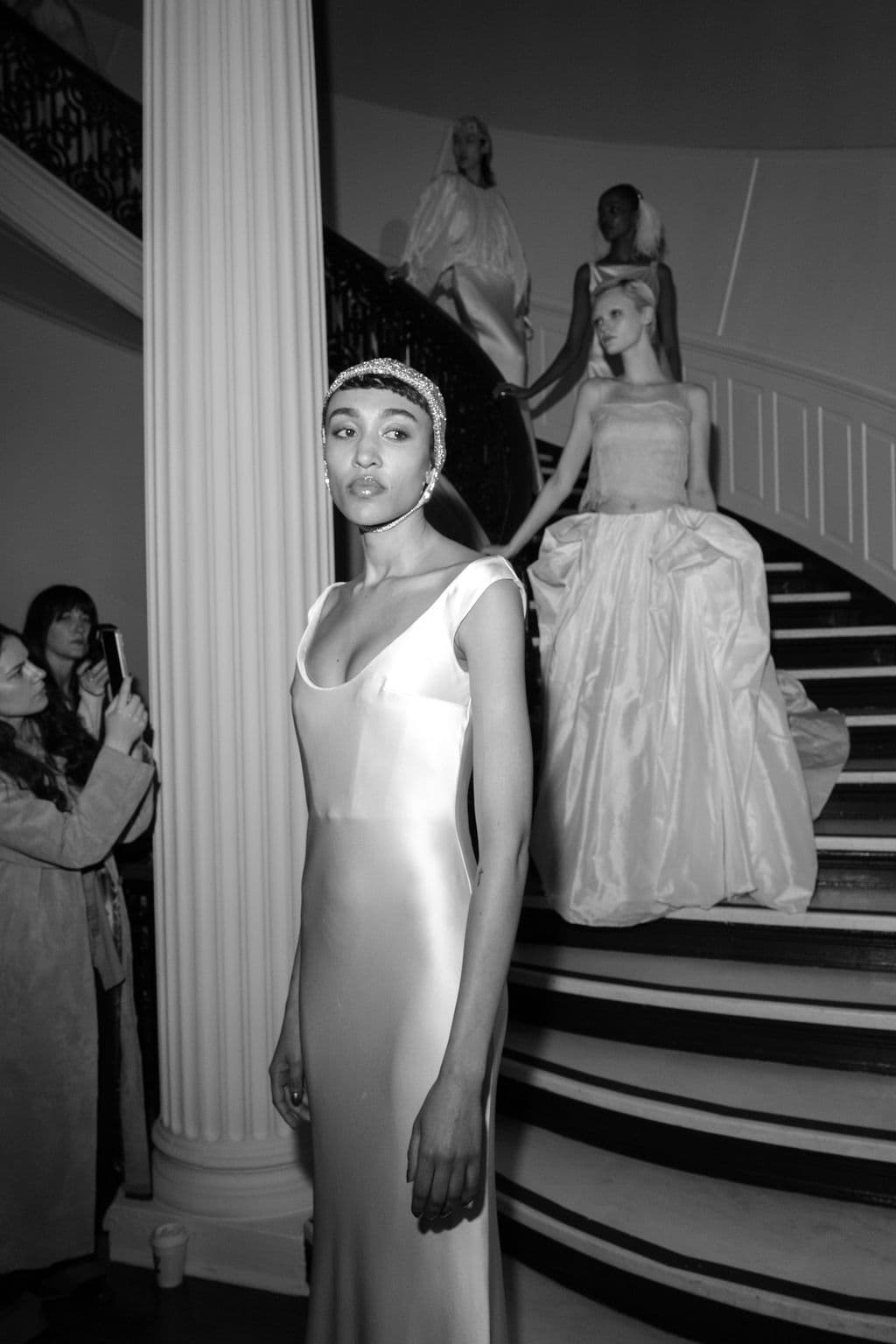
That balance is exactly what has been building on the runways. WWD’s spring 2026 bridal coverage showed that designers were still treating romance as a structural idea, with corsetry serving as a foundation across collections. Draped basque waists, larger-than-life skirts, colorful florals, mermaid silhouettes, and period dressing all played a role in shaping the season. In other words, bridal is not losing its sense of occasion. It is simply becoming more flexible in how that occasion is expressed.
Hathaway’s dress fits neatly into that shift. It is bridal-coded without being bridal-bound, which is precisely why it feels current. The bride who wants this look is not rejecting tradition so much as editing it down to the essentials: white, movement, a body-conscious line, and enough polish to hold its own in a room full of cameras.
What stays and what goes in 2026 bridalwear
The easiest way to understand the new direction is to separate the codes that remain from the ones that are fading. The white dress is staying. So is silhouette drama, but in a more fluid register. Brides are still responding to shape, but now that shape often comes through a draped waist, a soft corset, a long column, or a cut that reveals the body rather than burying it.
- White and ivory still anchor the look.
- Corsetry remains foundational, especially when softened by draping.
- A defined waist still matters, whether it appears as a basque line or a subtle cinch.
- Movement is prized, especially in fabrics that read airy rather than stiff.
- Romantic detail survives, but it is increasingly less literal.
A few things are clearly holding their ground:
What is being dropped is just as telling. Brides are moving away from dresses that look overly ceremonious, overly rigid, or too obviously built for the aisle alone. That means less dependence on formal volume for volume’s sake, less fussiness, and less of the old “princess” default. Even the most dramatic gowns now want to look as if they belong at a party, on a roof, in a gallery, or on a red carpet, not just in a chapel.
The sheer trend is no longer a fringe idea
The Knot was already calling 2025 “the Year of the Sheer Wedding Dress,” and that language now reads less like a novelty and more like a forecast that landed early. The site defined sheer gowns as styles made with see-through fabrics such as tulle, organza, and lace, while illusion dressing relies on skin-tone layering to create coverage. That distinction matters because it explains why sheer bridal has moved from shock value into mainstream conversation: brides can choose how much skin to reveal, and how much of the effect is optical.
Designers have been testing the idea in different ways. Savage & Hunt and Pnina Tornai showed sheer tulle panels and sheer skirts, while SOUCY pushed the concept all the way to an entirely sheer organza column gown. The message is clear: transparency is no longer just a detail. It is a silhouette strategy.
Hathaway’s Lever Couture look lands squarely in that conversation. It does not dress sheer as provocation. It dresses sheer as refinement. That is the real change. The fabric still offers a little tension, but the effect is elegant rather than attention-seeking.
Celebrity weddings are now setting the bridal pace
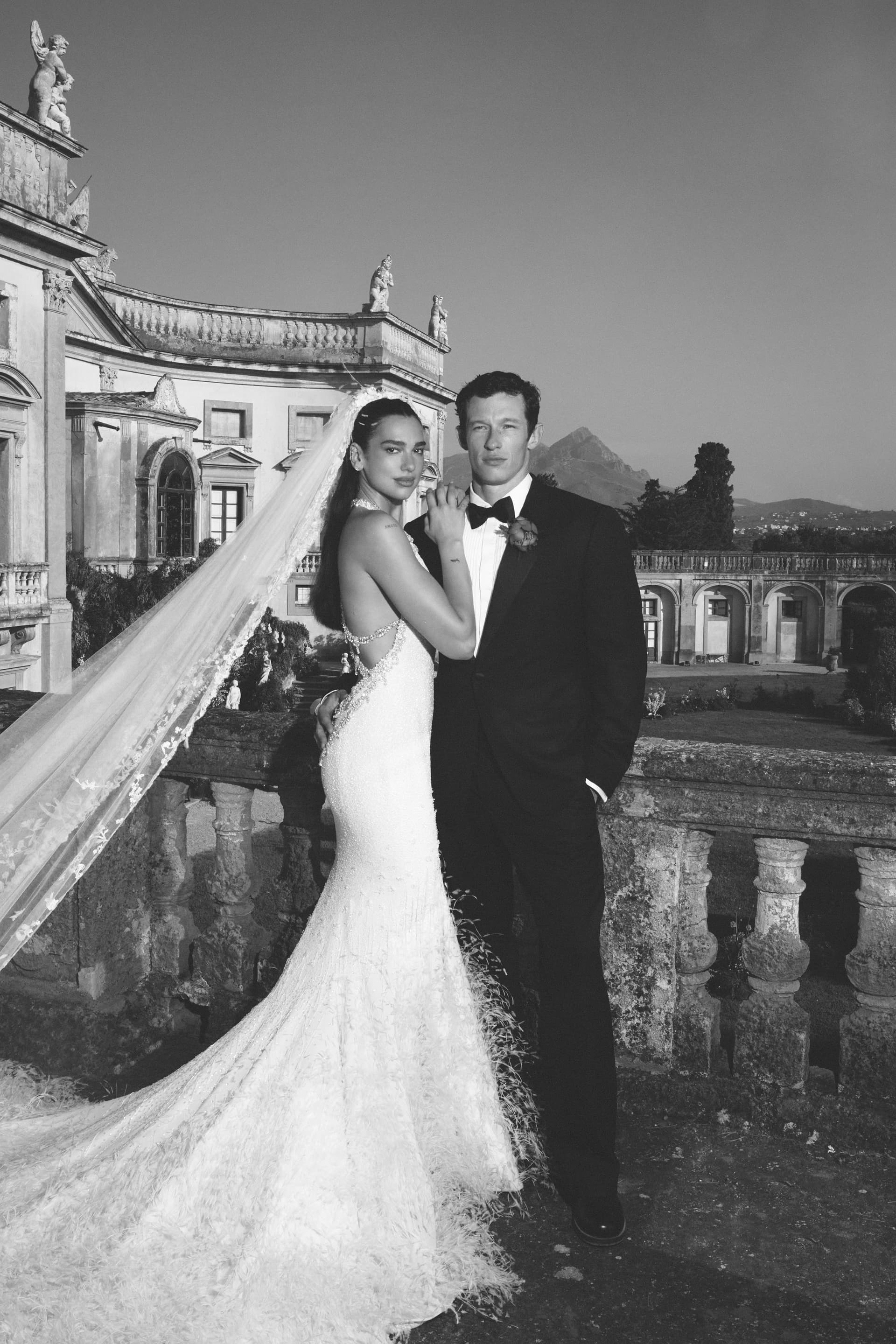
One of the biggest forces behind the shift is celebrity bridal dressing, which WWD said was directly shaping trend cycles in its fall 2026 coverage. Selena Gomez’s September 2025 custom Ralph Lauren gown for her wedding to Benny Blanco, with its halter neckline, became a clear reference point for designers thinking about shoulder-baring bridal shapes. That kind of high-visibility wedding no longer sits apart from the market. It feeds straight into what comes next.
The same report noted that Monique Lhuillier, Ines Di Santo, and Sept were embracing deliberately rumpled, undone details, a move that suggests brides are warming to a little imperfection. That is another reason Hathaway’s look resonates now. It is polished, but not polished to the point of stiffness. It has a softness and looseness that feels expensive without looking overworked.
The spring 2026 forecasts from The Knot pointed to the same pipeline from runway to salon, with New York Bridal Fashion Week setting the tone for what brides would buy next. Monique Lhuillier, Justin Alexander, Ines Di Santo, and Elie Saab all figured into that forward-looking bridal mix, which tells you how broad the trend has become. This is not a niche preference for avant-garde brides only. It is moving toward the center.
How to wear the look without losing the bridal feeling
If you want the Hathaway version of bridal, the key is restraint. Keep the dress white or ivory, and let texture do the work. Choose one strong modern cue, whether that is a slit, a sheer panel, a slinky drape, or an asymmetrical line, and avoid piling on too many decorative ideas at once.
- Pick one sensual detail and let it lead.
- Keep jewelry polished and intentional, not overloaded.
- Use metallic or satin shoes to sharpen the look.
- Balance transparency with structure so the dress still feels bridal.
- Let the silhouette move, rather than trying to make it appear formal through weight.
The most useful styling rules are simple:
Hathaway’s silver Christian Louboutin pumps and Bulgari jewelry were the right finishing touches because they made the dress feel like a red-carpet event, not a costume change. That is the direction bridalwear is heading now: white, but lighter; sensual, but not aggressive; romantic, but edited. The next mainstream wedding dress may not look like a wedding dress at all, and that may be the most modern thing about it.
This article was produced by Prism’s automated news system from verified source data, official records, and press releases, then run through automated quality and moderation checks before publishing. The system is built and supervised by the people who set the standards it runs under. Read our full AI policy.
Did this article answer your question?