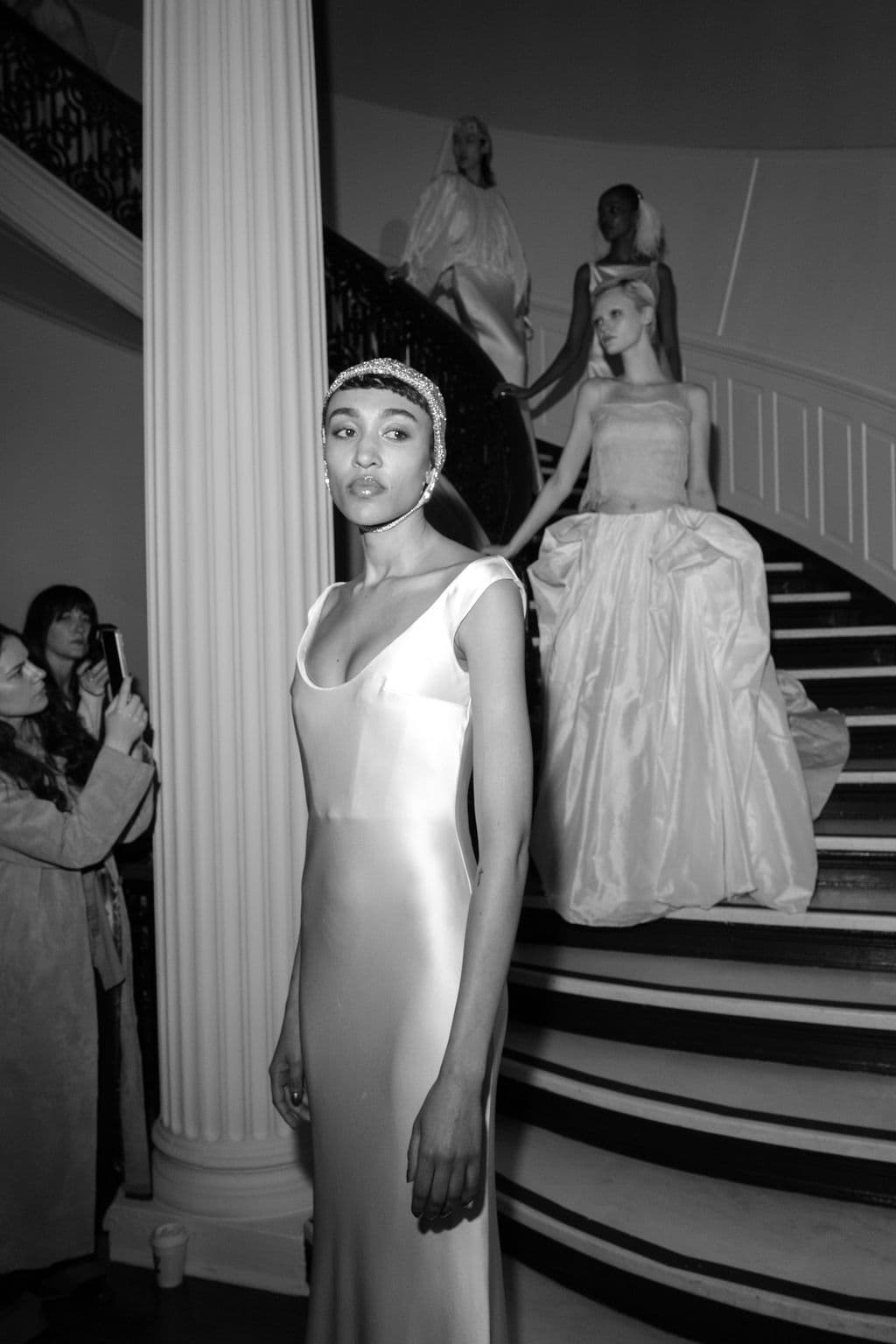
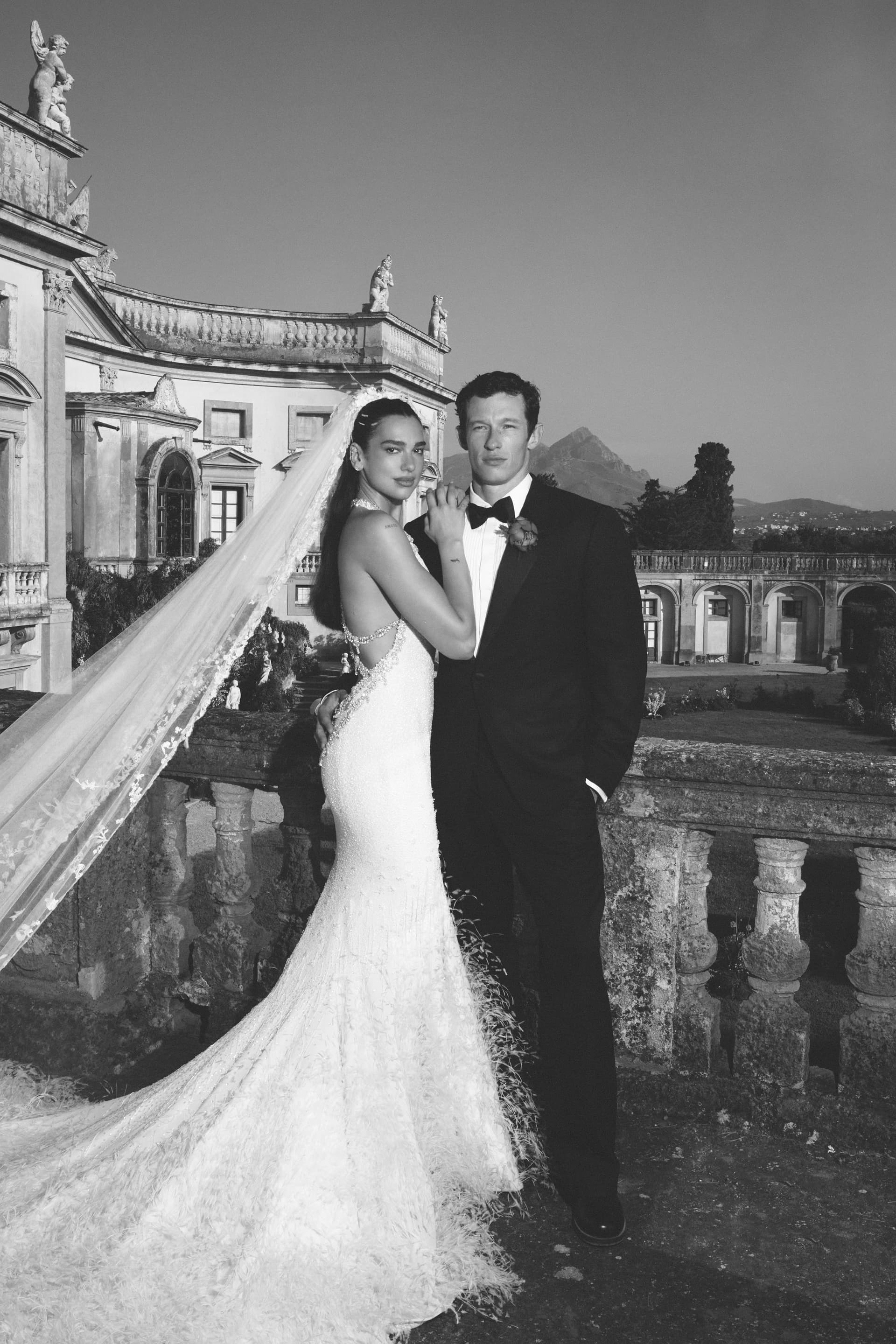
Anshula Kapoor's pre-wedding lehenga took 1600 hours to make
A 1,600-hour lehenga is luxury by labor: dense handwork, crystal-bright polish, and the kind of bridal piece that must justify its place in a lighter market.
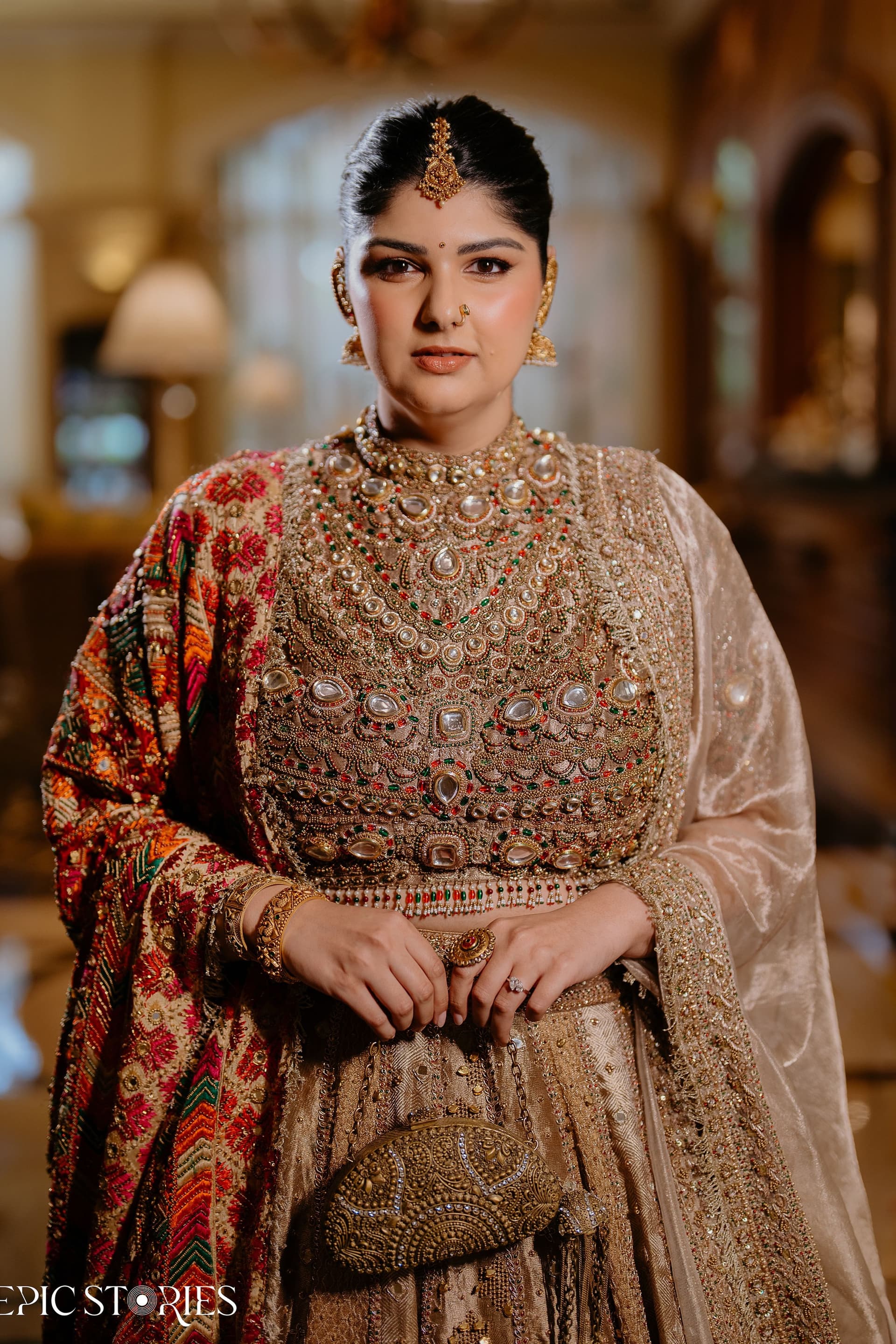
A lehenga that takes 1,600 hours to finish is not selling fabric alone. It is selling density, patience, and the kind of handwork that reads from across a room and still rewards a close look, stitch by stitch. Anshula Kapoor’s pre-wedding look lands exactly in that space: a beige-and-gold bridal piece with crystal embellishment, built for spectacle, but also for the long memory of family albums and wedding archives.
The craft behind the number
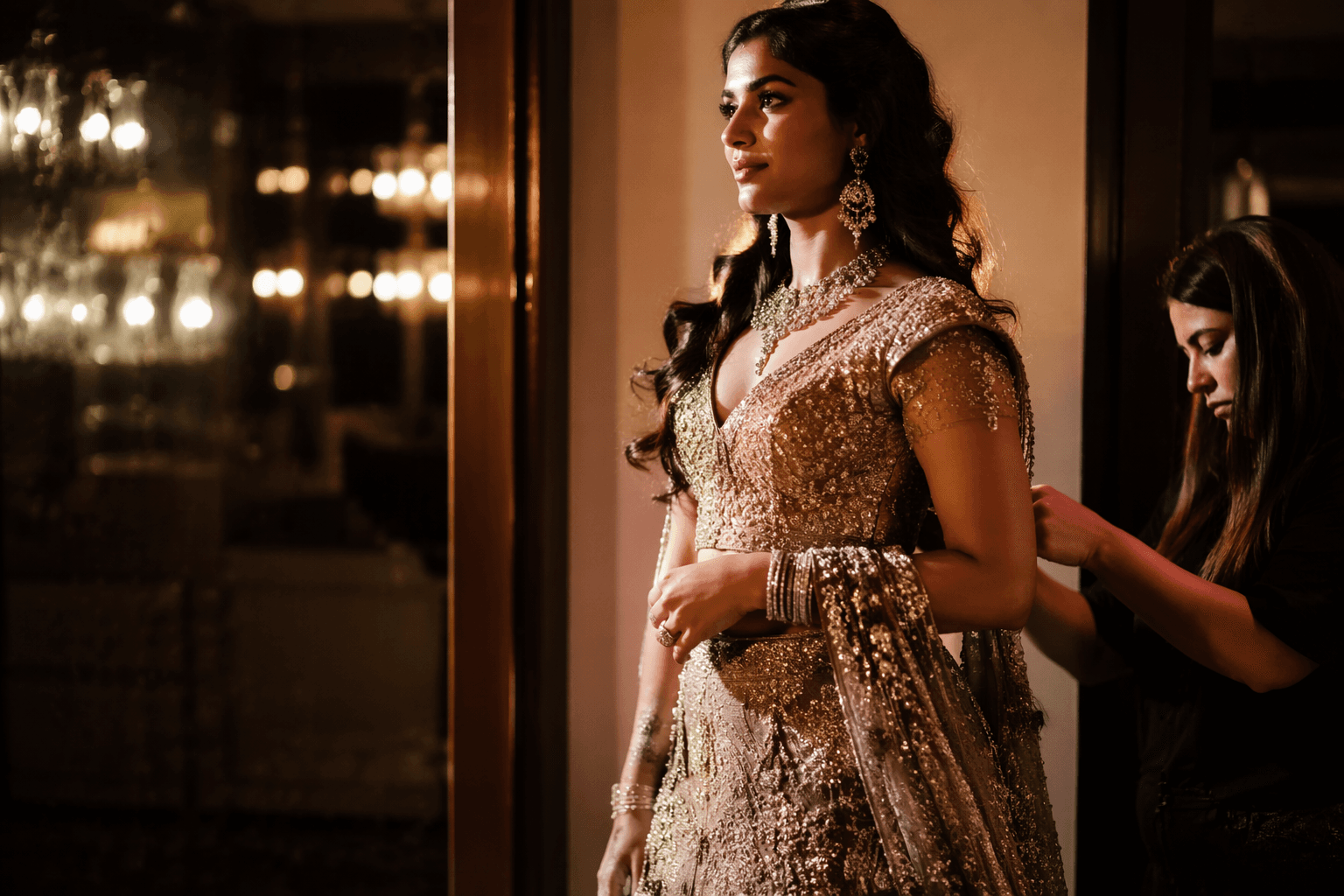
The 1,600-hour figure is the headline because it tells you how much labor sits inside the skirt, blouse, and surface finish before the first photograph is even taken. In bridal fashion, that kind of time usually means a dense handworked surface, layered embellishment, and enough minute detail to turn the garment into a collectible object rather than a one-night outfit. The effect is especially strong here because the palette is restrained, letting the crystals and embroidery do the talking instead of competing with color.
That is what makes the piece feel expensive in a way that goes beyond price. A lehenga with this much manual work carries exclusivity in its construction, not just in its label, and that matters in bridal dressing, where the best pieces are often judged by how closely they can hold up under flash photography and how well they can survive being remembered years later. When the work is this intensive, the garment starts to behave like an heirloom from the moment it is worn.
Why the Kapoor celebrations turned it into a fashion moment
Vogue India gave the look a dedicated fashion platform on June 22, 2026, then followed it with a gallery on June 23 titled “All the inside photos from Anshula Kapoor’s wedding celebrations.” That sequence matters because it shows the lehenga was not treated as a single outfit reveal, but as part of a larger bridal narrative unfolding in real time. Wedding wardrobes do not usually get that kind of sustained styling attention unless the clothes are doing something visually distinctive.
The family context sharpened that attention. Anshula Kapoor’s pre-wedding festivities included Arjun Kapoor, Janhvi Kapoor, Shanaya Kapoor, and other family members, turning the celebration into both a private rite and a public style event. Shanaya Kapoor also shared pictures from the rituals, which pushed the celebrations further into the social-media stream and widened the audience for the look. Add in the fact that Anshula Kapoor is the younger sister of Arjun Kapoor and the daughter of producer Boney Kapoor, and the event carries the kind of celebrity-family recognition that bridal fashion editors know will travel.
The romance behind the wedding adds another layer. Anshula Kapoor is set to marry Rohan Thakkar, and the couple’s festivities began in June 2026. One account also places their earlier engagement proposal in front of a castle in Central Park in the United States, a detail that already sounds built for bridal storytelling. That kind of backdrop gives a heavily worked lehenga even more narrative weight, because the clothes are dressing a relationship that has been framed as cinematic from the start.
What 1,600 hours says about today’s bridal market
This is where the lehenga becomes more than a celebrity look. The question underneath it is whether labor-intensive bridal pieces still justify their place when many shoppers are leaning toward lighter, more versatile investments that can be worn beyond one ceremony. A 1,600-hour garment makes a powerful case for the opposite approach: buy the showpiece, keep the memory, and accept that some wedding clothes are meant to be singular.
That argument still has force, but only if the piece earns it. Anshula Kapoor’s lehenga does that through its beige-and-gold palette, the crystal detailing, and the sheer amount of handwork built into it. It is not trying to look casual or adaptable, and that confidence is part of the appeal. In a market full of bridal looks that blur into one another, a garment with this much labor attached feels memorable precisely because it refuses to be easy.
Vogue India’s run of June 2026 wedding-fashion coverage around the Kapoor celebrations suggests the industry still knows how to frame bridal dressing as culture, not just commerce. The focus on the lehenga, the follow-up gallery, and the family moments around it all point to the same conclusion: luxury bridal wear still matters when craftsmanship, celebrity, and image-making meet in one sharply defined silhouette. The pieces that last now are the ones that can justify their hours in public, and this lehenga does exactly that.
This article was produced by Prism’s automated news system from verified source data, official records, and press releases, then run through automated quality and moderation checks before publishing. The system is built and supervised by the people who set the standards it runs under. Read our full AI policy.
Did this article answer your question?