Baroque romance in Palermo, a wedding at Santa Teresa alla Kalsa and Villa Tasca
Palermo’s baroque churches and citrus gardens turn bridal dressing into a bohemian study in texture, scale, and old-world romance.

At Santa Teresa alla Kalsa, a Baroque church in the Kalsa quarter, the ceremony feels wrapped in carved history and warm stone, then Villa Tasca opens the day into a garden reception that trades generic destination-wedding polish for something richer, older, and more specific. The result is the kind of bridal fantasy that reads instantly on camera but also gives real ideas you can borrow: a church with architectural gravitas, a reception framed by citrus trees, and styling that leans into texture instead of theme.
Santa Teresa alla Kalsa: the ceremony anchor
Santa Teresa alla Kalsa sits on Piazza della Kalsa, facing Porta de Greci, and the setting gives the ceremony a true Palermo address rather than a vague Mediterranean backdrop. The Comune di Palermo dates the church’s construction to 1688 through 1706 and credits Giacomo Amato with the project; other published dates place the build between 1686 and 1700. The church was built by the nearby convent’s Carmelite nuns, and that origin gives it a quieter, more devotional elegance than a grand civic monument.
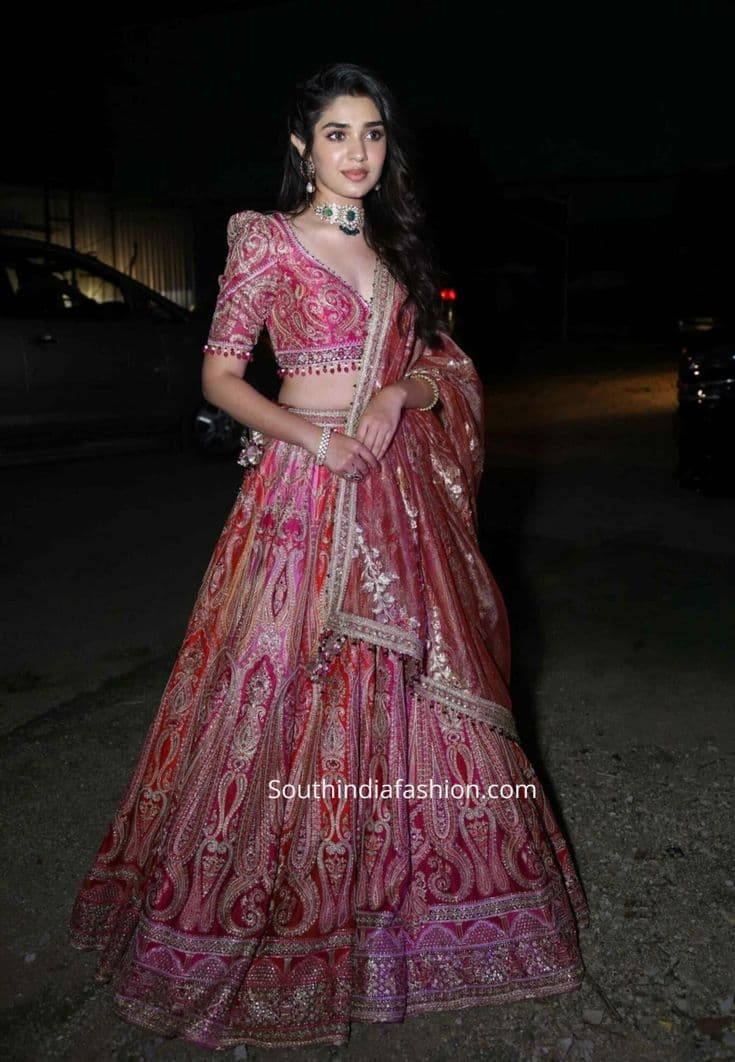
For bridal style, that means the clothes should respect the architecture without becoming severe. A gown with clean volume, a sculpted bodice, or a soft veil against stone and gilded detail will read more powerfully here than excess ornament for its own sake. The best choice is not a costume of antiquity, but a look with enough structure to hold its own in a church designed by Giacomo Amato and enough softness to keep the romance alive.
The Fondo Edifici di Culto records the church as a former Carmelite property acquired after the 1866 suppression.
Villa Tasca: reception as a garden scene
Villa Tasca stretches the story from sacred interior to private estate. Its history begins in the mid-16th century, when Louiso di Bologna, Baron of Montefalco, built a villa there, and that lineage still shapes the mood today. The property is a historic house with a romantic garden and a focus on sustainability and the preservation of diversity.
The Romantic Garden shifts the aesthetic from baroque to bohemian. Instead of relying on a stiff ballroom translation of “elegant,” the garden setting invites movement: longer tables, looser floral compositions, candlelight that can compete with dusk, and fabrics that look good when the breeze catches them.
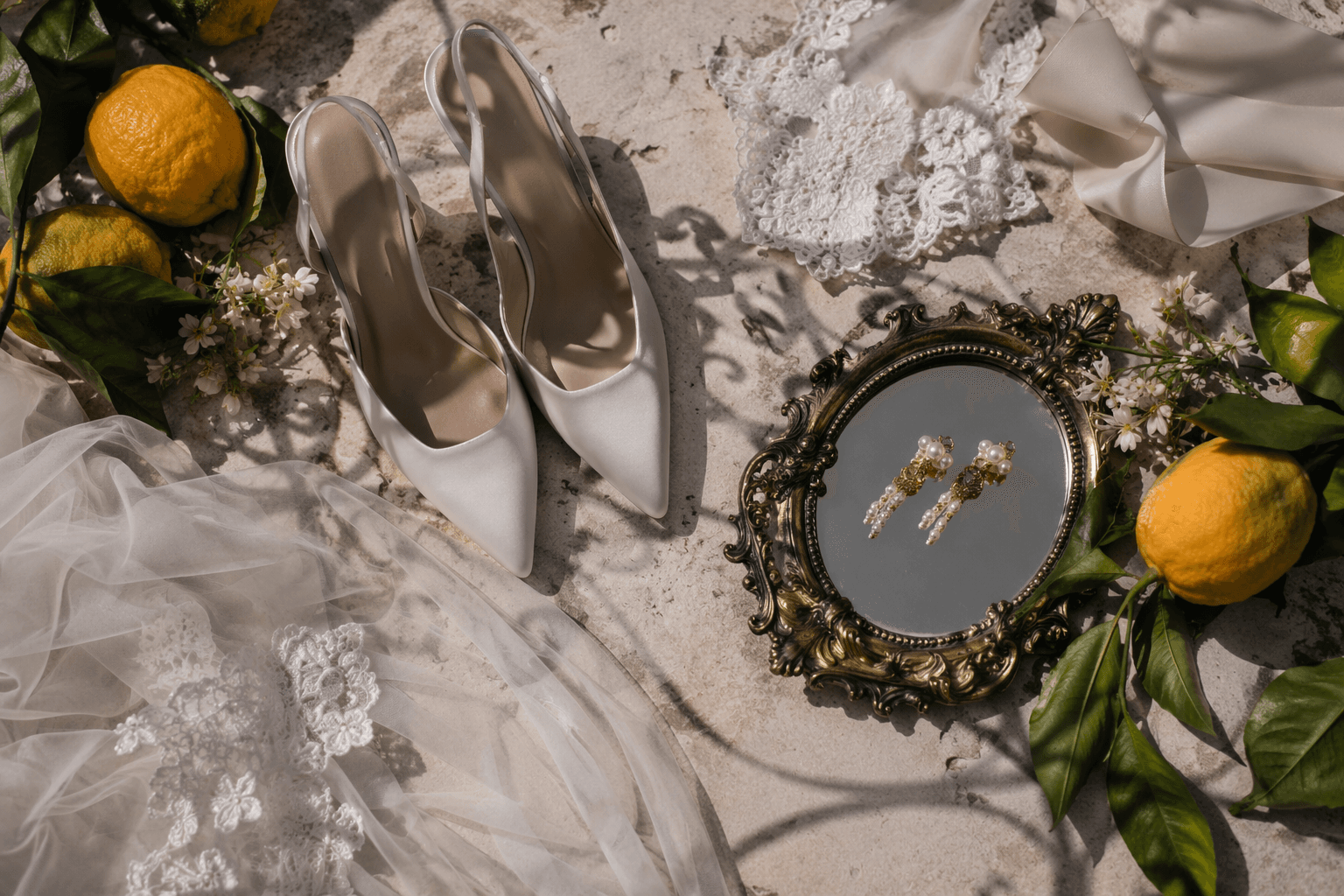
Villa Tasca is a 16th-century noble palazzo with about 20 acres of gardens and capacity for up to 1,000 outdoor guests, while Dimore Storiche Italiane lists 230 seats indoors and 400 outdoors, along with an 8-hectare park filled with citrus groves and centuries-old trees.
The bridal look Palermo asks for
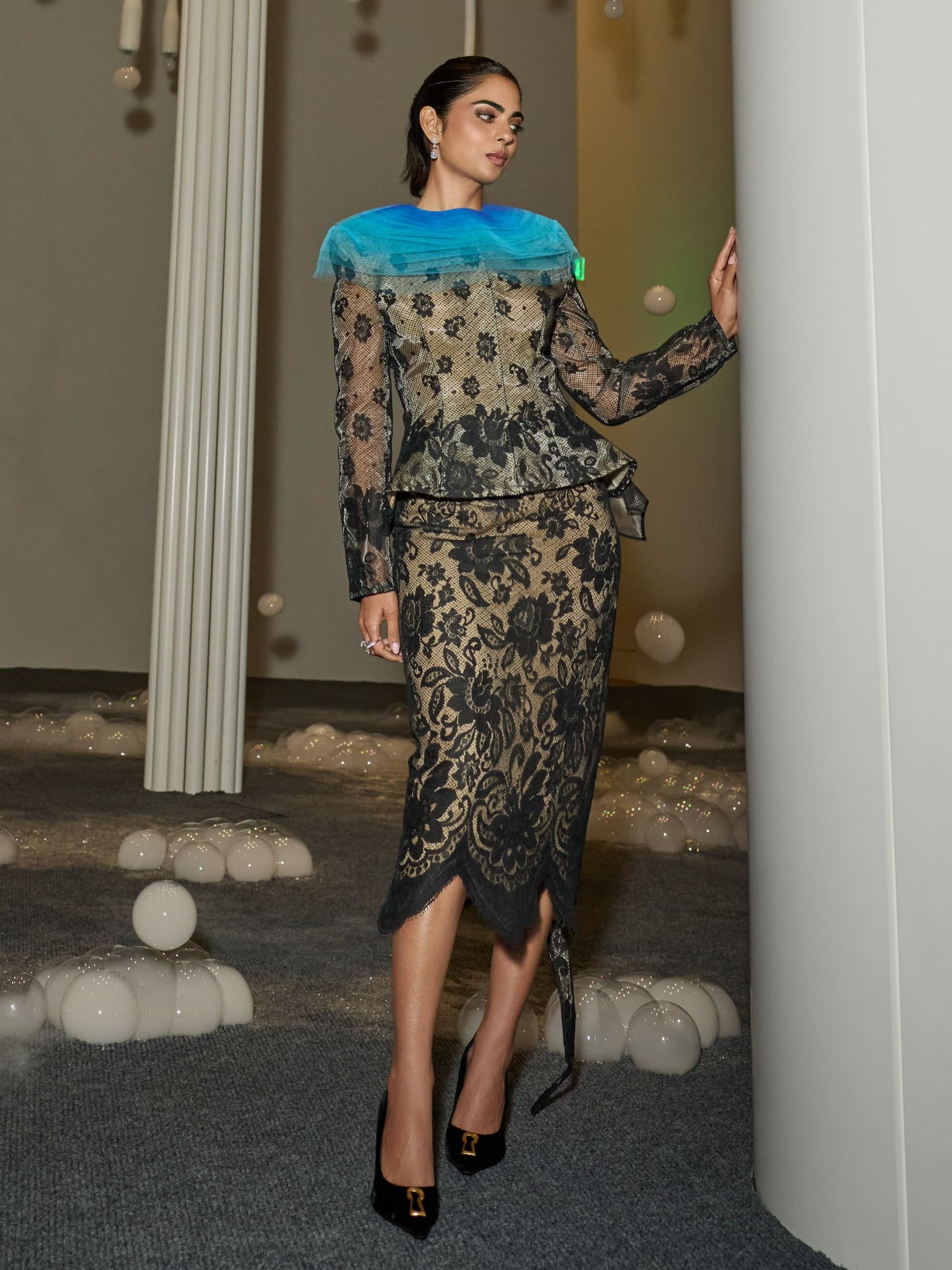
The strongest reading of this wedding is not “Mediterranean” in the abstract. It is baroque-bohemian, a blend of architectural drama and loosened, sensual styling that feels tailored to Palermo’s specific rooms and gardens. That means choosing fabrics with movement and depth, such as silk, matte satin, gauzy tulle, or lace with real texture, rather than shiny surfaces that flatten in the heat and the light. It also means letting one part of the look carry the message, whether that is a sculpted sleeve, a bias-cut slip, a dramatic train, or a veil that can echo the church interior and then soften again in the garden.
Florals should follow the same rule: keep them lush, but never vague. The setting already supplies the story through the church façade, the piazza, the palace garden, the citrus groves, and the ancient trees, so the floral language works best when it feels gathered rather than over-designed. Think of arrangements that can hold their own against Villa Tasca’s historic interiors and its Romantic Garden without turning the day into a generic Tuscan or Amalfi mimicry.
For the tablescape, the useful cue is scale plus restraint. Villa Tasca’s outdoor capacity is substantial, but the most memorable tables in a place like this will still feel composed, not crowded: candlelit place settings, natural linen, glassware that catches dusk, and greenery that nods to the estate’s biodiversity focus without looking like a theme park version of the garden.
Why this Palermo setting feels different
Palermo’s advantage is that it already knows how to host grand gestures. Santa Teresa alla Kalsa brings late-17th- and early-18th-century church architecture into the ceremony, while Villa Tasca supplies an estate history that starts in the mid-1500s and now reads as a romantic, sustainability-minded garden house.
This article was produced by Prism’s automated news system from verified source data, official records, and press releases, then run through automated quality and moderation checks before publishing. The system is built and supervised by the people who set the standards it runs under. Read our full AI policy.
Did this article answer your question?