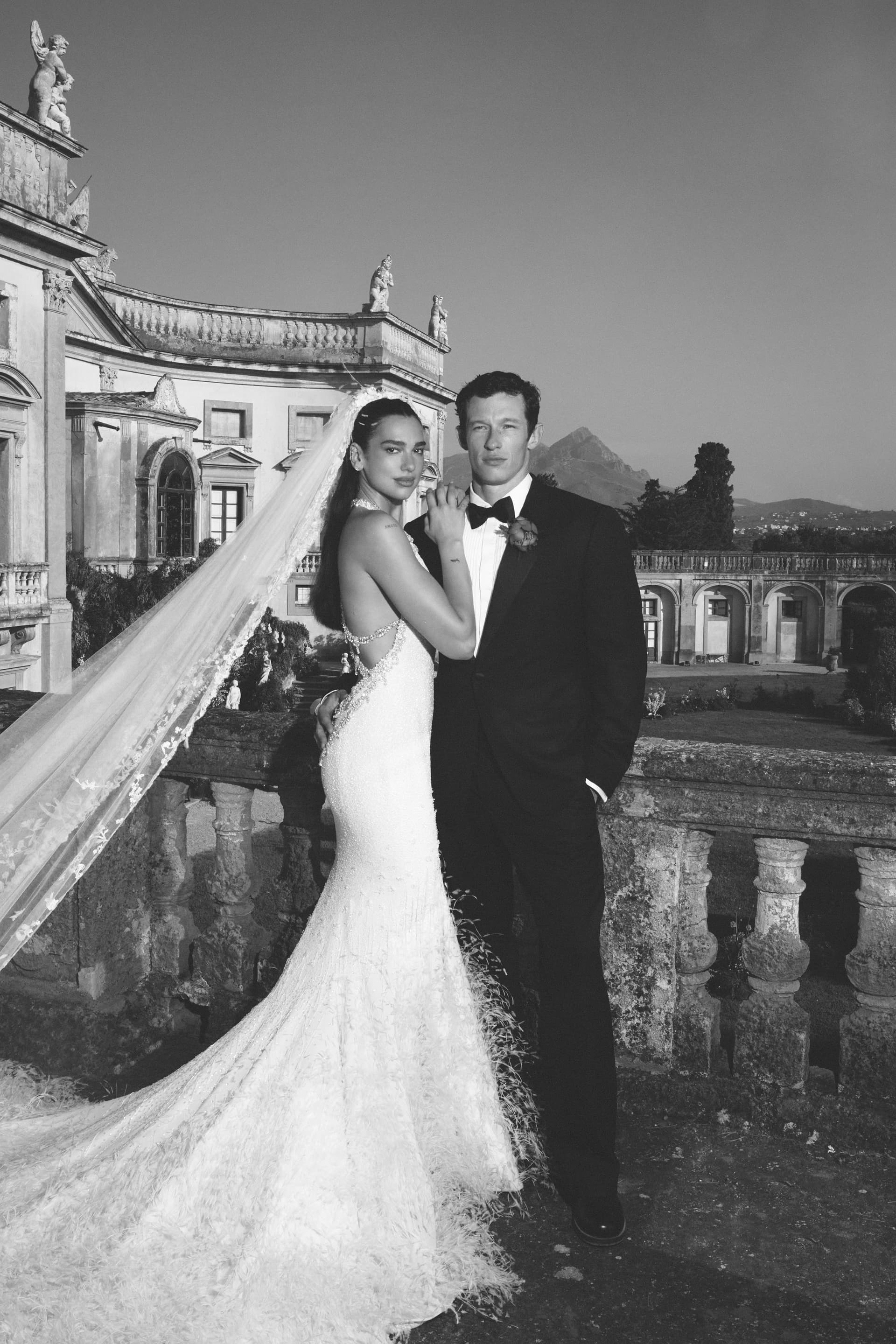
Basra pearls return as coveted heirlooms for modern brides
Basra pearls have gone from royal relic to bridal obsession, and the chase now hinges on provenance, price, and proof.
The heirloom everyone suddenly wants
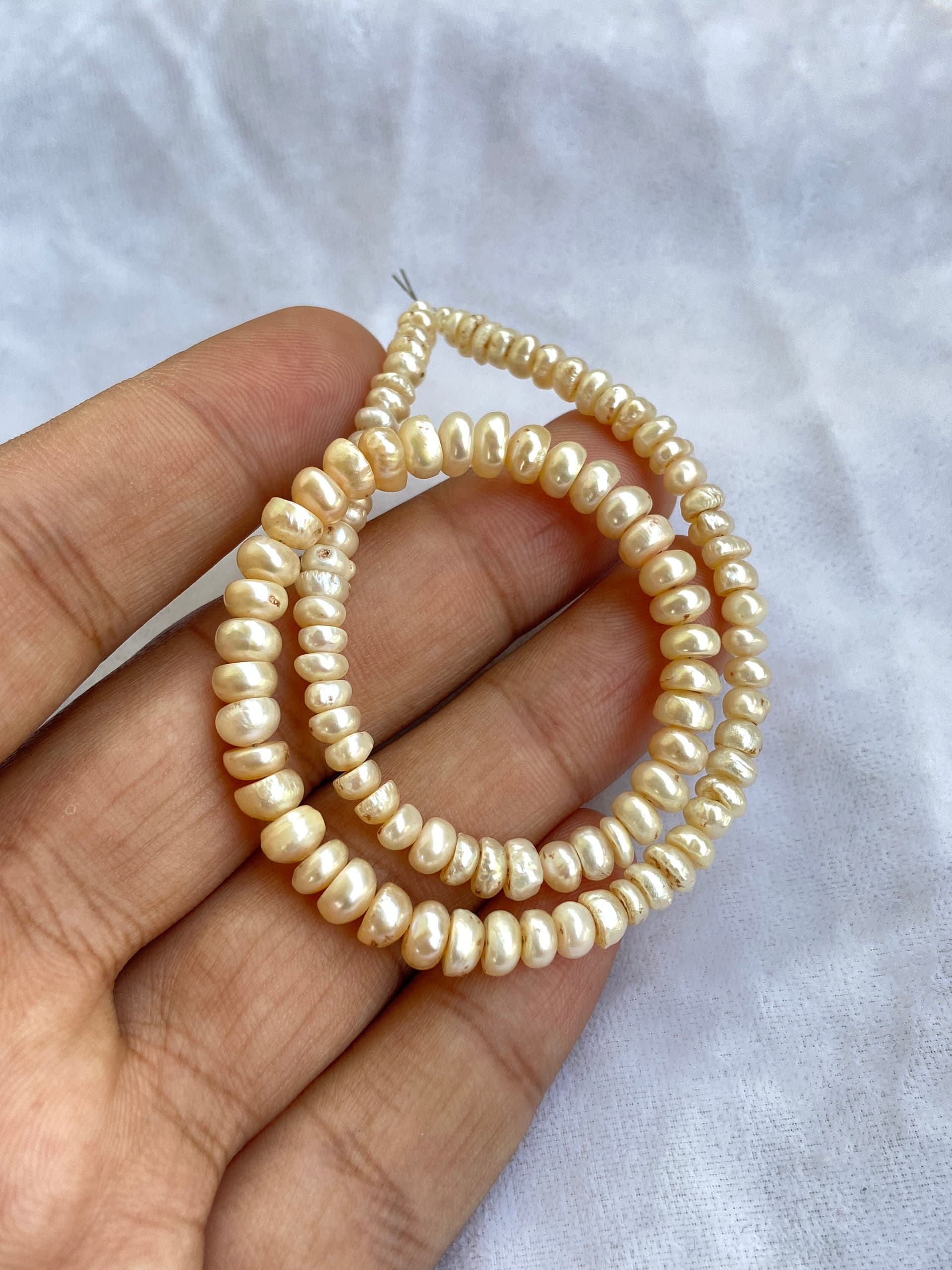
Basra pearls are back because scarcity made them interesting again. These are natural saltwater pearls from the Persian Gulf, historically traded through Basra in southeastern Iraq, and they were once precious enough to be stitched into royal canopies and elite jewelry. In bridal terms, that is the ultimate flex: not just something old, but something almost impossible to find.
What makes them hit differently now is the market reality. Vogue India notes that jewellers struggle to find even a single strand, which tells you everything about where this has landed. When a material goes from abundant enough to define a regional economy to rare enough to become a collector’s trophy, brides start reading it as inherited status, even when they are buying it for the first time.
Why the Basra story is bigger than jewelry
This is not just a pearl story, it is an industry story. UNESCO says Bahrain’s pearling tradition shaped the island’s economy for millennia, with the trade peaking at the end of the 19th century and the beginning of the 20th. Then the bottom fell out in the 1930s, after cultured pearls were developed in Japan, and the old pearling economy suffered a sudden, catastrophic collapse.
That collapse is exactly why Basra pearls now feel heirloom-grade instead of merely decorative. The Persian Gulf was once the center of the global natural-pearl economy, and Britannica notes that the region’s balance shifted after oil discoveries changed its fortunes. Bahrain’s pearling legacy was later inscribed as a UNESCO World Heritage Site in 2012, covering 17 buildings, three offshore oyster beds, and part of the seashore at Muharraq. That kind of official memory matters in bridal jewelry, because the best heirlooms are never just pretty, they carry a place with them.
The auction record that set the tone
If you want to understand why Basra pearls now sit in the same conversation as high jewelry and family inheritance, look at the Baroda Pearl Canopy. Christie’s says it was commissioned by Maharaja Khande Rao Gaekwad in the 1860s, and it was made with approximately 950,000 Basra pearls, alongside emeralds, sapphires, rubies and colored glass beads. It was also one of only two surviving pieces from a five-part suite commissioned by the maharaja of Baroda.

That canopy is the perfect shorthand for the category: scale, craftsmanship, and scarcity all packed into one object. Christie’s sold it in New York on 19 June 2019 for $2,235,000, which is the kind of number that resets expectations for anything labeled antique, natural, and Gulf-linked. For brides and families chasing Basra pearls today, that sale is the market signal. These are no longer simply sentimental strands. They are assets with history.
Why authentication is the real gatekeeper
Here is where the romance gets very unglamorous, very fast. The United Nations in Bahrain says distinguishing between synthetic, cultured, and natural pearls requires experience and modern equipment. That is the part most brides do not think about until they are already deep into the search and staring at a strand that looks right but has no proof behind it.
If you are buying Basra pearls, provenance is the whole game. Family pieces need documentation, auction pieces need clear lot history, and anything offered as natural should be treated with the same seriousness you would give a diamond certificate or a couture receipt. The visual clues alone are not enough, because in this market, appearance can be persuasive while origin is what actually determines value.
How brides are actually getting the look
The easiest route is still the best one: family jewelry. A true inherited strand carries two forms of value at once, the material itself and the story attached to it. That is why Basra pearls land so hard in bridal dressing, because they make the word heirloom feel literal instead of aspirational.
The next route is the auction room, where the thrill is provenance and the risk is price. Pieces linked to royal ownership, Gulf pearling history, or long-documented estates tend to attract the kind of attention that pushes them well beyond simple pearl pricing. Then there are private collectors and specialist dealers, where access is narrower and trust matters more than fashion language. In all three cases, the bride is not just shopping jewelry. She is entering a market shaped by rarity, documentation, and the stubborn afterlife of old wealth.

What to wear if Basra is out of reach
Not every bride can, or should, chase a true Basra strand. That does not mean the look is dead. It means you need to be smarter about the substitute: think strong luster, clean matching, and a silhouette that keeps the pearls close to the skin instead of drowning them in decoration.
The key is to borrow the attitude, not fake the pedigree. A single strand with quiet weight, a choker with old-world restraint, or a pearl necklace paired with a pared-back bridal neckline can capture the same inherited feeling without pretending to be something it is not. If the goal is prestige, restraint usually reads richer than excess. That is especially true now, when the most convincing pearl look is the one that knows exactly where it came from, or at least does not lie about it.
What this means for modern bridal jewelry
Basra pearls are resurfacing because brides are hungry for pieces that feel personal, scarce, and hard to replicate. In a market flooded with polished sameness, a natural pearl linked to the Persian Gulf, Basra, Bahrain, and royal patronage carries a kind of authority that trend jewelry cannot copy. The pressure around authentication and price only sharpens that appeal.
That is why the new heirloom is not just inherited, it is verified, hunted, and sometimes fought over. Basra pearls have moved from history into the bridal present, and the brides who want them are not really buying nostalgia. They are buying proof that true rarity still exists.
This article was produced by Prism’s automated news system from verified source data, official records, and press releases, then run through automated quality and moderation checks before publishing. The system is built and supervised by the people who set the standards it runs under. Read our full AI policy.
Did this article answer your question?