Bollywood’s Iconic Lehengas Continue Shaping Bridal Style Trends
Bollywood's biggest lehenga moments still shape bridal mood boards, from Devdas jewel tones to Jodhaa Akbar restraint. The reference now maps cleanly onto real bride choices.
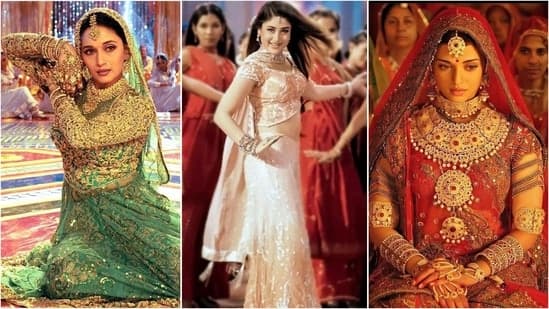
The lehengas brides keep saving are not random screenshots. They are cinematic shortcuts with staying power, the kind that turn a single frame into a full wedding brief, which is exactly why Aishwarya Rai, Deepika Padukone and Madhuri Dixit still sit on modern mood boards.
Akanksha Agnihotri’s May 8 roundup gets the read right: the influence of Devdas, Bajirao Mastani, Kabhi Khushi Kabhie Gham and Jodhaa Akbar is still alive in jewel tones, structured drapes and Mughal-inspired embellishment. That matters because India’s wedding market is huge and mercilessly trend-sensitive. The Confederation of All India Traders projected Rs 5.9 trillion to Rs 6 trillion in business from roughly 4.8 million weddings in 2024, IBEF pegged the season at US$70.43 billion, and Fortune India estimates the industry at about $130 billion a year, with wedding and celebration wear making up about 11% of apparel retail. When the budgets are this large, and average wedding spends can hit Rs 36.5 lakh, with destination weddings at Rs 51.1 lakh, brides are not just buying a dress. They are buying a visual identity that has to photograph, circulate online and still feel expensive in real life.
Devdas: the jewel-tone fantasy that still reads as bridal
Devdas is still the clearest template for the bride who wants to enter like a full-color event. The pull is in the saturation: deep reds, emeralds, gold that looks molten rather than shiny, and draping that feels heavy enough to move with intention. This is the lehenga reference for a bride who wants romance with volume, the kind of look that works best for a sangeet, a reception or any ceremony where the room needs to go quieter the second she walks in.
What makes it useful now is that it solves a very modern problem: how to look dramatic without looking costume-y. Devdas gives you the permission to lean into richness, not chaos. If your taste runs toward velvet borders, dense zari, old-world jewels and a dupatta that frames the face instead of fighting it, this is still the blueprint.
Bajirao Mastani: corseted drama for the bride who wants shape
Bajirao Mastani moved the bridal conversation toward sculpture. Deepika Padukone’s looks gave brides a sharper silhouette, one that feels cinched at the waist, grounded through the skirt and unapologetically regal. The mood is not soft-focus glamour. It is controlled force, with embroidery that feels architectural and drape lines that hold their shape.
This is the reference for a bride who wants presence before prettiness. It works beautifully for a phera look, a palace setting or a late-night celebration where you want the clothes to feel almost armored, but still luxurious. Think structured blouses, defined bodices, heavy hems and color stories that sit in the jewel-box zone without slipping into sparkle overload. It is royal, but with edge.
Kabhi Khushi Kabhie Gham: polished opulence that still feels wearable
Kabhi Khushi Kabhie Gham lands differently. The glamour is glossy, family-centered and polished enough to survive an entire wedding calendar. Kiran Deohans’ camera language helped those outfits read rich and expansive, which is part of why the film still feeds bridal references today. This is the lehenga code for brides who want elegance that can move from one event to the next without feeling overworked.
The appeal here is balance. The look can carry embroidery, sheen and color, but it does not need to scream. That is why it still connects with brides now who also save contemporary wedding looks from Anushka Sharma, Kiara Advani and Kriti Sanon: the styling is aspirational, but the silhouette stays clean enough to feel manageable. If you are building a wardrobe for multiple functions, this is the lane that lets you repeat the mood without repeating the exact outfit.
Jodhaa Akbar: heritage, restraint and the power of matte richness
Jodhaa Akbar remains the most instructive example of how costume design can shape bridal fashion without depending on shine. Neeta Lulla designed the garments so the fabrics could not have shine because the film was shot largely in natural light, and that decision is exactly why the looks still feel sophisticated rather than theatrical. The result is a bridal language built on Mughal detail, disciplined surface treatment and a kind of depth you notice slowly.
This is the reference for a bride who wants heritage without heaviness. It suits daylight ceremonies, temple settings and anyone leaning into craft over flash. Matte silk, restrained embroidery, antique gold, careful borders and jewelry that feels curated rather than piled on all belong here. If Devdas is the emotional crescendo, Jodhaa Akbar is the bride who knows that restraint can read richer than glitter.
How to translate the references into a real bridal mood board
The smartest way to use these film references now is not to copy them frame for frame, but to match them to the kind of wedding you are actually having.
- Choose Devdas if you want jewel tones, drama and a reception-ready silhouette that photographs like a painting.
- Choose Bajirao Mastani if you want structure, a cinched waist and a more forceful, queenly shape.
- Choose Kabhi Khushi Kabhie Gham if you are dressing for a multi-event wedding and want polish that still feels easy to wear.
- Choose Jodhaa Akbar if your taste leans toward Mughal detailing, matte fabric and daylight elegance.
That is also why Vogue India keeps returning to bridal lehengas and on-screen brides as a live category, not a retro one. The magazine’s recurring coverage keeps proving that pastels, mirrors, bandhani, zardozi, hand embroidery and personal styling still matter just as much as classic red. Brides are not looking for a museum piece. They want a look that says something immediate: royal, romantic, disciplined or maximal, with enough cultural shorthand that everyone in the room gets it.
The Bollywood lehenga survives because it gives brides a language they already understand. It is one of the few bridal references that can still bridge nostalgia, shopping behavior and real ceremony dressing in a single glance, which is why the category keeps coming back with every new wedding season.
This article was produced by Prism’s automated news system from verified source data, official records, and press releases, then run through automated quality and moderation checks before publishing. The system is built and supervised by the people who set the standards it runs under. Read our full AI policy.
Did this article answer your question?