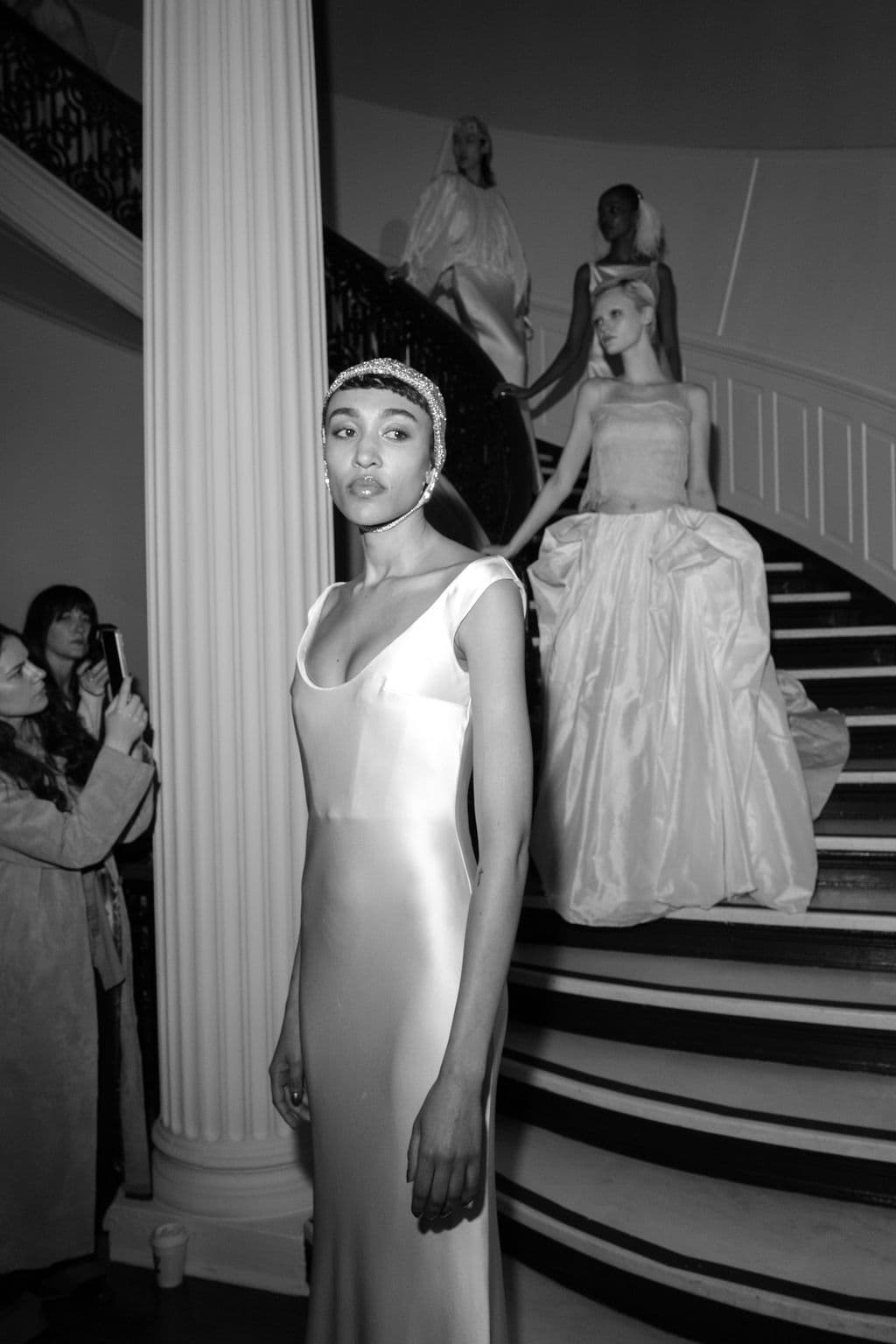
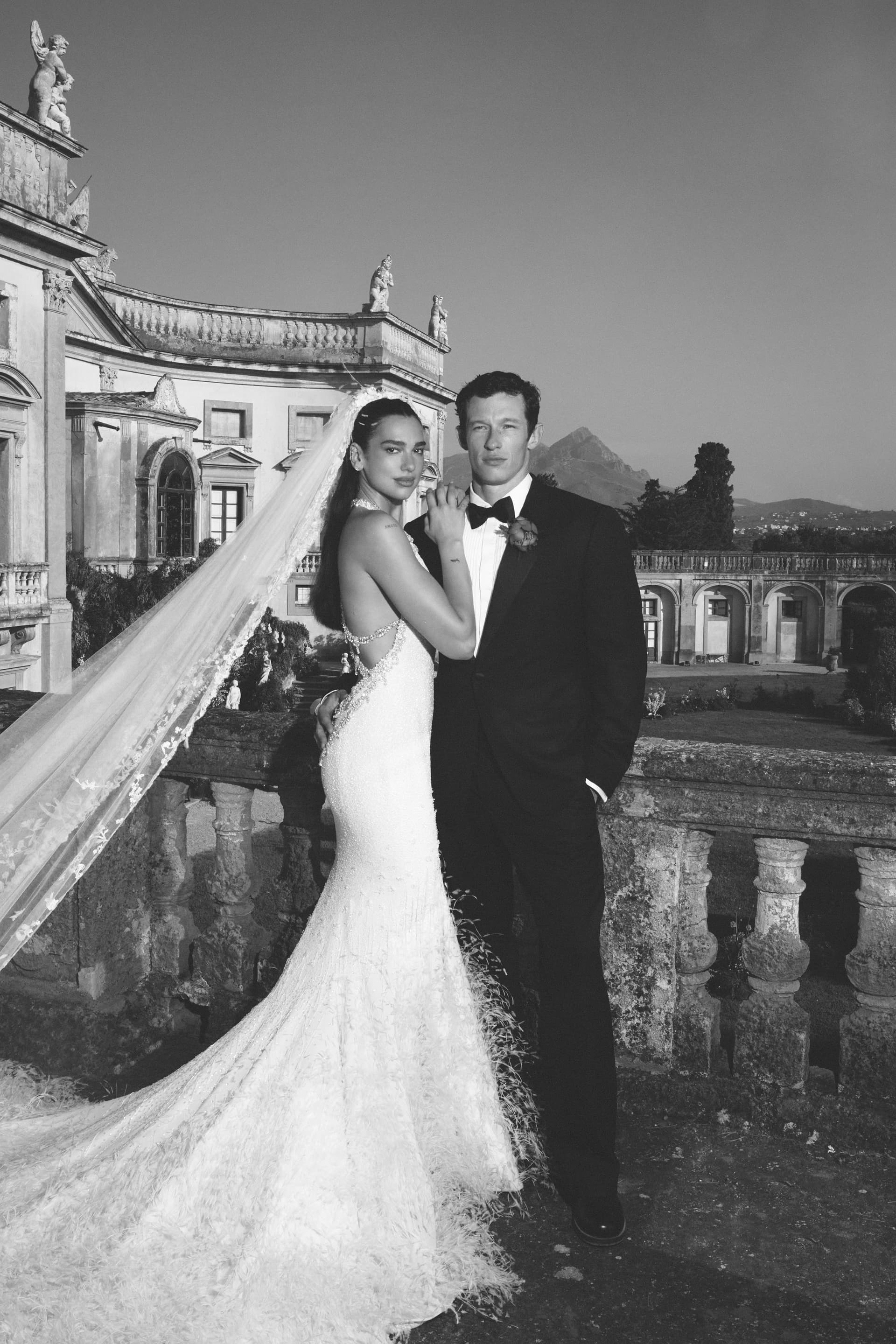
Bridal Accessories Take Center Stage, Modernize Wedding Looks with One Chic Change
One well-chosen accessory can turn a classic gown into a second look, from Juliette veils and gloves to bouquet bags, pillbox hats, and satin shoes.
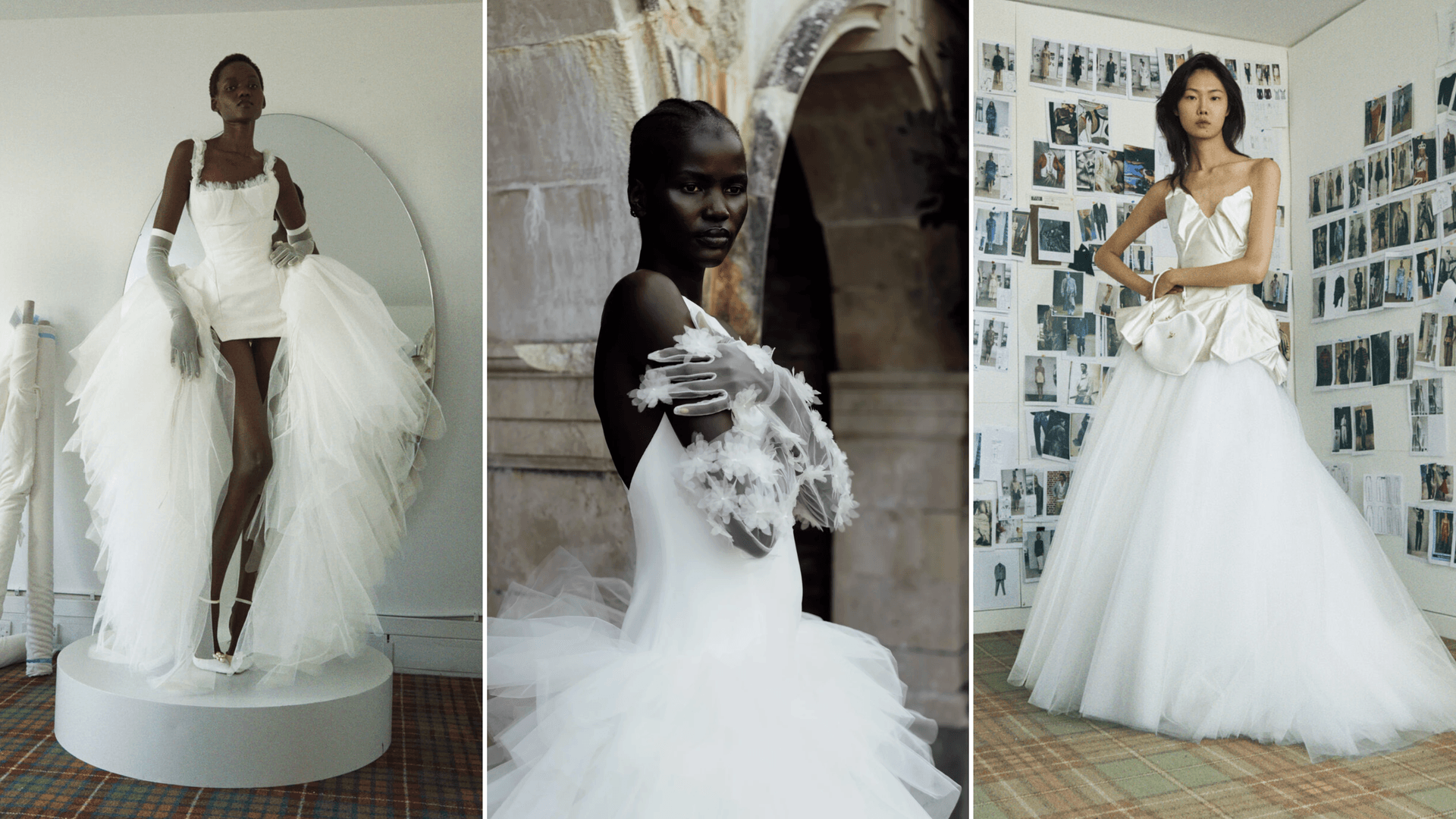
The fastest way to make a classic bridal gown feel current is not a second dress. It is one sharply chosen accessory. That is the energy running through the best bridal styling right now, where shoes, gloves, bags, scarves, brooches, and headwear do the heavy lifting once reserved for a whole wardrobe change.
Accessories are no longer the afterthought
The smartest bridal edit now treats finishing touches as the point, not the footnote. Marie Claire’s bridal-accessories edit, published just days before April 18, 2026, is built around the bride who already has “the dress, or three,” but still needs a final layer that makes the look feel personal. That is the real shift: accessories are no longer there simply to complete a gown. They are what make a bride look edited, intentional, and visibly of the moment.
The Knot has been making the same case from a different angle, arguing that wedding accessories are tied to individuality and self-expression. Veil designer Sandra Morales put it plainly: wedding accessories are more than add-ons and are integral to expressing a bride’s individuality. That idea explains why the category keeps expanding. Brides are not just shopping for coverage or tradition anymore. They are looking for the piece that changes the mood.
The veil has become a styling headline
No accessory better captures this moment than the veil. It still carries all the old symbolism, from purity to modesty to, in some cultures, protection. But that history now gives the modern veil more weight, not less. It feels like a continuation of bridal ritual and a fashion decision at the same time.
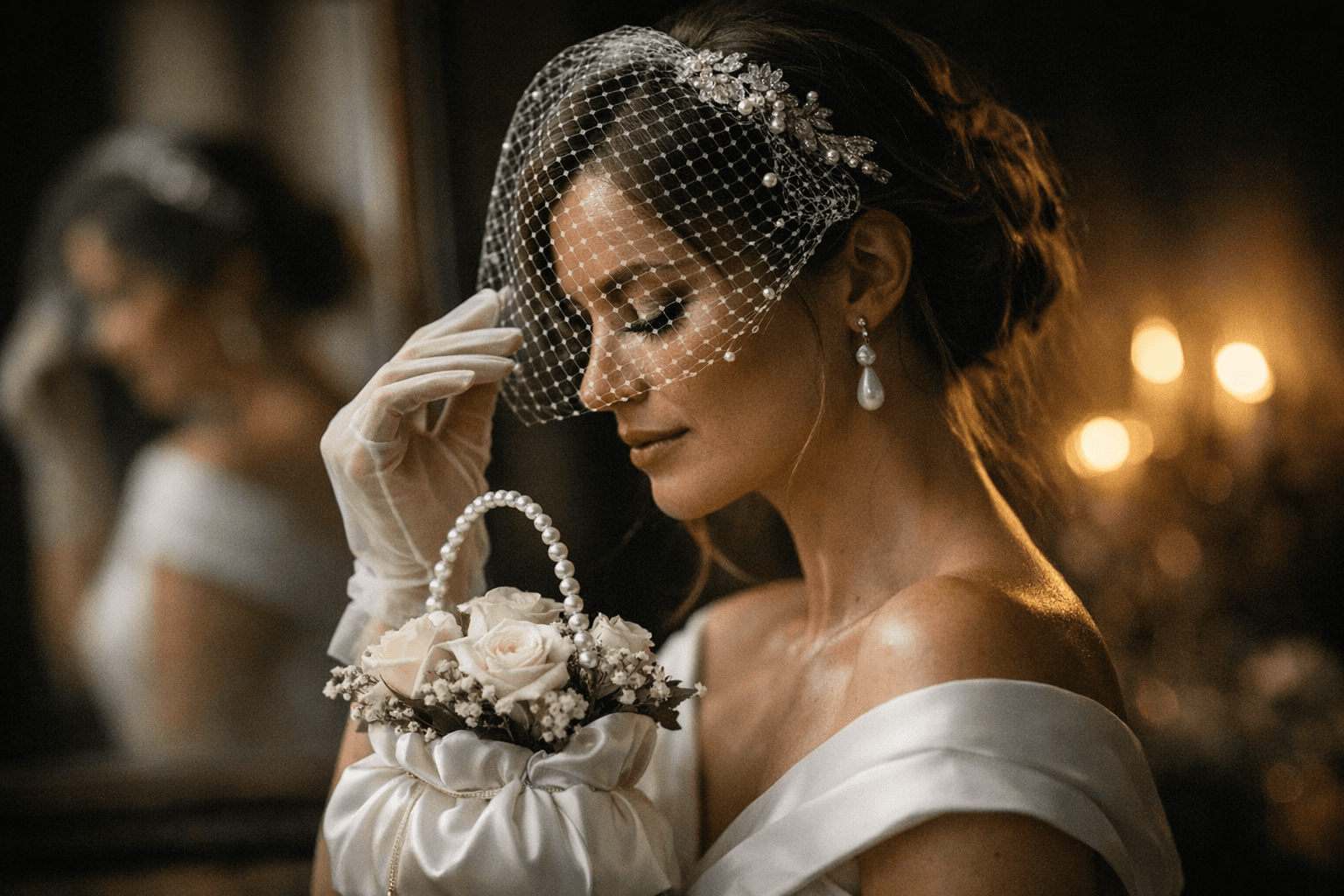
The Knot’s 2025 veil trend coverage points to short veils, 3D floral veils, personalized veils, colorful veils, vintage veils, and veil alternatives as the directions driving the conversation. That breadth matters because the veil is no longer one fixed idea. A short veil can sharpen a clean column gown and keep the look light. A colorful veil immediately disrupts a traditional dress in the best way, adding tension and personality. Vintage veils and veil alternatives, meanwhile, are for brides who want the romance without looking overly literal.
Juliette veils have also returned with force in 2026, and it is easy to see why. The shape has a softness around the face that feels fresh against minimalist satin, especially when the gown itself is spare. It gives a classic silhouette a slightly storybook edge without tipping into costume.
A bridal stylist quoted by The Knot said embroidered veils are being paired with simpler gowns or used to elevate streamlined dresses. That is the key styling logic across the category: when the dress is restrained, the veil can become the gesture.
Gloves bring back polish, but not in a museum way
Gloves are having one of the most interesting revivals because they do two jobs at once. They add refinement, and they instantly push a look into fashion territory. The Knot’s glove coverage stretches from wrist-length lace to elbow-length satin, which means the effect changes dramatically with length and fabric. Lace feels delicate and romantic. Satin reads cleaner, more graphic, and more ceremonial.
That range is part of the appeal. A wrist-length pair can soften a sleeveless gown without overwhelming it, while elbow-length satin gloves give a strapless dress real presence. On a simple sheath or a modern ballgown, gloves create that second-look feeling without requiring a full outfit change. They also work beautifully for brides who want coverage at the ceremony and then the option to remove them for the reception, when the look becomes more relaxed and less formal.
This is where the category feels especially current. Gloves are not being worn to disappear into tradition. They are being used to redraw the silhouette.
Bags, scarves, and brooches make the dress feel styled, not just worn
The quieter accessories are often the most effective. A bridal bag, especially a bouquet bag, brings a surprising sense of control to a look that is often all softness and drape. It can replace the standard clutch gesture with something more editorial, almost like a prop from a fashion spread. It also works for the bride who wants the ceremony look to feel distinct from the reception without changing the gown.
Scarves are equally smart, because they alter proportion and movement. Worn at the neck, over the shoulders, or wrapped with a softer hand, they can make a simple dress feel less static. They are especially effective with pared-back silhouettes that need one unusual layer to break the symmetry.
Brooches have a different kind of power. They are small, but they can transform the read of a gown in an instant by drawing the eye to a shoulder, waist, or neckline. On an otherwise minimal dress, a brooch can make the whole look feel custom, as if it was styled for one woman rather than pulled from a rack.
Headwear is where the fashion edge really lands
If the veil is the romantic answer, headwear is the sharper one. Hats, including pillbox hats, are among the bridal accessories moving most clearly into view for 2026. They shift the tone immediately, which is exactly why they matter. A pillbox hat can make a bridal look feel polished and knowingly retro, with a whiff of city cool that is very different from the soft-focus effect of tulle.
That kind of headwear is for the bride who wants to look styled, not merely adorned. It works especially well with clean tailoring, a structured bodice, or a minimalist gown that can support a more opinionated accessory. In the right context, a hat does not compete with the dress. It gives the dress an attitude.
Why this feels both modern and rooted in history
Part of the reason this accessory boom feels so convincing is that bridal fashion has always been about signal as much as beauty. Library of Congress material on women’s wedding fashion from 1900 to 1910 shows how Edwardian brides were expected to embody modesty through high necklines, long gloves, and ruffled petticoats. Satin, ruffles, and lace dominated the era, and the archive’s collection includes more than 400 digitized fashion plates from the 19th and early 20th centuries, including Edwardian styles.
That lineage matters because it shows bridal accessories have never been trivial. They have always shaped how a bride is read. What is different now is the freedom to use them with less obedience and more personality. New York Bridal Fashion Week has become a major proving ground for that shift, with accessories, veils, gloves, scarves, capes, hats, bags, and detachable sleeves all feeding the trend cycle. The message from the runways and the stylists is consistent: one smart piece can do the work of a new outfit.
That is why the strongest bridal looks right now feel so effortless. A classic gown stays classic, but a short veil, a pair of satin gloves, a bouquet bag, or a pillbox hat changes the mood completely. The bride gets ceremony drama, reception ease, and a look that feels current without ever losing its sense of occasion.
This article was produced by Prism’s automated news system from verified source data, official records, and press releases, then run through automated quality and moderation checks before publishing. The system is built and supervised by the people who set the standards it runs under. Read our full AI policy.
Did this article answer your question?