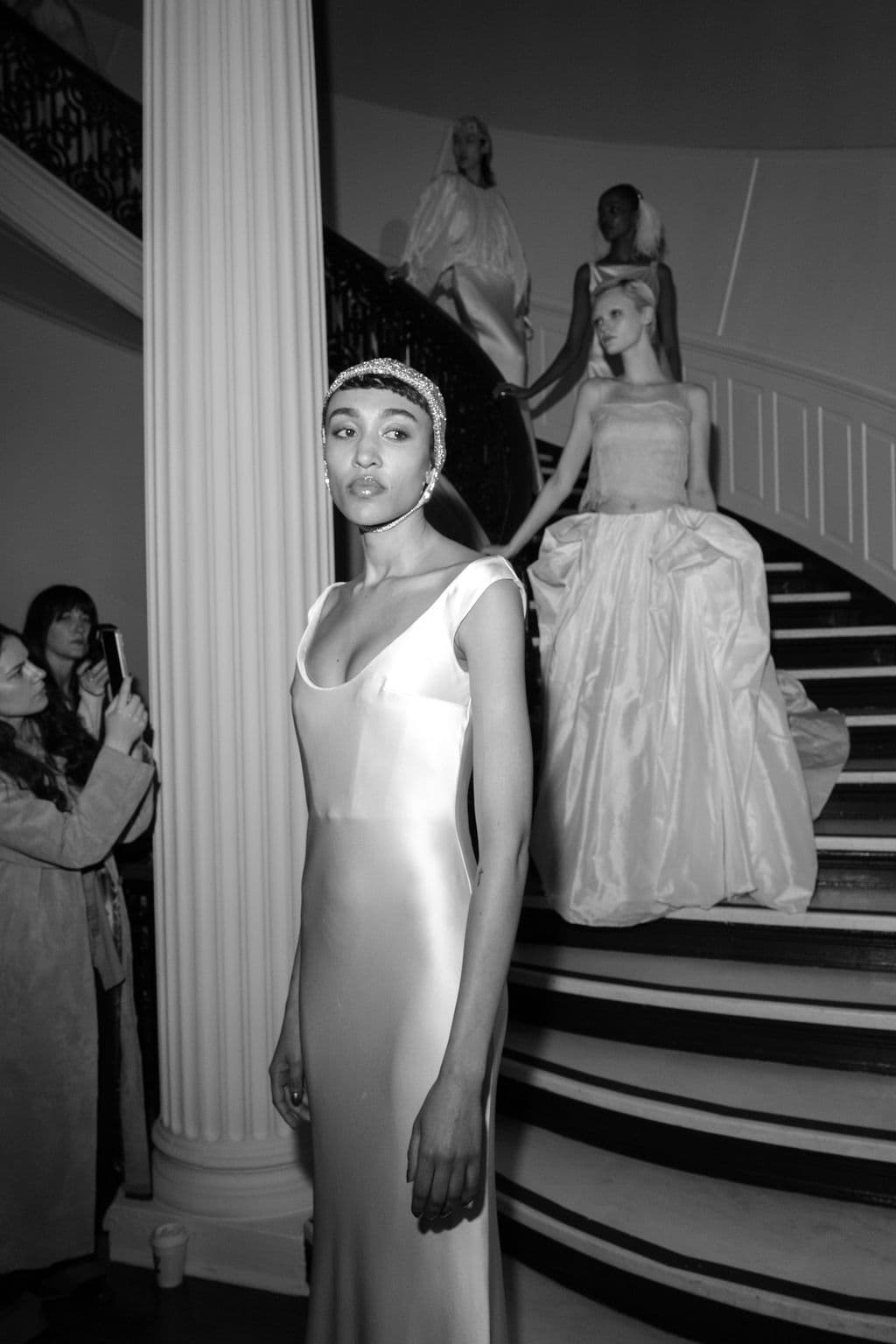
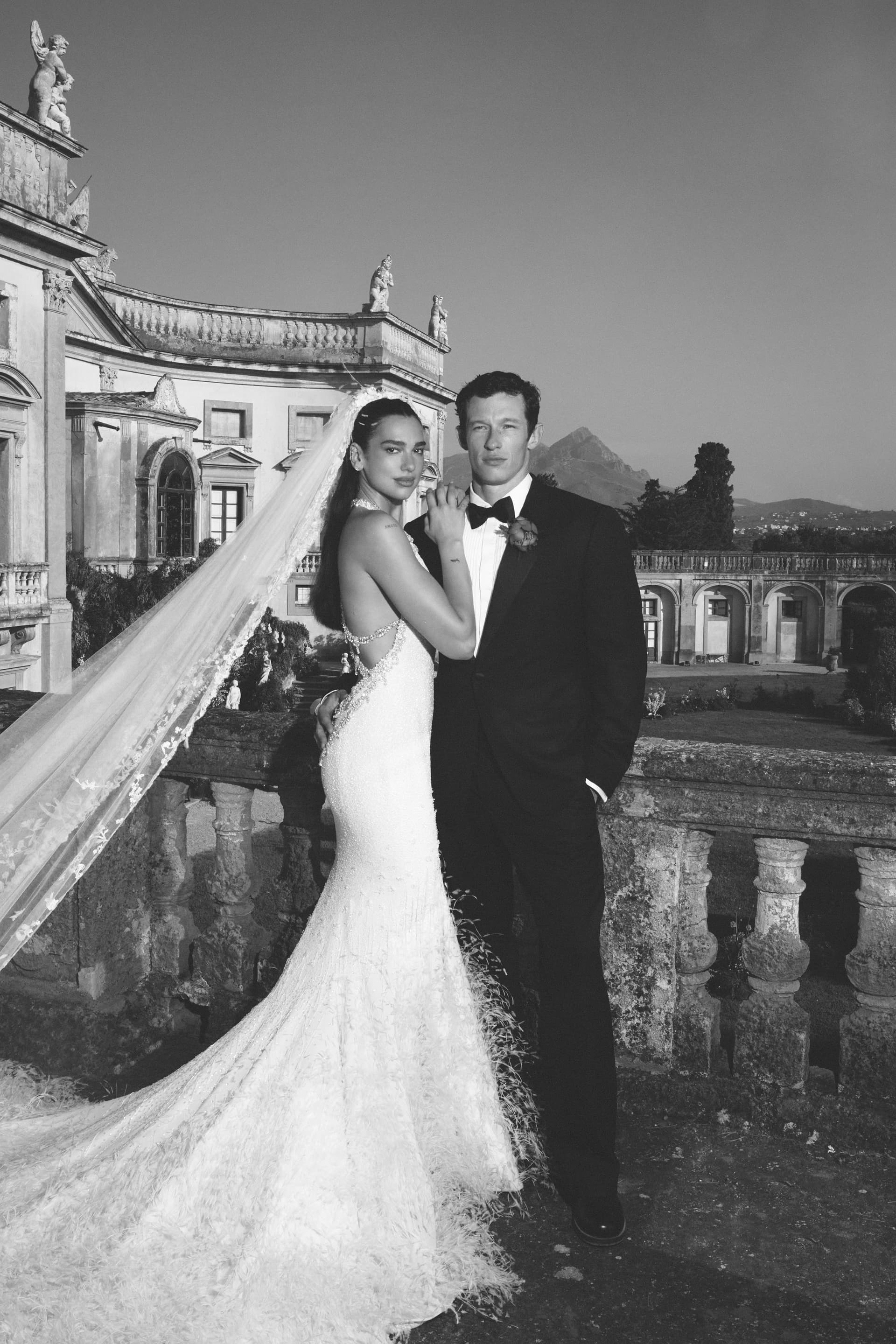
Bridal Fashion Embraces Sculptural Headpieces, Milestone Orders, and Sustainability Push
Sculptural headpieces are the new bridal power move, while Rachel Simpson’s 2,000-order milestone, Roxy Horner’s two-gown wedding and greener production show where the market is heading.
The accessory that now does the heavy lifting
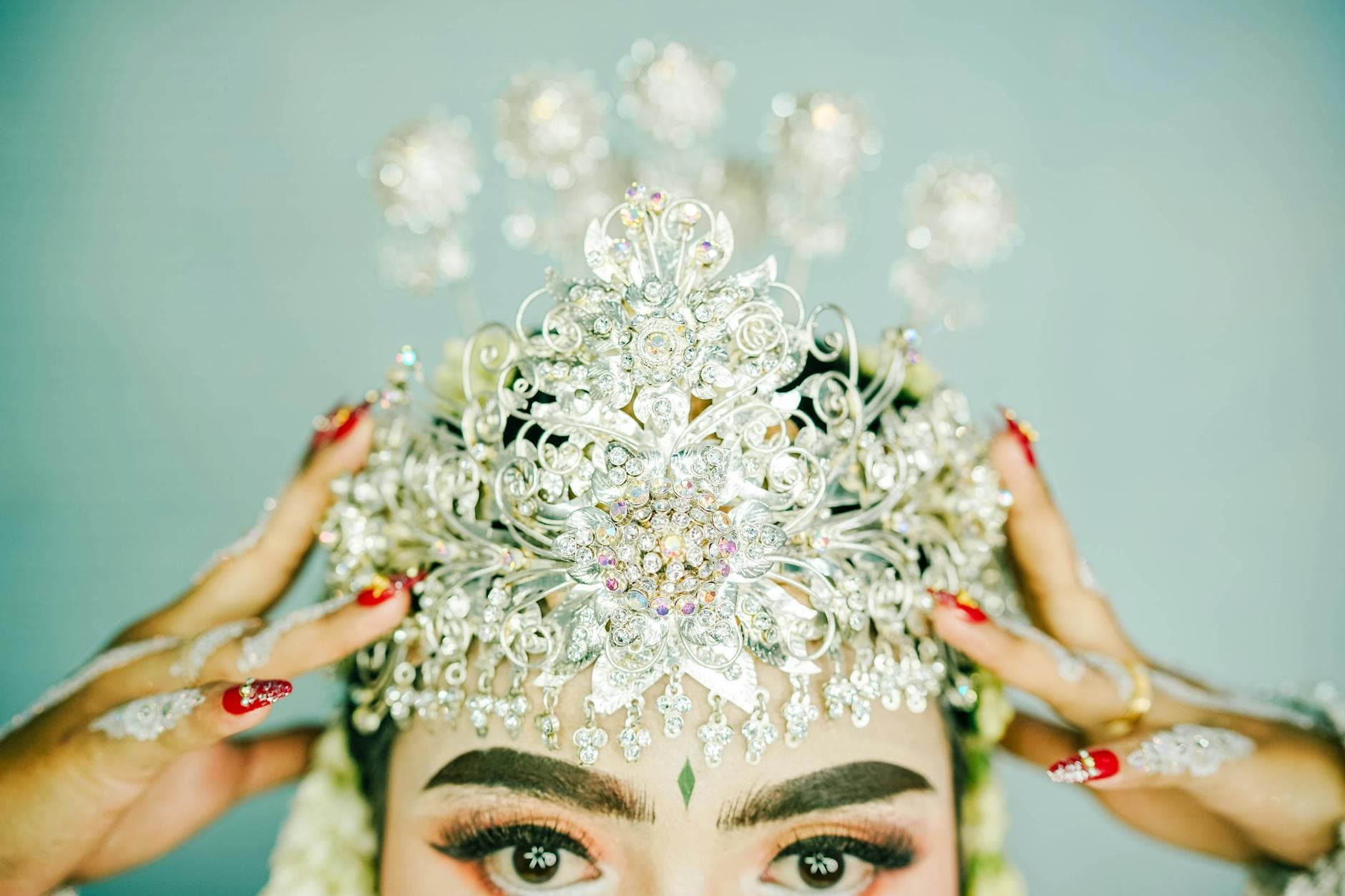
The fastest way to update a bridal look right now is not a second dress, it is the headpiece. Bridal Buyer says sculptural headbands, floral appliqué, halo structures and asymmetric face-framing pieces are moving from optional extras to core styling statements for Spring/Summer 2027, and that shift changes everything about how a bride dresses for the aisle and the dance floor.
The appeal is practical as much as it is pretty. A crisp metallic headband can sharpen a soft gown in the ceremony photos, then feel modern enough to keep on after dinner; a halo structure adds ceremony drama without the bulk of a detachable train; an asymmetric piece gives a simple silhouette the kind of tension that makes it feel current. Bridal Buyer’s spring reporting also points to a broader move toward texture-led, accessory-driven styling, which means the finishing details are now doing the work once reserved for an elaborate dress.
How to wear the new headpiece language
For brides who want a polished, not precious, approach, the best headpieces read like part of the architecture of the look rather than decoration pinned on top. Metallic bands work best with clean necklines and smooth satin, while floral appliqué and halo shapes lean more romantic and suit soft tulle or layered lace. The asymmetric, face-framing version is the most fashion-forward of the group, especially if the rest of the look is pared back and the hair stays sleek.
That makes the category especially useful for ceremony-to-reception dressing. Instead of changing the entire outfit, the bride can shift the mood with one piece that photographs strongly at the altar and feels less formal once the party starts.
Rachel Simpson’s business momentum is the kind of bridal news that matters
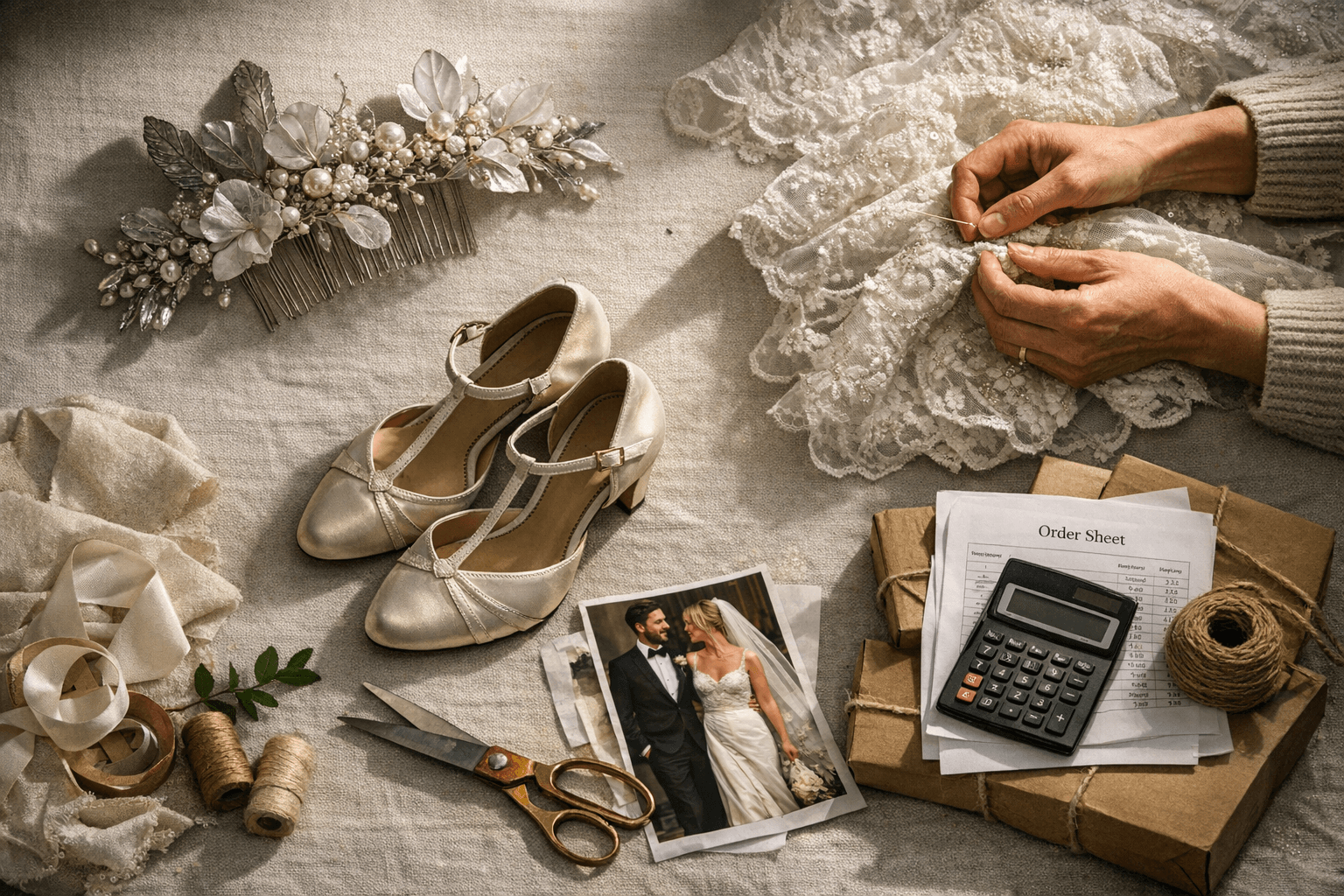
There is also a commercial story behind the style story. Rachel Simpson’s label has passed a 2,000-plus order milestone, and that number matters because brides are not just browsing the look, they are buying into a specific point of view. The brand launched in April 2008, relaunched in April 2024, and is now marking two years of “Rachel Simpson 2.0,” a neat reminder that bridal labels can refresh themselves without losing recognition.
For readers, this is a useful signal about where confidence sits in the market. Milestone orders suggest brides are still responding to labels with a clear identity, especially when the branding feels personal and the design language is distinct enough to survive beyond one season. In a crowded bridal landscape, momentum like this usually points to trust, and trust is what turns a pretty collection into a repeatable business.
Roxy Horner shows why the double-look wedding still works
If you want proof that bridal dressing is becoming more theatrical without losing elegance, look to Roxy Horner’s wedding to Jack Whitehall in Wiltshire, at Euridge Manor. HELLO! reported the celebration at about £250,000, a number that signals the scale of the event, but the more interesting detail is the wardrobe strategy: Horner wore two Galia Lahav gowns.
One look was described as a silk princess dress. The second shifted into a corseted bodice with a tulle skirt, and she finished it with a pleated veil styled to resemble “fairy wings.” That is exactly the kind of contrast brides are saving in mood boards now: one version of glamour for the ceremony, another that loosens the silhouette for the reception, but still keeps the fantasy intact.
The sentimental details matter too. Horner wore her grandmother’s engagement ring, which gave the look a personal anchor that stopped it from feeling purely editorial. Their two-year-old daughter, Elsie, was a flower girl, adding a family note that softened the polish of the entire day. It is the combination brides are increasingly drawn to, high style with one meaningful object that belongs only to them.
Sustainability is no longer a separate bridal conversation
The other major thread running through the month is sustainability, and it is becoming more specific, more measurable, and less abstract. The British Fashion Council is continuing to push its broader 2030 strategy, which focuses on access, creativity and growth, while also being tied to sustainable-fashion research and support for emerging designers. That matters because it frames bridal not as an isolated luxury category, but as part of a wider industry rethink.
Justin Alexander is pushing that conversation into the purchase itself through a partnership with the International Tree Foundation. The foundation says every $2.67 donation plants one tree in Justin Alexander’s Forest, with money funding tree planting and forest restoration. That is the sort of detail brides can actually understand: an amount, an action, a visible result.
What Justin Alexander is changing
Justin Alexander is also making sustainability feel closer to the product, not just the pledge. The company says its customizable gowns are made to order in the USA within two weeks, a production model designed to reduce waste and lower the carbon footprint. That shorter window is important because bridal is often associated with long lead times, excess inventory and a lot of fabric moving through the system before it ever reaches a wedding.
The label’s work with London College of Fashion on Bridal Futures pushes the same idea from another angle. The project asked students to rethink bridalwear through inclusivity, sustainability and cultural relevance, and selected designs were later shown at major bridal fairs. That is the most interesting part of the sustainability push: it is not only about cleaner production, but about who bridal is for and what a modern wedding wardrobe should represent.
What matters if you are shopping now
The practical takeaway from this month’s bridal mood is simple. The strongest looks are built around one decisive styling move, one meaningful personal detail and one increasingly thoughtful production choice.
- Choose a headpiece that changes the silhouette, not just the sparkle.
- If you want a ceremony-to-reception shift, consider two looks or one gown with a more dramatic accessory pivot.
- Pay attention to labels with real momentum, because order milestones often reflect whether a design language is actually resonating.
- Treat sustainability as part of the style brief, not a separate virtue signal, especially when made-to-order production, customization and measurable environmental projects are on the table.
Bridal fashion is moving toward a sharper kind of luxury, one that is more styled, more personal and more accountable. The bride of the moment is not just choosing a dress, she is choosing the whole sequence of how the day unfolds, from sculptural headpiece to final dance.
This article was produced by Prism’s automated news system from verified source data, official records, and press releases, then run through automated quality and moderation checks before publishing. The system is built and supervised by the people who set the standards it runs under. Read our full AI policy.
Did this article answer your question?