Bridal separates move from alternative label to mainstream trend
Bridal separates are no longer a niche choice. The smartest two-piece looks now solve real wedding-day problems, from tailoring and re-wear to ceremony-to-after-party versatility.
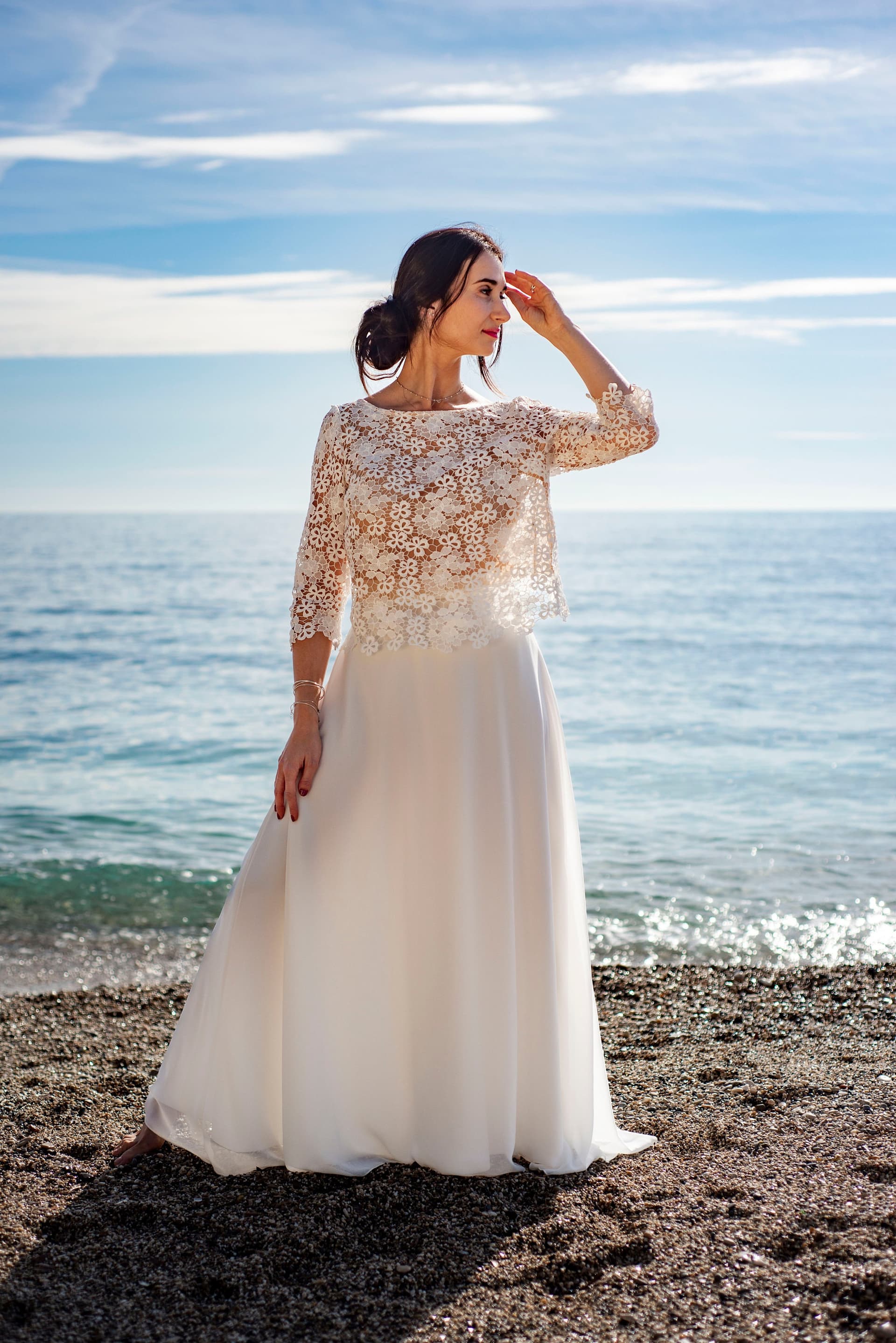
The smartest wedding outfit right now is no longer a gown at all. It is a two-piece that can handle the ceremony, survive the reception, and live again long after the cake is cut.
From alternative to mainstream
Bridal separates used to sit firmly in the “alternative bride” category, the kind of look associated with boho softness, beach weddings, and Pinterest-era detours from tradition. That is exactly what makes the current shift so interesting: Rock My Wedding says the category now feels far more fashion-aware than ever, and the old shorthand no longer fits. What was once read as unconventional now looks sharp, polished, and deliberately modern.
The appeal is not abstract. This trend works because it solves problems brides actually have: how to get multiple looks without buying multiple full gowns, how to make an outfit feel like personal style rather than costume, and how to choose something that still has a life after the wedding. That is a much stronger proposition than novelty for novelty’s sake.
Why brides are buying into the idea
The Knot has been blunt about the practical upside, noting that bridal separates can be reworn after the wedding and are available as ready-to-wear two-piece styles. BridalGuide makes the same case with more fashion gloss, saying wedding separates offer “a myriad of style options” and can be worn again. That matters because brides are increasingly looking at the wedding wardrobe the way they would any other intelligent investment: can it do more than one job?
This is where separates outshine a traditional gown. A corset top can be tailored for a close, precise fit without locking the skirt into the same constraints. A silk skirt can move from formal ceremony drama to a more relaxed reception silhouette. A lace set can feel romantic without being fussy. And because the pieces are modular, they can be mixed with other wardrobe staples later, which is the kind of value that resonates with fashion-aware shoppers who want beauty and utility in the same purchase.
For brides who want a little more control, the format is also simply easier to edit. You can dial the look up or down with proportion, texture, and styling, instead of trying to force one dress to do everything.
The Olivia Palermo precedent still matters
The moment that keeps getting referenced is Olivia Palermo’s wedding to Johannes Huebl on June 28, 2014, in Bedford, New York. She wore Carolina Herrera separates, pairing a cream cashmere sweater with ostrich feathers, white shorts, and a full tulle skirt layered over them. It was not a conventional gown, but it was undeniably bridal, and that distinction is the reason the look has lasted.
BridalGuide still calls it the “Olivia Palermo Effect,” and the phrase is apt. Palermo gave the category a cultural shortcut: separates did not have to look second-best, or edgy for the sake of being edgy. They could be refined, expensive-looking, and deeply polished. That one wedding image helped turn an idea that once felt niche into something brides could imagine for themselves.

What the runways are saying now
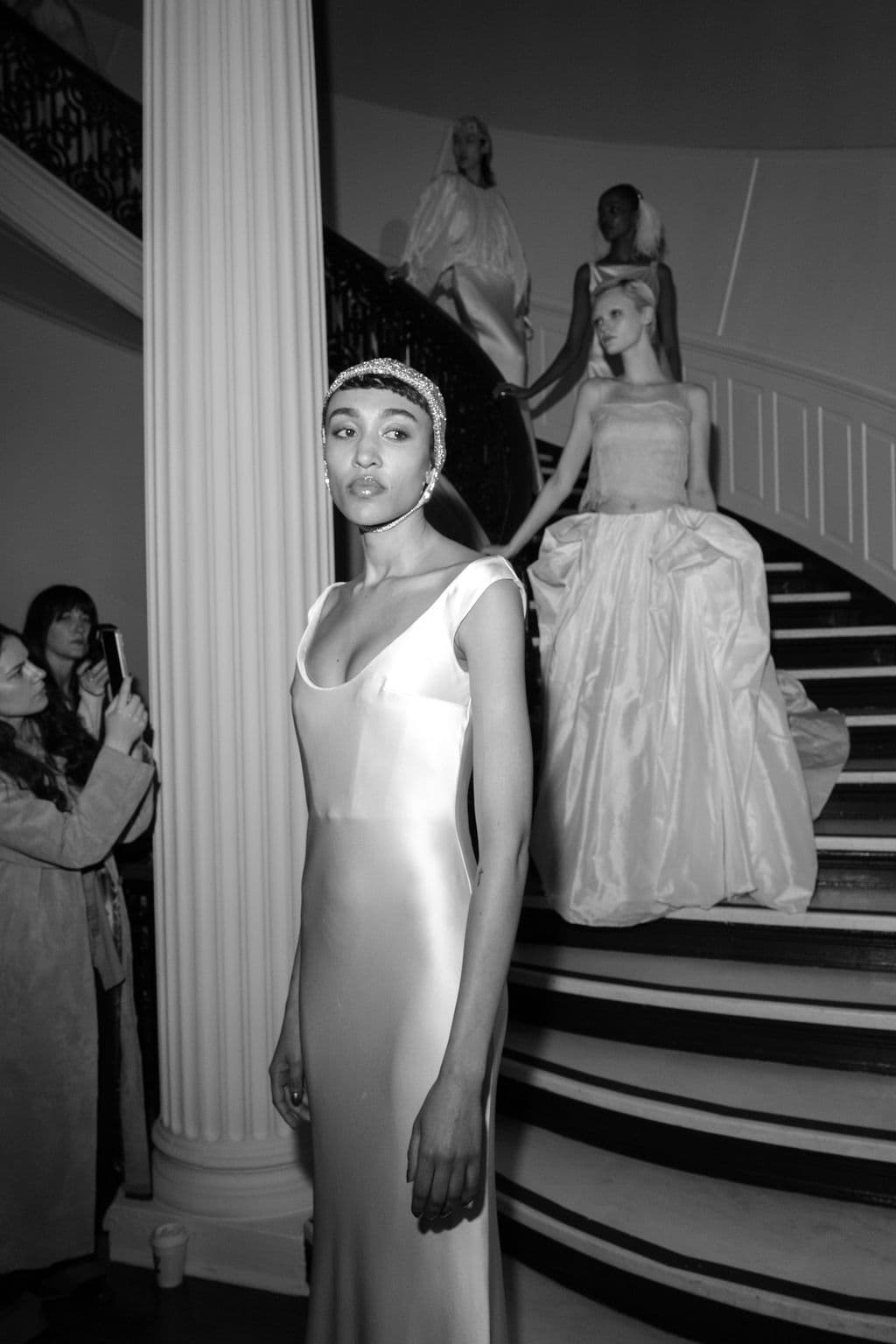
The trend did not stop with celebrity inspiration. Refinery29 reported that New York Bridal Fashion Week’s Fall 2025 season put versatility at the center of the conversation, calling it the “number-one trend.” Designers responded by building convertible components into wedding looks and increasing the use of bridal separates, particularly corsets and skirts. That is the telltale sign of a real market shift: when designers start engineering flexibility into the clothes, they are responding to demand, not just mood.
WWD’s Spring 2026 runway coverage pointed to the same direction, saying corsetry remained a major foundation across the collections. The shapes were waist-forward, layered, and mix-and-match in spirit, which makes sense. Bridal fashion is leaning into structure again, but in a way that leaves room for personality. The silhouette says ceremony; the styling says individual.
Rock My Wedding’s 2026 trend reporting pushes that point further, noting that multiple wedding-day looks are still very much alive. Brides are mixing high-street and designer pieces, then changing outfits between ceremony and party. That is the real endgame for separates: one look for the aisle, another for the dance floor, and no need to feel as if either one is wasting the budget.
How to choose the right two-piece
The strongest bridal separates are the ones that feel intentional, not improvised. Look for a silhouette with contrast and balance: a structured corset against a fluid skirt, a clean top with a textured bottom, or a lace set that keeps the shape crisp enough to read as bridal, not merely pretty.
- Choose separates if you want one outfit to do double duty across ceremony and reception.
- Choose them if tailoring matters, because top and bottom can be adjusted with more precision.
- Choose them if re-wear potential matters, because the pieces are easier to style again after the wedding.
- Choose them if you want multiple-look value without committing to a full second dress.
What to skip is equally clear: anything that looks like a half-hearted compromise or a costume version of individuality. The modern bridal separate should feel considered, not quirky. It should look like the bride made a sharp choice, not a nervous one.
That is why the category has moved so decisively into the mainstream. Bridal separates no longer signal that a bride is breaking rules. They signal that she knows exactly how she wants to wear the day.
This article was produced by Prism’s automated news system from verified source data, official records, and press releases, then run through automated quality and moderation checks before publishing. The system is built and supervised by the people who set the standards it runs under. Read our full AI policy.
Did this article answer your question?