Bridal shapewear guide matches support to every gown silhouette
Choose shapewear by gown shape, not habit: the right piece disappears under satin, supports a strapless bodice, and never rolls during the first dance.
Start with the dress, not the body
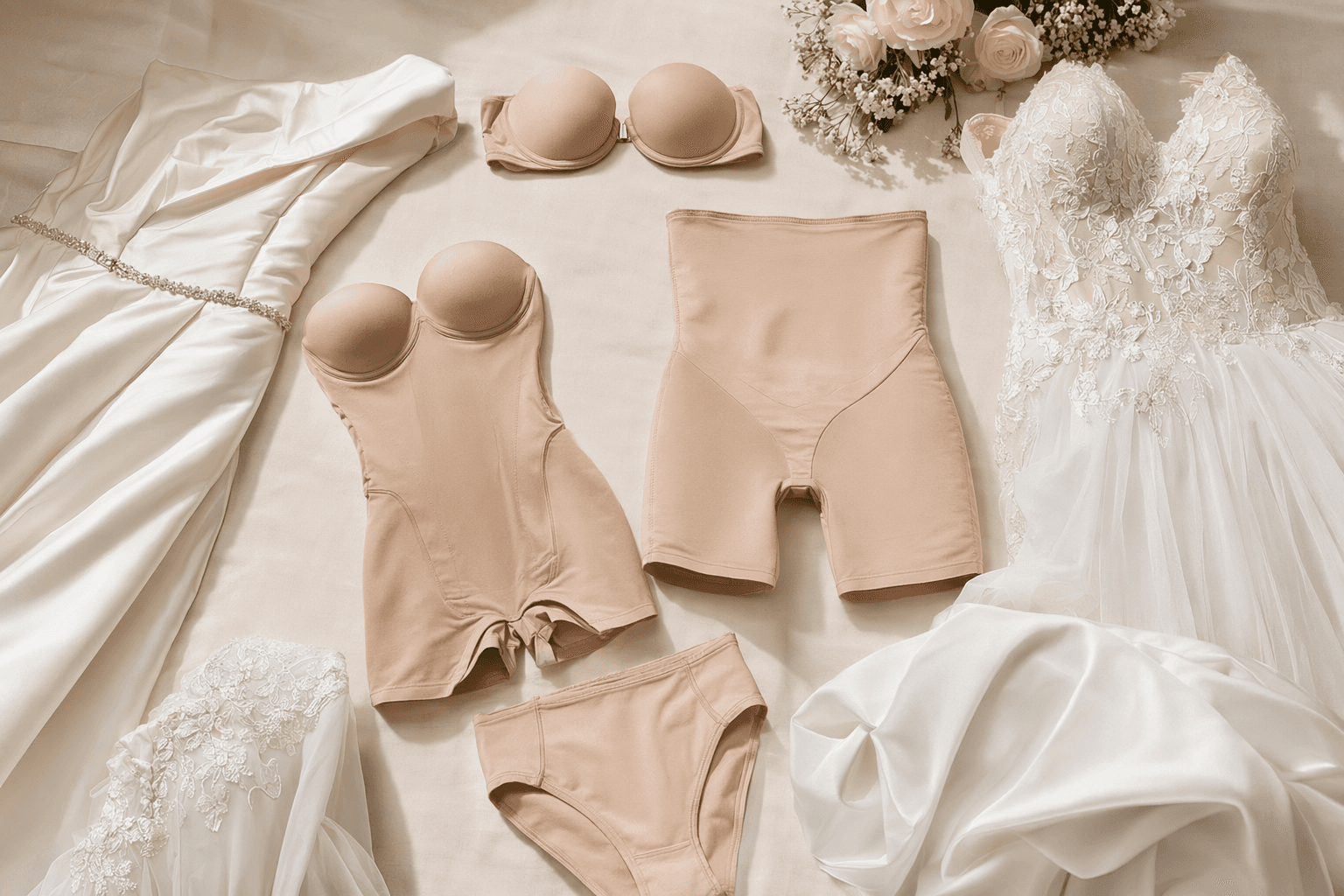
Bridal shapewear works best when it behaves like set dressing, not a second costume. The whole point is to support, contour and smooth without sacrificing comfort, then vanish under the gown so the dress gets to do the talking. The mistake is picking compression first and silhouette second. The right piece depends on whether you are wearing a strapless column, an open-back showstopper, a floaty slip, a sculpted crepe sheath, or a full-skirted ball gown.
That shift matters because modern bridal underpinnings are no longer built around punishment. They are more breathable, more size-inclusive, and far less obvious than the old corsetry fantasy. A bride should feel tucked, supported and camera-ready, not trapped in a garment that rolls, pinches, or turns a fitting into a battle.
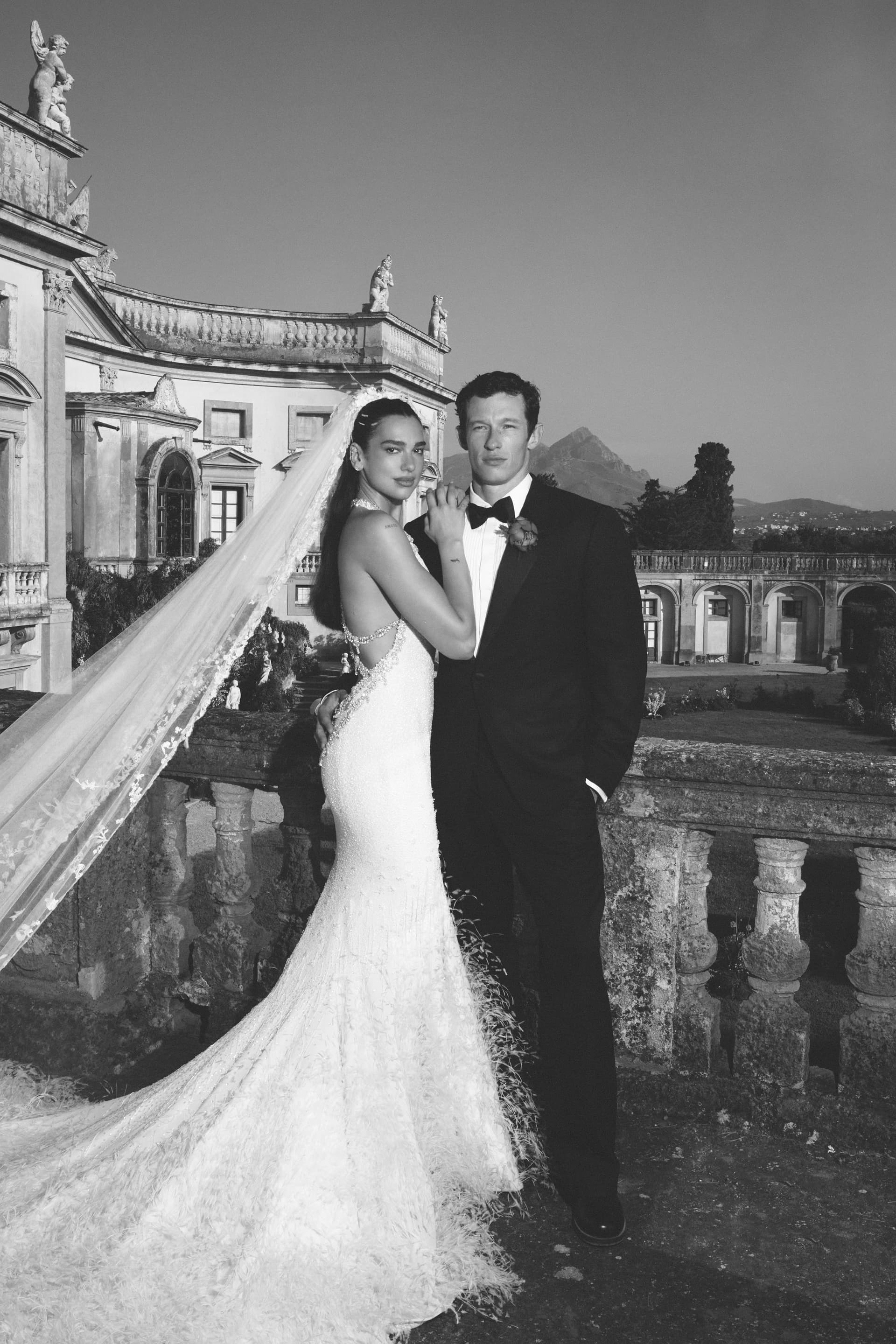
Open-back and backless gowns
Open-back dresses are their own little sabotage test. Some of the best versions already come with hidden boning and supportive cups built into the dress, which means the underlayer has to cooperate with the gown instead of fighting it. Backless shapewear is all about strategic compression zones and lightweight, flexible fabrics that stay hidden under the cut of the dress.
What works here is a piece that supports the front and sides without climbing into the open-back view. Think backless or strapless bra options, slim liners, and anything cut to disappear under low backs and curved openings. The point is clean architecture: the dress should look like it floats on the body, not like there is a rescue mission happening underneath.
- Full-back bodysuits that crawl into view
- Thick seams that carve across the back
- Heavy fabrics that bunch when you sit
- Anything that rides up or down during movement
What to avoid:
Strapless gowns need stay-put structure
Strapless dresses are where shapewear has to earn its keep. The best pieces are designed to stay put while giving lift and support, especially through a long wedding day and the kind of dancing that destroys weak construction by hour three. A strapless gown exposes every bad decision at the bust and ribcage, so the undergarment has to feel locked in without looking bulky.
The Knot also points brides toward white, ivory, nude, or seamless undergarments, which makes sense because color matters as much as compression. Heather McReynolds of David’s Bridal says seamless or no-show, ultra-sheer, nylon, and high-elastic fabrics help avoid visible panty lines and maximize comfort. That is the sweet spot for a strapless look: enough structure to hold, enough lightness to disappear.
- Slippy pieces that slide with every step
- Thick bands that print through the bodice
- Stiff cups that create a harsh line
- Anything that feels like it needs constant adjusting
What to avoid:
Slip dresses demand invisibility
Slip wedding dresses are deceptively simple, which is exactly why the underlayer matters so much. The Knot describes them as smooth silk- or satin-like styles, usually with a column or flowy silhouette, spaghetti straps, or very little layering. That kind of dress does not forgive texture, bulk, or obvious edges. It wants a base layer that is almost invisible and absurdly smooth.
For slips, lightweight smoothing layers are the answer. The best choices are the ones that erase panty lines and keep the fabric from clinging in the wrong places. Ultra-sheer, nylon-based, or no-show options make sense here because they reduce friction without adding visible weight. If the dress is fluid and glossy, the shapewear has to be quieter than the gown.
- Lace, mesh, or texture that catches under satin
- Heavy control shorts that break the dress line
- Seams that show through polished fabric
- Anything that adds bulk at the hip or hem
What to avoid:
Mermaid and fit-and-flare shapes need targeted control
Mermaid and fit-and-flare gowns are about precision. They hug the body through the torso, hips, and thighs before kicking out, so the pain point is not just smoothing, it is shaping without interrupting the dress’s line. This is where strategic support matters most, because the wrong piece can create a hard edge right before the flare begins.
The smartest approach is targeted compression through the waist, stomach, hip, and upper thigh, with a finish that stays invisible under the gown. Modern bridal shapewear is more discreet than older corsetry-based options, and that is exactly what this silhouette needs. The goal is to keep the body line clean under the fitted section, then let the skirt flare without a visible seam announcing itself halfway down the leg.
- Shorts that end at the widest part of the thigh
- Heavily boned pieces that fight the dress’s shape
- Edges that roll when you walk or sit
- Overly warm fabrics that make a fitted gown miserable
What to avoid:
A-line and ball gown dresses want comfort first
A-line and ball gown silhouettes give you more room, which means shapewear can relax a little. The pressure point here is usually the waist and midsection, plus the need for all-day comfort under a fuller skirt. Because the skirt brings volume, the underlayer should keep the bodice area smooth without overengineering the rest of the body.
This is where breathable, no-show fabrics are especially useful. The dress itself provides visual drama, so the shapewear can focus on support and ease rather than maximal compression. If the gown is voluminous, the undergarment should not turn hot, stiff, or restrictive by the middle of the reception.
- Overbuilt full-body pieces that feel like armor
- Dense fabrics that trap heat under layers
- Tops or shorts that shift when you move
- Anything that makes restroom breaks a logistical event
What to avoid:
Crepe and sheath dresses show everything
Crepe and sleek sheath dresses are brutal in the best way. They reveal every seam, every edge, and every bad fit decision, which is why seamless construction is non-negotiable. These gowns call for the same stealth approach as a slip dress, but with even more emphasis on line control because crepe clings in a different, more exacting way.
This is where seamless, no-show, ultra-sheer, nylon, and high-elastic fabrics do the heavy lifting. They smooth without adding visible texture, and they keep the dress from snagging on anything underneath. If the gown is minimalist, the shapewear has to be even quieter.
- Any visible panty line, even a faint one
- Lace or ribbing that telegraphs through crepe
- Bulky seams at the waist or hip
- Pieces that roll down while you are standing still
What to avoid:
The real bridal brief is confidence, not concealment
The strongest bridal shapewear advice lands on a simple idea: support should make you feel ready, not hidden. Salifya Akers puts it plainly, saying that knowing everything is tucked, supported, and smooth can help a bride feel confident, camera-ready, and focused on enjoying the day. That is the standard now. Not shrinking, not masking, just making the dress sit exactly where it should.
That is why the best modern options feel different from the old shapewear playbook. They are lighter, more breathable, more size-inclusive, and far less bossy. When the fit is right, no one notices the underlayer at all. They notice the dress, the posture, and the ease, which is exactly how bridal underpinnings should work.
This article was produced by Prism’s automated news system from verified source data, official records, and press releases, then run through automated quality and moderation checks before publishing. The system is built and supervised by the people who set the standards it runs under. Read our full AI policy.
Did this article answer your question?