Bridal style shifts from one silhouette to individuality, designers say
Bridal is no longer chasing one perfect silhouette. Today’s dress decisions are about identity, venue, and the designer details that make a gown feel personal.
The new bridal brief: choose the silhouette that feels like you
The cleanest read on bridal right now is also the simplest: there is no single shape holding the whole market together anymore. Designers from Reem Acra and Sareh Nouri to Galia Lahav, Kyha Scott, Mark Ingram, and Hayley Paige are all pointing to the same shift, a move away from one dominant wedding look and toward dresses that reflect personality, setting, and how a bride wants to move through the day.
That shift has history behind it. The Victoria and Albert Museum says its wedding-dress collection captures changing moods and social tastes from the late 18th century to the present day, which is another way of saying bridal has always been a moving target. Queen Victoria’s 1840 wedding gown, white silk satin trimmed with Honiton lace, helped white become the norm, but the museum’s collection also shows how bridal has swung through high-necked Edwardian styles, fuller princess skirts, A-line ivory satin gowns, and pared-back modern shapes.
Why the old bridal rules stopped working
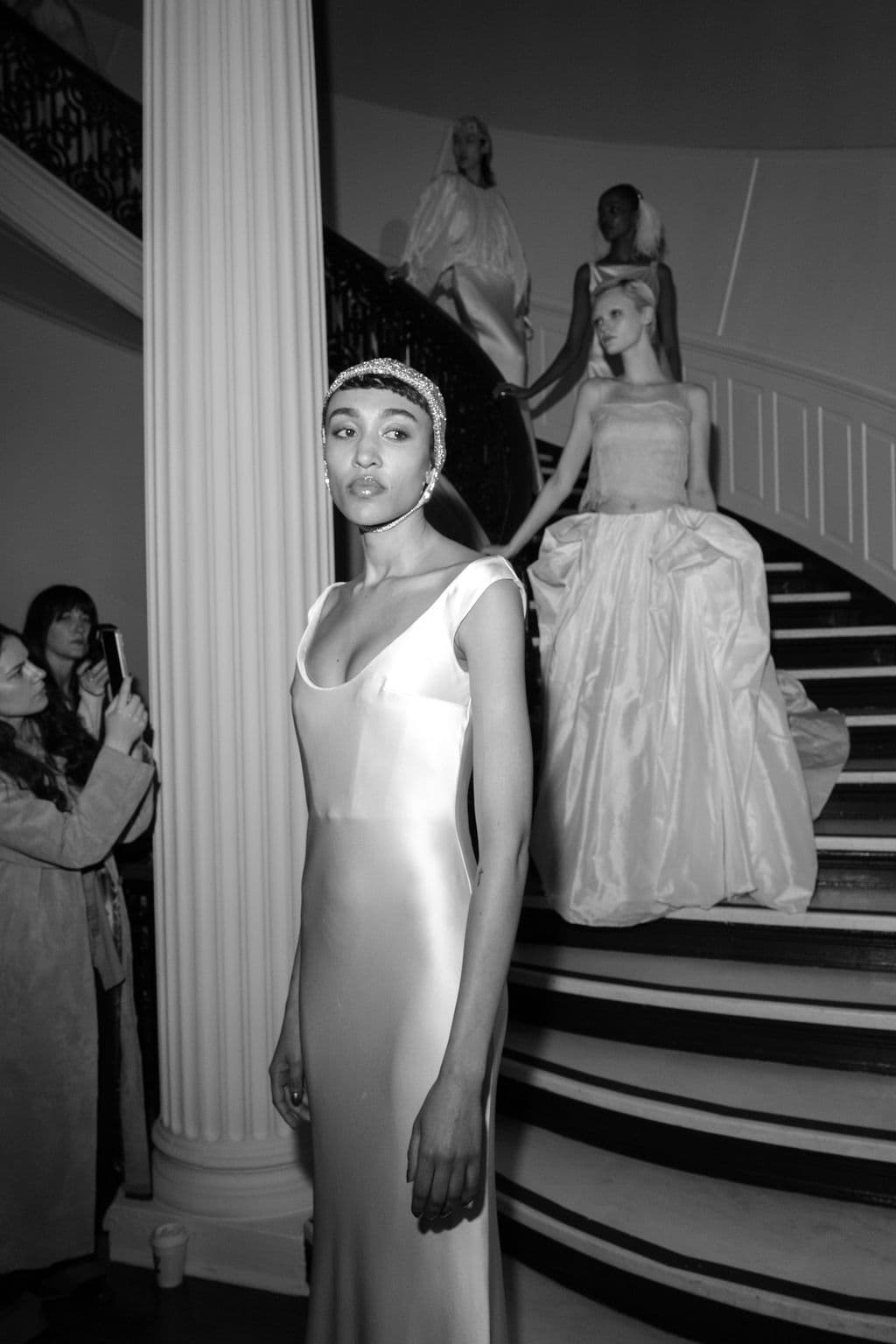
The appeal of a universal bridal silhouette used to be obvious: it offered one clear answer. Now the category is too wide, and brides are too style-literate, for that kind of sameness. A modern fitting room might hold a corseted gown, a column dress, a dramatic train, and a minimalist crepe sheath, all in the same edit, because different brides are shopping for different emotional effects as much as different cuts.
That is why the current bridal conversation is less about “the” dress and more about what each house does best. The strongest designers have become shorthand for a mood: some build drama through embellishment, others through fit, structure, or restraint. For the bride, that means the smartest choice is not the loudest trend on the rail, but the signature that solves a real problem, whether that is elongating the body, softening the waist, or giving the ceremony look more presence.
How the designers changed the conversation
KYHA Studios is one of the clearest examples of bridal’s evolution. The brand says it was established in 2011, when founder Kyha Scott set out to move away from traditional tulle-and-ball-gown bridal and toward sleek minimalism and innovative detailing. That matters because it gave brides permission to think beyond volume as the default marker of “bridal,” and it helped make modern, sharper silhouettes feel just as special as the grandest skirt.
The brand’s footprint also shows how far that point of view has traveled. KYHA Studios now has a New York flagship and more than 30 stockists, which speaks to a bride-friendly reality: minimalist dressing is no longer niche, and it is no longer confined to a small corner of the market. For the bride who wants polish without froth, KYHA’s language is useful because it proves that clean lines can still read ceremonial.
Hayley Paige represents a different kind of shift. Her Spring 2026 collection marked a return to bridal after years away, and her own brand frames that comeback as a renewed chapter centered on artful silhouettes and deeply personal details. That is exactly where bridal has landed: not in generic romance, but in dresses that feel authored. A bride drawn to Hayley Paige is usually looking for whimsy with intention, a dress that feels expressive without losing its ceremony.
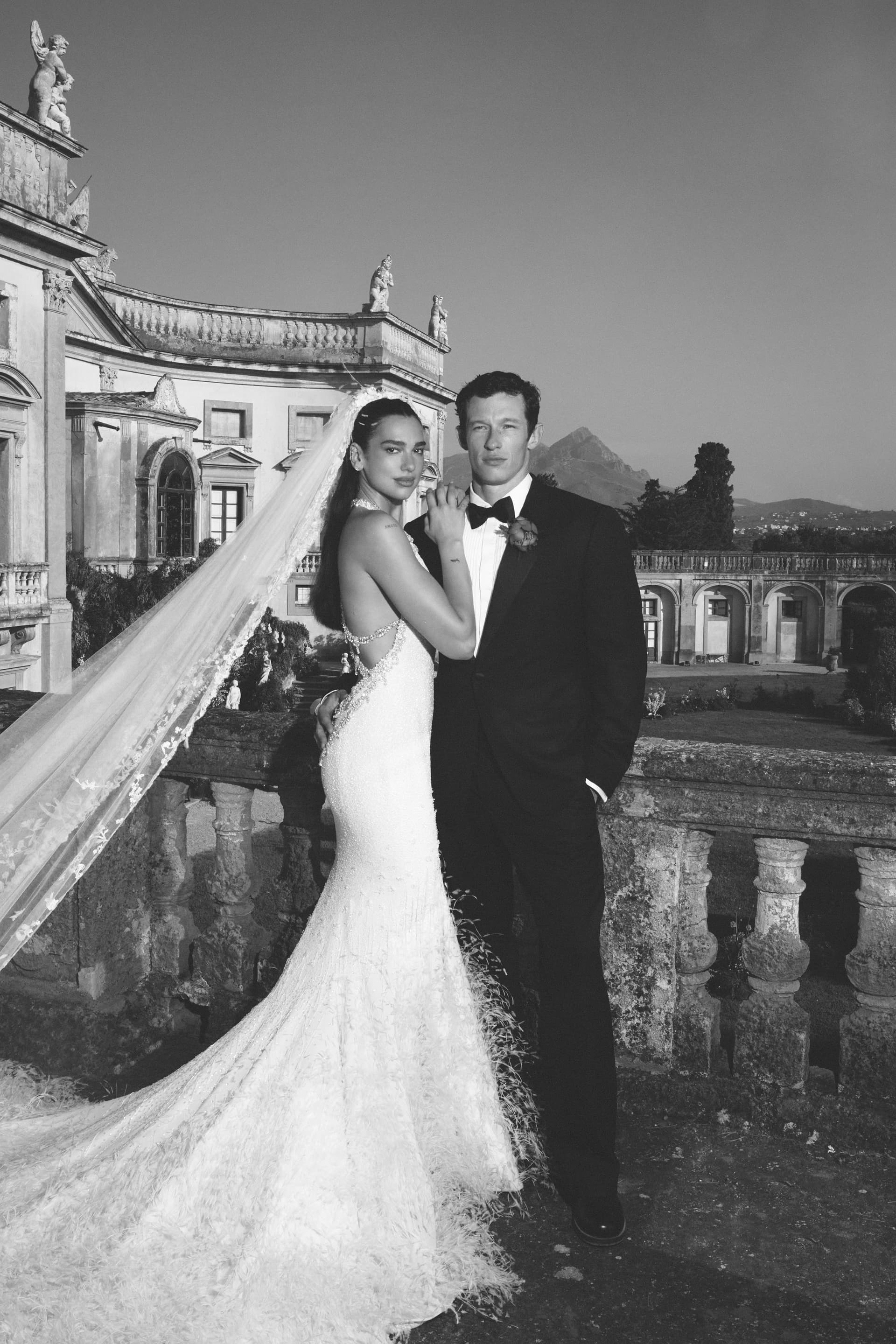
Galia Lahav remains the label for brides who want glamour with impact. The Knot describes the house as known for figure-flattering silhouettes, illusion backs, dramatic trains, and embellishment, and those signatures still answer a very specific need. If you want a gown that hugs the body, creates a strong back moment, and delivers a sense of occasion the second you enter the room, that is the lane Galia Lahav occupies with confidence.
What today’s bride is actually shopping for
The biggest change in bridal shopping is not that brides want less. It is that they want specificity. Instead of asking for a universally flattering silhouette, they are asking for a dress that works with the venue, the hour, the body, and the mood of the celebration. A garden ceremony points toward lighter movement and softer fabric; a formal city wedding can support structure, drama, and more architectural shaping.
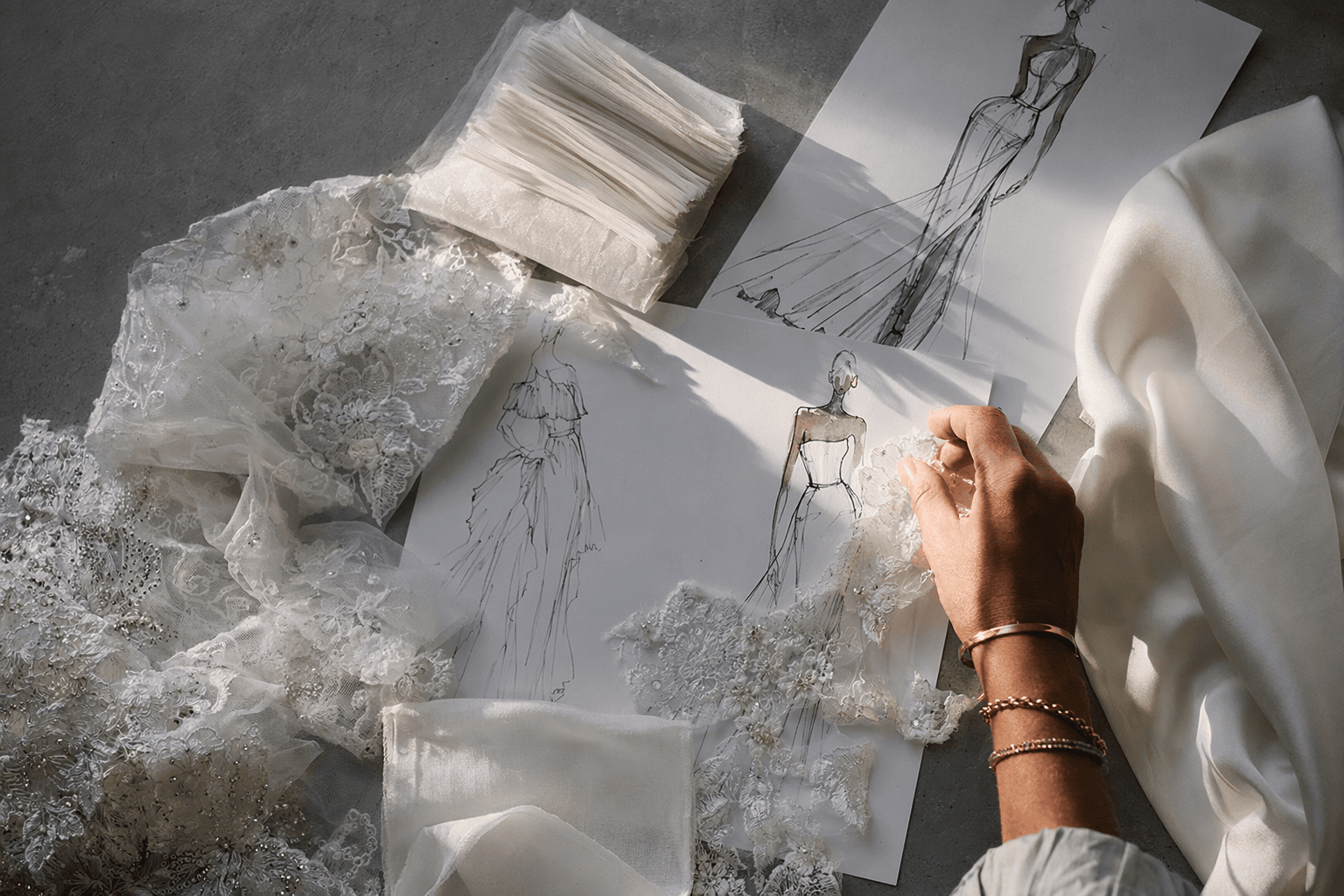
That is why customization and premium finishing have become such important selling points. One current estimate puts the global wedding-dress market at USD 3.6456 billion in 2024, projected to reach USD 6.318 billion by 2033. Another places the wedding dress and accessory market at USD 71.95 billion in 2024. Put simply, brides are still spending, but they are spending on distinction: fit, fabrication, handwork, and details that separate one look from the next.
How to decode the signatures in the salon
If you are shopping now, the designer label should work like a filter, not a fantasy. Use the house language to narrow the field quickly:
- Choose a minimalist, finely cut gown if you want polish, mobility, and a look that photographs cleanly from every angle. KYHA Studios is built for that bride.
- Choose a dramatic, body-skimming silhouette if you want the dress to do the talking the moment you walk in. Galia Lahav is strongest here, especially with illusion backs and train-heavy impact.
- Choose a return-to-bridal, detail-rich style if you want a dress that feels personal and romantic without becoming sugary. Hayley Paige’s Spring 2026 direction fits that brief.
- Choose volume only if it serves the event, not because tradition says you should. The strongest modern princess dress is edited, precise, and intentional, not simply large.
That last point may be the most useful one. Bridal style has not abandoned spectacle, it has just stopped treating spectacle as the only answer. The contemporary bride can still wear lace, corsetry, satin, tulle, or a sweeping train, but now each choice has to earn its place.
The takeaway for brides today
The old bridal hierarchy has flattened. White still carries history, but the real power now lies in self-definition, with designers offering different ways to signal elegance, sensuality, softness, or drama. From Queen Victoria’s satin-and-lace precedent to the sleek minimalism of KYHA Studios and the embellished glamour of Galia Lahav, the lesson is the same: the best wedding dress is no longer the one that fits a rule, but the one that fits the bride.
This article was produced by Prism’s automated news system from verified source data, official records, and press releases, then run through automated quality and moderation checks before publishing. The system is built and supervised by the people who set the standards it runs under. Read our full AI policy.
Did this article answer your question?