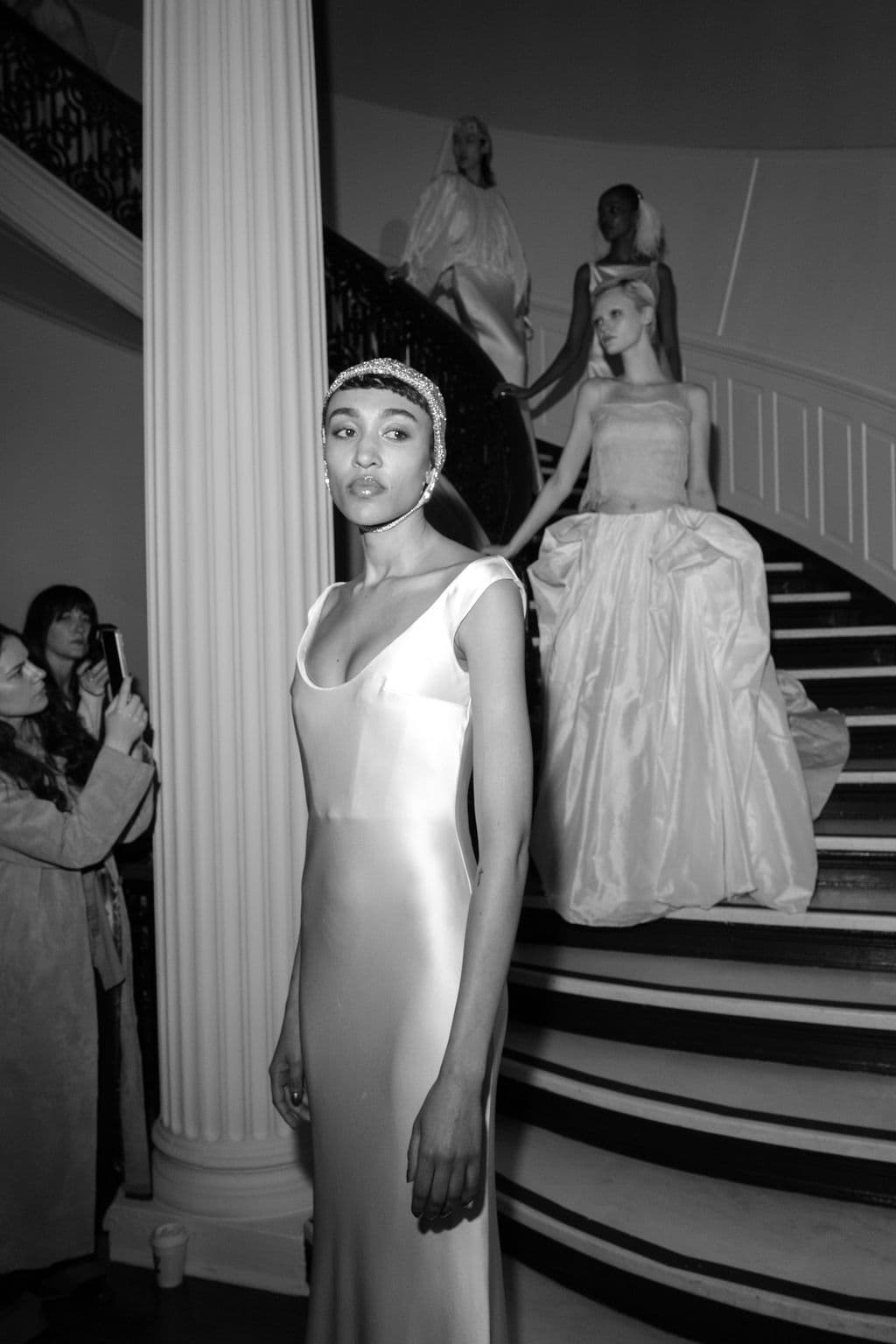
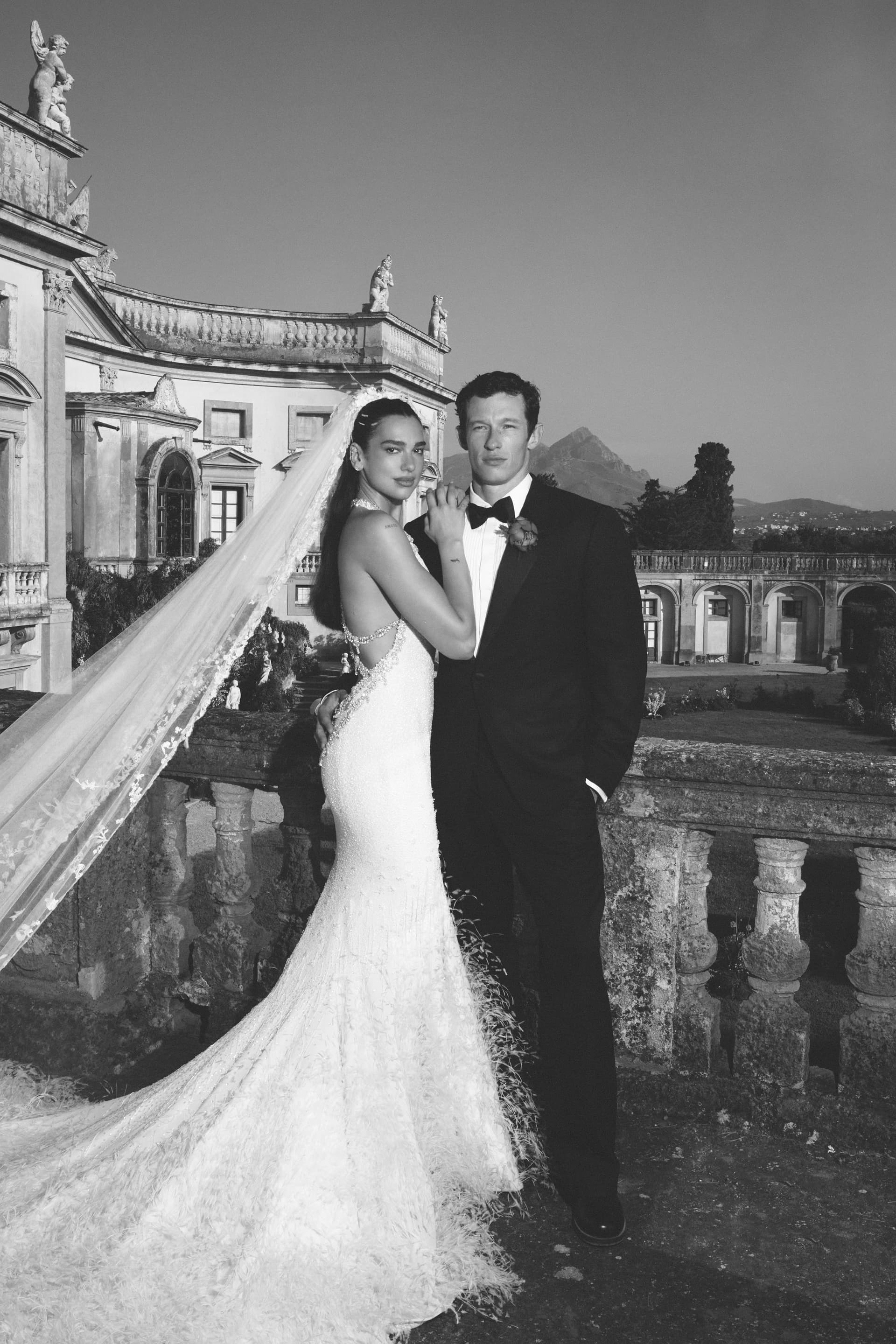
Bridal style now begins with the wedding venue choice
The venue is now the first styling decision. Heritage forts, coastlines and mountain estates are rewriting what brides wear, and who the whole wedding is for.
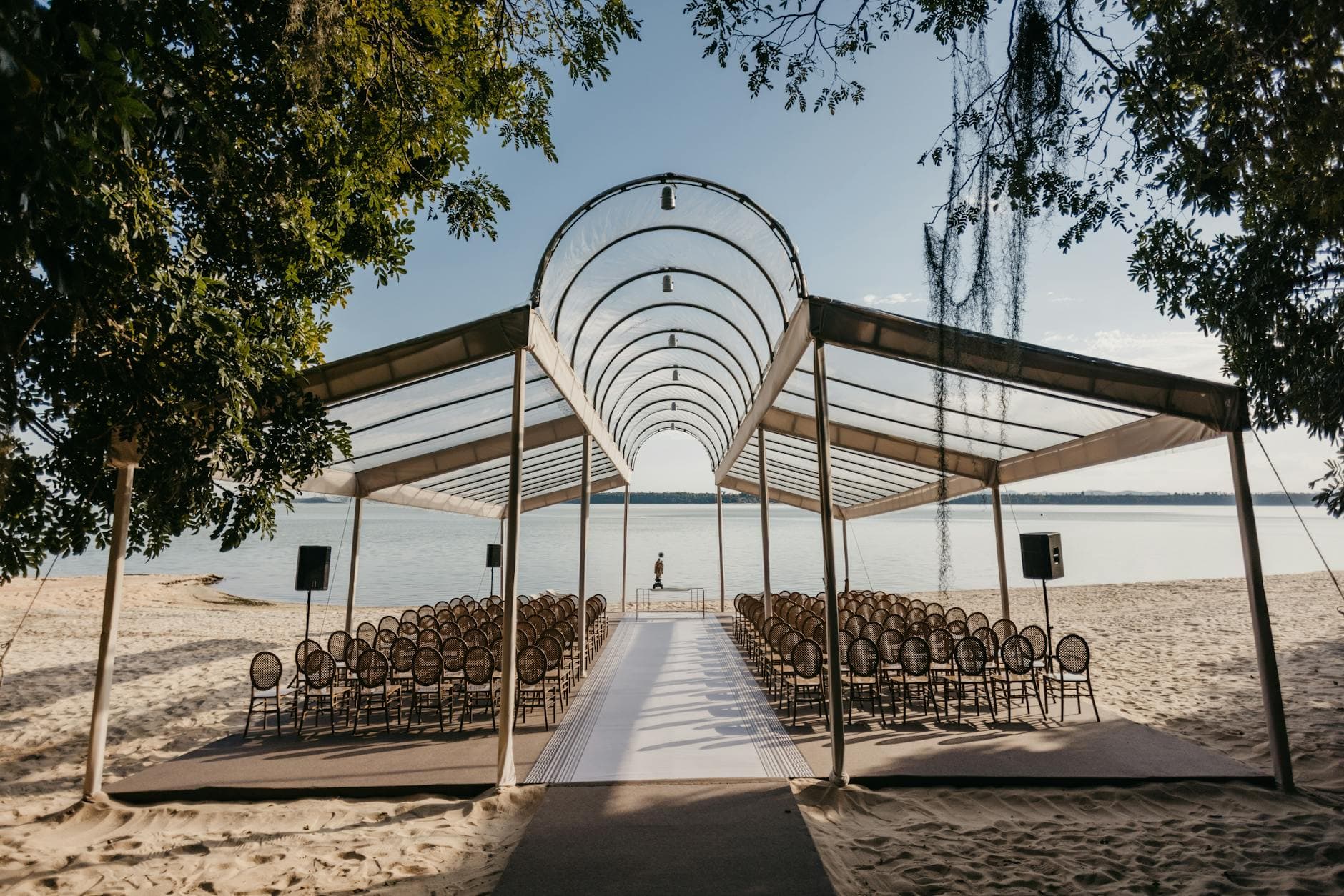
The smartest bridal decision is no longer the lehenga or the gown. It is the venue.
That shift has now moved from mood board to mainstream style brief, and Vogue India gave it a neat name on May 20, 2026, with Baishali Chatterjee’s piece, “The best wedding venues in India now come with main character energy.” The point is simple and powerful: couples are choosing spaces for visual identity, not just capacity, and that choice is now shaping the entire fashion story of the wedding.

The venue is the new dress code
Once the setting becomes the star, everything else falls into place around it. A heritage fort asks for clothes with structure, weight and ceremony; an oceanfront mandap calls for lighter fabric, easier movement and styling that can survive wind, heat and salt air. A mountain estate or a boutique property changes the mood again, pushing the bride toward silhouettes that feel layered, polished and intentional rather than overbuilt.
That is why the venue-first mindset matters so much. It does not just tell you where to marry. It tells you what kind of bride, groom and guest you are dressing for the room you have chosen.
Why this is bigger than one wedding
The scale of India’s wedding market explains why venues now carry so much style power. WedMeGood says India typically hosts more than 10 million weddings a year, and its 2024-2025 industry report estimated 4.8 million weddings between October and December 2024 alone, generating about 6 trillion in business. The Confederation of All India Traders put the 2024 season at roughly the same level, and later projected 6.5 lakh crore from 46 lakh weddings in the 2025 season.
That kind of money changes taste. Grand View Research estimates India’s destination wedding market at USD 16.25 billion in 2024, with growth to USD 55.39 billion by 2033. In other words, the venue is no longer a logistical line item. It is becoming a premium, experience-driven choice, and fashion is following it there.
What brides should wear to let the venue lead
The cleanest bridal looks today are the ones that answer the space around them. In a fort in Udaipur or Rajasthan, that usually means silhouettes with presence: a defined waist, a fuller skirt, embroidered surfaces that catch stone and candlelight, and fabrics that do not disappear against a grand backdrop. On a Goan shoreline, the smarter move is often movement over mass. Think softer drape, lighter embroidery, fewer layers and a veil that looks elegant in motion rather than theatrical in still air.
Color is shifting with the same logic. Brides are reading the room before they choose the palette. Jewel tones make sense in historic architecture; softer metallics and sun-washed neutrals feel right against coastlines and pale stone; deeper greens, rusts and ivory layers can flatter mountain light and lush gardens without fighting the landscape. The best look is not the loudest one. It is the one that feels as if it belongs to the setting.
Just as important is what to skip. A heavy train can become a burden on uneven terraces. Overworked corsetry can feel out of step in humid weather. Delicate hems, no matter how beautiful in a showroom, can be a mistake if the ceremony moves from lawn to stairs to mandap to dinner. Venue-led dressing is about editing, not adding.
How grooms and guests are dressing differently too
The groom’s wardrobe is getting sharper because the setting now demands it. A bandhgala looks more deliberate in a palace courtyard than a standard suit, while a finely tailored sherwani or jacket can echo carved walls, heritage arches and formal banqueting rooms. In coastal venues, the same groom may look better in lighter suiting, cleaner lines and less ceremonial weight. The lesson is consistent: the venue should determine whether the outfit leans regal, relaxed or somewhere in between.
Guests are being pulled into the same logic. Black tie belongs naturally in a grand indoor hall or a palace setting; linen, silk blends and easy tailoring make more sense for beachside vows and destination weekends. Even the smartest guests are dressing with architecture in mind now, because the wrong fabric or silhouette can feel disconnected from the event before the first course is served.
Why luxury venues are becoming status markers
Recent Vogue India wedding coverage makes the trend hard to miss. Heritage forts, mountain weddings, oceanfront ceremonies and boutique properties are front and center, with destination-style storytelling running through the coverage. That matters because the venue is no longer just where the wedding happens. It is part of the identity the couple is buying into, and often broadcasting.
That is also where hospitality comes in. Indian Hotels Company Limited has said wedding demand is a meaningful driver, with investor materials citing about 4.8 million estimated wedding nights in India. For hotels and heritage properties, weddings are no longer an occasional fill-in business. They are a structural part of the luxury calendar, tied to tourism, scale and spending power.
The new bridal equation
WedMeGood’s 2025-2026 report, based on surveys of more than 2,000 couples and 500-plus wedding professionals, says weddings are increasingly curated to showcase love, culture and individuality. That is exactly why venue choice now drives bridal style. The room, the landscape and the architecture are no longer backdrops. They are part of the look.
The strongest wedding wardrobes now begin with a question that used to come later: where does the outfit need to belong? Once that is answered, the rest of the styling becomes clearer, and often far more elegant.
This article was produced by Prism’s automated news system from verified source data, official records, and press releases, then run through automated quality and moderation checks before publishing. The system is built and supervised by the people who set the standards it runs under. Read our full AI policy.
Did this article answer your question?