Celebrity wedding buzz fuels a surge in bridal style interest
Taylor Swift, Dua Lipa, and Zendaya are turning half-seen bridal clues into full mood boards, and brides are shopping the fantasy before the gown is ever confirmed.
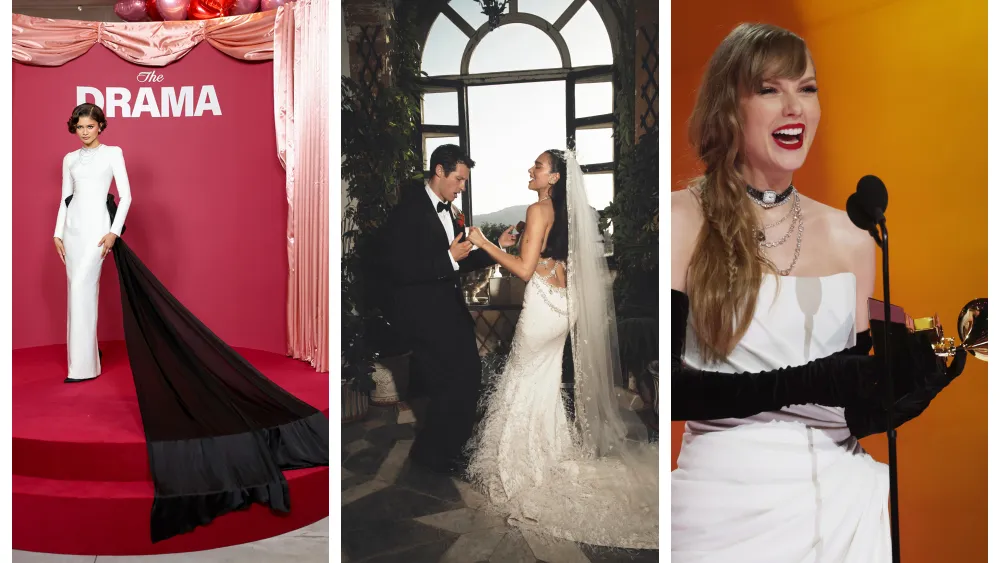
Taylor Swift and Travis Kelce’s engagement landed with no wedding date set, and the silence around the dress only made the obsession louder. That vacuum has turned celebrity wedding watching into speculative bridal style, where brides are building a whole look from a silhouette, a rumor, or one tiny glimpse of lace and shine.
Taylor Swift made the missing dress the story
Reuters put Swift and Kelce’s engagement on the record on Aug. 26, 2025, after a two-year romance, and the same dispatch made clear there was no wedding date yet. By Dec. 6, Reuters was already circling June 13 as the reported plan, which is exactly how bridal speculation takes on a life of its own: first the proposal, then the date talk, then the outfit fantasy.
Vogue has leaned all the way in with “Here’s What Taylor Swift Should Wear to Her Wedding” and “Who Will Make Taylor Swift’s Wedding Dress? Let’s Break Down Some Contenders,” which tells you everything about the scale of the fixation. The Knot then pushed the idea even further with “Taylor Swift Chose a Dior Wedding Dress, As Travis Kelce Went With the Same Designer,” turning the rumor mill into a full bridal brief. Page Six later said Swift would have multiple outfit changes, InStyle said she was following a major bridal trend for the wedding, and BBC coverage framed the event through guest wardrobe speculation. At that point, the dress is no longer just a dress. It is a whole aesthetic universe.
Dua Lipa turned the reveal into a product lesson
Dua Lipa is the opposite kind of bridal obsession, because the look was eventually revealed and still managed to keep the internet in a chokehold. Her Chanel haute couture wedding dress, made by Matthieu Blazy, was described as his first bridal gown for the house, and the details are the kind that immediately rewrite mood boards: more than 1,000 hours of needlework, 480,000 hand-embroidered beads, 25,000 feathers, a two-metre train, and a six-metre veil.
That is not just couture for couture’s sake. It is a lesson in how modern brides are reading luxury now: they want the shimmer, the texture, the movement, and the drama of a dress that looks expensive from across the room and even better in motion. The feathering and beadwork give the gown a glamorous, almost liquid surface, while the long train and veil push it into ceremonial territory without making it feel old-school heavy. If Swift’s story is about anticipation, Dua’s is about the power of the finished image, the kind that makes every bride immediately start asking which part she can translate into her own look.
Zendaya is the quietest, sharpest version of bridal-coded style
Zendaya’s bridal buzz works because it is never fully literal. The chatter around her has centered on bridal-themed fashion cues, including the tease built around “something old, new, borrowed ... and soon, blue?” and a Schiaparelli bridal-inspired spring look that read like a custom white-gown fantasy without needing a ceremony attached to it. Designers predicting her wedding dress have pointed to sleek silhouettes and dramatic details like detachable trains, which is exactly the kind of shape language that gets brides to save screenshots.
That is the Zendaya lane: clean, sculptural, and a little sly. It is for the bride who wants the line of the dress to do the talking, then wants one sharp twist, like a removable train, a couture cutout, or a dramatic back, to keep it from feeling too precious. The appeal is not that it looks like a princess dress. It is that it looks intentional, polished, and just dangerous enough to feel current.
New York Bridal Fashion Week is translating the fantasy into real product
Vogue’s bridal coverage, including “The Biggest Wedding Dress Trends From New York Bridal Fashion Week” and “The Major Trends to Know From New York Bridal Fashion Week Fall 2025,” shows how celebrity wedding buzz turns into actual shopping behavior. The runway language around 2025 has been especially loud, and The New York Times’ read on New York Bridal Fashion Week made the range crystal clear: designers were pulling from 18th-century opulence, 1950s pencil skirts, and 1980s suit dressing.
That mix matters because it gives brides more than one fantasy to buy into. Some want the full-skirt, romantic volume; others want the sleek, body-skimming line; others want bridal tailoring that feels more downtown than church steps. Another trend round-up leaned into the more romantic side, with voluminous skirts and three-dimensional florals, which keeps the fairytale camp alive for anyone who wants their dress to bloom in the room.
The bridal aesthetics you can actually shop now
The celebrity wedding cycle has split bridal style into a handful of very clear lanes, and they are easy to shop if you know what you are chasing:
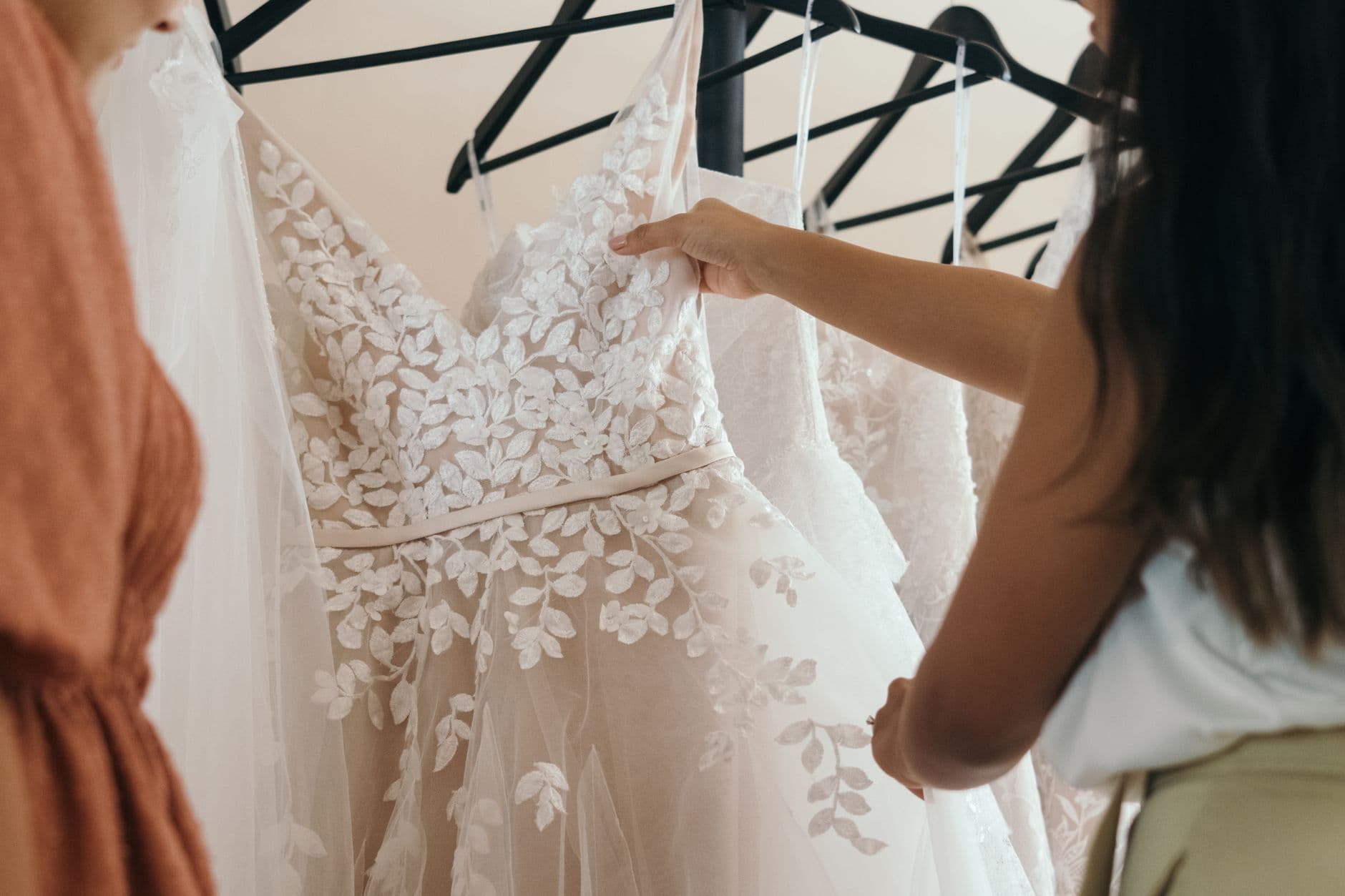
- Sleek, sculpted silhouettes if you want Zendaya’s cleaner, more fashion-first energy.
- Feathery, heavily beaded gowns if you want the glossy, high-drama finish Dua Lipa just made look undeniable.
- Detachable trains and second-look dressing if you want the ceremony-to-reception shift that feels very now.
- Tailored suiting and pencil-skirt shapes if your version of bridal is sharper, sexier, and less floaty.
- Voluminous skirts and 3D florals if you want the romantic, fairytale lane that still keeps showing up on the runways.
What all of this says about the bridal consumer is simple: the wedding dress is no longer the only purchase. Brides are buying into a celebrity-coded fantasy, a silhouette they recognize as theirs, and an aura that can survive long before any official photo drops. The reveal still matters, but the mood board is already in motion.
This article was produced by Prism’s automated news system from verified source data, official records, and press releases, then run through automated quality and moderation checks before publishing. The system is built and supervised by the people who set the standards it runs under. Read our full AI policy.
Did this article answer your question?