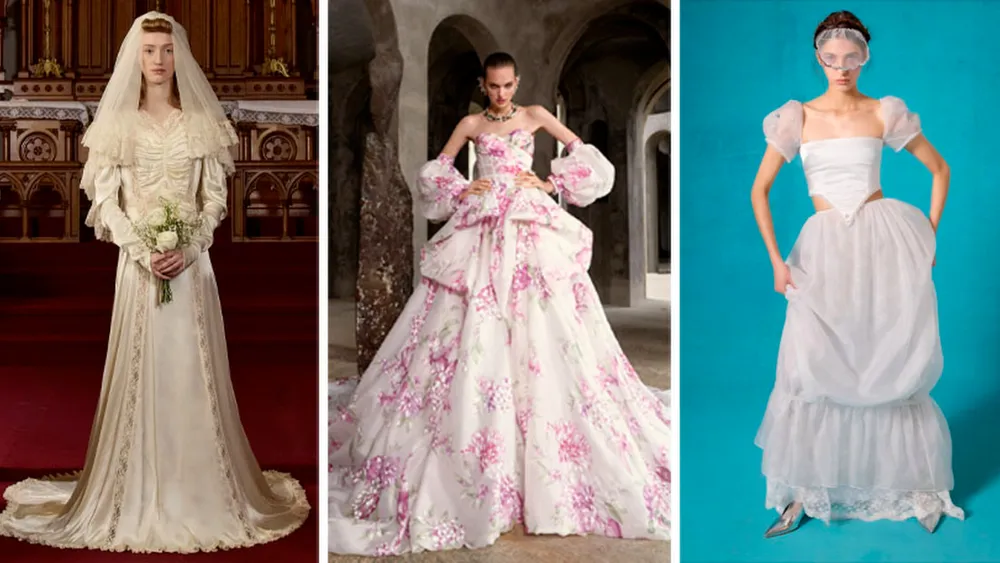
Coat dresses return as a polished wedding season favourite
Princess Kate’s coat-dress formula nails the wedding-season brief: polished, formal and rewearable, without the full-on bridal dress energy.
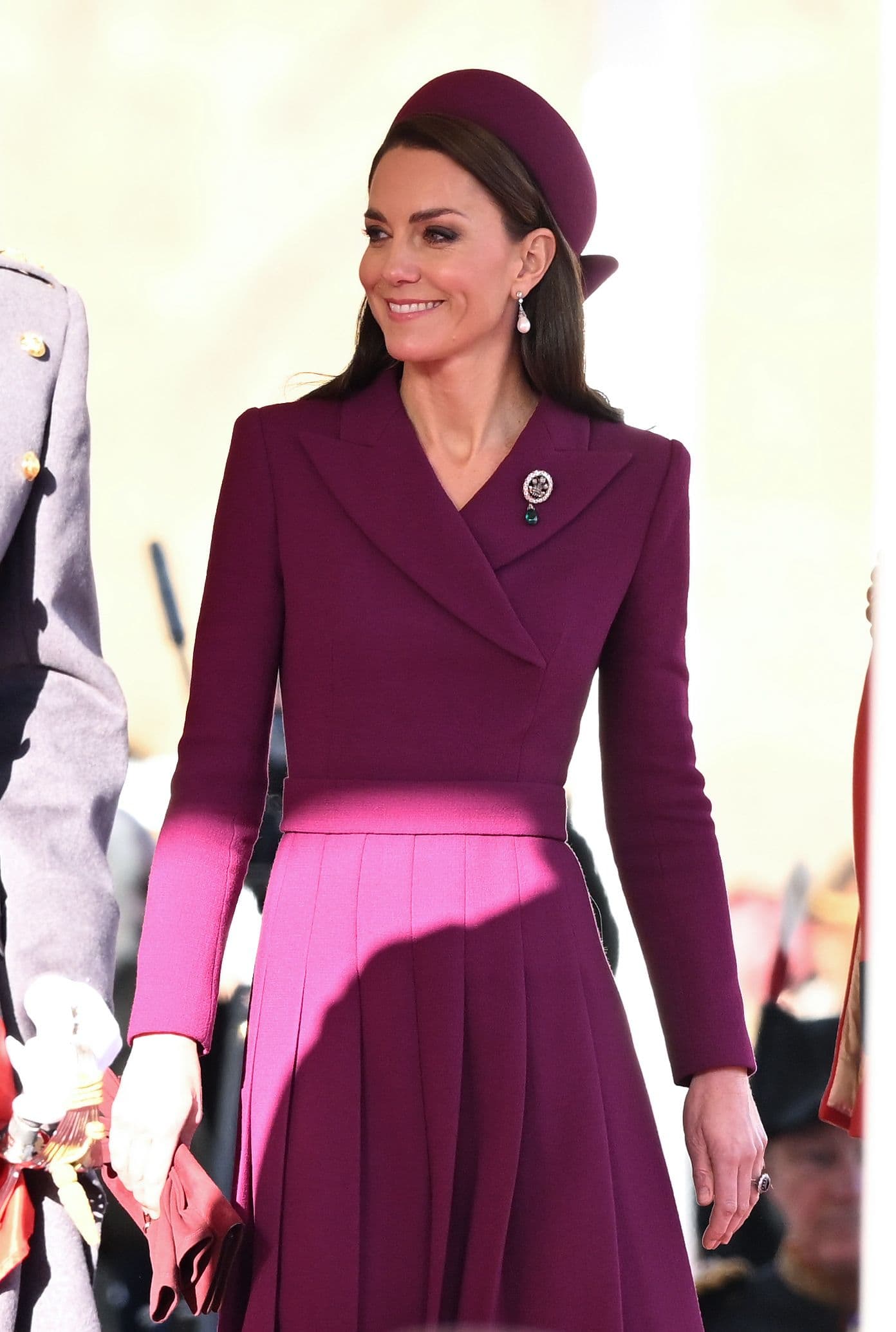
Princess Kate’s coat dresses have made the silhouette look like the smartest move in occasionwear: it reads formal at first glance, but it does not trap you in the usual dress-and-heels routine. That is why the silhouette keeps coming back for wedding season, and why it feels just as useful for a civil bride as it does for a mother of the bride or a well-dressed guest.
Why the coat dress works now
The appeal is bluntly practical. A coat dress gives you structure, coverage and polish in one piece, so you can walk into a ceremony looking considered without defaulting to a traditional frock. The shape works for Ascot, christenings and weddings, and is especially popular with mothers of the bride and mothers of the groom, which tells you exactly where this piece lives: in the real world of proper invitations, not fantasy dressing.
The silhouette also has history behind it. The modern coat dress dates to the 1910s, Vogue described it in 1915, and it became especially popular in the 1960s.
For the civil bride: sharp, minimal and still bridal
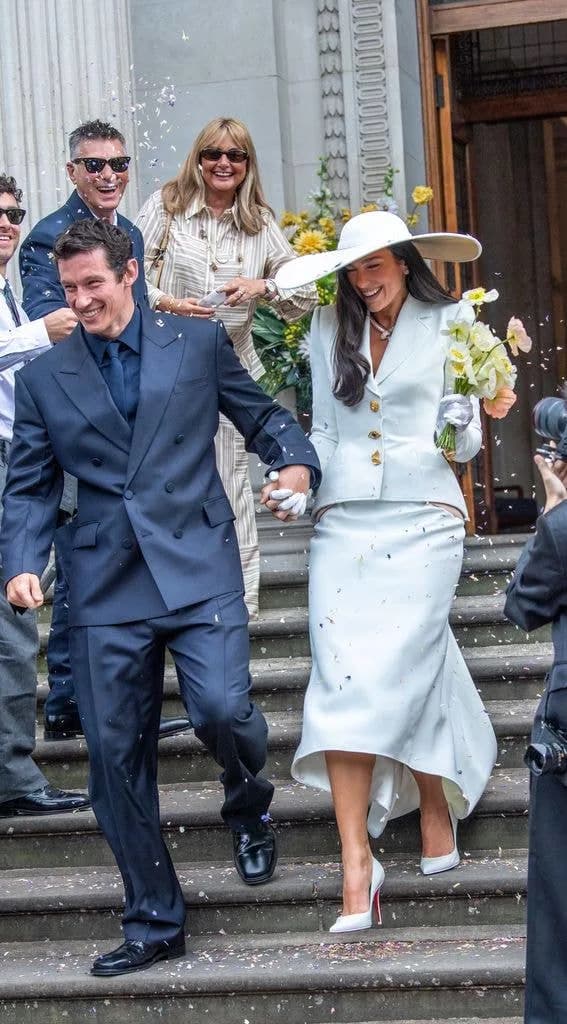
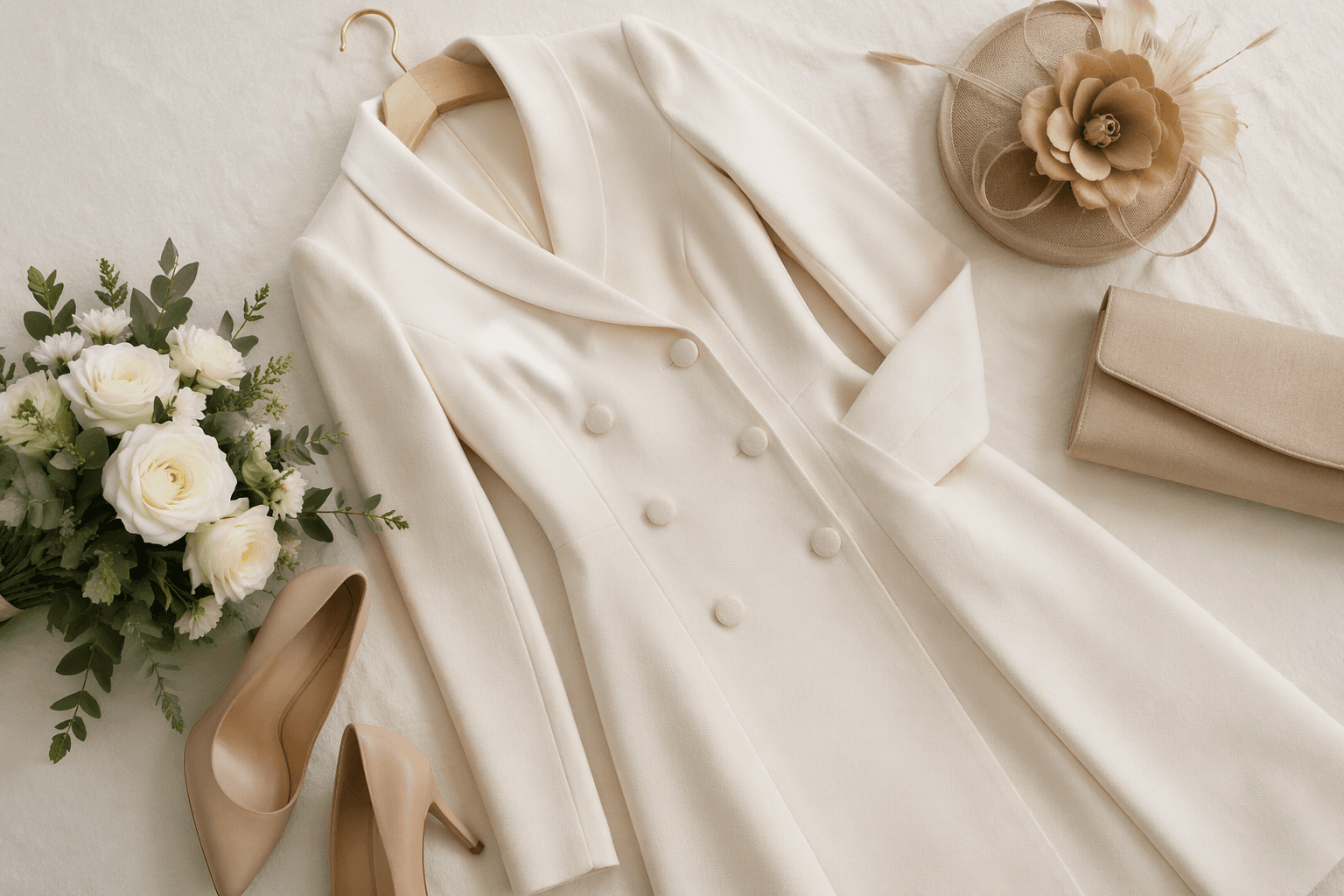
If you are getting married at city hall, a registry office or anywhere the dress code leans elegant rather than theatrical, the coat dress is the easiest way to look like yourself on purpose. The best versions sit around the knee or just below it, because that length keeps the look crisp without tipping into matronly territory. A fitted waist, neat shoulder and controlled sleeve are doing the heavy lifting here, not volume.
Fabric matters more than people admit. A polished crepe, wool-blend or structured twill gives the silhouette enough body to hold its shape, while anything too flimsy makes it look like a borrowed coat instead of a deliberate outfit. Buttons should look intentional, not decorative fluff. One clean row, hidden fastening or sharp contrast hardware can make the whole thing feel modern.
This is where the tuxedo dress earns its keep. It is the Princess of Wales’s preferred twist on the classic coat dress: essentially an elongated blazer or tuxedo suit jacket. For a civil bride, that means clean lapels, a long line and enough tailoring to feel special without going full princess cosplay.
For the mother of the bride or groom: polished without looking precious
This is where coat dresses really make sense. The category solves the old occasionwear problem of wanting to look dressed up without choosing something fussy, overly lace-heavy or too young. A coat dress gives you shape, dignity and a bit of authority, which is exactly what you want when you are standing at the front of a wedding and being photographed from every angle.
Length is the first thing to get right. Knee-length and midi styles are the safest bets because they feel ceremonial but still move well. A hem that lands too short can look careless, while one that drags too long starts to feel like eveningwear instead of daytime occasion dressing. Look for a waist that is actually shaped, not just hinted at with a belt, and sleeves that skim rather than squeeze.
Colour should do some of the work too. Soft neutrals, navy, ivory, blush, dove grey and deep jewel tones all keep the mood polished. The point is to avoid anything that screams bridal repurposed, unless that is the brief. Princess Kate’s Catherine Walker coat dresses are the clearest reference point here: elegant, structured and formal enough to hold their own in photographs without looking costume-y.
For guests: the high-street versions are doing the heavy lifting
If you are shopping as a guest, the category has moved far beyond royal-watching. Karen Millen has a dedicated coat dresses for weddings collection, along with a blazer dresses section with tuxedo dresses as a black-tie update. The silhouette is being translated for modern wardrobes, not just mimicked for the sake of the look.
Karen Millen’s trench dresses, structured coat dresses and matching coat-and-dress options take the idea in different directions, but the through-line is tailoring. The coat dress is occasionwear, not outerwear pretending to be occasionwear. A good wedding guest version should feel finished even when you take your coat off, which is why the best designs still need proper seams, a defined lapel or collar and fabric with enough weight to hang cleanly.
Phase Eight has a dedicated occasionwear collection and a separate occasion dresses edit for weddings and spring and summer events. That makes the category feel less niche and more like part of a full event wardrobe. If you want something that will work for a church wedding, a garden reception or a daytime formal, that kind of range is exactly what you want to see.
What makes it look modern instead of royal cosplay
The difference between polished and costume lies in the details.
- Length: knee to midi keeps it current. Too long and it starts to feel theatrical.
- Tailoring: nipped waist, clean shoulder and a smooth front are non-negotiable.
- Buttons: fewer, sharper and more deliberate always look better.
- Colour: ivory, navy, camel, blush and rich neutrals feel more wearable than anything overly ornate.
- Fabric: crepe, wool-blend, twill and heavier suiting fabrics give the shape authority.
The tuxedo-dress version is the easiest shortcut if you want the mood without the exact royal reference. It takes the coat dress idea and makes it sleeker, with blazer energy instead of classic ladylike polish.
Why Kate still sets the tone
The Princess of Wales has had a decade-long relationship with Alexander McQueen and frequently wears McQueen dresses and coats for engagements. Sarah Burton, who designed Kate’s 2011 royal wedding dress, joined Givenchy in 2024 and won womenswear Designer of the Year in 2025 for her work there.
This article was produced by Prism’s automated news system from verified source data, official records, and press releases, then run through automated quality and moderation checks before publishing. The system is built and supervised by the people who set the standards it runs under. Read our full AI policy.
Did this article answer your question?