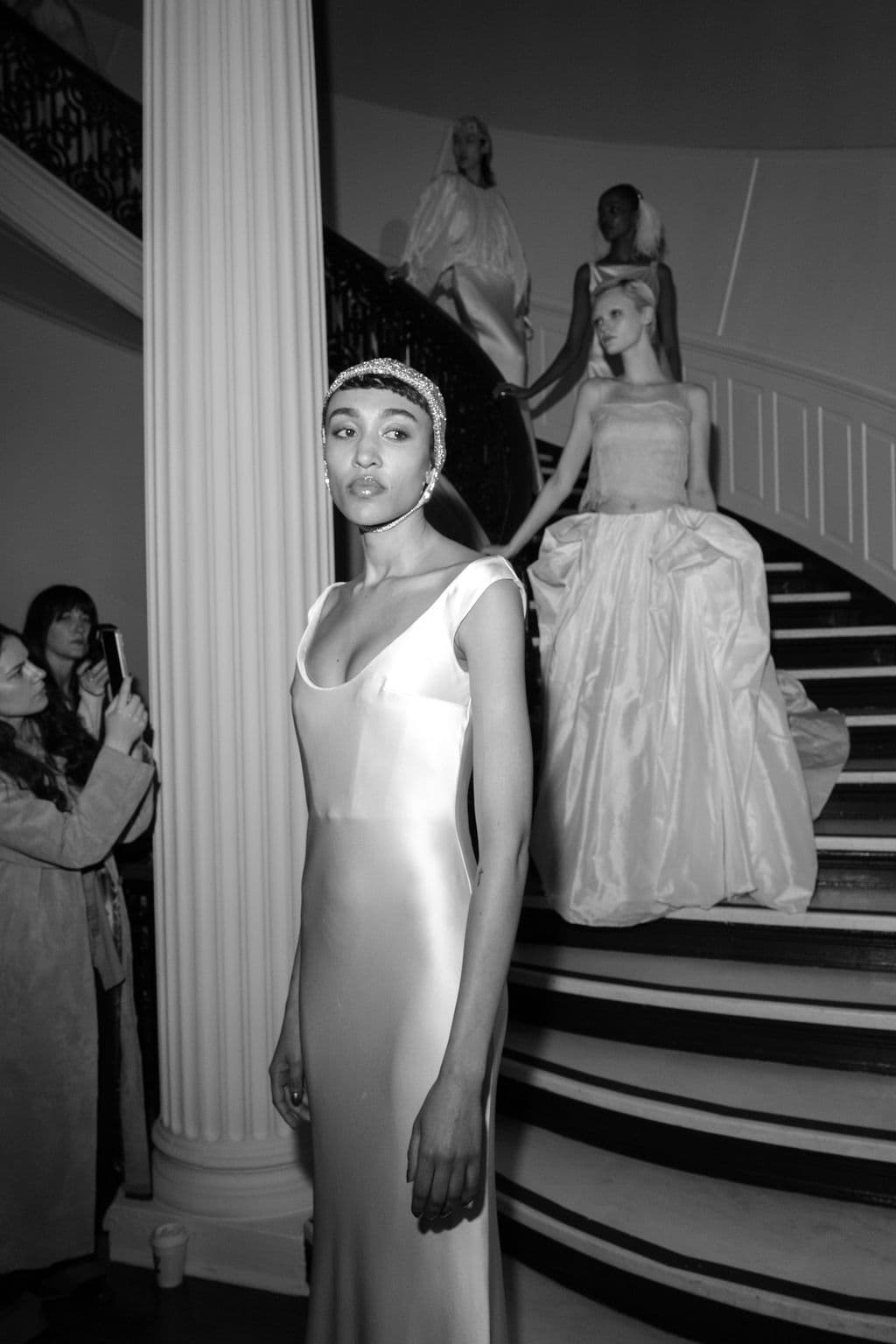
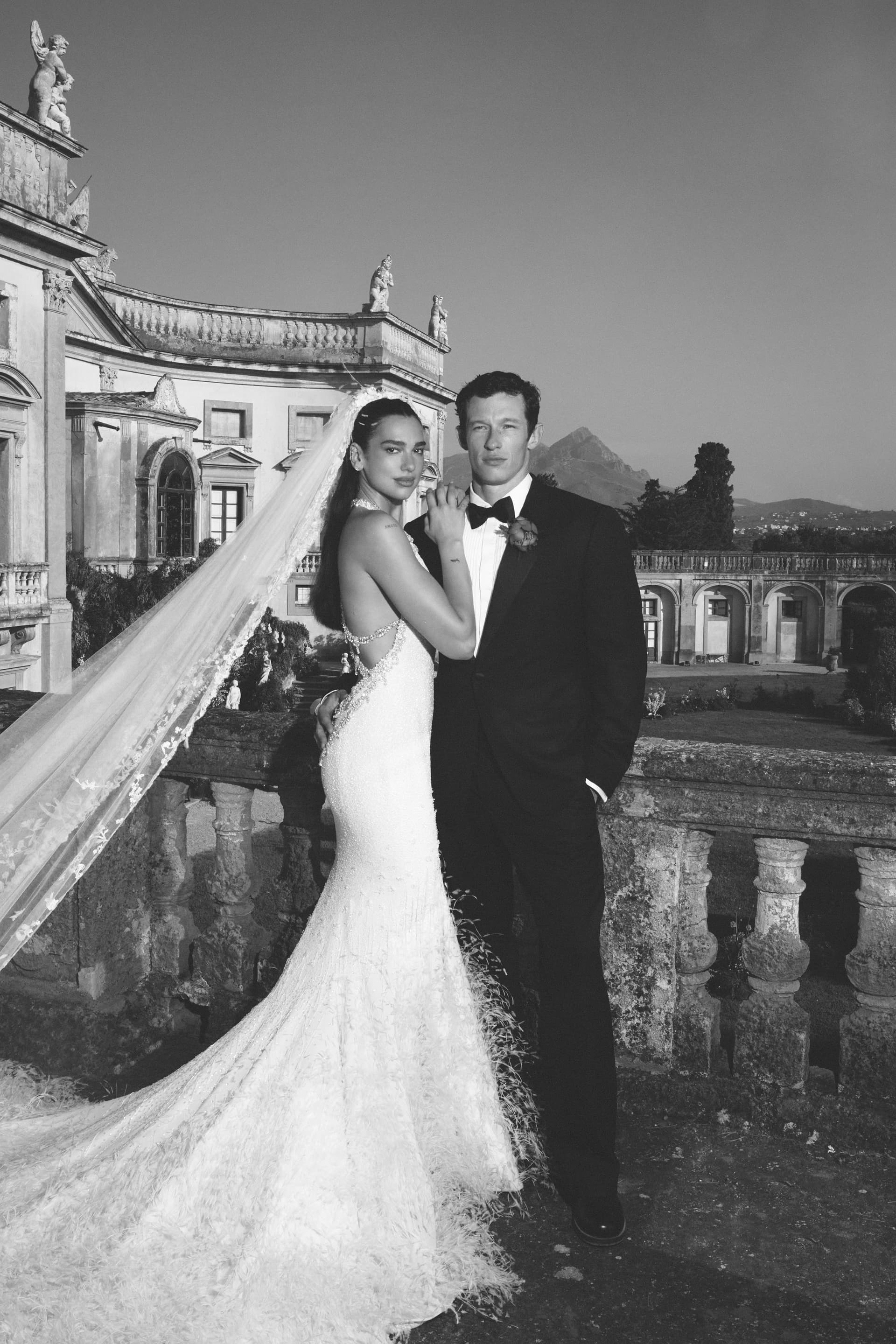
Colored wedding dresses were once the bridal norm, museums say
Colored bridalwear is less rebellion than revival: before white took hold, brides wore red, blue, brown, black, and plenty of pattern.

Before white became the bridal shorthand, it was perfectly ordinary for a bride to marry in red, pink, blue, brown, or even black. That fact alone changes the conversation around colored wedding dresses: they are not a break with tradition, but a return to a much older one, where style, budget, and daily usefulness mattered as much as symbolism.
White is the newcomer
The Victoria and Albert Museum makes the historical picture plain. Before Queen Victoria’s 1840 wedding, colored dresses and patterned fabrics were common, and many women kept choosing them well into the mid-19th century because they were practical and affordable, especially for brides with less money. The Metropolitan Museum of Art draws the same line from another angle: in the early 19th century, white was not the standard for wedding attire, and brides usually wore colored gowns that could be worn again after the ceremony.
That rewearability is the detail modern bridal culture often forgets. A wedding dress was not always a one-day costume made to disappear into storage. It could be a dress with a second life, ready for another social function, another season, another room. That history makes color feel less like a statement and more like common sense.
The royal dress that changed the picture
Queen Victoria’s 1840 wedding did not invent bridal fashion, but it did reshape the image of it. She wore a white satin court train bordered with orange blossom rather than the crimson velvet robe of state, and that choice drew public attention far beyond the ceremony itself. The Victoria and Albert Museum notes that the look was spread through print media, newspapers, fashion plates, and adverts, turning one royal outfit into a widely circulated ideal.
The details mattered. Victoria’s train was edged with orange blossom, a flower already carrying bridal meaning by then, having been fashionable in floral accessories since the last decade of the 18th century. The museum also connects that wedding to the later association between white bridal wear and purity in British fashion, a link that was not inevitable but carefully built through images, repetition, and taste-making.
Just as important, Victoria’s white choice was not the only path to elegance. It became the dominant image because it was copied, promoted, and romanticized, not because every bride before her had been waiting for it.
Color was practical, not provocative
The strongest argument for colored bridalwear is the least glamorous one: money. In the mid-19th century, many brides still chose colored or patterned fabrics because they were more practical and affordable than white. That practical logic runs through museum collections from both sides of the Atlantic. The Met’s early 19th-century wedding examples show brides in colored gowns precisely because those dresses could live beyond the wedding day.
That is why colored dresses read so well today. They are not inherently more daring than white. They are often simply more honest about how clothes are worn. A pale blush silk, a deep plum satin, a printed jacquard, or a soft blue faille can be every bit as bridal as ivory tulle, especially when the silhouette is clean and the fabric has enough presence to carry the room.
Three brides, three very different answers
The Victoria and Albert Museum’s collection makes the case vivid through individual women whose choices feel remarkably current.
Sarah Maria Wright married in 1841 in a block-printed patterned dress. It is a useful reminder that a bride could be fashionable without choosing a blank white surface. Pattern gave the dress life, movement, and personality, while still fitting the practical realities of her world.
Harriett Joyce wore a purple wedding dress in 1889 and made it herself because she felt too old for a traditional white gown. That detail matters because it shows age shaping bridal style long before modern conversations about “bridal appropriateness” existed. Her dress was not a compromise. It was self-defined, made by her own hand, and colored with a confidence that still feels fresh.
Monica Maurice’s 1938 wedding dress pushed the point further. Her dress was a red silk gauze shirt dress with a blue belt and buttons, a combination that sounds striking even now. The museum frames it as expressive of her independence and of the changing role of women, which is exactly what makes it so compelling: it is not decorative color for color’s sake, but color with attitude, structure, and wit.
How to wear color now without making it a costume
If you want a colored wedding dress today, the best approach is not to treat it like a defiant move. Treat it like a style choice with deep precedent. The history works best when the dress feels considered, not theatrical.
- Keep the silhouette disciplined if the color is bold. A red satin column, a purple slip, or a blue tea-length dress lands with more authority when the shape is clean.
- Let texture do the work. Block print, silk gauze, satin, and crisp woven fabrics all have historical echoes in the museum examples, and each brings its own light and movement.
- Use one romantic detail, not five. Orange blossom can be a subtle nod to Victorian bridal history, but it does not need to be piled on top of lace, veil, ribbon, and floral appliqué.
- Choose a color that will photograph as a fabric, not a costume. The best colored bridal dresses read as clothes first and spectacle second.
This is where the V&A’s broader collection is useful. Its bridal holdings span five centuries and include both bold color and pure white, which means the historical record is not a single style story but a spectrum. That spectrum is the modern opportunity: a bride can choose color for mood, for memory, for repeat wear, or simply because it looks right on her.
The cleanest lesson from the museums is also the simplest one. White became dominant, but it was never the only bridal language. Color has always been there, carrying practicality, personality, and enough history to make it feel less like a departure than a return.
This article was produced by Prism’s automated news system from verified source data, official records, and press releases, then run through automated quality and moderation checks before publishing. The system is built and supervised by the people who set the standards it runs under. Read our full AI policy.
Did this article answer your question?