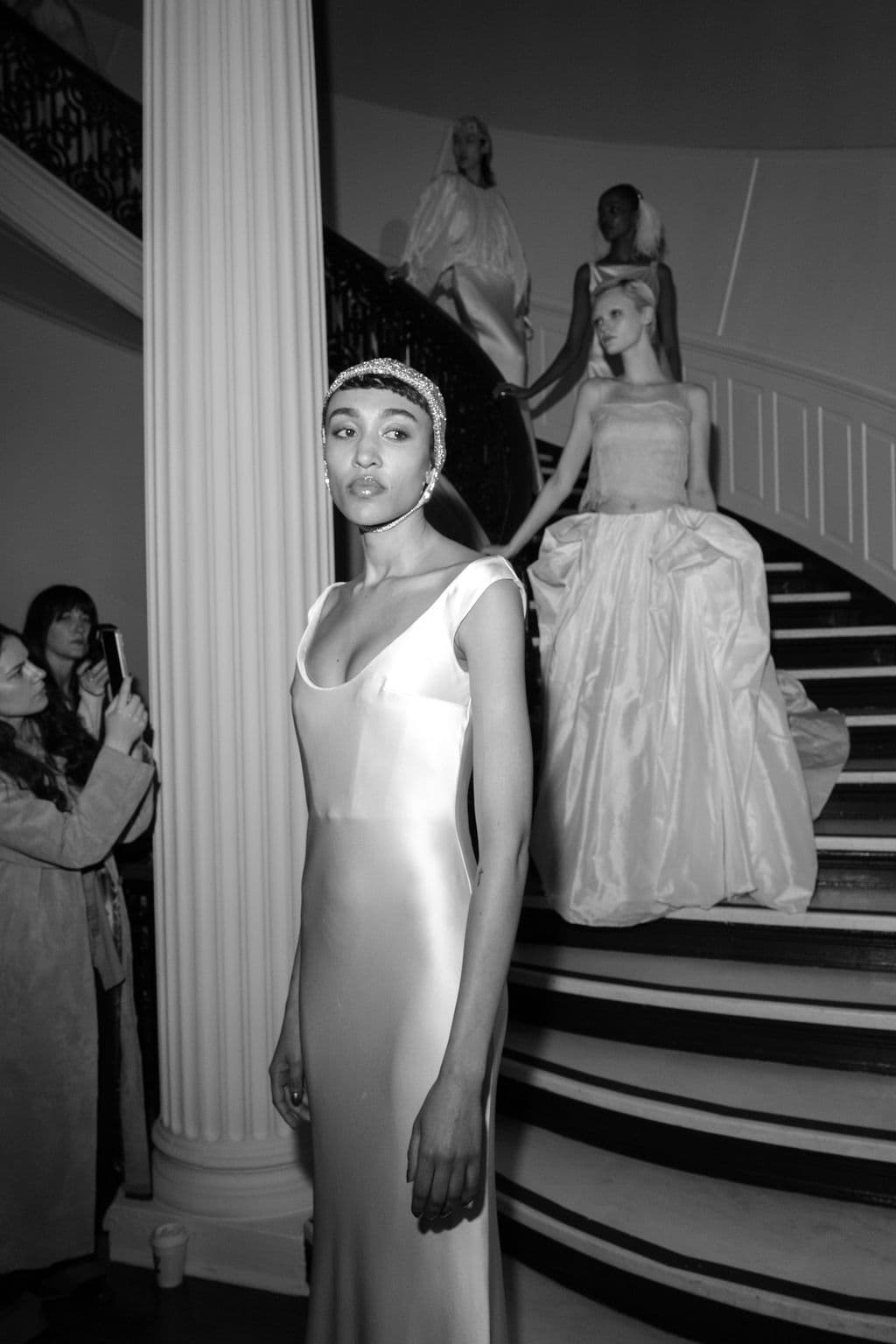
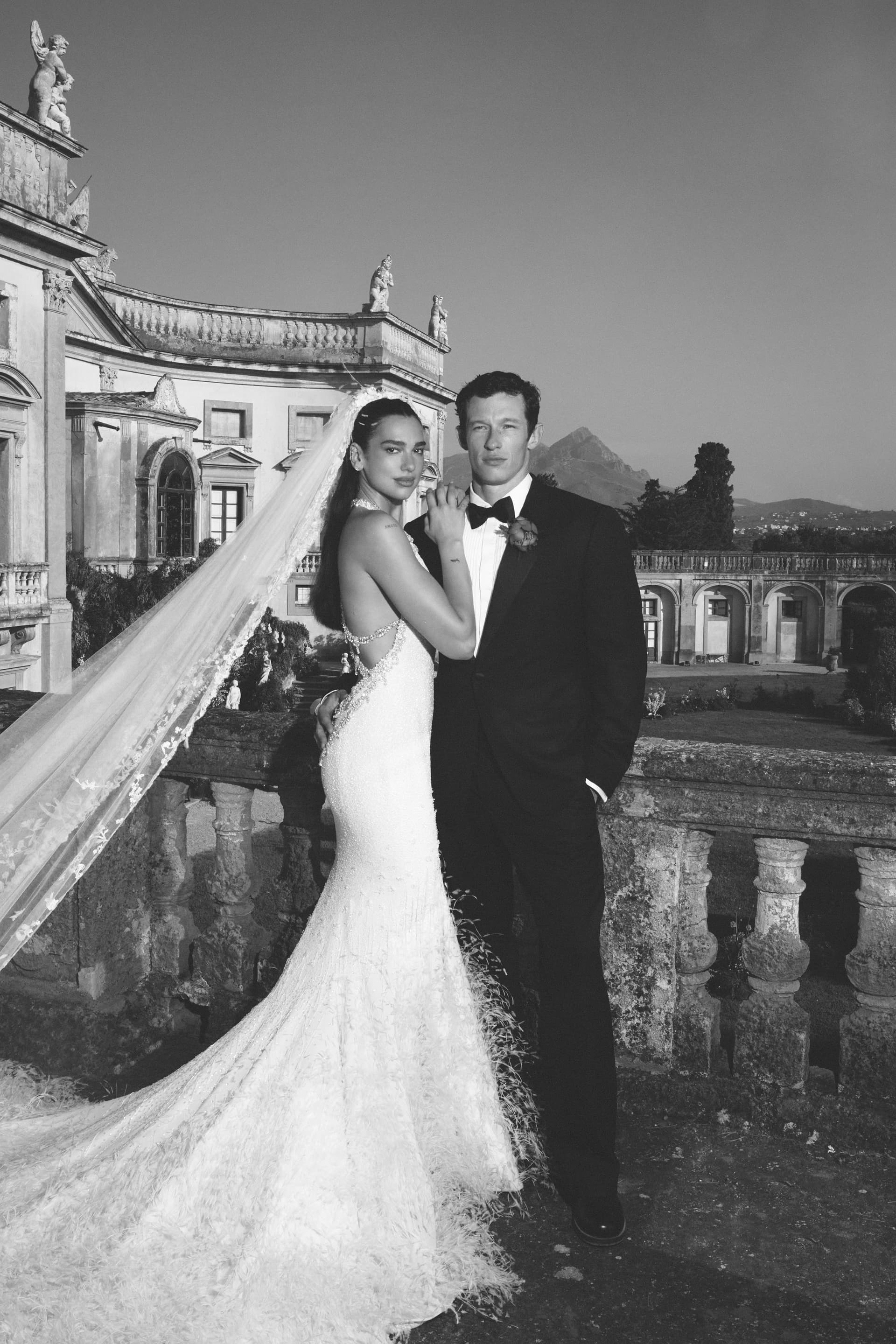
Fit-and-Flare Wedding Dresses, Easy to Dance In, Budget-Friendly
Fit-and-flare gives you shape without trapping you in it, which is why it keeps winning brides over. The trick is knowing where trumpet ends and mermaid begins.
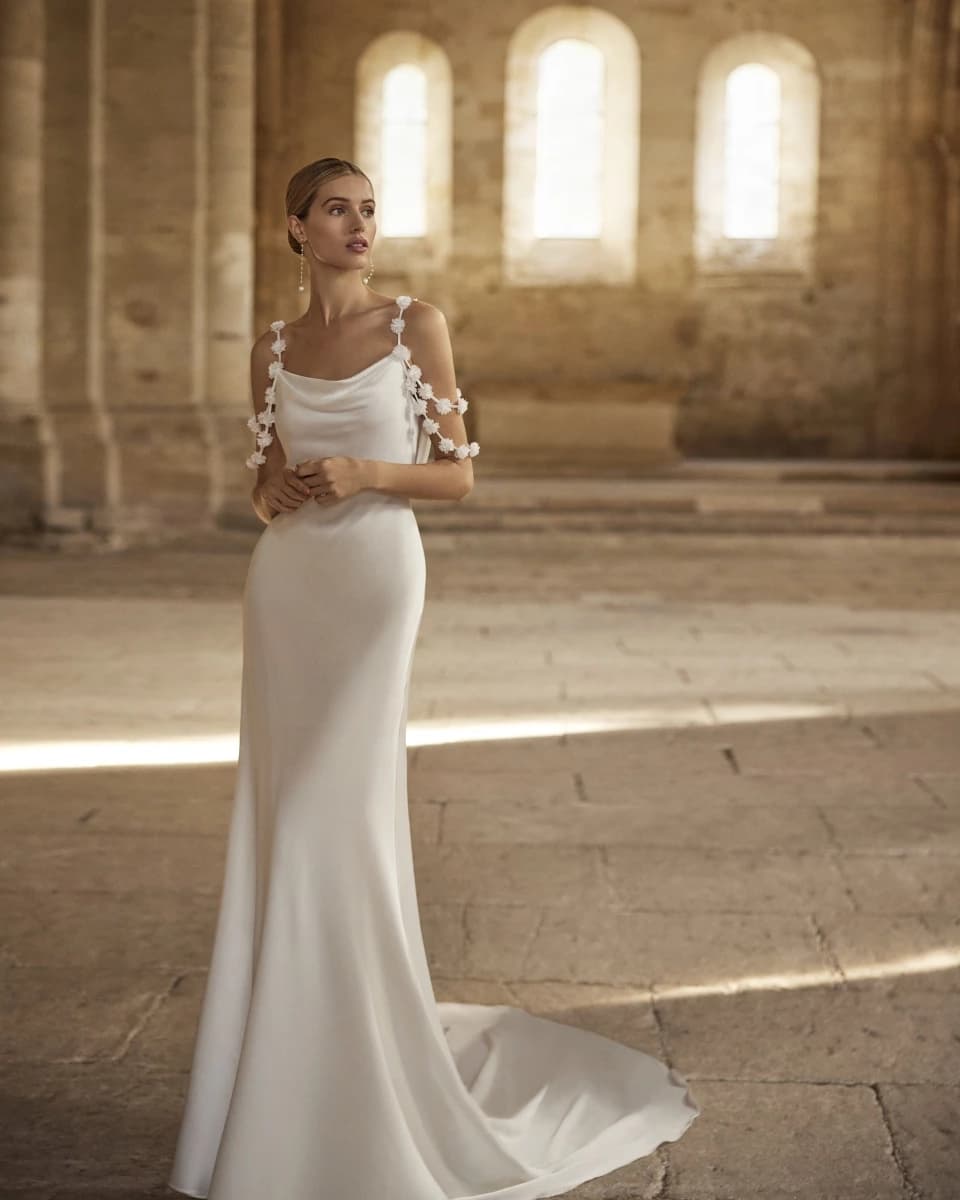
Can I actually sit, walk, and dance in this dress? That is the real fit-and-flare question, and it is the one that matters more than any mood board. This silhouette gives you the clean, body-skimming line brides want, then lets go at the hem so you can move like a human being at dinner and on the dance floor, not a mannequin in crisis.
What fit-and-flare actually means
Fit-and-flare, also called fit-to-flare or fit-n-flare, is exactly what it sounds like: fitted through the top and body, then opening out toward the bottom. It sits in that sweet spot between sleek and overdone, which is why bridal shopping guides keep calling it versatile and romantic. The flare itself can be barely-there, with subtle draping that softens into a train, or it can be more dramatic and body-skimming, depending on how much contour you want before the skirt opens.
The confusion usually starts when brides use fit-and-flare, trumpet, and mermaid interchangeably. They are related, but they are not the same thing. Trumpet gowns flare around the thigh, while mermaid gowns flare below the knee. Fit-and-flare is the broader family, and that distinction matters when you are trying to explain your taste at an appointment without disappearing into bridal jargon.
Why the silhouette works in real life
This is the shape for a bride who wants definition without committing to full-on cling. WeddingWire says brides who want to show off their figure without going all the way into the dramatic trumpet or mermaid zone should look at fit-and-flare instead, and that tracks. You get that hourglass pull through the torso and hip, then a release that usually makes walking, pivoting, and hugging a lot less complicated.
For the ceremony, the silhouette reads polished and considered. It frames the body cleanly in photos, especially if the bodice has structure, lace, or precise seam work. For dinner, it is one of the easiest fitted bridal shapes to sit in because the skirt is built to break where the body needs room. For the first dance, that flare pays off again, because it gives you just enough swing to turn, step back, and breathe without fighting a column of fabric.
That said, fit-and-flare is still a fitted dress. If you want to crouch, sprawl, or spend half the night on a packed dance floor, you need to think about the exact point where the dress opens and how much fabric is in the train. A gentler flare usually feels easier through the whole night; a sharper, more sculpted version brings more drama, but it also asks more from your alterations and your bustle.
Trumpet, mermaid, and how to choose the right kind of drama
Trumpet and mermaid are the two names that do the most work in bridal dressing, because they define where the drama lands. Trumpet starts the flare higher, around the thigh, which usually gives you a little more legroom and a little less restriction through the knees. Mermaid hugs longer and then releases below the knee, which creates that stronger red-carpet shape but can be less forgiving when you need to move fast or sit through a long dinner.
If you want to feel elegant but not immobilized, trumpet is often the easier entry point. If you want the most sculpted, high-impact silhouette and you do not mind a little less freedom from the knee down, mermaid delivers. Fit-and-flare sits between them as the pragmatic choice, especially for brides who care about shape but do not want to spend the evening negotiating their gown like it is a contract.
How this silhouette behaves at the wedding
The smartest way to judge fit-and-flare is by use case, not by hanger appeal. At the ceremony, the fitted body and flared hem create clean lines that read beautifully from the aisle. At dinner, the dress should let you slide into a chair without feeling pinned at the thighs. On the dance floor, the flare should give enough movement to keep the skirt lively instead of stiff.
Alteration and bustle planning matter more here than in looser silhouettes. A more dramatic train may look gorgeous in motion, but it needs a bustle that actually works with the flare so you are not stepping on layers all night. The extra structure that makes the dress look expensive can also make it less forgiving, so this is the silhouette where a good tailor earns every cent.
The budget reality behind the look
Fit-and-flare is also one of the more accessible ways to get a polished bridal silhouette without wandering into the most expensive end of the market by default. The Knot says the average wedding dress cost is about $2,100, based on its 2026 Real Weddings Study of 10,474 U.S. couples married in 2025. It also puts the average at $2,000 in 2024, up from $1,800 in 2022, which tells you bridal pricing keeps inching upward whether the dress is simple or not.
That same data explains why so many brides are thinking hard about shape and budget at the same time. The Knot says 60% of brides had a strict attire budget, which is a big number and a very real one. Fabric, labor, construction, alterations, retailer location, and brand reputation all push the price around, so a fit-and-flare gown can be a smart buy when the silhouette gives you drama without requiring the most extreme amount of fabric or engineering.
How to shop it without getting lost
The best bridal appointments start with vocabulary. WeddingWire recommends knowing silhouette names before you walk in, because saying fit-and-flare, trumpet, or mermaid gives a stylist a much clearer brief than saying “something fitted but not too fitted.” That kind of precision saves time and keeps you from trying on ten versions of the same idea in different packaging.
It also helps to try one gown that is the opposite of what you think you want. That advice sounds annoying until it saves you from choosing too narrow a lane too early. If you think you want a fitted shape, try at least one softer or more dramatic counterpoint, then compare how each one feels when you sit, turn, and move your arms. The dress that looks best standing still is not always the dress that survives the reception.
A silhouette with a long memory
Fit-and-flare may feel modern and practical, but bridal fashion has always been about silhouette as much as color. Queen Victoria is widely credited with making the white wedding dress the standard in 1840, and the larger shape story has kept evolving ever since. The Metropolitan Museum of Art traces 19th-century dress through conical skirts, bustles, and hourglass forms, even describing a late-19th-century gown as mermaid-like in silhouette, which is proof that this appetite for contour is hardly new.
That history matters because it puts fit-and-flare in the right frame. This is not just a flattering dress shape, it is part of a long bridal argument about how much structure a bride wants, how much movement she needs, and how sharply she wants the body to register in the room. Fit-and-flare wins when the answer is: enough drama to look unforgettable, enough give to actually live in it.
This article was produced by Prism’s automated news system from verified source data, official records, and press releases, then run through automated quality and moderation checks before publishing. The system is built and supervised by the people who set the standards it runs under. Read our full AI policy.
Did this article answer your question?