Why A-Line Wedding Dresses Dominate, Flattering Nearly Every Bride
The A-line wins because it flatters, moves beautifully, and rarely blows a budget. Its secret is simple: a clean waist and a flare that works almost everywhere.
The silhouette that keeps winning
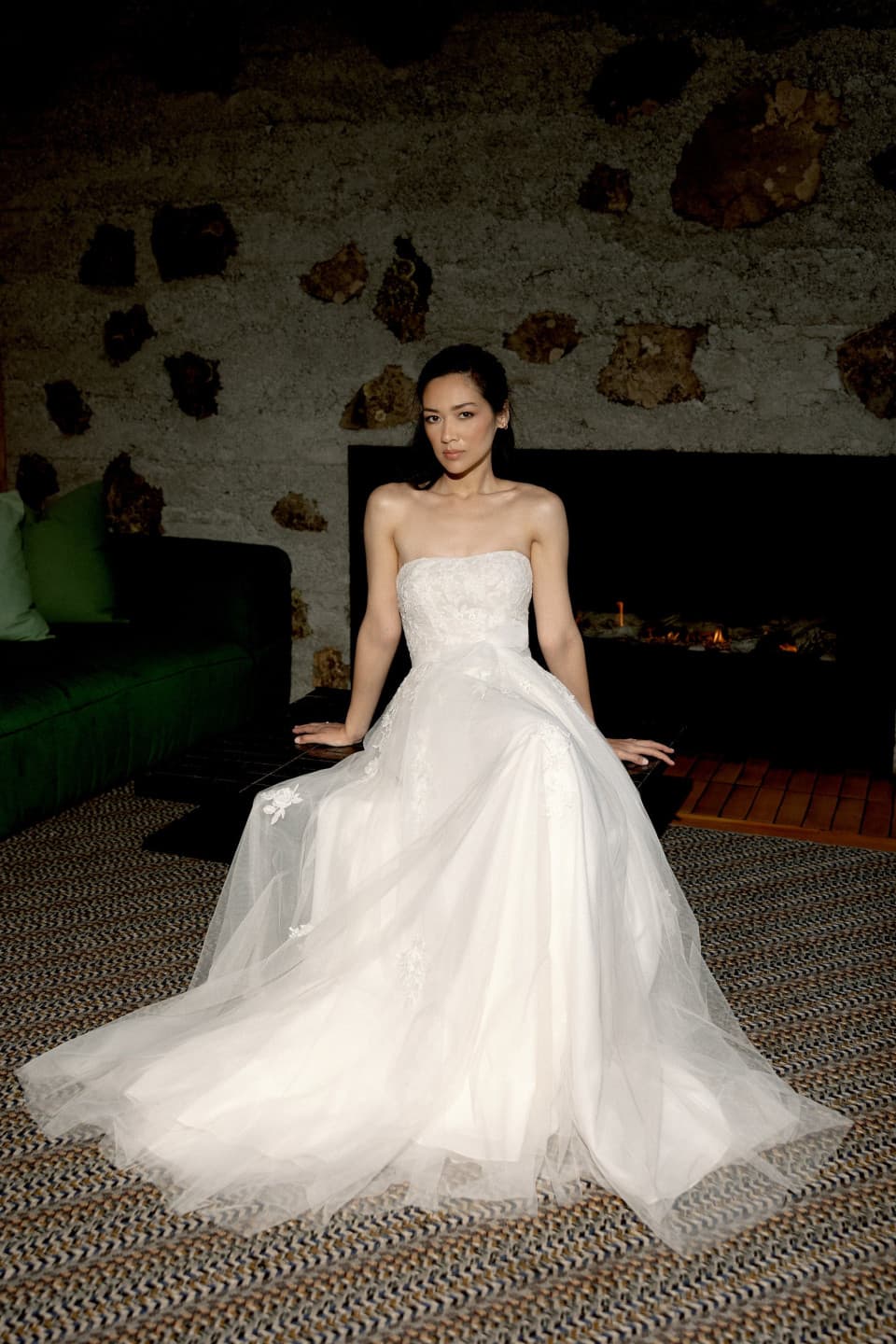
A-line wedding dresses dominate for the most practical reason in bridal: they do the job without asking a bride to choose between beauty and ease. Fitted through the waist and then softly flaring into that unmistakable capital A, the shape gives structure up top and breathing room below, which is exactly why more than 40 percent of U.S. brides choose it. In a market full of dramatic sleeves, sculptural corsetry, and dresses that photograph well but punish real movement, the A-line remains the quiet power player.
That popularity is not just habit. It is value, flexibility, and visual payoff in one silhouette. A-line gowns can read classic in satin, ethereal in tulle, or polished and modern in crepe, and that range is part of the appeal. The shape is never one-note, yet it is rarely a risk.
Why the shape flatters so many brides
The reason A-line works so often is built into the geometry. Bridal guides consistently point to the same effect: the fitted waist emphasizes the narrowest part of the body, while the gentle flare creates length and softens the lower half. BridalGuide says the silhouette can add curves, create the illusion of length, emphasize a small waist, and downplay the lower body. The Knot calls it comfortable and universally flattering for all body types for the same reason, because it highlights the smallest part of the waistline.
That makes A-line especially effective if you want definition without compression. On a fuller figure, the flare can skim rather than cling. On a petite frame, it can elongate the line without overwhelming the body. On a straighter figure, it creates shape without demanding heavy structure. It is not about hiding; it is about giving the eye a clean, elegant path to follow.
The result is a silhouette that feels considered, not precious. Brides who want romance without fuss often land here first, then discover how many directions the dress can take after that initial fitting.
A smart choice for comfort, alterations, and price
A-line dresses also win because they tend to be easier to live in. A gown that opens from the waist gives room for walking, sitting, dancing, and making it through a long day without the constant awareness of boning, volume, or weight. If your priorities are comfort and movement, this silhouette is one of the safest bets in bridal.
It is also friendlier to alterations than many more extreme shapes. A defined waist and controlled skirt are easier for a tailor to adjust cleanly than a highly sculpted corset or a hyper-fitted mermaid cut. That matters when every inch has to work across fittings, shoes, and the realities of actual wedding-day movement.
The budget argument is just as persuasive. The Knot’s 2024 Attire + Fashion Study found that brides budgeted an average of $1,900 for wedding attire, and its Real Weddings Study found the average cost of a wedding dress was about $2,100 among nearly 10,474 U.S. couples married in 2025. The average cost of ceremony attire for brides was $2,000. Against that backdrop, A-line feels especially intelligent because it spans the market so well, from roughly $500 on the accessible end to $5,000 and up depending on fabric and designer. In other words, the silhouette can be as modest or as luxurious as the wedding calls for without abandoning its shape.
A line with real fashion pedigree
The A-line’s staying power is not an accident of retail. Christian Dior used the term for his spring 1955 collection, and The Metropolitan Museum of Art notes that the dress had an undefined waist and a smooth silhouette that widened over the hips and legs. That same source ties the essential A-line of the 1960s back to that work, which means the shape did not simply appear in bridal as a trend. It arrived with couture authority.
Dior’s earlier 1947 New Look also matters here. With rounded shoulders, a cinched waist, and a very full skirt, it restored the idea of waist emphasis and controlled volume to fashion, creating the visual language that later made the A-line feel so natural in bridal. This is why the silhouette never reads as basic to a fashion eye. It has lineage. It carries the memory of Paris ateliers, of postwar optimism, of a woman’s body being framed rather than overworked.
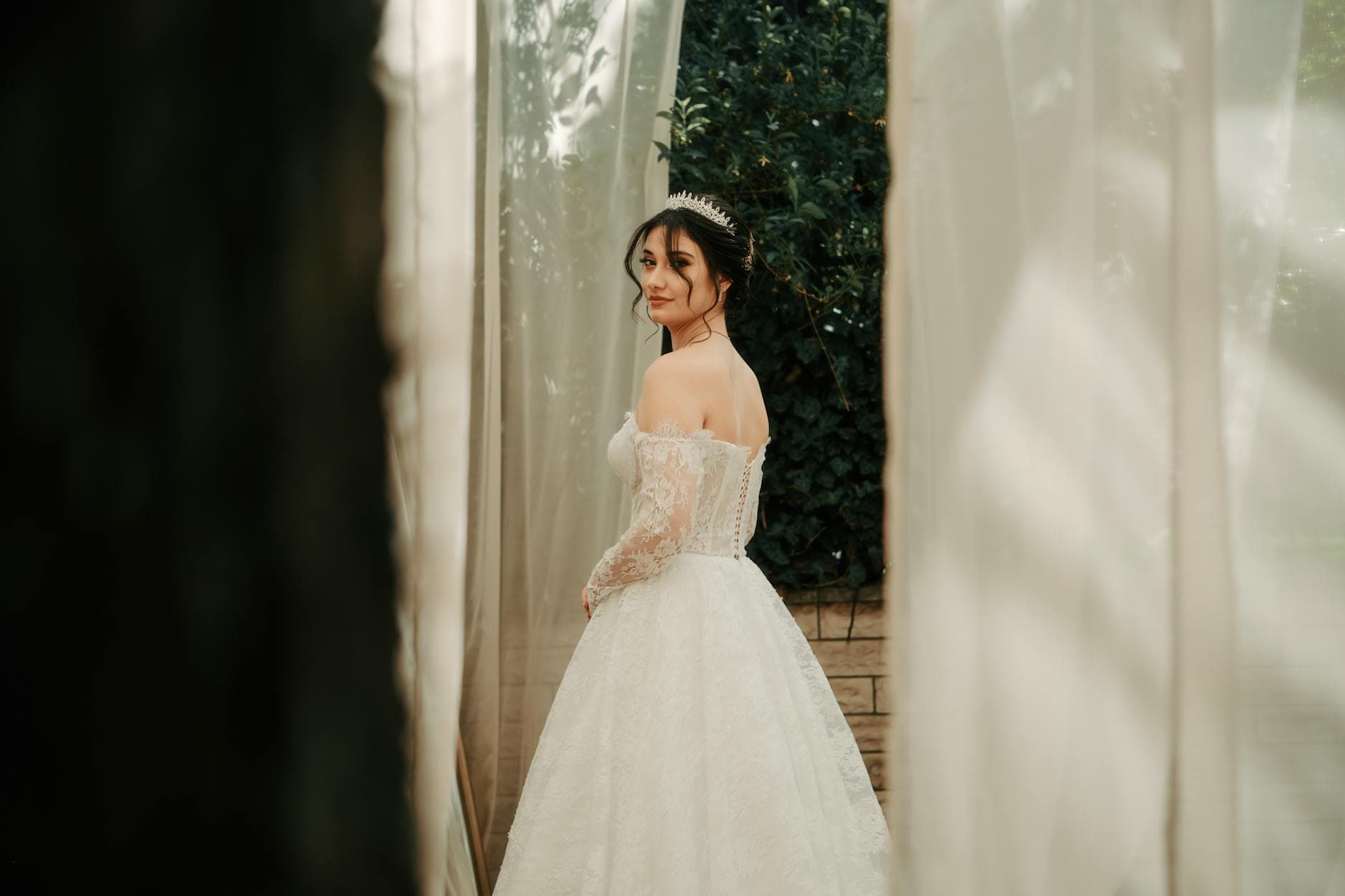
That heritage helps explain why the A-line survives every trend cycle. It is not a compromise shape. It is a distilled one.
Where the A-line makes the most sense
The silhouette is at its strongest when the bride wants polish with a little ease. It suits church aisles, garden ceremonies, city celebrations, and formal receptions because it has enough structure to feel bridal and enough movement to feel human. You can think of it as the dress equivalent of excellent tailoring: present, composed, and never trying too hard.
It also tends to be the right answer when the dress has to do several jobs at once.
- If you want a universally flattering starting point, this is the first rack to pull from.
- If your budget needs to stay close to the average bridal spend, the shape offers the widest range of price points.
- If you care about comfort through a long ceremony and a longer reception, the waist-and-flare cut is forgiving without looking casual.
- If you want a dress that can be altered cleanly, the silhouette gives a tailor room to refine the fit.
That versatility is part of why the silhouette keeps showing up in real wedding shopping behavior. The Knot says 58 percent of brides found Instagram to be the most helpful social platform during their attire search, which tells you how visual and repeatable bridal taste has become. A-line dresses travel well through that world. They are recognizable in a feed, reliable in a fitting room, and still strong in person when the music starts and the veil comes off.
Why it remains the safest smart choice
The A-line succeeds because it solves the central bridal problem: how to look composed, flattering, and special without becoming trapped inside the dress. It gives shape where brides want it, ease where they need it, and enough range to work across bodies, budgets, and settings. That is why it keeps leading the market, why it has lasted from Dior’s 1955 breakthrough into modern bridal shopping, and why it still feels like the smartest first answer when the dress question gets serious.
In bridal, the most enduring shapes are rarely the loudest. The A-line endures because it understands the assignment, then makes it look effortless.
This article was produced by Prism’s automated news system from verified source data, official records, and press releases, then run through automated quality and moderation checks before publishing. The system is built and supervised by the people who set the standards it runs under. Read our full AI policy.
Did this article answer your question?