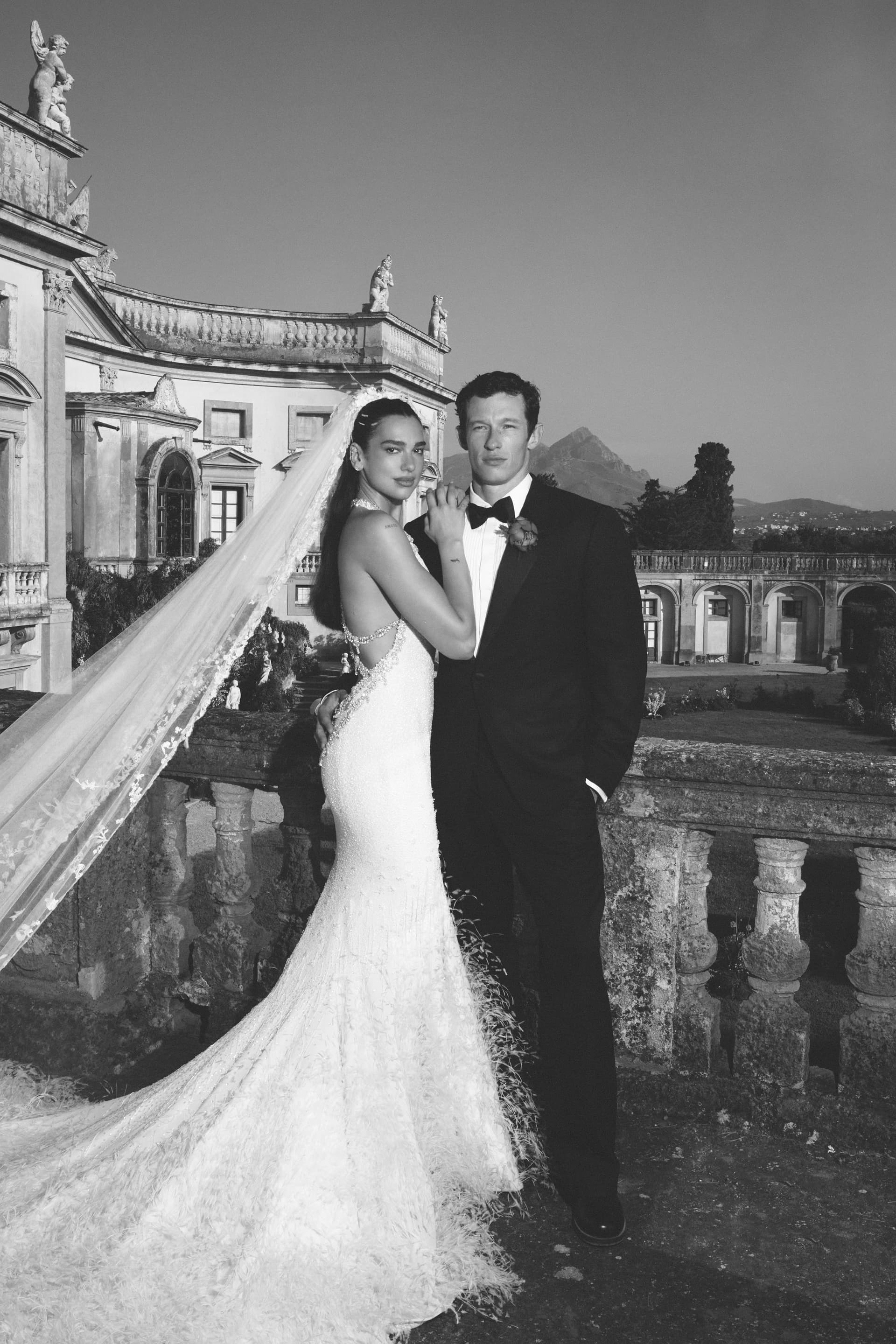
Five brides reinvent heirloom saris for modern wedding looks
Five brides turned inherited saris into sharply modern wedding looks, proving that the most personal bridalwear can also be the most exacting.

The sari at the center of Vogue India’s latest bridal feature is not being treated like a relic. It is being treated like a design brief: something charged with memory, but open to reinvention, with five brides turning family textiles into wedding looks that feel intimate, current, and unmistakably their own. Published on 24 June 2026 in Bridal Looks, the feature lands as part of a larger June run of sari-driven wedding stories that keeps returning to one clear idea: heritage is most compelling when it is worn, altered, and lived in.
The sari, recut as a bridal proposition
Vogue Staff’s 24 June 2026 feature puts the heirloom sari at the center of bridal dressing, and that choice matters because it rejects the lazy binary between “traditional” and “modern.” These brides are not trading sentiment for style; they are proving that a family textile can carry both at once, especially when it is cut and styled with intention. That is the real shift here: the sari is no longer being preserved only as an object of memory, but activated as one of the sharpest tools in a bride’s wardrobe.
The story also reads like the clearest sign yet that Indian bridal fashion is moving toward personalization that still feels rooted. Times of India noted in December 2024 that brides were increasingly folding heirloom pieces into their trousseaus for sentiment and sustainability, and this Vogue India feature pushes that impulse into a more editorial, more exacting space. The result is not nostalgia dressed up as trend, but custom bridalwear built from what already matters.
Five brides, five ways to make inheritance feel new
The power of the feature lies in its range. With five brides under one roof of ideas, the story refuses a single formula for what an heirloom sari should become, which is precisely why it feels fresh. Some looks will inevitably lean into restraint, others into ornament, but the common thread is the same: the sari is allowed to retain its emotional weight while the styling gives it a contemporary line.
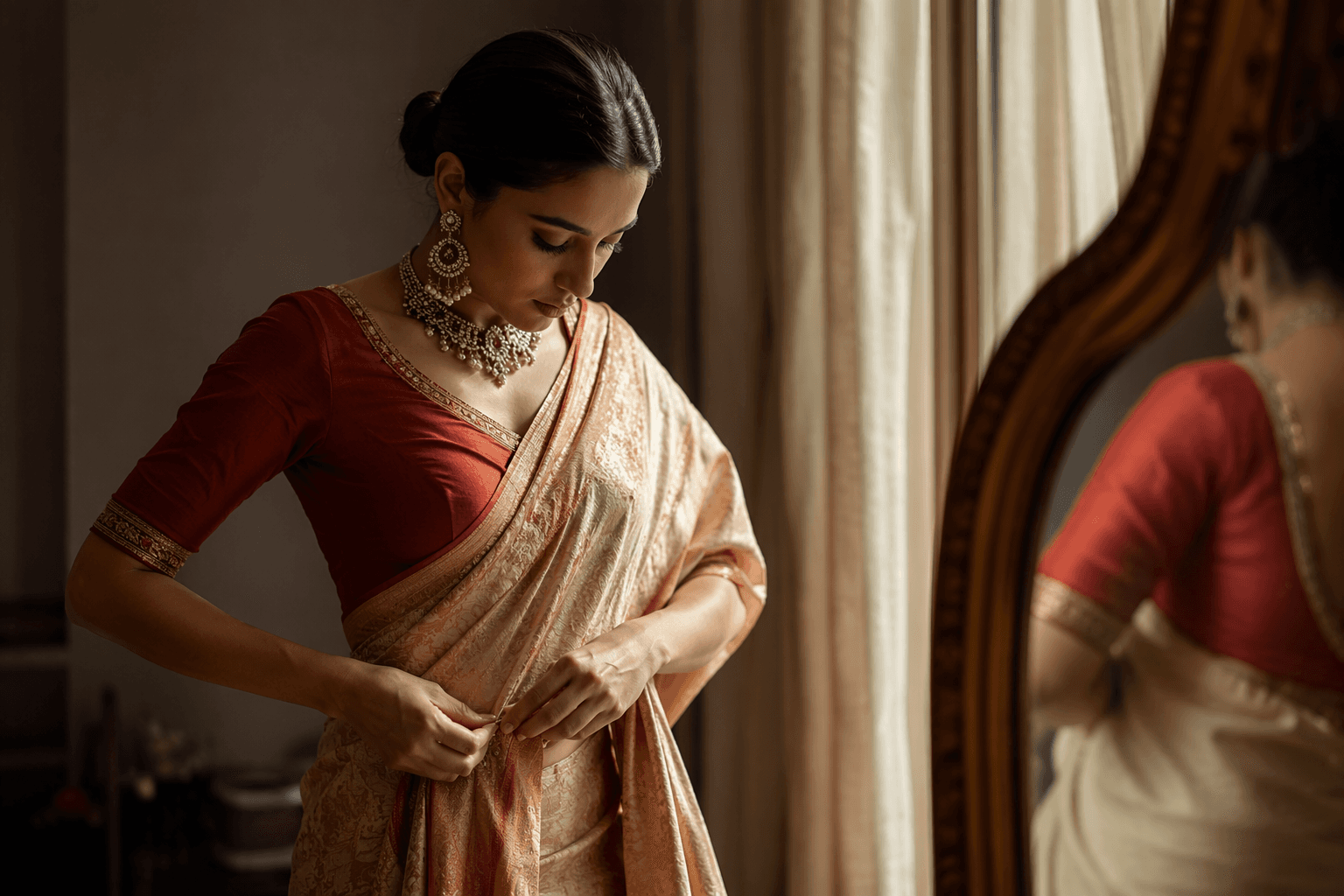
That flexibility is what makes the concept so relevant for brides who want individuality without breaking with tradition. A sari can be re-registered as bridal by changing its context, tightening its drape, refining the blouse, or letting the pallu fall with more ease and less ceremony. The garment stays recognizable to the family that saved it, yet reads differently under modern lighting, on a contemporary silhouette, and in the kind of photographs that define weddings now.
Sara Hussain and Thea Mulchandani show how personal the sari can be
Two of the names attached to the feature, Sara Hussain and Thea Mulchandani, underscore how the sari becomes more than fabric when it is pulled from a family archive and put back into public view. In a bridal landscape crowded with custom embroidery and made-to-measure spectacle, the heirloom sari offers a different kind of exclusivity: one that cannot be duplicated because it already belongs to a history no one else has. That is a stronger luxury statement than any fresh-off-the-runway gown.
What makes this approach so convincing is the emotional precision. The sari carries the original maker’s choices, the previous wearer’s life, and the bride’s own edits, all in one frame. In fashion terms, that gives the garment depth before a single pin is placed or a blouse is altered.
A June chorus around reworked bridal dressing
The 24 June feature did not appear in isolation. Vogue India spent the same week returning to related themes with stories on 21 June about a bride’s wedding wardrobe made from the saris of the women who raised her, on 19 June about grooms wearing reworked heirloom saris and antique jewellery for a wedding in Mexico, and on 14 June about a bride in San Francisco who wore her mother’s 30-year-old bridal sari for a multicultural ceremony. Seen together, those stories turn one feature into a broader editorial argument: heirloom dressing is no longer a side note in wedding coverage, it is the point.
That argument has been building for longer than one June. On 1 October 2025, Anaita Shroff Adajania put it plainly: “For me, my wedding sari remains timeless, infused with my story.” Her line lands because it captures the exact appeal of this moment. The sari does not need to be updated out of meaning; it needs to be styled so that meaning and modernity can coexist in the same look.
Why heirloom saris now read as the new custom bridalwear
This is where the trend feels less like sentimentality and more like a sophisticated bridal strategy. Brides are still chasing distinction, but they are doing it through inheritance, not excess, by letting family textiles do the emotional work while tailoring handles the contemporary finish. The appeal is obvious: every sari comes with a built-in narrative, but the bride still gets to decide how that narrative looks on her body.
That is why the new custom bridalwear feels so persuasive. It is not about being more traditional or more experimental, but about being more exacting, more personal, and more willing to let a family textile set the tone for a wedding look that no store rack could ever replicate.
This article was produced by Prism’s automated news system from verified source data, official records, and press releases, then run through automated quality and moderation checks before publishing. The system is built and supervised by the people who set the standards it runs under. Read our full AI policy.
Did this article answer your question?