Genelia Deshmukh’s heritage anarkali updates bridal dressing with Mughal craft
Genelia Deshmukh’s layered anarkali makes a case for covered-up bridal dressing with Mughal craft, velvet structure, and a silhouette that feels ceremonial, not costume-y.
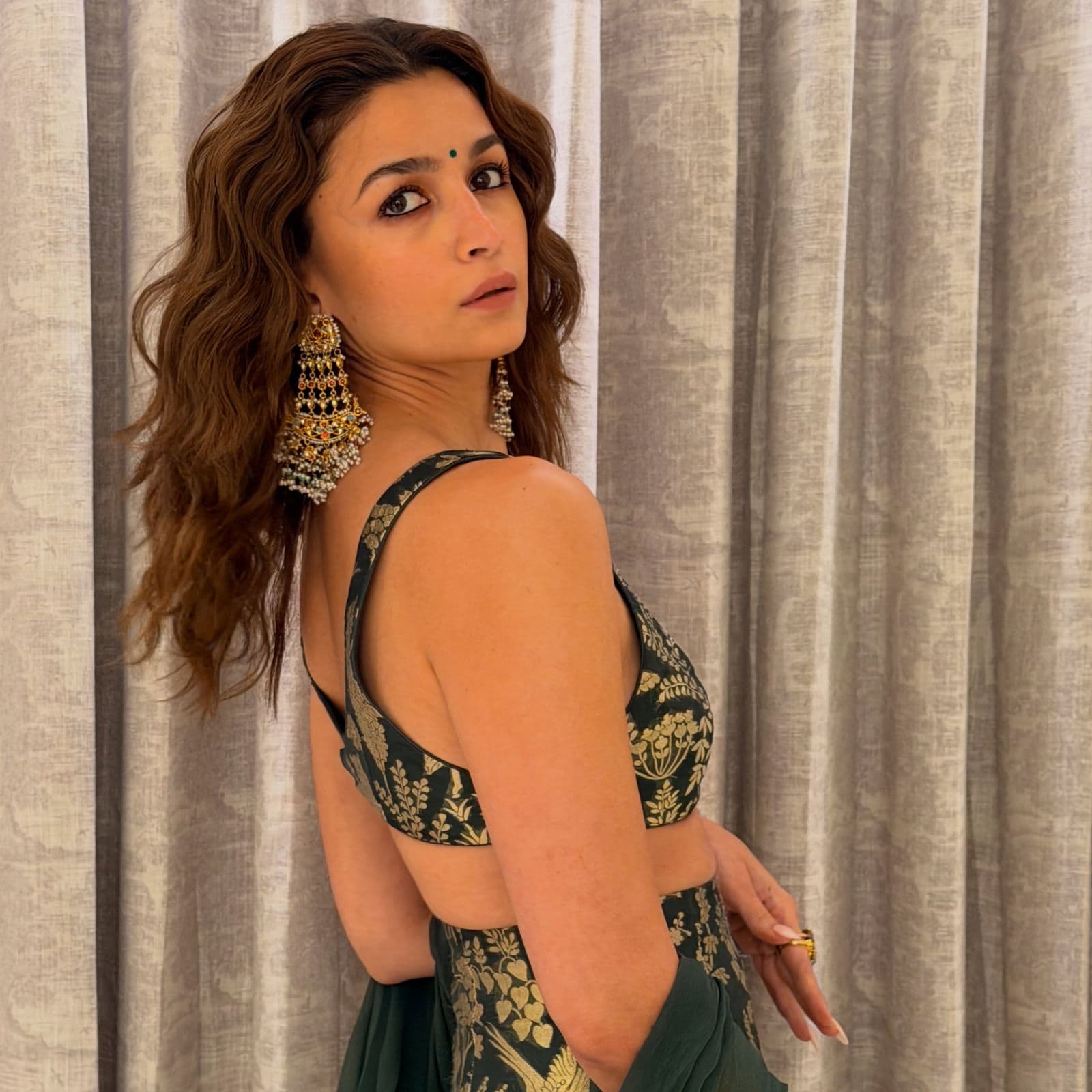
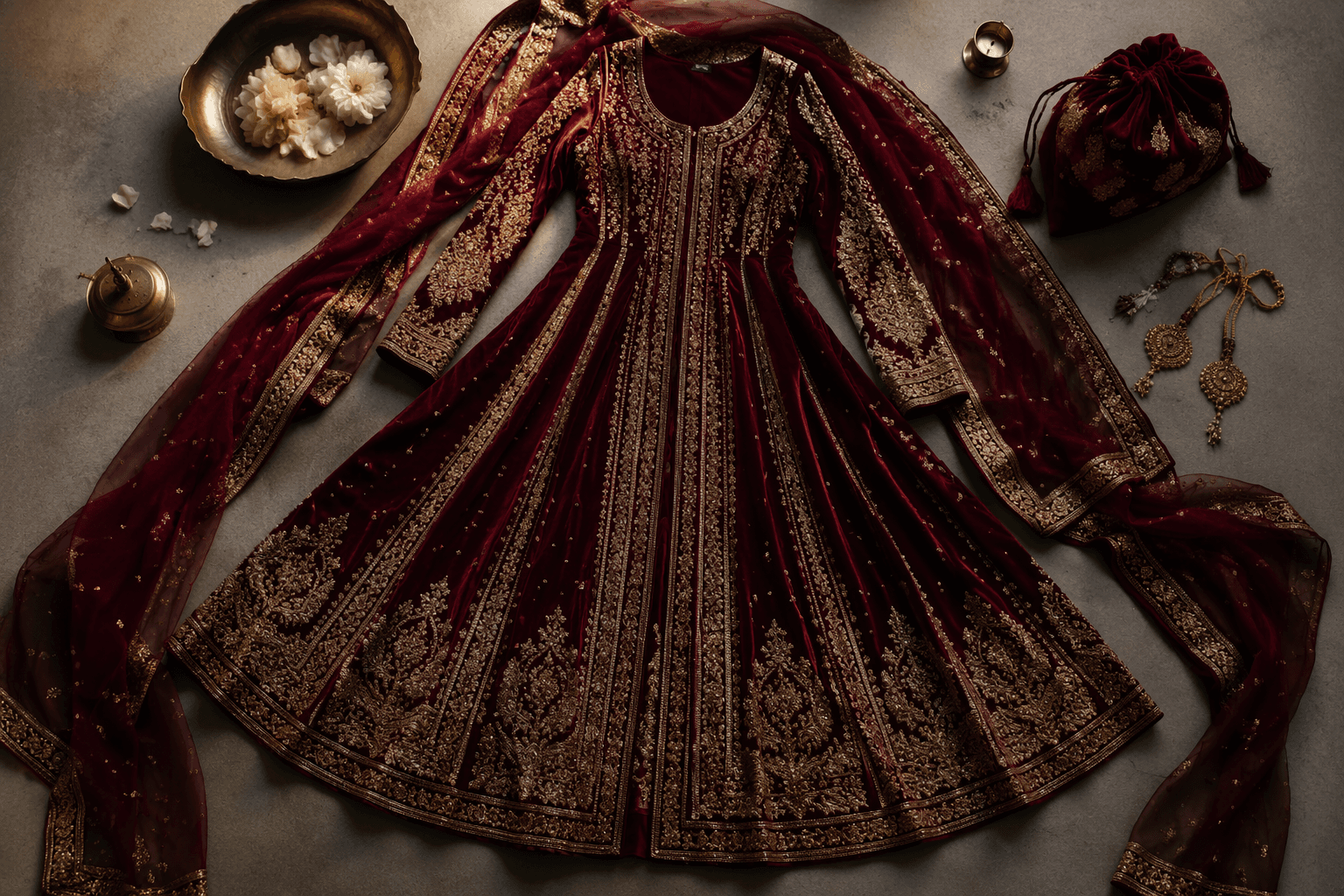
A Mughal-inspired anarkali paired with a heritage tukdi-embroidered velvet waistcoat gives Genelia Deshmukh a covered, regal finish that feels right for a nikah, a sangeet, or any winter wedding event where polish matters more than flash.
Why this silhouette feels current
The embroidery is not the only thing making the look work; the layers change the mood. The anarkali brings sweep and ceremony; the velvet waistcoat adds architecture, weight, and a distinctly heirloom feel. Together, they move bridal dressing away from the default gown shape and toward something more composed, with a stronger sense of craft and a more tailored line through the torso.
The look appeared in Vogue India on July 10, 2026, inside a broader stretch of Indianwear coverage that keeps returning to heritage dressing as a live trend rather than a nostalgia exercise. In the same July run, Vogue India highlighted Sonam Kapoor in a sheer ivory Anamika Khanna anarkali and turned attention to Anshula Kapoor’s wedding wardrobe, reinforcing how often celebrity occasionwear is now being read through texture, transparency, embroidery, and silhouette restraint.
What the waistcoat changes
The velvet waistcoat is the detail that shifts this from pretty to memorable. Velvet naturally carries depth, so even before you clock the embroidery, the fabric gives the outfit a winter-luxe density that lighter layers cannot match. The heritage tukdi work adds another register: it signals handwork, patchwork sensibility, and the kind of artisanal finish that makes an outfit feel collected rather than assembled.
That structure matters for brides who want more coverage. A waistcoat sharpens the profile, frames the waist, and keeps the silhouette from floating away into generic flow. It also introduces a menswear-adjacent note into the look.
Why anarkalis are back in the bridal conversation
This is not a one-off styling moment. The silhouette is being framed as a comeback shape in 2026, with several recent celebrity features circling back to anarkalis and other heritage techniques. The anarkali offers movement, modesty, and enough surface area for embroidery to read with impact.
Sara Arjun’s ivory anarkali is a useful comparison point: it had 24 panels and Mughal-era-inspired embroidery, showing how the conversation has shifted toward construction as much as decoration.
How to wear the idea without tipping into costume
The trick is to borrow the mood of Mughal dressing, not the museum version of it. Genelia’s look works because the anarkali and waistcoat are rooted in recognizable craft but still feel clean and wearable. To adapt the idea for your own wedding wardrobe, keep the silhouette strong and the styling disciplined.
- Choose one hero surface, either the anarkali or the waistcoat, and let it lead. If both pieces are heavily worked, keep the palette close and the embroidery tonal.
- Let the cut do part of the work. A long, fluid anarkali with clear paneling will feel more modern than a stiff, over-structured version.
- Use velvet as an accent, not a flood. A waistcoat, short jacket, or fitted overlay gives richness without making the entire look feel heavy.
- Stay within a restrained color family. Ivory, deep jewel tones, and softened metallics keep heritage references elegant rather than theatrical.
- Keep jewelry edited. If the clothes carry Mughal-inspired embroidery and tukdi texture, you do not need to compete with oversized ornaments.
For a nikah, this approach reads especially well because it balances modesty and occasion. For a sangeet, it gives you enough movement to dance without losing the formality of the look. For a winter wedding, the velvet layer brings warmth and depth in a way that still feels celebratory.
This article was produced by Prism’s automated news system from verified source data, official records, and press releases, then run through automated quality and moderation checks before publishing. The system is built and supervised by the people who set the standards it runs under. Read our full AI policy.
Did this article answer your question?